Monday, May 4, 2026
Home Blog Page 392

Uni Cards acquires P2P lending platform OHMY Technologies

0

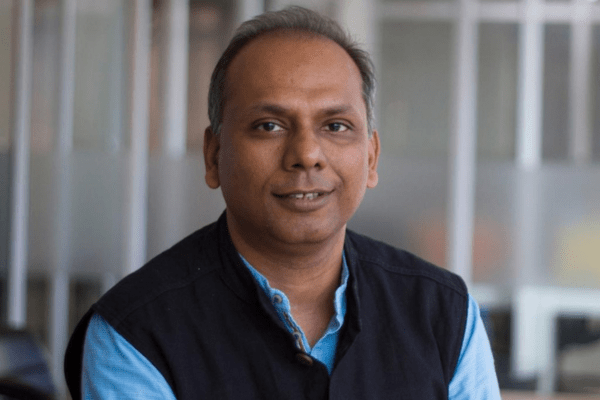
Uni Cards has acquired peer-to-peer lending platform OHMY Technologies (OMLP2P), according to a person aware of the development. OML owns an NBFC-P2P licence from the Reserve Bank of India.

The MCA reports that on January 7, Nitin Gupta, Laxmikant Vyas, and Prateek Jindal, the founders of Uni Cards, joined the board of OMLP2P as directors.

LinkedIn profiles of OMLP2P founders Surendra Jalan and Pramod Kumar Akhramka show that they served the company until January 2023.

While the acquisition cost is currently unknown, it is believed to be around ₹3- 4 crore. OMLP2P reported ₹33 lakh in operating revenue for FY22, yet the company also incurred losses of ₹1 crore.

From Accel Partners, Lightspeed, General Catalyst, Sparkle Fund, and other investors, Uni has so far raised $88.7 million in equity. While the fintech company’s revenue from operations was only ₹13.7 crore, it declared a loss of ₹139.5 crores in FY22.

Confirming the acquisition of OMLP2P, Nitin Gupta said, “This acquisition has been in play long before new guidelines or for that matter long before June 2022. It’s important part of our strategy.” He did not comment on the cost of acquisition.

Lemon Tree Hotels signs two new hotels in Nepal 

0

Lemon Tree Hotels has announced its latest signing of two franchised hotels – Lemon Tree Premier, Budhanilkantha, Kathmandu, Nepal and Lemon Tree Resort, Lumbini, Nepal. Together, the two add over 200 keys, bringing the total number of properties under the Lemon Tree umbrella in Nepal to five.

Lemon Tree Premier, Budhanilkantha, Kathmandu, Nepal, a Lemon Tree Hotels Limited franchise, is expected to open in or before January 2024. This opulent hotel will have 102 luxurious rooms, two restaurants, a bar, a private dining room, three conference rooms, a banquet hall, outdoor event spaces, an expansive swimming pool, a fitness center, a spa, a casino, and other public areas.

Buddhists and Hindus worship Budhanilkantha, located in the Kathmandu district. Its name derives from the Sanskrit word “Old Blue Throat,” which the gods gave to Lord Shiva after the Lord drank poison to save the world. It features the well-known Budhanilkantha Temple, famous for its 1,400-year-old black basalt carving of Vishnu, draped in marigolds and reclining on a bed of serpents. Buddhists and Hindus both hold great reverence for this temple. Budhanilkantha is a vast neighbourhood extending into Shivapuri Nagarjun National Park, home to numerous local and migratory bird species as well as bears, monkeys, and leopards.

The distance to Kathmandu’s Tribhuvan International Airport is roughly 12 kilometres. The hotel has transportation links to all of Nepal’s major cities, both public and private.  

Lemon Tree Resort, Lumbini, a Lemon Tree Hotels Limited franchise, is expected to open in or before October 2023. There will be 81 well-appointed rooms, a restaurant, a bar, meeting rooms, an outdoor event venue, a private dining room, and other public areas.

The Gautam Buddha International Airport, also known as Bhairahawa Airport at Siddharthnagar, is about 15 kms from the property. The hotel has access to public and private transportation for travel to Nepal’s major cities. It is roughly 280 kilometres from Kathmandu and 180 km from Pokhara. It is also accessible by road to Gorakhpur, Uttar Pradesh, and is one hour drive from the Sunauli transit point on the Nepal-India border. Adventure seekers should visit the city. The municipality provides a range of adventure sports, including paragliding, mountain biking, trekking, and hiking. Adventure seekers will enjoy this region’s incredible natural beauty and thrilling activities.

Speaking on occasion, Vilas Pawar, CEO – franchise business, Lemon Tree Hotels, commented, “We take great pleasure in announcing the latest additions to our portfolio with our valued partners Budhanilkantha Heritage Ltd. and Lumbini Palace Resort Pvt. Ltd. We are gradually making forays in the international market and expanding our portfolio in Nepal to strengthen our regional presence.”

Deeptech Investor pi Ventures secures INR 100-Cr to back early-stage startups

0

Early-stage venture fund pi Ventures, which backs AI and deeptech startups, has received commitments of INR 100 Cr or 15% of the corpus from the SIDBI-managed Fund of Funds for Startups (FFS).

With the funds, pi Ventures plans to back Seed, Pre-Series A, and Series A startups working in the AI and deeptech domains. It has invested in seven startups, including Silence Laboratories in Singapore, Ottonomy.IO in the US, India’s ImmunitoAI, and Preimage.

The development comes after pi Ventures received INR 22 Cr from Belgium’s Colruyt Group in the last week of March 2023.

Manish Singhal founded pi Ventures in 2016, and in 2018 it closed its INR 225 Cr first fund (Fund I). With the first fund, it backed 15 deeptech startups, including Niramai, Pixis, Wysa, Agnikul, and Locus, to name a few.

It rolled out its second fund in March 2021 with a corpus of $90 million and a greenshoe option to a target of $100 million.

“We are delighted to welcome FFS again in our second fund. The confidence in our team and our investment strategy reinforces our commitment to support talented entrepreneurs who are creating disruptive products that solve fundamental real-world problems with innovative technology backed solutions,” said Manish Singhal, founding partner of pi Ventures.

The FFS of the Small Industries Development Bank of India (SIDBI) was founded in January 2016. The FFS has a corpus of INR 10,000 Cr and is expected to close in the second quarter of 2023 with a corpus of between INR 675 Cr and INR 750 Cr.

The FFS fund is backed by BII, Nippon India Digital Innovation AIF, Accel, Colruyt, Binny Bansal, Varun Alagh, Samit Shetty, Rajesh Ranavat, Anupam Mittal, Hemendra Kothari, Hitesh Oberoi, Ullas Kamath, Deep Kalra, and senior leaders from IBM, Facebook, and Google, among others.

Coworking spaces: Startup share drops, enterprise rises

0

With more and more companies returning to the office, coworking spaces are experiencing steady demand. According to players in the sector, even big companies are now looking for shared office spaces for greater flexibility.

Santosh Martin, the chief financial officer of WeWork India, said that large enterprises now occupy 70% of their space, with the remaining 30% for startups and small and medium-sized companies. Before the pandemic, 50% or fewer desks were occupied by large enterprises. The downturn in startup funding has also impacted that market’s demand.

WeWork, the world’s largest co-working space provider, operates in all the major Indian cities, including Bengaluru, Gurugram, Hyderabad, Mumbai, and Pune. According to Bengaluru-based 315WorkAvenue, demand from multinational corporations for IT, engineering, financial services, and R&D has doubled in the past year. According to Manas Mehrotra, the founder of the coworking space provider, MNCs, and corporate houses often had standalone offices and were reluctant to lease coworking spaces. But that, he says, has changed drastically now.

“They want coworking offices due to reduced capital expenditure budgets, as also the customised workspace design and enhanced flexibility that coworking spaces provide,” he said.

Large enterprises that have taken coworking spaces include Google, which recently leased 1 lakh sq ft from service provider Smartworks in Pune, as well as Amazon and Accenture, who have taken up spaces in coworking spaces in smaller cities like Bhopal and Vijayawada.

According to Viral Desai, senior executive director at the real estate consultant Knight Frank India, the percentage of coworking spaces in the country that large corporations occupy is almost 80%. He claimed that smaller companies dominated the segment before the pandemic.

He said this situation is more prevalent in Bengaluru and Hyderabad, where companies still operate the hybrid model, compared to other cities like Mumbai, where most companies have mandated that all employees work from the office.

“Companies are now more comfortable signing contracts for two to five years to use such flexible spaces. They are leasing offices even in smaller cities like Jaipur. Suddenly if one day, a client says they do not want people to work from that location, it would be easier to wind up that establishment,” Desai said.

He said corporates are now signing multi-city contracts that would commit to using a certain number of seats across three or four cities instead of signing up for a particular number in each of these cities. According to Anshuman Magazine, chairman and CEO for India, South-East Asia, the Middle East, and Africa at the property consulting firm CBRE, companies will continue considering such spaces as a hedge against headcount uncertainty. These spaces have shorter lease durations and more flexible lease terms.

IHCL marks another year of record portfolio expansion 

0

Indian Hotels Limited (IHCL), India’s largest hospitality company, marks another year of accelerated portfolio expansion in FY 2022-23. With the signing of 36 new hotels and the opening of 16 new hotels in the past year, it recorded an industry-leading pipeline. The current pipeline stands at 73 hotels.

Commenting on IHCL’s growth, Mr. Puneet Chhatwal, Managing Director & Chief Executive Officer, IHCL, stated, “IHCL has witnessed a tremendous year of growth with unprecedented momentum of portfolio expansion. We signed a record 36 hotels in this financial year, taking our portfolio to 260 properties. With this growth, our managed hotels have now reached a share of 50% from 32% five years ago, resulting in a balanced portfolio mix. This was supported by a fast-paced opening of 16 new hotels. With its iconic brand Taj, IHCL maintains its lead in the luxury segment with 81 hotels in operation and another 17 in pipeline, while the young brand SeleQtions is capitalizing on many conversion opportunities. Vivanta and Ginger have added notable number of hotels and destinations, providing consumers with newer choices.”

Suma Venkatesh, Executive Vice President – Real Estate & Development, IHCL added, “The robust performance is a testament to power of IHCL’s reimagined brandscape. We would like to thank all our owners and partners in reposing their trust in us.” 

Leads in the luxury segment

Taj, the world’s strongest hotel brand and an iconic luxury brand plans to exceed the 100-hotel milestone from its current 98 hotels with the signing of eight new hotels. Taj announced opening two resorts in Lakshadweep, keeping with its strategy of pioneering new destinations in new locations. Taj signed two hotels in Gandhinagar and Raipur to expand into state capitals. IHCL signed a deal to open a Taj hotel in Riyadh, Saudi Arabia, expanding its presence in the metro cities of Bengaluru and Chennai and continuing its focus on key global markets.

The year saw the opening of Sawai Man Mahal Palace and Taj Amer in Jaipur, Taj Wayanad in Kerala, and Taj City Centre New Town in Kolkata, enhancing its leisure offerings.

Achieves balanced portfolio

IHCL achieves a balanced portfolio of owned, leased, and managed hotels in FY 2022–23, as envisioned in its Ahvaan 2025 strategy. Management contracts accounted for 60% of the new signings and were the driving force. The remaining 40% comprised Ginger brand operating leases and a few select investments in Ekta Nagar and Lakshadweep.

Growth through conversions

The year saw a significant uptick in conversions driven by IHCL SeleQtions, the brand with a unique and compelling character fuelled by the power of IHCL’s brandscape. This aligns with IHCL’s plan to expand its brands and hotels with a shorter time-to-market, indicating SeleQtions’ firm value offer for customers. Hotel conversions were secured in Rajkot and Mahabaleshwar, and operating hotels were opened, including Anand Kashi by the Ganges, Rishikesh, Norbu The Montanna, Dharmashala, Jaagir Manor, Dudhwa, and Baragarh Resort & Spa, Manali.

Expansion in Tier 2 & 3 cities

Unlike India’s metro cities, smaller cities with a lesser share of branded rooms have seen phenomenal growth. IHCL has developed a robust pipeline in tier 2 and tier 3 cities by grabbing the opportunity, including 

Vivanta branded hotels in Jammu, Haridwar, Vrindavan, Indore, Jamshedpur, Rajahmundry, Katra, Shillong, and Ginger branded hotels in Gangtok, Durgapur, Asansol, Nagpur, Ayodhya, Paradeep, Bharuch and others.

IHCL has a solid potential to achieve its vision of 300 hotels by 2025 with its current portfolio of 260 hotels.


Workspace interiors startup OfficeBanao secures $6mn 

0

Workspace interiors platform OfficeBanao said on Tuesday that it raised $6 million in Seed funding from Lightspeed, a multi-stage venture capital fund.

The company will utilize the funds to strengthen its platform across technology and team, specifically in design and growth capabilities.

It added that over the coming months, it would invest in customer success and a strong ecosystem of execution partners to help customers ranging from small- to medium-sized businesses to large enterprises. The startup, already operating in 15 cities, aims to expand its operations to the top 25 markets.

“The sector is unorganized, opaque, and so under-served, that we believe only a tech-led approach can help deliver delightful experience to workspace owners,” said Tushar Mittal, Founder and CEO, OfficeBanao. 

“With depth of experience and supplier network, the team is best placed to disrupt the existing opaque and sub-par experience that plagues the industry today,” said Rahul Taneja, Partner, Lightspeed.

India’s e-commerce logistics space to exceed 10 bn parcels by FY28: Redseer

0

A report by Redseer Strategic Consultants forecasts that India’s ecommerce logistics industry will handle more than 10 billion parcels by FY28. The industry recorded over 4 billion parcels in FY23, with new categories, direct-to-consumer (D2C) brands, and continued growth in Tier II and beyond cities driving the growth.

The report also highlighted that even while the e-logistics market had greater competition and pressure on yields from ecommerce players, the industry’s long-term outlook remained positive. The D2C segment is emerging as a major growth area, and the overall ecommerce logistics opportunity is predicted to grow at a minimum compound annual growth rate (CAGR) of over 20%.

D2C brands, including online-first new-age brands from Indian players, are expected to grow overall GMV at 35% in the next few years. The report stated that by CY27, D2C brands are expected to generate a total of $33 billion in GMV across all channels, providing a market opportunity for logistics players with relevant and customized products for D2C brands.

According to the report, Delhivery is the leading player in the e-logistics industry. It provides a wide range of services for D2C brands and has a rapidly expanding non-ecommerce business, which makes it more resilient to recent macro trends in the ecommerce industry.

“Despite funding headwinds in ecommerce/internet sectors, there are multiple pockets of high-growth and high-yield opportunities available for e-logistics players, be in D2C or large goods or non-ecommerce segments like C2C, PTL/FTL, and wider SCM services,” said Mrigank Gutgutia, Partner, Redseer Strategy Consultants. 

“Players who build robust capabilities and offerings to serve this demand effectively will fundamentally be more resilient in these challenging times and will be better positioned for long-term market share and yield leadership,” he added.

Redseer Strategy Consultants is a tech- and data-driven consultancy firm that offers guidance to investors and new-age businesses. 1,000 consultants are working for the company, with offices in Southeast Asia, the Middle East, and India.

PayNearby opens over 1 lakh bank accounts at Kirana Stores

0

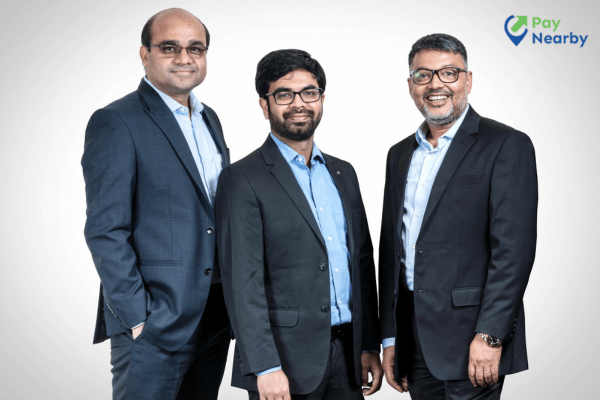
PayNearby has successfully opened over 100,000 current and savings accounts from semi-urban and rural retail counters in the country within the last six months. Customers can visit nearby stores and open accounts using Aadhaar-based KYC (eKYC), launched in association with India’s leading private bank.

Savings accounts witnessed a significant uptake, with 75% opening. By the end of this year, the company aims to intensify its efforts and facilitate the opening of more than half a million Current and Savings bank accounts from Bharat.

“With tech-backed Distribution-as-a-Service (DaaS) network, PayNearby is providing citizens with an active bank account. This has ensured greater convenience for the masses, who are often fraught with challenges like documentation hassles, long processes, technology, lack of proximity, and fear of a formal environment. Interestingly, of the total accounts opened, savings accounts saw a major uptake with 75% percent,” PayNearby said.

PayNearby currently provides services including cash withdrawal, remittance, Aadhar Banking, bill payment and recharge, savings, travel, digital payments, insurance, and more through its tech-driven DaaS (Distribution as a Service) network, which currently serves 75% of India.

Commenting on the milestone, Anand Kumar Bajaj, Founder, MD & CEO, PayNearby, said, “With more than one lakh current and savings accounts opened, we feel encouraged that our commitment to re-bank India with ‘Har Ghar Bank Khata’ is finally happening. The easy availability of bank account openings at a local retail shop has accelerated the uptake of this service.”

“With the savings account offering, we hope to get Bharat integrated into the formal economy at an accelerated pace and inculcate a savings behaviour among the masses. We will continue to make these best-in-class services accessible at our retail stores so that each and every citizen in the country has access to all services and the Bharat-India divide is bridged forever,” he said.

Celcius Logistics raises Rs 100-Cr in Series A funding to innovate cold chain tech

0

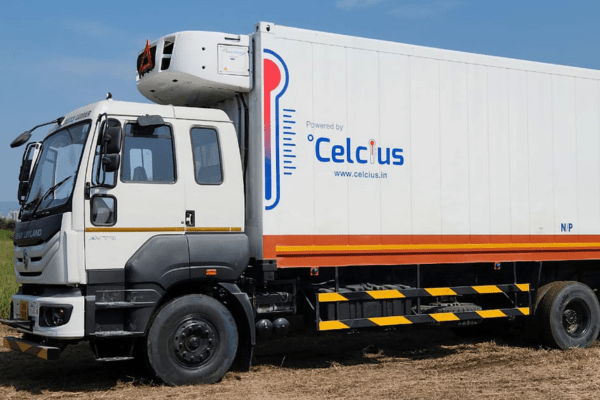
Celcius Logistics, a cold chain marketplace, has raised Rs 100 crore in a Series A funding round led by IvyCap Ventures.

The company plans to use the fresh capital to develop tech innovations that would address the fragmented cold supply chain, cut down wastage in perishables, and focus on sustainability.

Tej Kapoor, Managing Partner at IvyCap Ventures, will be joining the board of Celcius on behalf of the investor. Celcius had earlier raised Rs 35 crore from investors, including Mumbai Angels, Supply Chain Labs, Endurance Capital, VCats, Huddle, Eaglewings Ventures (EVAN), and others.

“We are glad to have partnered with Celcius Logistics, which is revolutionising the cold supply chain sector with its innovative approach,” said Vikram Gupta, Founder, and Managing Partner of IvyCap Ventures. 

“Given its focus and the expertise of the team, we are confident that Celcius will emerge as the leading brand in this space.”

An extensive online smart platform Celcius Logistics offers end-to-end supply chain solutions, including booking and monitoring warehousing, last-mile, and hyperlocal delivery services for all stakeholders involved in the cold chain network. The company claims to have transported over 100 tonnes of perishables for clients like Maersk, Jubilant Foods, and Zomato.

“From our humble beginnings with just five employees during the COVID-19 pandemic, we have become a leading player in the cold supply chain industry, with a team of 125 dedicated employees and an operational presence in 350+ cities across the country,” said Founder and CEO Swarup Bose, adding that it recently launched smart solutions catering to last-mile needs.

The company plans to upgrade its transportation management system and add a warehouse management system to its platform.

India’s cold-chain system exhibits several inefficiencies. According to the India Cold Chain Market Report 2023, due to a lack of cold storage, 4.6% to 15.9% of fruits, 5.2% of inland fish, 10.5% of marine fish, 2.7% of meat, and 6.7% of poultry are wasted annually.

Celcius aims to provide smart tech innovations to address problems in the pharma sector, build a streamlined cold supply chain, and ensure food security.

JM Financial cuts Zomato growth forecast from 25% to 21% over FY23-27

0

Zomato, a food delivery firm, is estimated to grow at a compound annual growth rate (CAGR) of 21% over FY23-27, according to a report by brokerage firm JM Financial, which revised its previous forecast of 25%.

The annual growth of investments over a given time is referred to as CAGR.

Instead of focusing on expanding the long tail of consumers who order infrequently, the company led by Deepinder Goyal is now investing in customers with high order frequencies. The report stated that while this strategy may boost profitability in the long run, it would impact the growth of monthly transacting users in the short term, leading it to revise its earlier growth forecast.

Zomato reintroduced the Gold loyalty programme in January to offset the decline in food deliveries. According to the report, the re-pricing of the membership fee and the shutdown of operations in 225 cities that were making losses may help the company reach profitability soon.

Since it offers a considerably bigger total addressable market than food delivery, especially when the level of competition is declining, Zomato and its rival Swiggy are doubling down on rapid commerce as a growth frontier. In terms of strategy moving forward, both companies are investing more incrementally in rapid commerce than in food delivery.

The brokerage firm claimed that despite average order volume likely declining due to the company’s focus on improving customer experience and expanding the transaction base, Zomato continues to report excellent sequential growth in gross order value, driven by volume.

“We also expect both contribution margin and EBITDA margin to increase due to improvement in take-rates (because of better product commissions and ad income), slowing competitive intensity, and delivery partner-related cost efficiencies,” JM Financial said in the report.

Though the company aims to increase the number of dark stores by 30 to 40% over the next 12 months to offset improvements in existing store profitability partially, EBITDA is unlikely to reach break-even in the near term. The company is well positioned to gain from strong industry tailwinds like improving tech penetration and rising income shares of digitally native millennials or GenZ, according to JM Financial, which added that it continues to be optimistic about its long-term prospects in the hyperlocal delivery space.