


Saturday, June 20, 2026
Home Blog Page 268

Koo says in discussions for strategic partnership as Dailyhunt eyes acquisition 

0
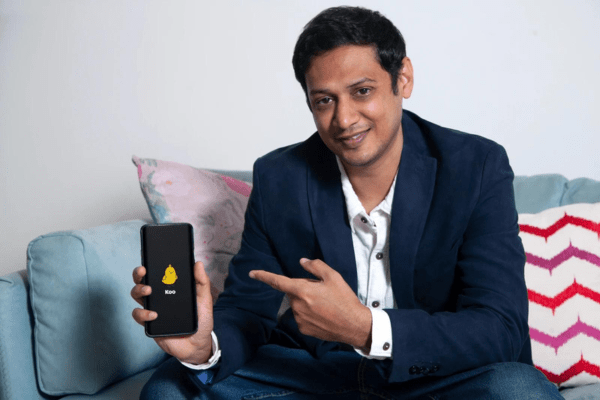
Koo cofounder Mayank Bidawatka

Mayank Bidawatka, the co-founder of homegrown microblogging platform Koo, announced on LinkedIn that the company is in talks with “multiple partners” for a “strategic partnership”. 

This announcement follows media reports indicating that VerSe Innovation, the parent company of media startup Dailyhunt, is in advanced negotiations to acquire Koo, the Bengaluru-based social network positioned as an alternative to X, formerly Twitter.

TechCrunch reported that the potential deal includes a share-swap agreement and might be finalized within weeks.

Taking to LinkedIn, Bidawatka said, “Our responsibility towards a wider community of stakeholders (users, creators, VIPs, investors, policy makers, media) forces us to not share anything prematurely while we’d like to say more.”

“Requesting your patience till we can share more concrete details of this partnership that will help Koo take wings in an organic manner and help challenge global competitors in a meaningful way,” he added. 

A few months ago, Bidawatka suggested that, given the ongoing funding challenges and disruptions in the startup ecosystem, Koo is exploring a strategic partnership.

“The next phase for Koo is to build scale, and that will happen with either funding or through a strategic partnership with someone who already has scale,” he had said. 

Koo has notable investors such as Tiger Global, Accel, and 3One4 Capital, while VerSe Innovation has received funding from entities like Canada Pension Plan Investment Board and Sofina Group, with a last valuation of $5 billion.
US enterprise AI search startup Glean secures $200mn, plans hiring spree 

0

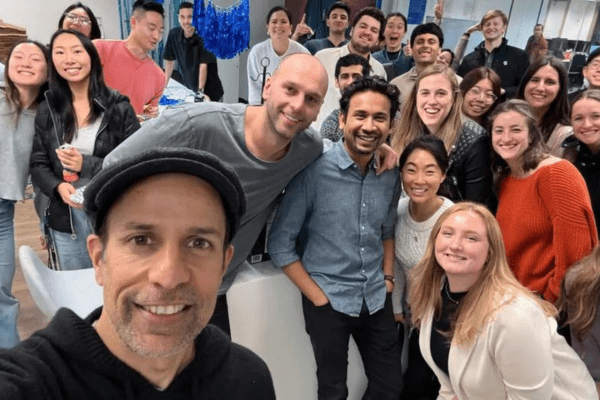
Glean, a startup utilizing artificial intelligence to assist companies in searching their knowledge base, secured $200 million in its latest funding round. This highlights robust investor interest in startups offering AI-powered products.

The funding round, co-led by current investors Kleiner Perkins and Lightspeed Venture Partners, increased Glean’s valuation to $2.2 billion. This marks a significant rise from the $1 billion valuation it had during its last funding round in May 2022.

Arvind Jain, Glean’s co-founder and CEO, who also co-founded data management startup Rubrik, intends to utilize the funding to double the team to 700 people this year. 

Established in 2019 by former Google search engineers, Glean provides enterprises with search and knowledge management solutions by connecting applications and databases within companies.

Glean has developed conversational AI assistants and employed large language models, including OpenAI’s text-generation tool ChatGPT. These tools create personalized summaries and answers from a company’s internal knowledge graph.

The Palo Alto, California-based startup reported nearly quadrupling its annual recurring revenue in the past year, serving clients like Sony Electronics and Databricks.

Shadowfax raises $100mn in latest funding round

0
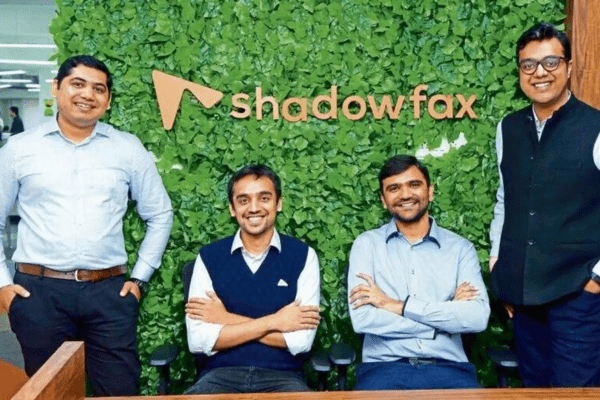
Shadowfax founders (left to right) Vaibhav Khandelwal, Praharsh Chandra, Gaurav Jaithliya & Abhishek Bansal

Shadowfax, a hyperlocal logistics startup, secured $100 million in its latest funding round led by growth investor TPG NewQuest. Existing investors, including Mirae Asset Management, Flipkart, International Finance Corporation, Nokia Growth Partners, Qualcomm, and Trifecta Capital, also participated, along with an element of venture debt. 

As part of the transaction, early backer Eight Roads Ventures, which first invested in 2015, made a partial exit.

The company plans to use the funds to expand its last-mile delivery services, aiming to cover 20,000 pincodes across India. Looking ahead, Shadowfax is set to introduce intercity operations in the next three quarters.

A part of the raised funds will be allocated to develop cutting-edge services for direct-to-consumer (D2C) brands and to further enhance Shadowfax’s express delivery network. The company made this announcement in a statement on Tuesday.

“Our ability to capture a greater share of the market, even in a tough economic climate, is a testament to the core strength of our business. Now, having a marquee investor on board only adds to our confidence in what we’re building,” said Abhishek Bansal, cofounder and chief executive of Shadowfax. 

Established in 2015 by IIT Delhi alumni Bansal, Vaibhav Khandelwal, Praharsh Chandra, and Gaurav Jaithliya, Shadowfax has evolved from being an on-demand logistics provider for food delivery to catering to ecommerce clientele like Meesho.

The platform claims to handle the delivery of 2 million packages daily through its network of 125,000 monthly active delivery partners.

“We have been impressed with the tech stack they (Shadowfax) have built. This helps with the delivery of superior service metrics and allows them to quickly adapt their services to client’s changing needs at the lowest price,” said Amit Gupta, partner and head of India and Southeast Asia, TPG NewQuest. 

Shadowfax asserts that it achieved three consecutive quarters of Ebitda (earnings before interest, taxes, depreciation, and amortization) profitability in the current financial year from April to December 2023. 

The company aims to conclude FY24 as its inaugural full financial year with positive Ebitda, (after accounting for ESOP costs).

Farmtheory raises $1.45 mn from Merak Ventures

0
[L-R] Sakshi Agarwal and Arpit Agarwal, Co-founder of Farmtheory

Merak Ventures, a sector-agnostic early-stage venture capital firm, has revealed its second investment of USD 1.45 million (Approx INR 12 crores) in Farmtheory. 

This funding will empower Farmtheory to scale its operations, particularly by expanding its supply arm, upgrading its technological infrastructure, and strengthening its supply chain by connecting with more farmers, ensuring a robust and sustainable source of produce.

Y-Combinator-backed startup, Farmtheory, driven by the goal of improving farmer incomes, tackling food loss, and combating climate change, intends to redirect edible produce to new markets instead of letting it go to waste.

Arpit Agarwal, Co-founder of Farmtheory, said, “Farmtheory embodies a vision where every connection between farmer and consumer signifies more than just a transaction-it represents a commitment to enriching lives and fostering sustainability. Through our platform, we empower farmers to share their harvests with the world, creating meaningful connections that sustain communities and promote environmental responsibility.”

Arpit Agarwal and Sakshi Agarwal established Farmtheory in 2019. The startup focuses on reducing food waste at its origin, increasing farm yields, and providing high-quality ingredients to commercial kitchens.

Farmtheory states that since its inception, it has served over 1500 kitchens and has partnered with 3000 farmers.

This Bengaluru-based B2B agri-food startup directly acquires nutritious, ‘freeform’ produce from farmers and distributes it to various buyers, including cloud kitchens, catering companies, food processors, and restaurants.

Sheetal Bahl, Partner at Merak Ventures, remarked, “At Merak Ventures, we recognize the brilliance and audacity of Farmtheory’s team. Not only are they addressing the challenges of food waste, farmer income, and climate change — they’re reimagining solutions with the potential to transform the agri-food landscape. By coining the term ‘freeform produce’ to describe crops that are irregularly shaped or sized, Farmtheory is reframing the narrative from ‘ugly produce’ to appreciating the value of these untapped crops. Their leadership in India’s ‘freeform produce’ movement, proven successful in developed markets as the ‘ugly produce movement’, demonstrates a game-changing approach, echoing our own ethos of investing in ventures that promise not only returns but contribute towards a sustainable future.”

Zoho introduces new POS solution, Zakya for small and medium retailers

0

Chennai’s SaaS unicorn, Zoho Corporation, introduced Zakya, a modern point-of-sale (POS) solution designed to streamline daily operations and provide centralized monitoring for small and medium retail stores.

This solution enhances inventory management, omnichannel sales, and customer experience, making it ideal for businesses with substantial inventories. Zoho claims it can be implemented in under an hour.

Zakya includes a POS billing application that ensures uninterrupted billing, even offline. During busy hours, sales personnel can utilize the mobile Zakya POS billing app to process transactions simultaneously, reducing checkout queues.

“As consumers turn to online shopping, there is an increasing demand for digital solutions among retailers who want to stay competitive. However, the current solutions in the market either lack the necessary features to support retailers in their day-to-day operations or they are legacy software that are complex, rigid, and have a steep learning curve,” said Jayagopal Theranikal, Chief Evangelist, Zakya. 

“Zakya bridges this gap by offering a solution that can be deployed quickly, lowering the barrier to technology adoption for small businesses,” he added.

In addition to English, Zakya currently supports 10 Indian languages: Tamil, Telugu, Urdu, Hindi, Kannada, Malayalam, Punjabi, Bengali, Marathi, and Gujarati. Earlier this month, Zakya conducted a survey to assess the adoption and impact of POS software on Indian businesses. The survey involved 1,040 small and medium-sized retail, wholesale, restaurant, and service companies.

The findings revealed that approximately 95% of businesses using manual billing aim to transition to a modern POS solution by 2029. Their key priorities include ease of use, cost-effectiveness, and mobile billing.

The survey highlighted that around 95% of businesses relying on manual billing aim to transition to a modern POS solution by 2029. Their primary considerations include ease of use, cost-effectiveness, and mobile billing.

Zakya, according to the company, empowers businesses to optimize their store performance through detailed reports on crucial operations like inventory, sales, and purchases. Additionally, companies can create a custom mobile app for customers to browse and shop via smartphones, offering delivery and in-store pickup options.

Zakya has streamlined its services by integrating with significant payment partners such as Pine Labs, Razorpay, and PhonePe, enhancing convenience for customers and store owners. 

The solution simplifies order fulfillment by integrating with shipment solutions like AfterShip and EasyPost. Moreover, users can optimize their operations by integrating with various third-party applications.

Biggies Burger raises pre-Series A funding of INR 210-Cr

0

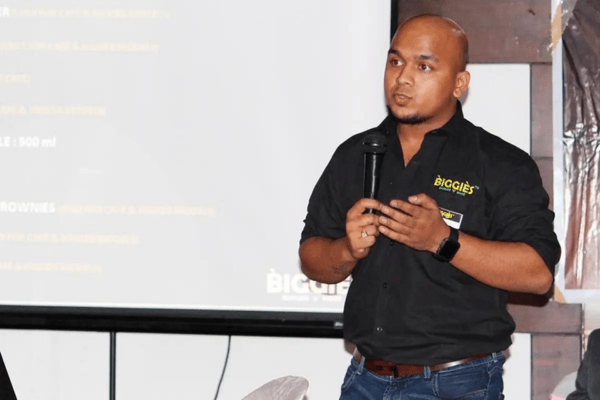
Biggies Burger, India’s homegrown burger chain, secured pre-Series A funding, valuing the brand at INR 210 crore. This investment reflects the brand’s rapid ascent and supports its ambitious expansion plans.

The funds will strengthen Biggies Burger’s team and boost its marketing efforts. The brand is on a robust growth path with 130 operational stores and a commitment for an additional 160. In just 26 months, Biggies Burger increased its store count from 37 in October 2021 to 130 in December 2023, achieving an impressive annualized revenue run rate of INR 103 crore.

“We are incredibly excited to leverage these resources to further strengthen our brand, build an even more compelling customer experience and accelerate our expansion plans. Our vision is to be the go-to burger destination for every Indian, and this pre-series A round brings us one step closer to achieving that dream,” said Biraja Rout, founder of Biggies Burger.

In 2011, Biggies Burger was established in Bengaluru, pioneering grilled burgers for Indian consumers. It started as India’s first homegrown chain competing with American counterparts, introducing authentic grilled burgers to the Indian market. Known for continuous innovation, the chain later introduced localized menus, expanding across India and becoming a popular model in QSR franchising. This approach enabled QSR business enthusiasts to enter tier-I cities and tier-II and III cities. Recently, Biggies Burger secured seed round funding for its expansion across tier II and III cities.

D2C luggage brand Mokobara raises $12 million in funding 

0
Mokobara founders Sangeet Agrawal (left) and Navin Parwal

Internet-first direct-to-consumer luggage brand Mokobara has secured $12 million (Rs 100 crore) in a funding round led by Peak XV Partners (formerly Sequoia Capital India) at a valuation of $80 million post-money.

Existing backers like Sauce VC and Saama Capital also joined the Series B funding round. Bengaluru-based Mokobara disclosed this information in regulatory filings submitted to the Registrar of Companies (RoC).

According to RoC filings, Mokobara received approximately $9.4 million of the $12 million raised from Peak XV Partners.

Established in 2020 by former Urban Ladder executives Sangeet Agrawal and Navin Parwal, Mokobara specializes in luggage and travel accessories. Including this recent funding round, the brand has raised $20 million. In October 2023, Mokobara secured $3.6 million from Sauce VC and Saama Capital.

Mokobara’s cap table includes Varun Alagh, co-founder and CEO of Mamaearth, Ashish Goel, founder and CEO of Urban Ladder, and Ramakant Sharma, founder and COO of LivSpace.

The omnichannel retailer operates numerous stores across Bengaluru, Delhi, Mumbai, and Pune. In November 2023, the company announced plans to open 25 more stores by April.

Operating in the mid-premium segment, Mokobara faces competition from established brands like American Tourister and emerging startups like Nasher Miles.

As per an August 2023 research note by Crisil, India’s luggage industry revenue is expected to increase by approximately 15% yearly in the current fiscal year. This growth, despite a high base effect of 40% in the previous fiscal year, is attributed to the increasing adoption of hard luggage from the organized sector and the sustained expansion in tourism and corporate travel.

Mokobara’s fundraising aligns with a trend where risk capital investors shift focus from technology companies to consumer brands. This shift is driven by the notable valuations seen in technology startups.

Goldman Sachs, Mubadala sign $1 billion partnership for private credit in Asia-Pacific

0

Goldman Sachs (GS.N) and Abu Dhabi’s sovereign wealth fund Mubadala announced a $1 billion deal on Monday. They have agreed to co-invest in private credit across the Asia Pacific through a separately managed account.

Both companies will collaborate in various Asia Pacific markets in this partnership, explicitly focusing on India. The deal highlights their commitment to investing in private credit opportunities in the region.

“Some of the investors might be underpenetrated across private credit in general, and they are looking at getting more exposure across this asset class,” James Reynolds, the head of direct lending at Goldman’s money management unit, said in an interview. “That’s where partnering with these powerful institutions creates a win-win.”

Over the last five years, the private credit market, valued at $1.7 trillion, has more than doubled in size. Investors have been drawn to this asset class due to its potential for higher returns. It has evolved into a consistent investment category for pension funds, endowments, and sovereign wealth funds, emerging as a significant funding source for companies and private equity firms.

For years, investors in the Middle East exhibited limited interest in private debt because of its low yields compared to their return objectives. However, a change in sentiment is underway, attributed to the recent increase in interest rates and the market’s overall expansion.

Mubadala and the Abu Dhabi Investment Authority have formed partnerships to enhance their market presence. Additionally, firms like Blue Owl Capital Inc. and Hayfin Capital Management are expanding in the region to attract more business.

While North America and Europe are saturated with numerous private credit firms lending directly to companies, especially in leveraged buyouts, the Asian Pacific market is less developed. Goldman Sachs stands out as one of the significant private credit players actively expanding in the region. Som Krishna is crucial in overseeing the asset management unit’s credit business in Asia.

“What these markets need is a blossoming, growing private equity industry,” Reynolds said. “We want to partner up with investors who want to have Asia exposure, and they want to go with a platform that has experience and track record.”

There has been a notable increase in private credit collaborations in the Middle East over the past year. Barclays is actively working on a partnership with AGL Credit Management, with initial capital support from the Abu Dhabi Investment Authority. Meanwhile, Mubadala has finalized agreements with Ares Management Corp. and Blue Owl.

Mubadala, boasting approximately $300 billion in assets under management and ranking among Abu Dhabi’s three primary sovereign wealth funds, aims to double its presence in Asia by 2030. This strategic move is geared towards leveraging faster-growing economies and enhancing the diversification of its investment portfolio.

Goldman Sachs manages around $110 billion in private credit assets and plans to double this figure in the coming years. To achieve this target, the firm has appointed Greg Olafson as its new global head of private credit and promoted Reynolds to his current role. This strategic move reflects the firm’s commitment to expanding its footprint in the private credit market.

“The diverse and rapidly growing economies, as well as the increasing private-equity deal volumes, are significantly driving demand in Asia Pacific for customized credit solutions from non-traditional lenders,” Omar Eraiqat, deputy CEO, Diversified Investments at Mubadala, said in a statement.

GRT Hotels & Resorts launches Grand Vijayawada by GRT Hotels 

0

GRT Hotels & Resorts has unveiled Grand Vijayawada, its second property in Andhra Pradesh. It marks the third ‘Grand by GRT Hotels,’ alongside existing properties in Chennai and Kakinada. Grand Vijayawada is the 20th operational property under GRT Hotels & Resorts.

“We are delighted to unveil Grand Vijayawada by GRT Hotels, our second property in the dynamic landscape of Andhra Pradesh. This full-service upscale hotel with fresh aesthetics, refined elegance, and contemporary amenities will appeal to business and leisure travellers alike. We are thrilled to welcome our guests by offering them an immersive hospitality experience and indulging them in the unique cultural tapestry of Vijayawada. This exquisite addition reflects our commitment to crafting unparalleled hospitality experiences across a diverse portfolio, spanning from business-class accommodations to leisure properties and international franchises,” said Vikram Cotah, CEO, GRT Hotels & Resorts.

Situated centrally in the city, the hotel serves as a gateway to various pilgrimage centers, heritage sites, business hubs, and leisure spots, offering comprehensive experiences for visitors to the region. Major attractions like Kanaka Durga Temple, Undavalli Caves, Kondapalli Fort, Dhyana Buddha, and Kolleru Bird Sanctuary are conveniently located nearby.

Grand Vijayawada by GRT features 104 thoughtfully designed rooms, including business class rooms, Grand Club Rooms, Grand Club City View, Grand Club River View, and luxurious deluxe suites. The well-appointed accommodations seamlessly blend contemporary design with unparalleled comfort, offering modern amenities to cater to the needs of travelers.

Trust Fintech raises Rs 5.42-Cr in pre-IPO round 

0

Trust Fintech Ltd, a software solutions provider, announced it raised Rs 5.42 crore in a pre-IPO funding round. The company recently filed preliminary papers for its upcoming IPO, with shares expected to be listed on NSE Emerge in March. 

The IPO comprises a fresh issue of 62,82,000 equity shares. 

Notable investors in the funding round include Tejas Goenka of Tally Solutions, Nitin Sathawane from Mphasis Canada, Ramnath Raikar, the former Treasury Head at HDFC Bank, and Sameer Gupte, MD at NSDL Data Management Ltd.

Trust Fintech Ltd, based in Nagpur, specializes in providing core banking SaaS products and fintech software solutions. Their offerings include ERP implementation, customized software solution development, SAP B1, and offshore IT services for the BFSI sector. 

The company plans to utilize the proceeds from the IPO for various purposes, including establishing a new development facility at Mihan SEZ in Nagpur and funding global and domestic business development, as outlined in the Draft Red Herring Prospectus (DRHP). 

Corporate Capital Ventures Pvt Ltd is the book-running lead manager to the issue. Bigshare Services Pvt Ltd is the registrar for the issue.

During the first half of the current fiscal year, the company achieved a total revenue of Rs 18.83 crore and recorded a profit of Rs 7.27 crore.