Monday, August 10, 2026
Home Blog Page 194

Kamat Hotels launches The Orchid Passaros in Goa

0
Vishal Kamat, Director of Kamat Hotels India Ltd.

Kamat Hotels India has introduced The Orchid Passaros – Goa, a boutique luxury retreat designed to redefine tropical escapes with a focus on refined comfort and relaxation.

Located just minutes from the serene Benaulim beach in South Goa, the all-suite, eco-friendly property offers guests a stay centered on meaningful connections and effortless indulgence, according to the company’s announcement.

Vishal Kamat, director of Kamat Hotels India Ltd., said, “In a world that moves too fast, we wanted to create a space that gently invites you to slow down, not just in pace but in spirit. The Orchid Passaros is not about escaping life, it is about returning to it with greater presence and clarity. Every corner speaks the language of calm, and every detail is thoughtfully placed to remind you that true luxury lies in being fully present. At Passaros, nature, art and luxury come together in quiet harmony to offer something truly rare, not just a stay but a soulful pause.”

The Orchid Passaros – Goa features 58 thoughtfully designed rooms that embody a calm, sophisticated ambiance. Each suite serves as a tribute to Goa’s natural beauty, combining handcrafted décor, rainforest-inspired tones, and modern finishes. Warm wood accents, curated murals, and rich textures give the interiors a unique, understated luxury. Select suites open into private gardens with cozy lounge pods, while others boast rooftop sanctuaries with stargazing ceilings. From terrace jacuzzis to serene reading nooks, every space is crafted to encourage relaxation and a deeper sense of presence.

The dining experience at The Orchid Passaros – Goa is just as thoughtfully curated as its accommodations. The resort’s signature restaurant and bar, Tipsy Sparrow, stays open late into the night, offering an inviting setting for leisurely meals, heartfelt conversations, and relaxed late-night drinks. It serves as a vibrant yet cozy space where guests can unwind and savor the moment at their own pace.

Beyond its elegantly designed suites, The Orchid Passaros – Goa offers a range of immersive experiences tailored for couples. Splash, the resort’s pool and bar, provides a laid-back setting for refreshing swims and handcrafted cocktails. For deeper relaxation, the Feather Touch Couple Spa offers calming therapies in a serene atmosphere. Meanwhile, the Pebble Walk winds through peaceful, landscaped paths—perfect for quiet strolls and spontaneous, meaningful conversations amidst nature.

Petjio World eyes $1.5M seed round to expand pet care platform

0

Pet care startup Petjio World is currently pursuing its first institutional funding round, aiming to raise $1.5 million. Company executives revealed that discussions are underway with venture capital firms like Capria Ventures, along with several family offices based in India, the UAE, and the US.

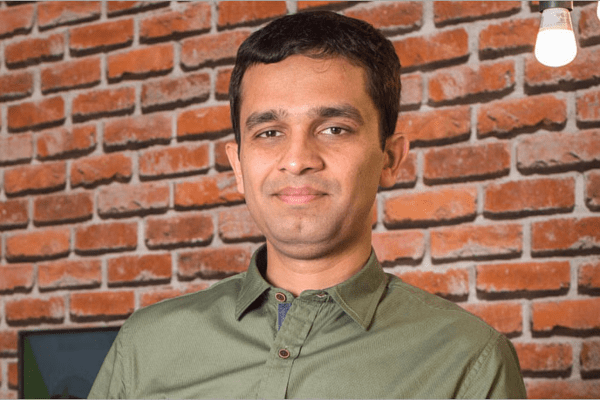
Founder Pratik Sen said the digital-first pet care platform is “a curated marketplace that combines services providers across boarding, grooming, training, vet consultations and adoption”.

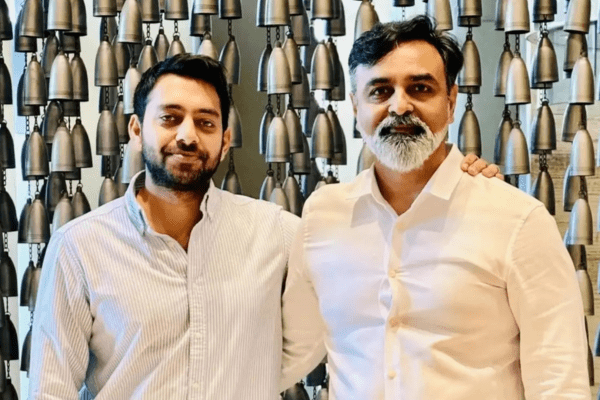
Petjio World is strategically focusing on India’s tier-2 markets, where demand for quality pet care is on the rise, yet supply remains fragmented and inadequate. The startup aims to bridge this gap with its platform-driven approach. Petjio was co-founded by Satyajit Sen, former CEO of Zenith Optimedia, along with Dipankar Dey and Suvendu Das, who bring diverse expertise to support the company’s mission of redefining pet wellness and care in underserved regions.

“Our fundraising will support platform development, on-ground operations, marketing, and building a quality-first service network across cities,” Sen added.

India’s pet care market is currently valued at $3.5 billion and is projected to double to $7 billion by 2028, according to a report by Redseer Strategy Consultants. The surge is driven by rising pet ownership and a growing preference for premium, health-focused pet care products and services. The number of pets in Indian households has climbed significantly—from 26 million in 2019 to 32 million in 2024.

Key players in this fast-expanding sector include established brands and emerging platforms such as Pedigree, Purina, Supertails, Royal Canin, Petjio, Heads Up For Tails, and Drools.

“A significant trend driving the market is premiumisation… this is set to be a key driver of future market growth. While the majority of pet care spending in India remains through offline channels—such as veterinary clinics, retail pet stores and grooming centers—there is a growing trend towards digital channels for petcare,” the report added.

The report highlights that subscription-based services—offering regular delivery of pet food, grooming supplies, and healthcare products—are gaining strong traction, especially among urban consumers who prioritize convenience. This trend reflects a broader shift toward personalized and hassle-free pet care solutions, aligning with the evolving lifestyles of modern pet owners.

Hugging Face launches affordable 3D-printed robotic arm starting at $100

0
Clement Delangue,Co-founder & CEO, Hugging Face

Hugging Face, widely recognized for its AI developer platform, has introduced a new programmable, 3D-printable robotic arm capable of performing basic tasks such as picking up and placing objects.

Named the SO-101, this model is the successor to last year’s SO-100, which launched at an affordable price point of around $100. The SO-101 was developed by Hugging Face’s robotics division, LeRobot, in collaboration with French robotics company The Robot Studio. The project also involved partnerships with robotics retailer WowRobo, IoT hardware provider Seeed Studio, and component supplier PartaBot.

The SO-101, priced similarly to its predecessor at $100, offers several key upgrades over the SO-100. It boasts a quicker assembly process and enhanced motors that minimize friction while enabling the arm to support its own weight more effectively. A built-in camera adds to its functionality, allowing the arm to be trained using reinforcement learning—a type of AI that helps it “learn” how to carry out tasks such as picking up Lego blocks and placing them into bins.

To clarify, the SO-101 robotic arm starts at a base price of $100, but final costs can range up to $500 depending on the supplier, build options, and added premiums such as full assembly and U.S. import tariffs on Chinese components.

Hugging Face is significantly ramping up its robotics ambitions. The company recently acquired French robotics startup Pollen Robotics for an undisclosed sum. With former Tesla Optimus engineer Remi Cadene now leading its robotics division, Hugging Face plans to commercialize Pollen’s humanoid robot, Reachy 2. In line with its open-source ethos, the company will also make Reachy 2’s code available for developers to download, test, and improve.

Metafin secures $10M Series A funding led by Vertex Ventures SEAI

0
L-R: Aditya Shah and Sandeep Chopra, Co-founders, Metafin

Solar financing platform Metafin has raised $10 million in a Series A funding round led by Vertex Ventures Southeast Asia and India. The round, comprising both equity and debt, also saw participation from existing investors Prime Venture Partners and Varanium Capital, along with financial institutions such as Northern Arc and AU Small Finance Bank. According to Co-founder Aditya Shah, the majority of the capital raised is in equity, with a smaller debt portion.

Founded by Aditya Shah and Sandeep Chopra, the company blends financial innovation with technology to bridge the energy gap in underserved regions. With a proprietary IoT-based tech stack that enables real-time monitoring and remote control of solar installations, Metafin ensures operational efficiency and payment compliance. Under the leadership of Shah and Chopra, the company has rapidly scaled its operations, financing solar projects across thousands of villages and contributing to India’s green energy transition.

Metafin plans to use most of the funds as growth capital to expand its portfolio from approximately 3,500 to 10,000 solar installations over the next 12 to 18 months. A portion of the investment will also go toward strengthening its senior leadership team and enhancing its proprietary technology stack.

Currently, Metafin’s IoT-based tech system monitors over 1,100 plants every two seconds, providing real-time data on energy consumption and system performance. The platform also has remote control capabilities, including shutting down installations in case of payment defaults.

Metafin plans to leverage the newly raised funds to develop an advanced data mining system aimed at improving its risk management capabilities, reducing reliance on traditional methods like physical visits. The company primarily serves micro, small, and medium enterprises (MSMEs) and rural households across India. So far, it has financed solar projects in over 2,500 villages in Uttar Pradesh and Bihar.

Currently, Uttar Pradesh contributes approximately 80–85% of Metafin’s revenue, while Bihar accounts for around 10–12%. The company is set to expand into five additional states by the end of the year, targeting underpenetrated regions with high solar energy potential such as Chhattisgarh, Jharkhand, Odisha, and Madhya Pradesh.

Metafin achieved profitability in FY24 and aims to maintain this trajectory in FY25. The company has recorded a 4X increase in annual revenue and plans to triple that figure in the coming year while staying profitable.

“This raise marks a pivotal moment in our journey to democratise clean energy access across Bharat,” said Chopra and Shah in a statement.

They added, “We’ve proven that solar lending in rural India is not only impactful but also scalable and profitable. We’re thrilled to welcome Vertex as a partner in this mission as we deepen our presence, delight more customers, and move closer to our vision of empowering 1 million rural solar users by 2030.”

Backed by leading investors including Vertex Ventures Southeast Asia and India, Metafin is well-positioned to accelerate its mission of democratizing access to solar energy in rural and underserved markets. With fresh capital, a strong leadership team, and a technology-first approach, the company aims to deepen its impact, expand across new geographies, and set new benchmarks in solar financing and energy inclusion.

Experion Developers to invest ₹2,000-Cr in new residential project in Gurugram

0

Experion Developers is set to invest over ₹2,000 crore in a luxury residential project in Gurugram as part of its growth strategy, according to CEO Nagaraju Routhu. The project, named ‘The Trillion’, will feature 540 high-end apartments and will be developed in Sector 48, Gurugram.

“The total investment to develop this 5.5-acre project will be more than Rs 2,000 crore,” Routhu said.

Experion Developers plans to begin construction on its luxury housing project, The Trillion, in Gurugram soon, with completion expected over the next 5–7 years, according to CEO Nagaraju Routhu. He noted that demand in the Gurugram market remains strong.

In the first phase, around 180 apartments will be launched for sale, priced between ₹6–8 crore.

The company has already delivered nine projects across Delhi-NCR, Amritsar, and Lucknow, with two more residential developments underway in Noida and Gurugram.

Experion Developers is a fully FDI-funded real estate firm and a wholly-owned subsidiary of Experion Holdings PTE Ltd, Singapore. It operates under the umbrella of AT Capital Group, a Singapore-based conglomerate with global investments across real estate, renewable energy, structured credit, and public markets. In India, AT Capital also manages Juniper Green Energy and Experion Capital, an NBFC focused on real estate and infrastructure financing.

With a ₹2,000+ crore investment in its new luxury project The Trillion in Gurugram, Experion Developers is reinforcing its commitment to India’s premium real estate market. Backed by strong demand and a solid track record across key cities, the company is strategically expanding its footprint under the global umbrella of AT Capital Group. As construction begins and high-value units enter the market, Experion is poised to further strengthen its presence in the fast-growing Gurugram housing sector.

Treebo Hospitality opens hotel in Zirakpur to strengthen north India portfolio

0
Sidharth Gupta, Co-founder & CEO of THV

Treebo Hospitality Ventures (THV) has announced the launch of Medalio Boutique Chandigarh Zirakpur, marking the third property under its premium mid-market brand, Medalio.

Strategically situated near Chandigarh’s bustling Airport Road with convenient access to key commercial and leisure hubs, the new hotel strengthens THV’s position in the mid-market space and underscores its dedication to offering affordable luxury to today’s travelers, according to a company statement.

Commenting on the launch, Sidharth Gupta, co-founder & CEO of THV, said,”As the hospitality landscape evolves, travellers are seeking spaces that offer both sophistication and functionality. Medalio Boutique Chandigarh Zirakpur is a testament to our vision of blending world-class amenities with personalised experiences in emerging markets. This property is not just a place to stay; it is an experience designed to resonate with the modern professional, offering a perfect balance of comfort, connectivity, and style for those who appreciate the finer things in life.”

Positioned as a modern boutique hotel, Medalio Boutique Chandigarh Zirakpur delivers a carefully crafted stay experience that combines contemporary style with practical comfort. The property houses 25 well-designed rooms aimed at providing guests with a relaxing and memorable visit. Enhancing the guest experience is ‘The Rising Forks’, the hotel’s lively multicuisine restaurant, where visitors can enjoy a wide range of regional and international dishes in a “refined and inviting atmosphere.” The hotel also features ‘ToastRoom’, described as “an elegant banquet space ideal for hosting celebrations, offsites, or conferences.”

Ideally situated near Chandigarh’s lively Airport Road, Medalio Boutique Chandigarh provides convenient access to major landmarks including Elante Mall, Chhatbir Zoo, Mohali’s industrial and IT hubs, as well as prominent dining and shopping areas. Its strategic location makes it a perfect option for both business and leisure travelers visiting the tri-city region.

With the launch of Medalio Boutique Chandigarh Zirakpur, Treebo Hospitality Ventures continues to strengthen its foothold in North India’s mid-market hospitality segment. The new property reflects the brand’s focus on delivering stylish, comfortable, and affordable stays for both business and leisure travelers. Backed by modern amenities, a prime location, and a thoughtfully designed guest experience, Treebo’s latest addition reinforces its commitment to expanding premium offerings under the Medalio brand across key Indian markets.

Early cancer detection startup Craif secures $22M in funding round

0
Ryuichi Onos, CEO, Craif

Craif, a startup spun out of Nagoya University in Japan in 2018, is developing an AI-driven early cancer detection platform using microRNA (miRNA) technology. The company has raised $22 million in a Series C funding round to fuel its expansion into the U.S. market and enhance its research and development capabilities.

In an interview, Craif co-founder and CEO Ryuichi Onose revealed that the round closed with the company valued at just under $100 million.

Cancer remains one of the top causes of death globally. The National Cancer Institute reported nearly 20 million new cases and 9.7 million cancer-related deaths in 2022, with projections estimating that figure will rise to 29.9 million new cases by 2040.

X&KSK, an existing investor, led Craif’s latest funding round, which brings the startup’s total capital raised to $57 million. Other participants included U.S.-based Unreasonable Group—making its first investment in a Japanese startup—along with TAUNS Laboratories, Daiwa House Industry, and Aozora Bank Group.

Craif’s mission is deeply personal for co-founder and CEO Ryuichi Onose, whose motivation stems from seeing both his grandparents diagnosed with cancer. These experiences sparked a determination to tackle the disease. Just a month after meeting, Onose and Takao Yasui, an associate professor at Nagoya University, co-founded Craif. Yasui had developed a novel method for early cancer detection using urinary biomarkers, which now underpins the company’s technology.

Early detection of treatable conditions remains a challenge, as traditional diagnostic tools like blood tests can be invasive—discouraging some individuals from undergoing regular screenings, Onose explained. He also noted that in many regions, limited access to healthcare facilities further complicates timely cancer testing.

Craif seeks to close these gaps with its non-invasive, urine-based testing solution, designed to detect cancer at very early stages, including Stage 1.

“The test can be conducted from the comfort of a patient’s home and is powered by advanced microRNA analysis, making early detection more accessible and effective,” Onose said. “Our users are health-conscious individuals who are concerned about cancer but find it challenging to commit to conventional screenings due to time, cost and accessibility constraints.”

Craif sets itself apart by leveraging microRNA as a biomarker, rather than the more commonly used cell-free DNA (cfDNA) adopted by many competitors. Additionally, the company’s approach focuses on urine-based testing, offering a non-invasive alternative to traditional methods.

“miRNA, which gained heightened recognition after being linked to the 2024 Nobel Prize, is known for its deep involvement in cancer biology even at the earliest stages,” Onose explained. “Unlike cfDNA, miRNA is proactively secreted by early cancer cells, making it particularly suitable for early cancer detection.”

Another distinctive feature of Craif’s product is its use of urine as a sample. Onose highlighted that urine is easy to collect and non-invasive, offering significant scientific and practical advantages. It contains fewer impurities compared to other sample types, resulting in clearer biomarker signals, which helps reduce measurement errors, such as those caused by hemolysis in blood samples, while also lowering the cost of testing.

Craif’s first product, miSignal, detects the risk of seven types of cancer (pancreatic, colorectal, lung, stomach, esophageal, breast, and ovarian) by analyzing urinary miRNA. The test is already generating revenue in Japan and is distributed through a variety of channels, including clinics, pharmacies, direct-to-consumer sales, and corporate wellness programs, providing multiple revenue streams with potential for future expansion, as stated by the CEO.

“We are partnered with over 1000 medical institutions and about 600 pharmacies in Japan, serving about 20,000 users. Our team consists of 73 dedicated employees,” Onose said.

Craif plans to expand miSignal to detect ten different types of cancer this year. The startup is also preparing to leverage its technology for the early detection of non-cancerous diseases, including neurodegenerative disorders such as dementia.

With an R&D lab in Irvine, California, Craif is set to open another office in San Diego to manage its business operations.

The new funding will support Craif’s entry into the U.S. market with its microRNA-based early cancer detection test, with trials scheduled to be completed around 2029 and plans to file for FDA approval.

Craif has already begun collecting pancreatic cancer samples in partnership with 30 medical institutions across 15 U.S. states.

Perfios acquires healthcare information exchange platform IHX

0
Sabyasachi Goswami, CEO, Perfios

Perfios, a B2B SaaS fintech firm, has acquired Bengaluru-based healthcare information exchange IHX as part of its strategic move to enter the health insurance claims space and enhance its technology offerings.

This marks the company’s third acquisition in just three months, underscoring its ongoing efforts to strengthen its presence across the banking, financial services, and insurance (BFSI) industry.

Though the financial details of the deal were not revealed, CEO Sabyasachi Goswami referred to the acquisition as a significant milestone in Perfios’ long-term healthcare strategy.

With backing from Warburg Pincus and Kedaara Capital, Perfios aims to combine its data intelligence and analytics strengths with IHX’s platform to accelerate claims processing, boost operational transparency, and enable real-time decision-making for hospitals, insurers, and patients. The company also plans to leverage IHX’s network of 30,000 hospitals and 30 insurers. According to the CEO, internal trials suggest that Perfios’ proprietary AI models have the potential to drastically cut down claim processing time.

“What traditionally took a couple of hours will come down to under ten minutes — and in some cases, even four minutes — once the models are fully deployed,” he said. “The goal is near real-time processing, where hospitals, insurers, and patients can all access updates simultaneously.”

As healthcare demand grows and claim volumes rise, Goswami said faster claim settlement would become critical for the ecosystem. “Ultimately, the objective is to make healthcare access frictionless, even for the last person standing in the most remote parts of India.”

Founded in 2020, IHX offers a comprehensive suite of services, including claims management, in-patient and out-patient handling, marketing and inventory tools, and revenue cycle management for hospitals. The company claims it processes over 40% of India’s cashless health insurance claims—handling more than 10 million transactions annually, with a total claims value of $1 billion.

Its platform connects 30,000 hospitals in over 1,200 locations with more than 30 insurers, including notable names like Reliance Hospital, DY Patil Hospital, MGM Healthcare, and Jaslok Hospital.

According to Tracxn, IHX has raised around $2.58 million from investors such as LogX Venture Partners and Quik Solutions, and was valued at over $45 million in 2023. For the fiscal year ending March 31, 2024, the company reported revenue of ₹14.8 crore. Managing Director Mahesh Nagaraj stated that the partnership with Perfios will help scale IHX’s network and leverage Perfios’ technology and resources for accelerated growth.

Perfios CEO Sabyasachi Goswami confirmed that IHX will continue to operate independently, retaining its brand and leadership—consistent with how previous acquisitions have been managed.

Perfios’ acquisition of IHX comes on the heels of two earlier 2025 deals—Clari5, a banking fraud detection platform, and CreditNirvana, which focuses on AI-powered debt collections and recovery.

Previously, in 2022, Perfios had acquired Karza Technologies, a SaaS-based RegTech company, along with FintechLabs Technologies, a digital lending software provider based in Noida. In 2023, the company acqui-hired Fego.ai, a Chennai-based startup specializing in behavioral financial insights.

With the addition of IHX, Perfios has now completed five strategic acquisitions and one acqui-hire since 2022, as part of its effort to expand its reach across the BFSI and fintech ecosystem.

Goswami emphasized that although BFSI remains the company’s primary focus, Perfios has always identified as a “TechFin” rather than a traditional fintech company.

“Our DNA has always been tech-first. We design solutions to be industry-agnostic and geography-agnostic,” he said. “While BFSI is our focus, our tech stack is flexible enough to support adjacent sectors like healthcare.”

Perfios currently operates in 18 countries and is continuing to grow its international presence. According to Goswami, international revenues are contributing a high double-digit share—potentially approaching 20%—though the company does not have a fixed target for geographic revenue split.

“Our priority is to build strong market presence and dominance wherever we operate,” he said.

The company continues to post strong financial results, with revenue rising 37% year-on-year to ₹558 crore in FY24, up from ₹407 crore in FY23. Net profit jumped significantly to ₹72 crore in FY24, a 9.2x increase.

Founded in 2008, Perfios has seen rapid growth in recent years, reaching a $1 billion valuation in 2024 after an $80 million investment from Teachers’ Venture Growth. This brought its total funding to $435.1 million, including a previous $229 million round led by Kedaara Capital.

Looking ahead, Goswami said the company is focused on launching new product lines and is making major investments in AI-driven solutions, fraud detection systems, and consent management tools to address the rising demand for data privacy and regulatory compliance.

“This is the time to invest in product innovation, just like we did during the pandemic, which positioned us strongly afterward,” he said.


Zepto secures ₹1,500-Cr structured debt from Edelweiss to boost Indian ownership

0
(L-R) Founders Kaivalya Vohra and Aadit Palicha, Zepto

Zepto founders Aadit Palicha and Kaivalya Vohra are reportedly in advanced discussions with Edelweiss Alternative Asset Advisors, several domestic family offices, and smaller credit funds to secure a structured debt deal worth approximately ₹1,500 crore (over $175 million), according to sources familiar with the matter.

The purpose of the funding is to repurchase shares from existing foreign investors, allowing the quick commerce firm to boost Indian ownership ahead of its anticipated IPO.

Sources said Edelweiss has already submitted a binding offer. The loan is expected to carry a minimum interest rate of 16%, with an equity-linked component that could raise total returns to around 18%.

The transaction is said to be taking place at a valuation of nearly $5 billion—the same valuation Zepto received during its last equity funding round.

The transaction, with a tenure of three years, is expected to close by July and will see Edelweiss underwriting the bulk of the loan. “Edelweiss has given a binding term sheet and will anchor the raise by committing half of the amount,” said a person with knowledge of the matter. “The remaining Rs 750 crore is being raised from family offices and smaller credit funds, who are expected to come in on the same terms.”

According to a source, investors could earn up to an 18% return depending on Zepto’s IPO valuation.

An Edelweiss spokesperson declined to comment, while Zepto did not respond to inquiries.

The structured financing at the promoter level is expected to help Zepto’s founders increase their ownership stake from the current 18% to approximately 20%, said another person familiar with the discussions.

Once the deal is completed, Zepto’s overall domestic shareholding could rise to over 30%, according to a source. The startup’s major investors include Nexus Venture Partners, Y Combinator, and General Catalyst.

This move is part of the founders’ strategy to align with India’s foreign direct investment (FDI) rules for ecommerce. These regulations prohibit foreign investment in inventory-led ecommerce models, allowing it only in marketplace formats. To operate legally as an inventory-led business, companies must qualify as Indian Owned and Controlled Companies (IOCCs), meaning they need to have more than 50% Indian ownership and control—something that could also be key for obtaining regulatory approvals and proceeding with an IPO.

On April 19, Eternal—the listed parent company of food and grocery delivery platform Zomato—informed stock exchanges that its board had approved a proposal to limit foreign ownership in the company to 49.5%. The decision is intended to give “greater operational flexibility” to its quick commerce arm Blinkit by enabling it to hold inventory, instead of functioning strictly as a marketplace, in line with India’s foreign investment regulations.

The Zepto deal “is classic promoter financing—a high-yield debt deal with embedded equity upside,” said one of the sources mentioned earlier. However, pledging promoter equity as security is an uncommon practice among Indian new-age tech startups, particularly those with significant cash burn, the people added.

Zepto received approval from the National Company Law Tribunal (NCLT) on January 9 to merge its Singapore-based parent, Kiranakart, with its Indian arm, Kiranakart Technologies, simplifying its corporate structure. Regulatory filings show that Kiranakart Technologies has since been renamed Zepto Pvt Ltd to better reflect the company’s consumer-facing brand. This restructuring is part of a broader trend of reverse flips among Indian startups preparing to access domestic capital markets.

In a separate development, Zepto is in the final stages of closing a $250-million secondary transaction involving private equity firms such as Motilal Oswal Financial Services. This secondary sale aims to boost Indian ownership and streamline the company’s cap table ahead of its planned IPO, according to a person familiar with the matter.

Currently, Palicha, Vohra, and the employee stock ownership (Esop) pool collectively hold about 28% of Zepto, according to sources. The company is targeting an additional 8-10% increase in Indian shareholding through these transactions before filing for its IPO.

This effort to boost domestic ownership comes amid growing regulatory and investor scrutiny of quick commerce firms like Zepto, particularly regarding their business models and profitability.

In a recent LinkedIn post, Palicha shared that Zepto is approaching $4 billion in annualised gross order value (GOV), with around 300% year-on-year growth and approximately 30% sequential growth since January. He also highlighted a 50% reduction in EBITDA losses (excluding Esop costs) and operating cash flow burn over the past three months, noting that the company is aiming to reach break-even on both metrics in the near future.

Cars24 Layoffs: 200 jobs cut as company reevaluates growth plans

0
Vikram Chopra, Co-founder and CEO, Cars24

Cars24, a top online platform for pre-owned vehicles, has let go of approximately 250 employees from its product and technology teams as part of a larger restructuring effort to enhance operational efficiency.

This move follows rising competitive pressure in the used-car industry, particularly as competitors like Spinny recently secured $131 million in funding from Accel’s Leadership Fund.

Confirming the development, Cars24 co-founder and CEO Vikram Chopra said, “This is a tough decision. Over the past few weeks, we’ve had to part ways with around 200 employees across various functions. We are deeply grateful for their contributions. The layoffs are not about performance, but about structure and the bets we placed.”

Chopra added, “We’ve learned that speed without clarity is expensive, and some projects and roles were added prematurely. Moving forward, we need to be more strategic and deliberate with our investments and team-building.”

According to media reports, the SoftBank-backed company provided standard severance packages to affected employees.

Cars24 continues to provide a comprehensive suite of automotive services, including the buying and selling of used cars, vehicle financing, insurance, driver-on-demand, FASTag services, challan management, and vehicle scrapping. In December 2021, the company raised $450 million from prominent investors like SoftBank, Tencent, DST Global, and Alpha Wave.

While financial results for FY25 are yet to be released, Cars24 recorded a 25% rise in revenue in FY24, reaching ₹6,917 crore compared to ₹5,530 crore in FY23. Despite the revenue growth, the company posted a net loss of ₹498 crore and an adjusted EBITDA loss of ₹318 crore during the same fiscal year.

This update comes shortly after Cars24’s acquisition of the popular automotive forum Team-BHP, which will continue to function as an independent entity. The company also launched Fourdoor, a multi-brand car service platform, and introduced a ‘New Cars’ vertical offering AI-powered tools and home test drive services.