
Friday, May 8, 2026
Home Blog Page 138

HealthKois to launch $400 Mn fund for healthcare innovation

0
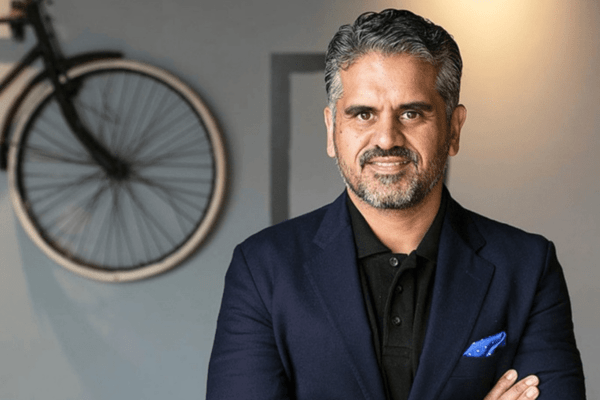
Charles Janssen, Managing Partner, HealthKois

Delhi-based growth-stage venture capital firm HealthKois plans to launch a $400 million fund to invest in India’s healthcare innovation. According to managing partner Charles Janssen, the fund will primarily focus on companies operating in AI-driven healthtech. Moreover, it will target opportunities in medtech, biopharma, healthcare delivery, and climate health, reflecting a comprehensive approach to advancing the healthcare sector.

“We have started raising this fund from LPs (limited partners). Our LPs are split between Asia, Europe, and the US,” Janssen said.

HealthKois is targeting its first close by the end of this year or early 2026. The firm plans to deploy the capital over the following four years, with individual investment amounts expected to range between $7 million and $25 million.

“We are looking at a $300 million fund with a green shoe option of another $100 million,” said Ajay Mahipal, partner at HealthKois. “We are looking at 13-16 portfolio companies in the HealthKois fund,” he said.

Building on the legacy of its predecessor funds, HealthQuad I and II—which backed companies such as Qure.AI, GoApptiv, and Cureskin—HealthKois now plans to allocate approximately 50% of its new fund to healthtech. Additionally, it aims to dedicate 10–15% of the capital to each of the biopharma, medtech, healthcare delivery, and climate health segments.

“The idea is to back early growth, Indian healthcare companies that use tech or innovative business models to address critical challenges in the healthcare system and solve for affordability, accessibility, and quality of care,” Mahipal said.

With its $400 million fund, HealthKois aims to strengthen India’s healthcare innovation ecosystem by backing innovative startups across key sectors. By prioritizing healthtech and strategically diversifying into biopharma, medtech, healthcare delivery, and climate health, the firm aims to actively shape the future of healthcare in the country.

Kamat Hotels: How Tradition, Technology, and Sustainability are Shaping the Future of Indian Hospitality

0
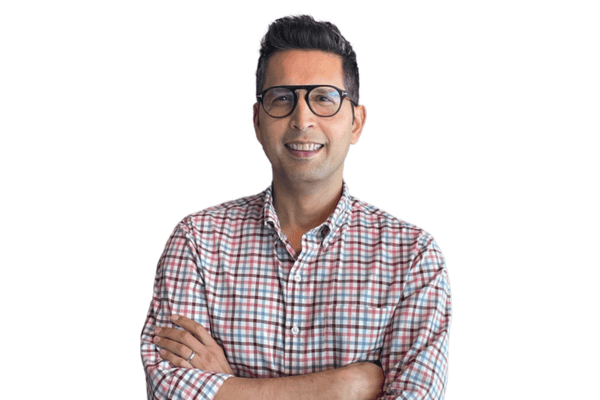
Vishal Kamat, Director at Kamat Hotels

For over 8 decades, the Kamat family has been a cornerstone of Indian hospitality—blending rich tradition with forward-thinking innovation. From humble beginnings as a chain of pure vegetarian South Indian restaurants to launching Asia’s first five-star Ecotel hotel, The Orchid, their journey reflects a remarkable vision anchored in culture, sustainability, and guest-centric experiences. In today’s dynamic hospitality landscape, where evolving traveler preferences and technological advances constantly reshape the industry, Kamat Hotels continues to lead by staying true to its core values. Their unique approach balances local heritage with modern efficiency, delivering experiences that resonate deeply with both domestic and global travelers.

In this exclusive Business Review Live interview, we dive into how Kamat Hotels is navigating the future of Indian hospitality—building strong teams, embracing eco-conscious practices, and crafting memorable stays that honor the soul of every destination. Discover the insights from the leadership driving this iconic brand forward in an increasingly competitive market.

1. Kamat Hotels has a rich legacy rooted in Indian hospitality. How did the vision of the company evolve from its inception to the brand it is today?

Kamat Hotels’ journey in Indian hospitality spans over eight decades, marked by steady growth and pioneering achievements. It all started with my grandfather, the Late Shri Venkatesh Kamat, who opened a chain of pure vegetarian South Indian restaurants — laying the foundation for a brand built on quality and service.

Over time, our offerings expanded to include both vegetarian and non-vegetarian dining. A major turning point came in the 1980s, when my father, Dr. Vithal Kamat, launched Santoor, our first non-vegetarian restaurant. This move broadened our culinary reach and customer base.

We soon ventured into family-friendly resorts across key regions including, Gujarat, Maharashtra, and Karnataka. These properties emphasized approachable hospitality rooted in local culture and comfort.

Another defining milestone arrived in the 1990s with the launch of The Orchid — Asia’s first five-star Ecotel hotel. This innovative concept, championed by my father, brought sustainable practices to the forefront of luxury hospitality. Today, The Orchid is a leading eco-conscious hotel brand, recognized across India for blending environmental responsibility with world-class service.

2. How do you maintain the brand’s heritage while staying relevant in a rapidly evolving hospitality market?

We adapt our offerings to suit each location, but the essence of the Kamat brand—our deep-rooted culture, warmth, and genuine hospitality—remains unchanged. This consistent service philosophy forms the backbone of our guest experience across all properties.

Each hotel or resort reflects the unique character and cultural identity of its region. For instance, our properties in Odisha highlight Odia heritage through design and décor, yet continue to deliver the hallmark Namaskar Hospitality Culture that defines every Kamat experience.

Similarly, Fort JadhavGADH in Pune immerses guests in the grandeur of Maratha history through curated cultural experiences, while maintaining the signature hospitality standards that connect all Kamat properties. By blending local authenticity with consistent service excellence, we ensure our legacy remains strong and relevant in today’s dynamic hospitality landscape.

3. Kamat Hotels is often associated with sustainable and culturally rooted hospitality. What do you believe sets your brand apart in a crowded market?

Sustainability has always been at the heart of Kamat Hotels—not as a trend, but as a way of life. While eco-friendly practices are now more common, we take pride in having pioneered many of them at The Orchid Hotel Mumbai, well before they became industry standards.

What makes us stand out is the seamless blend of environmental responsibility with heartfelt service. From our signature warm hospitality to the authentic culinary experiences we offer, every detail reflects our commitment to both people and the planet.

Our initiatives go beyond hotel walls. Whether it’s The Orchid Hotel Shimla creating a 250-foot wall from waste bottle caps or street and beach clean-up drives in Manali, Jamnagar, Nashik and Sambhajinagar, we lead with purpose and community involvement. This approach reinforces our belief that true luxury lies in experiences that are both memorable and meaningful.

4. What makes the Kamat Hotels guest experience uniquely Indian yet globally competitive?

At Kamat Hotels, we take a location-first approach—designing each property to reflect the cultural identity and needs of its surroundings. Instead of a standardized model, we offer thoughtfully priced and strategically positioned experiences that resonate with local flavor while maintaining high service standards.

What further elevates our offering is the smart integration of technology. Behind the scenes, we use tech to streamline operations, boost efficiency, and enhance the guest journey—often so seamlessly that guests simply enjoy a smoother, more personalized stay without noticing the systems at work. This balance of cultural authenticity and operational innovation is what keeps us globally competitive while staying proudly Indian.

5. How do you ensure consistency of service and quality across diverse locations, while also offering localized experiences?

Maintaining consistency while celebrating local uniqueness is a continuous effort. We invest heavily in training, development, and culture-building — an area my father and I are personally involved in. This strong cultural foundation ensures that every team member understands and upholds the Kamat brand ethos.

Operationally, we rely on a skilled and committed team. Standardized recipes, structured training programs, and hands-on mentorship help maintain uniform quality across properties. Regular audits and support systems ensure our service excellence remains intact, even as each hotel delivers a distinct, locally inspired experience.

6. What have been the most challenging phases in scaling Kamat Hotels, especially across diverse regions and customer profiles?

One of the most persistent challenges in scaling has been human resource management — a common hurdle across the hospitality industry. At Kamat Hotels, we believe in nurturing potential over formal qualifications. Many of our team members come from humble backgrounds, and through focused training and mentorship, we empower them to grow into capable leaders.

We’re also proud to be an inclusive workplace. Our team includes individuals with special disabilities who contribute meaningfully to daily operations and enrich our culture. This people-first approach not only strengthens our workforce but also reinforces our core values as we expand across varied markets and guest segments.

7. What key trends are currently shaping the Indian hospitality and tourism sector, and how is Kamat Hotels positioned to capitalize on them?

Experiential travel is one of the most influential trends redefining Indian hospitality today. At Kamat Hotels, we’ve embraced this shift by curating stays that go beyond comfort to deliver authentic, memory-driven experiences.

Properties like Fort JadhavGADH, The Orchid Rishikesh, and Orchid Passaros in Goa offer immersive moments rooted in local culture and history. At Lotus Murud, guests are treated to more than just a beachfront view and fresh seafood — they enjoy traditional experiences like Ukdi che Modak made by village women and baked goods from wood-fired stoves. These sensory-rich, locally inspired elements create meaningful guest connections, helping us stand out in a market increasingly driven by authenticity and experience.

8. With changing traveler expectations, especially among millennials and Gen Z, how are you adapting your offerings to meet these evolving demands?

We’ve prioritized technology investments to meet the digital-first expectations of millennials and Gen Z travelers. Today’s guests seek convenience, autonomy, and seamless online experiences, from intuitive booking platforms with rich visuals to instant access to information.

Our tech integration extends beyond booking — we’ve enhanced multiple guest touchpoints to deliver smooth, personalized stays. A 24/7 central reservations system supports bookings across all Kamat Hotels, ensuring round-the-clock accessibility and assistance. These innovations are vital to staying competitive and connected with today’s fast-evolving traveler.

9. How do emerging technologies like AI, automation, or smart hospitality tools influence your business model and guest experience?

While AI and automation mainly enhance sales, distribution, and back-end processes, the heart of hospitality at Kamat Hotels remains deeply human. Personal interaction continues to define the guest experience.

Technological advances have improved payment speed and security, and strengthened our loyalty programs. For example, our Orchid Rewards Program boasts over 800,000 members, with repeat guests accounting for 32% of our business—highlighting the strong relationships we’ve cultivated through trusted service and thoughtful engagement.

10. Are there any upcoming tech initiatives—smart hospitality, AI-driven insights, or IoT adoption—that you’re excited about?

Staying forward-looking is essential in hospitality technology. While futuristic ideas like robot chefs remain distant due to cost and reliability, practical AI applications such as dishwashing robots are gaining traction. We expect many hotels to adopt these efficient solutions soon, enhancing operations without compromising service quality.

11. How do you envision Kamat Hotels contributing to the ‘Make in India’ or tourism-driven economic development narratives?

Kamat Hotels plays an active role in promoting India’s economic growth beyond hospitality. As former Chairman of CII Maharashtra, I engaged with a broad spectrum of industries—from major corporations to micro-entrepreneurs—supporting platforms that drive initiatives like Make in India and Grow in India.

We emphasize local sourcing across our operations, prioritizing products from nearby districts, Maharashtra, and throughout India. This commitment helps strengthen domestic businesses and fuels regional economic development through tourism and hospitality.

12. How do you see your role in shaping India’s tourism and hospitality narrative on a global scale?

Our priority is fostering robust growth within India rather than pursuing global expansion. We strongly believe in the “India story” and recognize immense opportunities right here at home.

With effective leadership at both central and state levels, businesses and citizens alike can benefit significantly. Our role is to collaborate and contribute toward strengthening the nation, its cities, and communities—building a resilient hospitality sector that showcases India’s potential to the world.

Meesho Mall expands personal care access with P&G, HUL & Himalaya

0

Meesho Mall has partnered with top FMCG giants—Procter & Gamble (P&G), Hindustan Unilever (HUL), and Himalaya—to broaden its personal care product range. This collaboration comes in response to the rising demand in India’s smaller cities.

Through this collaboration, Meesho users, especially in tier-2 and tier-3 cities, will gain access to popular brands such as Pampers, Whisper, Head & Shoulders, Pantene, and and Gillette (P&G); Ponds, Dove, Vaseline, Sunsilk, and Tresemme (HUL); and a variety of Himalaya products.

This strategic move aligns with the growing adoption of beauty and hygiene products as daily essentials beyond metropolitan areas. Consequently, Meesho is specifically aiming to address the surging demand for personal care brands in tier-2 and tier-3 markets with its expanded product assortment.

“Shoppers are turning to personal care brands for their everyday essentials — from face wash and lipstick to baby diapers and sanitary pads. Meesho Mall is uniquely positioned to meet this growing demand with a wide selection of reliable, high-quality brands,” said the company in a statement.

According to a recent report by brokerage firm CLSA, Meesho has impressively achieved a Gross Merchandise Value (GMV) run rate of $6.2 billion for FY25. Furthermore, this milestone highlights the company’s rapid growth in the e-commerce sector. Moreover, it has captured a significant 37% share of India’s e-commerce order volume.

With 4.9 million daily orders and 180 million monthly active users (MAUs), Meesho has now taken the lead in both order volume and user engagement. However, it still trails Amazon and Flipkart in overall GMV due to its lower average order value (AOV), which ranges between ₹315 and ₹350.

CLSA projects that Meesho will increase its share of India’s e-commerce market from 8.5% to 10% over the next six years. Strong traction in tier-2 and tier-3 cities, a capital-efficient business model, and a strong emphasis on affordability will fuel this growth.

The report estimates that Meesho’s GMV and revenue will grow at a compound annual growth rate (CAGR) of 26% over this period. This growth will be supported by deeper e-commerce penetration in non-metro regions.

The company is also preparing for a potential public listing later this year, eyeing a valuation of around $10 billion.

MiStay partners with HyperGuest to scale hourly hotel bookings

0
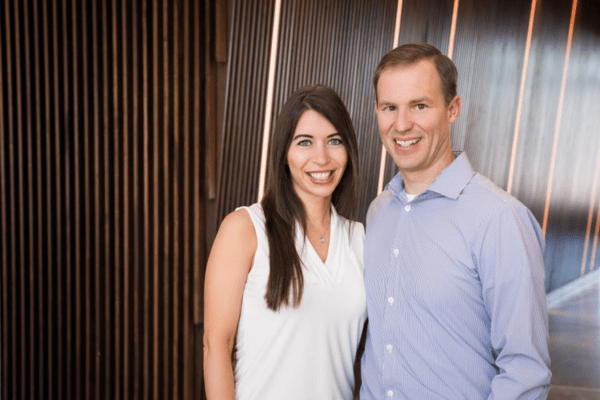
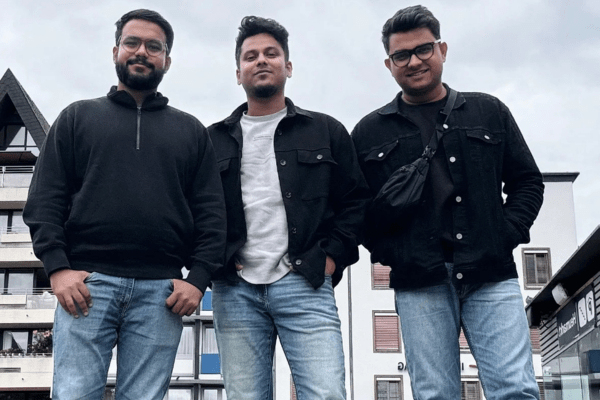
L-R: Pranav Prabhakar & Sandeep Jaiswal, Co-founders, MiStay

MiStay, a start-up offering hotel bookings by the hour, has teamed up with B2B hospitality distribution platform HyperGuest. This strategic collaboration will streamline operations by eliminating the need for multiple channel manager integrations. Consequently, it enables MiStay to efficiently scale its flexible hourly booking model through HyperGuest’s unified API.

Established in 2016, MiStay allows travelers to reserve rooms for specific time blocks with flexible check-in and check-out options. Moreover, the platform helps hotels optimize their revenue by enabling more efficient inventory management. Currently, MiStay partners with over 3,000 hotels across 90 cities in India, including prominent names such as Hyatt, Holiday Inn, and Lemon Tree.

“Our goal is to make distribution effortless for our hotel partners. Any property whose channel manager connects to HyperGuest now streams live inventory to MiStay automatically. The partnership removes friction and unlocks new hourly and day-use demand through the connection hotels already use,” said Sandeep Jaiswal, co-founder of MiStay.

By integrating with HyperGuest, MiStay gains access to a single, plug-and-play connection to over 150 channel managers and hotel tech providers globally, removing the need for individual integrations. Moreover, HyperGuest’s worldwide network of more than 40,000 hotels can now join the MiStay platform without the hassle of managing a separate extranet.

Prashant Menon, Director of Business Development at HyperGuest, said, “We are excited to welcome MiStay onboard with HyperGuest. The HyperGuest platform empowers travel buyers to connect with multiple hotel systems through a single API, streamlining access and distribution. We have been actively collaborating with hotels to expand their reach, and our partnership with MiStay will enable hotels to benefit from MiStay’s unique business model.”

The partnership between MiStay and HyperGuest marks a significant step forward in scaling flexible, hourly hotel bookings. Overall, by streamlining connectivity and significantly expanding access to a global hotel network, the integration not only enhances operational efficiency for hotels but also offers greater convenience and flexibility for travelers. As a result, MiStay is well-positioned for accelerated growth in the rapidly evolving hospitality landscape.

Lords Eco Inn Unveiled In Sumerpur, Rajasthan

0

Lords Hotels & Resorts has launched its boutique hotel, Lords Eco Inn Sumerpur, at Jawai in Rajasthan.

This property is conveniently located near prominent leisure attractions and is just a half-hour drive from Jawai Bandh Railway Station and a one-and-a-half-hour drive from Udaipur Airport.

Lords Eco Inn blends tradition with modern comfort, offering well-appointed rooms and suites, a multi-cuisine restaurant, and contemporary banquet facilities.

Pushpendra Bansal, COO, commented on the occasion: “Sumerpur, renowned for its rich history and vibrant culture, attracts tourists from around the world. A stay at this hotel will offer guests an opportunity to explore exciting attractions such as the Jawai Bandh Dam, Jawai Safari, the soon-to-be-built film city, and much more.”

Kumar Roushan, General Manager – Development and Pre-Opening, further added, “This is the group’s 7th operational hotel in Rajasthan, with other properties in Jaipur, Jodhpur, Udaipur, and Nathdwara. Sumerpur is a key location for us and a significant addition to our portfolio, as it serves as a hub for trade and commerce with various thriving industries.”

Lords Hotels & Resorts: Elevating Hospitality across 70 Hotels in 57 Destinations across 3 Nations.

ALIVAA HOTELS & RESORTS Expands Footprint with New Bengaluru Property, Marking 11th Hotel in Portfolio

0

GURUGRAM, HARYANA, INDIA – June 2, 2025 –  ALIVAA HOTELS & RESORTS proudly announces the addition of Hotel Sterling Plaza in Bengaluru, Karnataka, a significant expansion to its rapidly growing portfolio. This strategic partnership marks the 11th hotel for ALIVAA Hotels & Resorts, further enriching its diverse offerings under ALIVAA and The Hoften brands. Hotel Sterling Plaza will operate under The Hoften brand, recognized for its smart and efficient services.

This latest venture highlights ALIVAA Hotels & Resorts’ unwavering commitment to expanding its presence throughout India.

“We are thrilled to welcome Hotel Sterling Plaza into the Hoften family and the broader ALIVAA Hotels & Resorts collection,” said Akash Bhatia, CEO of ALIVAA Hotels & Resorts (Managed & Franchise Business). “Bengaluru is a truly captivating destination, and this partnership allows us to offer our guests an even wider array of exceptional experiences. Hotel Sterling Plaza embodies the unique charm and quality of our brand, and we are confident that it will be a significant asset to our growing portfolio.”

Vikramjit Singh, founder of ALIVAA Hotels & Resorts, emphasized the company’s ambitious growth trajectory. “In our quest to be a national player, Bangalore plays a vital role in our road map. This signing gives us a foothold in the IT capital of the country and is the first of many in the city.”

Mohammed Musthaqeem, owner of Hotel Sterling Plaza, commented, “Joining forces with ALIVAA Hotels & Resorts and bringing Hotel Sterling Plaza under the Hoften brand is a momentous occasion for us. Their expertise and dedication to guest satisfaction perfectly complement our vision for providing exceptional stays in Bengaluru. We are eager to embark on this new chapter and deliver even more memorable experiences to our guests.”

About ALIVAA HOTELS & RESORTS:

ALIVAA HOTELS & RESORTS is a dynamic and expanding hospitality group committed to curating exceptional guest experiences. With a diverse portfolio of hotels and resorts operating under the ALIVAA and The Hoften brands, the company focuses on quality, innovation, and guest delight, striving to create unforgettable stays in both established and emerging travel destinations.

Labrys raises €17.5 Mn to revolutionize workforce management for humanitarian teams

0
L-R: Luke Wattam & August Lersten, co-founders, Labrys

UK-based startup Labrys, which is building a trust-based workforce management infrastructure for globally distributed teams, has raised €17.5 million in fresh funding. As a result, Labrys aims to strengthen its position in the secure workforce management space, enabling more efficient and trustworthy coordination of globally distributed teams.

The round was led by Plural, with AlbionVC and Superangel also participating. Existing investors — Project A, MDOne, Expeditions Fund, and Marque Ventures — joined the round as well, bringing the company’s total funding to €22.3 million.

August Lersten, co-founder and CEO of Labrys, said, “Being unable to verify if a person can be trusted, if a task has been completed, or how to pay them has been preventing successful humanitarian, aid, and military missions for too long. Yet solving the issues has historically been considered too complex and too difficult, leaving organizations stuck using disparate and insecure platforms.”

“We created Labrys to solve these tough workforce and team coordination problems in logistics, risk, and humanitarian crisis response, and we’ve built a talented team to tackle the hardest technical problems in this space. We’re delighted to be backed by investors who understand this mission and want to build the future of trusted infrastructure right alongside us,” he further added.

Founded in 2020, Labrys is a British tech startup behind Axiom—a secure, end-to-end workforce management platform designed to help organizations verify, support, and compensate globally distributed teams. By streamlining operations in remote or infrastructure-poor regions, Axiom aims to help clients save time, cut costs, and mitigate operational risks.

CEO August Lersten, a Royal Marines veteran, and COO Luke Wattam, a former Army Officer, co-founded the workforce management company, bringing with them over 20 years of combined frontline experience. Drawing on this background, they’ve developed what they call the world’s first military-grade command and control system, built to manage teams in the world’s most challenging and complex environments.

From humanitarian agencies and defense forces to crisis response units and logistics firms, many critical organizations operate in volatile and high-risk regions. Yet, according to Labrys, these teams often lack secure systems for coordination—relying instead on emails, spreadsheets, and consumer messaging apps, which are both insecure and unreliable.

This outdated approach has caused serious consequences—organizations have lost millions in aid funds and managed tens of thousands of security personnel through WhatsApp, exposing major vulnerabilities in mission-critical operations.

Sten Tamkivi, partner at Plural, said, “A lot of defense and resilience innovation focuses on hardware assets. Yet, there’s been a gap around a secure, reliable system for human coordination when it matters most—until now. August and Luke’s experience on the literal front lines means they know exactly the challenges experienced on the ground and are building Labrys to solve these challenges once and for all. This is exactly the kind of mission we want to support at Plural, and I look forward to working with them to grow Labrys.”

Axiom, the flagship product from Labrys, integrates HR, task management, encrypted communication, and global payment capabilities into a single secure platform. It leverages biometric identity verification, geo-tagged tasks, and built-in audit trails to monitor missions and workforce activities with precision and accountability.

One of Axiom’s standout features is its integrated, regulatory-compliant stablecoin disbursement system, enabling instant, borderless payments—even in regions with limited or no banking infrastructure. This capability removes intermediaries, reduces delays, and mitigates compliance risks, all while maintaining full control and auditability.

By enabling secure, verifiable operations from one unified platform, Axiom is already helping clients save up to €2.6 million in operational costs. It also boosts revenue potential and ensures compliance—a vital edge as global humanitarian efforts face increasing funding challenges and geopolitical instability reaches new heights.

Since closing its seed round in 2023, Labrys has achieved seven-figure annual revenues, winning contracts with government agencies and clients in logistics and disaster relief, including deployments in Ukraine. With its latest funding, Labrys will further enhance its identity verification system, multi-party access controls, and auditing tools.

Looking ahead, the company plans to strengthen its stablecoin infrastructure, enabling clients to execute reliable, programmable payments in fragile, disconnected, or sanctioned regions—where traditional banking systems often fail.

SoftBank invests $40 Mn in Ireland-based fintech Nomupay

0

Irish fintech firm Nomupay announced on Tuesday that it has secured a $40 million investment from a SoftBank Corp subsidiary, valuing the company at $290 million. The funding will support Nomupay’s expansion into Asian markets, including Japan.

Founded in 2021, Nomupay began operations after acquiring licenses from the defunct payments company Wirecard, which was at the center of Germany’s largest post-war corporate fraud scandal.

With this latest investment, Nomupay has now raised a total of $120 million. Its previous funding round in January brought in $37 million and valued the company at $200 million.

“We will integrate the Japanese payment methods that are provided by SoftBank, which means the rest of the world can now access Japan, and then we will jointly expand into other markets,” Nomupay CEO Peter Burridge said.

Nomupay is a payment processing company specializing in both local and cross-border transactions. It operates within a highly competitive industry alongside major players such as Stripe and Adyen.

“We aim to be profitable by the end of the year,” Burridge said.

Nomupay’s latest $40 million investment from SoftBank marks a significant milestone in its growth journey, boosting its valuation to $290 million. As it expands into key Asian markets like Japan, the fintech firm aims to strengthen its position in the competitive payments space, dominated by giants such as Stripe and Adyen.

Royal Orchid expands footprint in Uttarakhand with new hotel launch

0
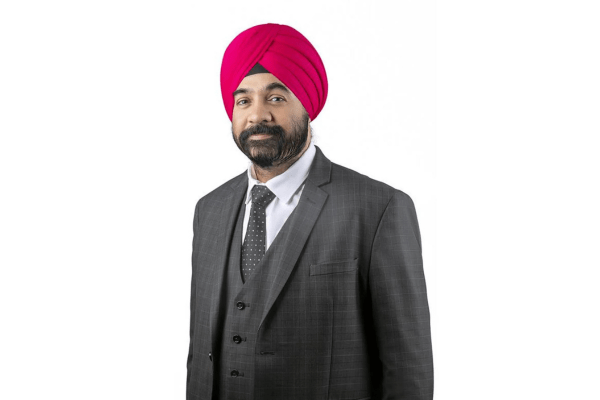
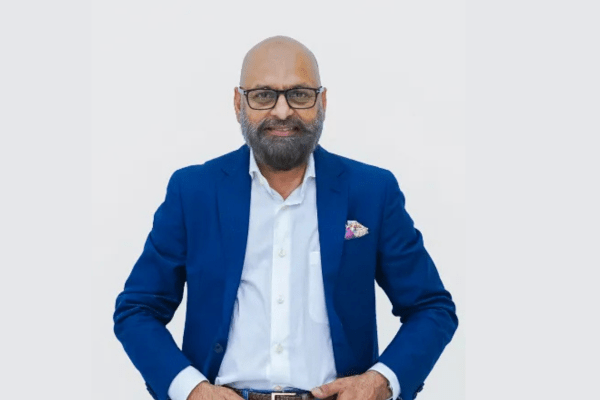
Chander K. Baljee, Chairman & Managing Director, ROHL

Royal Orchid Hotels Ltd has announced the signing of a new property under its Regenta brand in Dehradun, Uttarakhand. The upcoming hotel, named Regenta Resort Dehradun, aligns with the company’s asset-light growth model and will operate under a management contract. This addition will mark ROHL’s eighth hotel in Uttarakhand.

Set to open in June 2025, the 50-room resort will be located in Kulhan and, moreover, aims to offer a premium “urban retreat” experience for modern travelers. Additionally, spanning 5,050 square meters, the resort will feature stunning views of dense forests and the majestic Himalayas, thereby catering to guests seeking adventure, a stopover stay, or spiritual relaxation.

Commenting on the signing, Chander Baljee, Chairman & Managing Director, Royal Orchid Hotels Ltd, said, “Uttarakhand’s burgeoning tourism and thriving commercial landscape offers vast potential, and our steady penetration in this market underscores our commitment to capitalising on these opportunities. With this new hotel, we’re also making significant strides towards our vision to dominate India’s top leisure destinations and offer premium yet accessible luxury that resonates with the evolving preferences of new-age travellers. We’re thrilled to collaborate with Sanjeevani Luxury Clouds to bring this vision to life.”

Shrikant Sharma, MD said, “We are excited to partner with ROHL and make the shared vision of showcasing the unparalleled beauty and rich natural heritage of Uttarakhand to global travellers, a reality through this hotel.”

The resort will showcase a contemporary design complemented by a warm and inviting ambiance. Guests can enjoy a range of amenities, including an all-day dining restaurant, a rooftop eatery with panoramic views, a spa offering holistic wellness treatments, a state-of-the-art gym, and an infinity pool. Additionally, a dedicated play area for children is in the works.

To accommodate events and celebrations, Regenta Resort Dehradun will feature a spacious 12,300 sq ft banquet hall, a 1,506 sq ft open lawn, and a 1,636 sq ft pre-function area—making it an ideal venue for both private events and corporate gatherings.

With the launch of Regenta Resort Dehradun, Royal Orchid Hotels continues to strengthen its footprint in Uttarakhand, aligning with its asset-light expansion strategy. The upcoming resort promises a blend of modern luxury, natural beauty, and versatile event spaces—catering to leisure travelers and corporate guests alike.

Meenakshi Group to raise ₹700-Cr for real estate-focused AIF

0
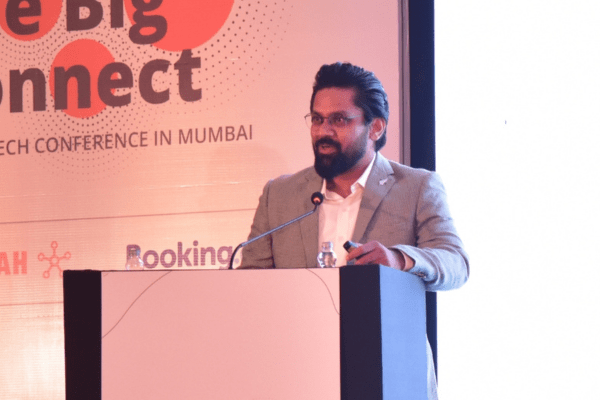
Mahesh Katragadda, CEO of Meenakshi Alternates

Hyderabad-based real estate company Meenakshi Group has revealed plans to raise up to ₹700 crore for its real estate-focused alternative investment fund (AIF), named the Meenakshi Real Assets Fund. The firm has pledged 20% of the total fund size as sponsor capital, according to the company’s statement.

The fund, which has a total target corpus of ₹700 crore—including a ₹350 crore greenshoe option—will adopt a hybrid investment approach, allocating capital across both debt and equity instruments, the company stated.

The Meenakshi Real Assets Fund will strategically pursue 6 to 8 high-conviction opportunities over a six-year investment horizon. Specifically, it will focus on self-liquidating real estate assets that not only generate consistent cash flows but also offer potential for capital appreciation. Moreover, the fund plans to collaborate with Tier I developers operating in high-growth micro-markets across major urban centers. Each transaction, according to the company, could involve deal sizes of up to ₹70 crore.

“Securing the AIF license allows us to bring institutional-grade, well-structured investment products to the market. We’re already seeing strong early interest, and we have three deals currently under due diligence. We’ve also received soft commitments from the Meenakshi Group, its wider network, and early investors,” Mahesh Katragadda, CEO of Meenakshi Alternates, said.

“Our goal is to build long-term trust and deliver consistent returns by leveraging our strong track record in real estate. We are focused on creating value through disciplined capital deployment and high-quality investment opportunities,” he said.

With the launch of the ₹700 crore Meenakshi Real Assets Fund, Meenakshi Group is making a strategic push into the real estate investment space through a hybrid model of debt and equity. By targeting high-conviction, self-liquidating assets in partnership with top-tier developers, the fund aims to deliver not only stable returns but also long-term value. Furthermore, it seeks to capitalize on opportunities in key urban growth markets, reinforcing the group’s commitment to scalable and sustainable investments.