

Thursday, August 6, 2026
Home Blog Page 127

The First Group partners with Inntelo AI to elevate guest experience

0
Tom Stevens, Senior Vice President of Hotel Operations, The First Group Hospitality

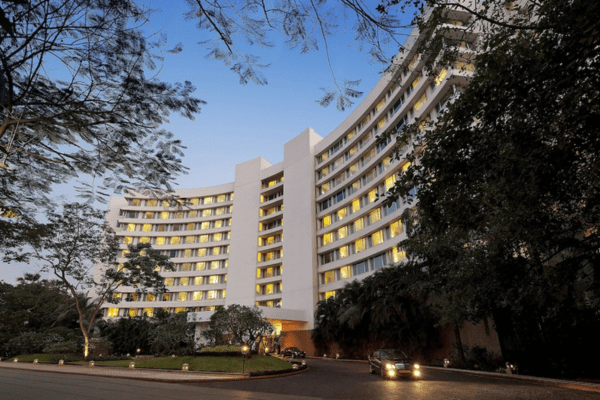
The First Group Hospitality has announced a strategic partnership with Inntelo AI, a leading guest experience and operations platform, to enhance personalization and service quality across its growing hotel portfolio. Following its successful implementation at TRYP by Wyndham Dubai, The First Group will now extend the collaboration to all its properties, including the upcoming Ciel Dubai Marina–Vignette Collection by IHG, which is set to become the world’s tallest hotel.

The partnership will introduce an AI-powered concierge system designed to simplify communication between guests and service teams. Through the Inntelo platform, guests can conveniently request amenities, order room service, reserve dining spots, or book local experiences directly from their smartphones. The platform supports over 40 languages and allows guests to access it through calls, voice commands, or WhatsApp, ensuring a seamless and highly personalized guest journey.

“The First Group has always been at the forefront of innovation, carefully evaluating and implementing the latest solutions; having worked with Inntelo AI over recent months, we are incredibly excited and ambitious about how this cutting-edge AI technology sets us apart in the hotel management field,” said Tom Stevens, Senior Vice President of Hotel Operations at The First Group Hospitality. “This partnership with Inntelo AI will ensure every guest interaction, from arrival to departure, is powered by intelligence, efficiency, and personalization.”

Moreover, this collaboration aligns seamlessly with The First Group Hospitality’s broader AI integration strategy, which already leverages artificial intelligence for revenue forecasting, rate optimization, restaurant management, customer feedback analysis, and workforce scheduling. Furthermore, with Inntelo AI, the company aims to combine guest-facing innovation with data-driven operational excellence, thereby enhancing both efficiency and personalization across its portfolio.

Commenting on the partnership, Asif Alidina, co-founder and CEO of Inntelo AI, stated:

“We are delighted to partner with the team at The First Group Hospitality, who truly understand the value of being a first mover in this space using an AI-native platform. This project future-proofs their operations and positions them to rapidly leverage the power of agentic and conversational AI across their portfolio long before many of their competitors. Our platform doesn’t just enhance service; it transforms how hotels operate, think, and scale. We’re showcasing what happens when innovation meets intent, transforming service delivery, empowering teams, and creating a new benchmark for intelligent hospitality.”
Chalet Hotels introduces premium lifestyle brand ATHIVA

0

Chalet Hotels Limited (CHL) has officially launched Athiva Hotels & Resorts, a premium lifestyle hospitality brand that starts with over 900 keys across six properties. The name Athiva, derived from Sanskrit meaning “abundance” and “to a great extent,” reflects the brand’s philosophy of joy, wellness, and sustainability, offering guests both the comfort of the familiar and the delight of the unexpected.

The brand’s debut property is the transformed The Dukes Retreat in Khandala, now Athiva Resort & Spa, Khandala, featuring 147 rooms, including 11 suites. Moreover, the resort emphasizes refined luxury, authentic local experiences, and responsible practices, thereby establishing itself as a premium lifestyle sanctuary.

In addition to this launch, Chalet Hotels plans to transition five more properties to the Athiva brand. This includes a renovated business hotel in Navi Mumbai, The Resort at Aksa Beach (a K Raheja Corp Group Hotel), and three greenfield developments—two in Goa and one in Thiruvananthapuram.

With over 900 keys at launch and plans to double capacity within three years, Athiva represents a strategic expansion in lifestyle hospitality in India, leveraging Chalet Hotels’ brand strength while offering an experience-first vision for modern travel.

“With Athiva, we bring the trust, credibility, and operational excellence of Chalet Hotels to a brand built for today’s India—welcoming business, leisure, bleisure, and MICE guests with one consistent promise: abundant joy, wellness and care,” said Dr Sanjay Sethi, MD & CEO of Chalet Hotels Ltd. “Starting with our first Athiva Resort & Spa, Khandala, we will scale with discipline and heart – delivering experiences that are joyful, wellness-first and sustainably curated,” he added.

Athiva Hotels & Resorts, crafted for the millennial and Gen Z traveler, introduces distinctive features that significantly elevate the guest experience. For instance, Breakfast@Anytime offers flexibility beyond fixed dining hours; additionally, Binge Box provides a wholesome complimentary snack alternative to calorie-heavy minibars; furthermore, Dollops of Joy delivers surprise treats thoughtfully integrated throughout the stay; and finally, Local Immersions enables guests to experience authentic cultural connections.

Sustainability and wellness are at the heart of the Athiva philosophy. In addition, each property incorporates energy-efficient designs, waste-conscious operations, local sourcing, and meaningful community partnerships. Furthermore, built on Chalet Hotels’ Parivartan initiative, Athiva actively promotes a circular, inclusive, and regenerative hospitality model, thereby harmonizing environmental stewardship with social equity and economic growth.

The launch signals a new era in Indian hospitality, catering to young travelers driven by rising incomes and a desire for authentic, shareable experiences. Athiva is designed to meet this demand by emphasizing connection, creativity, and care over traditional service models. More than a hotel brand, Athiva represents a movement towards abundant, joyful, and sustainable hospitality for both India and the global traveler.

Coinbase boosts investment in CoinDCX at a $2.45 Bn valuation

0
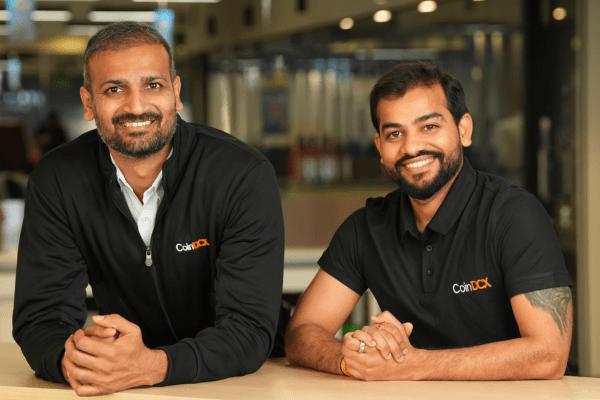
Neeraj Khandelwal & Sumit Gupta, co-founders, CoinDCX

Cryptocurrency exchange Coinbase Global announced on Wednesday that it has invested in CoinDCX, with the Indian crypto platform stating that the deal places its post-money valuation at $2.45 billion.

This latest investment builds on several prior funding rounds from Coinbase Ventures, the venture capital arm of Coinbase Global. Back in April 2022, Coinbase Ventures had joined a $135 million fundraising round for CoinDCX, which at the time valued the exchange at $2.15 billion post-money.

As of July 2025, CoinDCX reported annualized group revenue of around $141 million and assets under custody totaling $1.2 billion.

“We believe India and its neighbors will help shape the future of the global on-chain economy. This transaction is subject to regulatory approvals and other customary closing conditions,” said Shan Aggarwal, Chief Business Officer at Coinbase, in the announcement.

Coinbase’s latest investment in CoinDCX underscores the growing confidence of global crypto players in India’s digital asset market. With a post-money valuation of $2.45 billion and strong revenue and asset metrics, CoinDCX is solidifying its position as a leading player in the Indian and regional crypto ecosystem. The partnership also signals a broader expansion of on-chain financial innovation in India and its neighboring markets, paving the way for future growth and global integration.

Zepto tops LinkedIn’s 2025 Top Startups India List for the third consecutive year

0
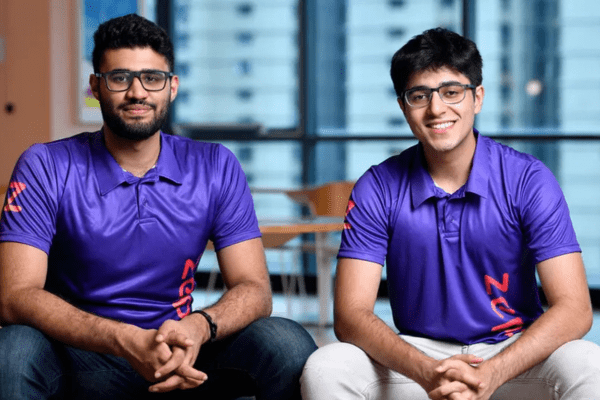
(L-R) Founders Kaivalya Vohra and Aadit Palicha, Zepto

Quick commerce startup Zepto has once again clinched the top position on LinkedIn’s 2025 Top Startups India list, marking its third consecutive year at the summit. Lucidity, an enterprise cloud storage company, and Swish, a 10-minute food delivery platform, followed Zepto on the list.

Released on Wednesday, the annual list not only highlights emerging Indian companies that offer strong career growth opportunities but also evaluates them using four key metrics — employee growth, member engagement, job interest, and the ability to attract top talent.

To be eligible, startups must be privately owned, headquartered in India, have a minimum of 30 employees, and be under five years old, while also maintaining a record free from recent large-scale layoffs. The 2025 ranking is based on data gathered between July 1, 2024, and June 30, 2025.

Quick-commerce unicorn Zepto (#1) leads the list for the third consecutive year, followed by Lucidity (#2), which is redefining enterprise cloud storage, and Swish (#3), a Bengaluru-based 10-minute food delivery platform.

“Despite operating in different categories, all three are scaling rapidly and expanding into new markets, signalling that operational precision, technology depth and category agility are the defining advantages of India’s top-performing startups,” LinkedIn said.

The 2025 LinkedIn Top Startups India list clearly underscores the growing influence of quick commerce, AI-driven platforms, and niche fintech ventures as key drivers of the country’s startup ecosystem. Furthermore, it highlights how these emerging sectors are reshaping India’s entrepreneurial landscape, fueling innovation, and driving new career opportunities across industries.

Beyond Zepto’s leading position, the quick commerce space continues to expand; moreover, startups like FirstClub (ranked 13) and Snabbit (ranked 14) are further diversifying the sector by introducing instant grocery delivery and on-demand home assistance solutions.

AI-focused startups such as Weekday (ranked 4), Convin (ranked 6), and LimeChat (ranked 19), along with fintech innovators like Jar (ranked 5), Dezerv (ranked 16), and CARD91 (ranked 18), also made it to this year’s top 20 list.

Bengaluru reinforced its reputation as India’s startup hub, home to nine of the top 20 startups, including Zepto, Swish, and Lucidity. Meanwhile, Delhi and Mumbai each contributed two companies, as regional hubs gained visibility. Notably, Pune-based EMotorad (ranked 9) and Hyderabad’s Bhanzu (ranked 7) have advanced from local recognition to the national spotlight.

“Beyond who ranks where, this year’s list is a map of momentum. Younger companies are scaling faster, specialized models are earning trust, and Bengaluru’s advantage is now coexisting with emerging startup hubs like Pune and Hyderabad, breaking through.”

“For professionals, the takeaway is timing and fit. Use this list to spot where product-market fit is turning into repeatable growth, where categories are widening, and where city-level winners are graduating to national scale. That’s where scope, learning, and impact tend to compound,” Nirajita Banerjee, LinkedIn Career Expert and Sr. Managing Editor, LinkedIn India News, said.

Google announces $15 Billion investment in Indian AI ecosystem

0
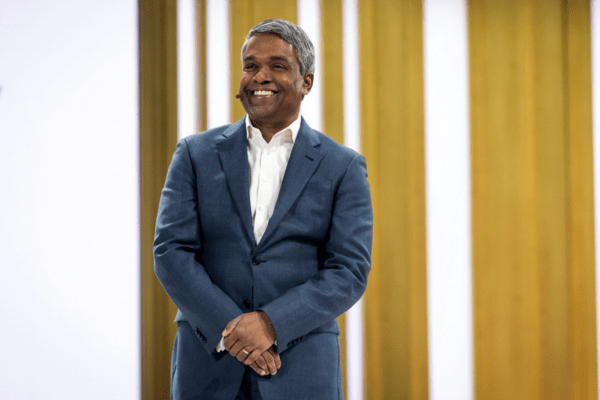
Google Cloud CEO Thomas Kurian

Google will invest $15 billion to build a 1-gigawatt data center and AI hub in India, even as the Indian government encourages reducing reliance on U.S. tech giants.

On Tuesday, it announced that it will build the data center in Visakhapatnam, a port city in the southern state of Andhra Pradesh. The investment will be done over the next five years, through 2030. Notably, this represents Google’s largest investment in India and comes five years after its initial $10 billion commitment to the country in 2020.

Meanwhile, political and economic factors are influencing the tech landscape. Weeks after former President Donald Trump imposed a 50% tariff on Indian imports in August, Prime Minister Narendra Modi promoted the use of “swadeshi” (made in India) products. Consequently, Indian lawmakers and ministries began backing local alternatives to Google, including Chennai-based Zoho Corporation (offering Google Cloud and Gmail competitors), WhatsApp rival Arattai, and MapMyIndia, a Google Maps competitor. While the immediate impact has been limited, these initiatives could pose long-term challenges for Google and Microsoft in India.

The company currently employs 14,000 people in India and has operated in the country for 21 years, with Delhi and Mumbai designated as official cloud regions.

Google Cloud CEO Thomas Kurian said that the new AI hub represents the company’s largest investment outside the U.S. and that the company plans to scale it to “multiple gigawatts” over time.

“It is part of a global network of AI centers in 12 different countries,” Kurian said at the launch in New Delhi. “In addition to that, we’re also pleased to announce that we will be making Vishakhapatnam a global connectivity hub.”

In addition, the company plans to bring its subsea cable infrastructure to Visakhapatnam. The company has partnered with Bharti Airtel to build both the data center and the cable landing station and teamed up with AdaniConneX (backed by Adani Group) to set up the necessary infrastructure.

“We see it not just becoming a landing station for a large number of cables, but also providing a digital backbone connecting different parts of India together,” Kurian explained.

The AI hub will provide a full stack of solutions, including Google’s custom Tensor Processing Units (TPUs) for local AI processing. Additionally, the hub will offer access to Google’s AI models, including Gemini, and its platform for building agents and applications. It will also support consumer services such as Google Search, YouTube, Gmail, and Google Ads.

“We see this hub not just serving India but from India serving Asia and other parts of the world,” Kurian added.

Google’s choice of Visakhapatnam aligns with Andhra Pradesh’s history of attracting global tech firms. Under Chief Minister N. Chandrababu Naidu, the state previously drew companies like Oracle and Microsoft to Hyderabad, its capital before the creation of Telangana. Naidu, a close political ally of Prime Minister Modi, has played a key role in shaping national policy discussions.

“This AI hub will be a very important contribution to the [India] AI mission goals in different ways,” said Indian IT minister Ashwini Vaishnaw.

The minister also urged the company to consider the Andaman Islands as a future global internet data hub, noting that Singapore “is all choked.” He assured Google of full government support and recommended linking Visakhapatnam with Sittwe in Myanmar to improve connectivity for India’s northeastern states.

Salesforce introduces Agentforce 360, expands AI agent platform worldwide

0

Salesforce has announced Agentforce 360, making its agentic AI platform generally available worldwide as competition around autonomous agents in the enterprise software space intensifies.

The company stated that the platform connects people, AI agents, and data within a single, trusted system and added that it debuts at Dreamforce 2025.

Agentforce 360 serves as a unifying layer across Salesforce’s Customer 360, allowing organizations to build, deploy, and govern AI agents for sales, service, marketing, and IT workflows.

Furthermore, Salesforce confirmed that the platform is live globally, and it emphasized features designed to ensure enterprise control, reliability, and security. According to the company, Agentforce 360 includes a conversational “Agentforce Builder” for designing and testing agents, a native “Agentforce Voice” layer for natural-language telephony, and hybrid reasoning with guardrails to balance deterministic workflows with large-language-model flexibility.

In addition, the platform incorporates observability dashboards to monitor reasoning quality and compliance.

Salesforce also noted that Slack will integrate conversational AI, enabling employees to pull data and trigger tasks within chats while maintaining enterprise-grade controls. Moreover, Salesforce highlighted an ecosystem approach that brings partner-built agents and actions into Slack to extend its capabilities.

“Agentforce 360 has reportedly been adopted by more than 12,000 customers,” the company said, citing brands such as Reddit, OpenTable, and The Adecco Group.

The announcement comes as large enterprise vendors accelerate their agent strategies. For example, Microsoft has added multi-agent orchestration to Copilot Studio, ServiceNow has promoted an “any AI, any agent, any model” platform, and Google and Oracle have expanded access to Gemini models for agentic workloads. These developments underscore how rapidly agent frameworks have moved from pilot programs to broad enterprise deployment.

Artha India Ventures secures ₹250-Cr in first close for ₹500-Cr Venture Fund II

0
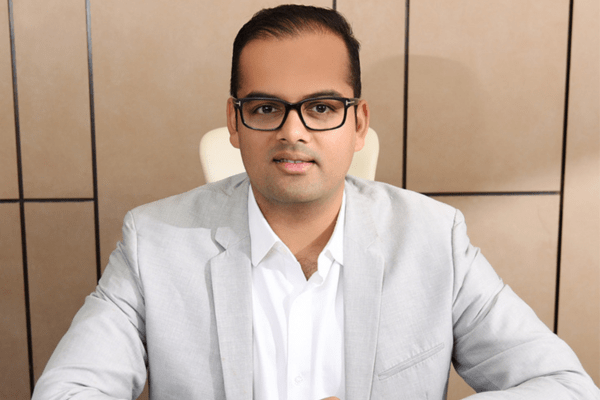
Anirudh A. Damani, Managing Partner of Artha Venture Fund

Artha India Ventures (AIV) announced the first close of ₹250 crore for its second early-stage microVC fund, Artha Venture Fund II (AVF II). The fund targets a total corpus of ₹500 crore, including a ₹100 crore green-shoe option, and has already secured over 50% of its target commitments, reflecting strong investor confidence in Artha’s conviction-led approach and proven track record.

AVF II plans to invest in 36 seed-stage startups across four sectors: premium consumption, fintech infrastructure, applied AI, and deep tech. It will initially allocate ₹4 crore per investment, followed by ₹8–16 crore in subsequent rounds, applying its proprietary 1–2–4 model. The fund targets 15–20% ownership in its leading portfolio companies and will operate on a four-year deployment cycle.

“AVF II is launching at a time when the startup ecosystem is undergoing a reset. In the last 8 months, except for one, India has recorded fewer than 100 seed investments per month, the lowest in nearly a decade. More significantly, the graduation rate from Seed to Series A, which has historically been 1 in 9 startups or around 12–13% over 36 months, has dropped to as low as 5–6% in recent months. That shows how capital-starved the early-stage investment ecosystem has become,” said Anirudh A. Damani, managing partner of Artha Venture Fund.

The fund’s capital composition will be approximately 80% domestic and 20% global, with 90% of first-close commitments from Indian LPs, including family offices and exited founders, and the remaining 10% from international investors. Early supporters include the Shahi Group, Narendra Karnawat (Glance Finance), DSP Family Office, and founders from Artha India Ventures’ earlier investments who have successfully exited.

“What’s exciting for us as investors is that this environment filters out the noise. The tourist founders are gone; what’s left are serious entrepreneurs building sustainable, capital-efficient businesses. They’re focusing on raising from customers before VCs—that’s exactly the kind of DNA that creates vintage funds,” he added.

AVF I’s portfolio of 32 companies includes Agnikul Cosmos, Everest Fleet, LenDenClub, Daalchini, InstaAstro, and GetWork, many of which have become category-defining leaders. With multiple exits and strong performance, the fund has set new benchmarks for early-stage investing in India.

“Our 2016 and 2017 portfolios demonstrated the power of investing in resilient founders during uncertain times—7 out of 7 exits in 2017 with a 111% IRR and 16x multiple, while our 2016 portfolio delivered nearly 21x returns. We see several parallels today and believe 2025 is shaping up to be another such once-in-a-decade opportunity,” Damani added.

AVF II will focus on fewer, high-conviction investments, actively supporting startups that are post-seed, post-revenue, and raising ₹4–10 crore rounds. The fund will deploy capital to consistently back breakout performers.

“Our goal is to double down on companies showing deep founder conviction, efficient capital usage, and clear revenue visibility. AVF II is not chasing volume; it’s chasing velocity, i.e., concentrated capital behind exceptional founders,” said Damani.

With a network of over 150 limited partners, co-investors, and global partners, Artha India Ventures provides mentorship, strategic guidance, and market access. The fund’s “family-office DNA” ensures a long-term outlook, supporting founders from seed stage to success. The Artha platform now manages ₹1,500 crores across multiple funds, with 135+ investments and 34 exits to date.

Bloom Hotels achieves ₹357-Cr revenue milestone in FY25

0

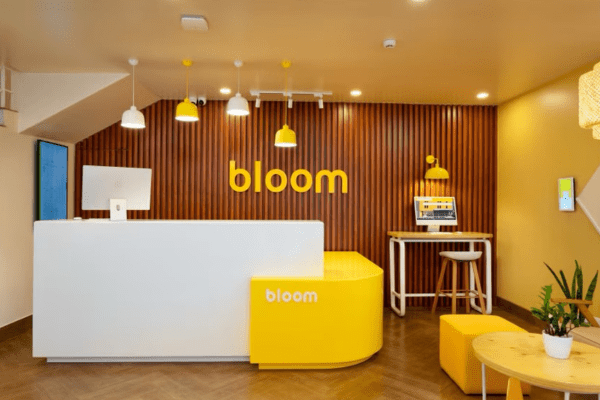
Tech-driven hotel brand Bloom Hotels announced on Tuesday that its revenue from operations rose 36.14% to Rs 357.50 crore in FY 2024–25, compared to Rs 262.60 crore in the previous fiscal year, as per its annual consolidated financial statements.

The company has expanded its annual revenue sixfold over the last three years, increasing from Rs 58 crore in FY22 to over Rs 357 crore in FY25.

In FY25, Bloom Hotels reported an EBITDA (Earnings Before Interest, Taxes, Depreciation, and Amortization) of Rs 75.01 crore and a Profit After Tax (PAT) of Rs 15.20 crore.

Having recently achieved breakeven, Bloom plans to further accelerate revenue growth while maintaining profitability, with capital efficiency continuing to be its key financial focus, according to the company’s statement.

“We aim to continue revenue and profit growth within the 30–35 percent range in the coming years without compromising capital efficiency, profitability, and products that are at the core of Bloom’s expansion plans. We still only onboard approximately 1 in 20 hotels that approach us to join the platform and will continue to maintain this discipline. The market can easily absorb 100,000 rooms, but we’d rather get there at our own pace with sustained profitability and product,” said Sanjeev Sethi, Chief Operating Officer at Bloom.

The company’s revenue-to-funding ratio—which indicates the amount of revenue generated per rupee of funding—has surpassed 1, underscoring Bloom’s strong capital efficiency.

Additionally, Bloom’s room-first approach emphasizes a streamlined, no-frills model that distinguishes it from traditional hotel chains.

This strategy is evident in its revenue composition, with room revenue contributing 85%, food & beverages accounting for 13.1%, and other income making up the remaining 1.9%.

Founded in 2010, Bloom’s early investment in technology—building its entire platform before onboarding its first hotel—has enabled consistent operations and scalable growth while maintaining brand standards.

The company now aims to expand its room inventory to over 5,000 rooms soon, with more than 75% of its properties in Tier 1 cities, and is actively exploring Tier 2 and Tier 3 markets for its next major expansion phase toward 25,000 rooms.

Two Brothers Organic Farms raises Rs 110-Cr in funding

0
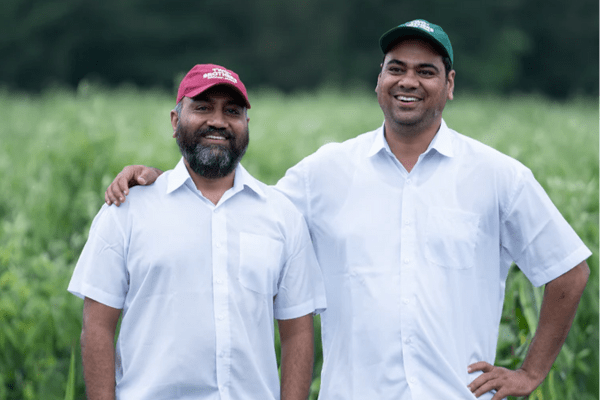
Satyajit Hange and Ajinkya Hange, co-founders, Two Brothers Organic Farms

Direct-to-consumer (D2C) brand Two Brothers Organic Farms has secured Rs 110 crore ($12.5 million) in a Series B funding round from 360 One Asset, Rainmatter Investments, the Narotam Sekhsaria family office, and IGNITE Growth LLP.

Earlier, the agritech venture had raised Rs 58.2 crore in its Series A round led by Zerodha cofounder Nithin Kamath’s Rainmatter Foundation in June last year.

The company will use the fresh capital to expand its processing units, strengthen supply chains, and increase product reach across India and global markets. The company also intends to boost sourcing efficiency, strengthen distribution networks, and invest in technology to fuel future growth.

Satyajit and Ajinkya Hange founded Two Brothers Organic Farms (TBOF), a Pune-based grocery brand that directly connects farmers with consumers through natural farming practices, promotes rural livelihoods and biodiversity, and builds farm-to-family food systems worldwide.

The company manufactures and sells organic products such as ghee, rice, jaggery, wheat flour, spices, grains, and pulses, sourcing from over 5,000 farmers and catering to more than six lakh customers.

According to company data, the company generates about 60% of its revenue from its own website and app, earns 15% through e-commerce marketplaces, secures 16–17% from quick commerce platforms, and contributes the remaining 20% from international markets.

“This funding will enable us to scale quickly and sustainably, both domestically and internationally. With this conscious capital, we aim to increase our presence in Tier 1 and Tier 2 cities across India and expand into new international markets, enabling us to reach more consumers with our clean, traceable food options,” said Ajinkya Hange.

The firm’s top international markets include the US, Canada, Australia, New Zealand, and the Middle East.

According to TBOF, the company closed FY25 with Rs 108 crore in revenue and is now targeting Rs 200 crore in the current financial year. However, its audited results are yet to be filed. Furthermore, in FY24, the company reported a 58% year-on-year increase in revenue to Rs 38.4 crore.

Over the next five years, TBOF plans to reach Rs 1,000 crore in annual revenue and partner with 50,000 farmers.

Wealthtech startup Dezerv raises INR 350-Cr to expand investment solutions portfolio

0
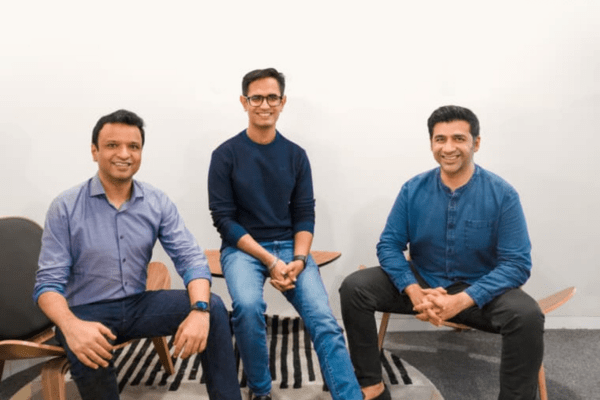
L-R: Vaibhav Porwal, Sandeep Jethwani and Sahil Contractor, co-founders, Dezerv

Wealthtech startup Dezerv has raised ₹350 crore in a Series C funding round, bringing its total capital raised to over ₹850 crore.

Existing marquee investors fully funded the all-primary round, with Premji Invest and Accel’s Global Growth Fund co-leading the investment, and Elevation Capital along with Z47 continuing their participation.

The company plans to utilize the fresh capital to strengthen its technology platform, broaden its investment offerings across asset classes, and expand its team of relationship managers.

Founded in 2021, Dezerv has scaled its assets under management (AUM) to more than ₹14,000 crore, spanning portfolio management services (PMS), alternative investment funds (AIFs), and distribution assets.

“India’s wealth creators have built their wealth through hard work, grit and sacrifice, and it deserves to be managed with the same determination and care with which it was created,” said Sandeep Jethwani, cofounder, Dezerv.

The platform has empowered over five lakh Indian investors to track and analyze assets worth ₹2 lakh crore. Through its app, users can monitor their mutual funds, stocks, bank accounts, NPS, and fixed deposits (FDs) in one place. The company also plans to introduce support for bonds, REITs, InvITs, loans, and credit cards by the end of this year, further expanding its suite of financial tracking tools.

“Their growth over the past three years demonstrates the power of pairing institutional rigour with a modern client experience. We’re excited to continue backing them as they shape the next generation of wealth management in India,” said Abhinav Chaturvedi, Partner, Accel.

Founded in 2021 by Sahil Contractor, Sandeep Jethwani, and Vaibhav Porwal, Dezerv serves clients across more than 200 cities through its offices located in Mumbai, Delhi, Bengaluru, Hyderabad, and Pune.

In December, the company announced that its assets under management (AUM) had exceeded ₹10,000 crore; furthermore, it aims to reach ₹25,000 crore by the end of this year. Currently, Dezerv employs around 300 professionals across its offices in Hyderabad, Pune, Bengaluru, Delhi, and Mumbai.

The startup had previously raised over ₹265 crore in a Series B funding round last year, led by Premji Invest, with continued backing from Elevation Capital, Z47, and Accel.