




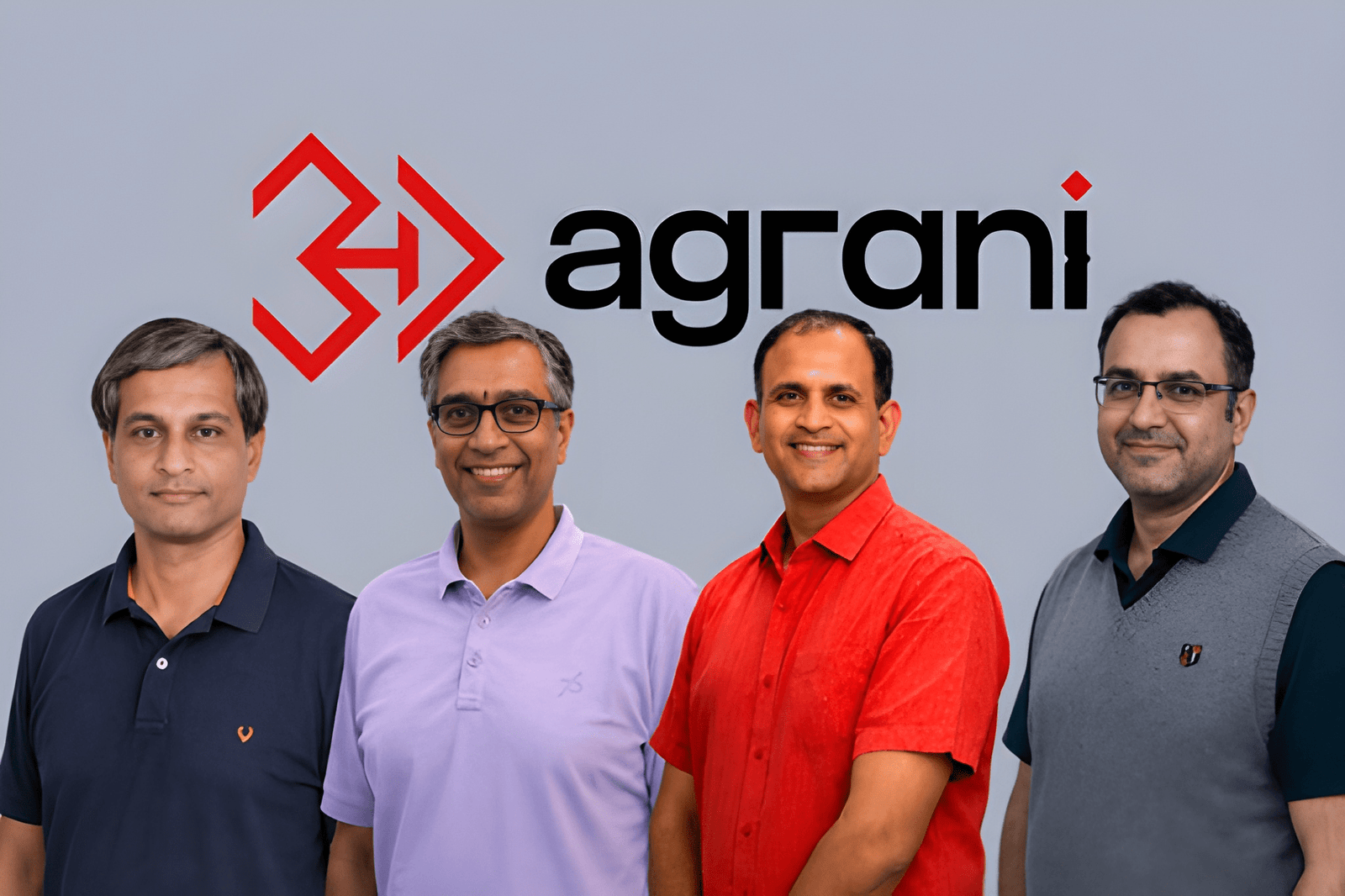
Agrani Labs, a Bengaluru-based semiconductor startup founded by former Intel and AMD executives, is reportedly in advanced discussions to raise around $50 million, or approximately Rs 475 crore, in a fresh funding round.
According to people aware of the development, existing investor Peak XV Partners is likely to invest around $15 million in the round. Meanwhile, new investors, including 360 One, are expected to contribute the remaining capital.
Sources said Agrani Labs is currently negotiating a valuation of around $160 million to $200 million. This marks a significant increase from its earlier valuation of approximately $35 million, which it commanded during its $8 million seed funding round led by Peak XV Partners in June 2025.
Founded in 2024 by Dheemanth Nagaraj, Ashok Jagannathan, Srikanth Nimmagadda and Rajesh Vivekanandham, Agrani Labs plans to use the fresh capital to strengthen research and development, engineering and other growth initiatives.
The startup aims to develop AI inference chips compatible with Nvidia’s CUDA software stack. Through this approach, Agrani Labs plans to compete with US-based semiconductor companies such as SambaNova Systems and Groq.
The funding activity comes as India accelerates efforts to build a comprehensive semiconductor ecosystem across the value chain, including chip design, fabrication, advanced packaging, equipment, materials, and research and development.
India’s newly notified Semicon 2.0 scheme carries an outlay of Rs 1.27 lakh crore, or around $13.3 billion, and aims to attract approximately Rs 4 lakh crore, or $42 billion, in investments. The programme provides fiscal support for semiconductor fabs, advanced packaging facilities, and R&D initiatives.
Furthermore, India’s expanding semiconductor ecosystem has attracted increasing interest from global semiconductor companies and investors. The latest funding discussions highlight the growing appetite for Indian chip startups, although a significant funding gap remains between Indian companies and their global counterparts.
Building semiconductor products, however, remains a capital-intensive and long-term process. Startups must continue investing heavily in R&D, engineering, specialised talent and commercialisation before achieving meaningful scale.