




Hospitality group The Residency Hotels has unveiled plans to invest between Rs 500 crore and Rs 600 crore over the next three years to develop three new luxury hotels across South India. The strategic expansion comes as the company simultaneously advances two hospitality projects in Mysuru and develops its second property in the Maldives.
The investment forms part of the company’s broader growth strategy aimed at strengthening its presence in key markets across southern India. The Residency Hotels will develop the upcoming hotels in Tier I, Tier II, and Tier III cities and add between 450 and 500 rooms to its portfolio.
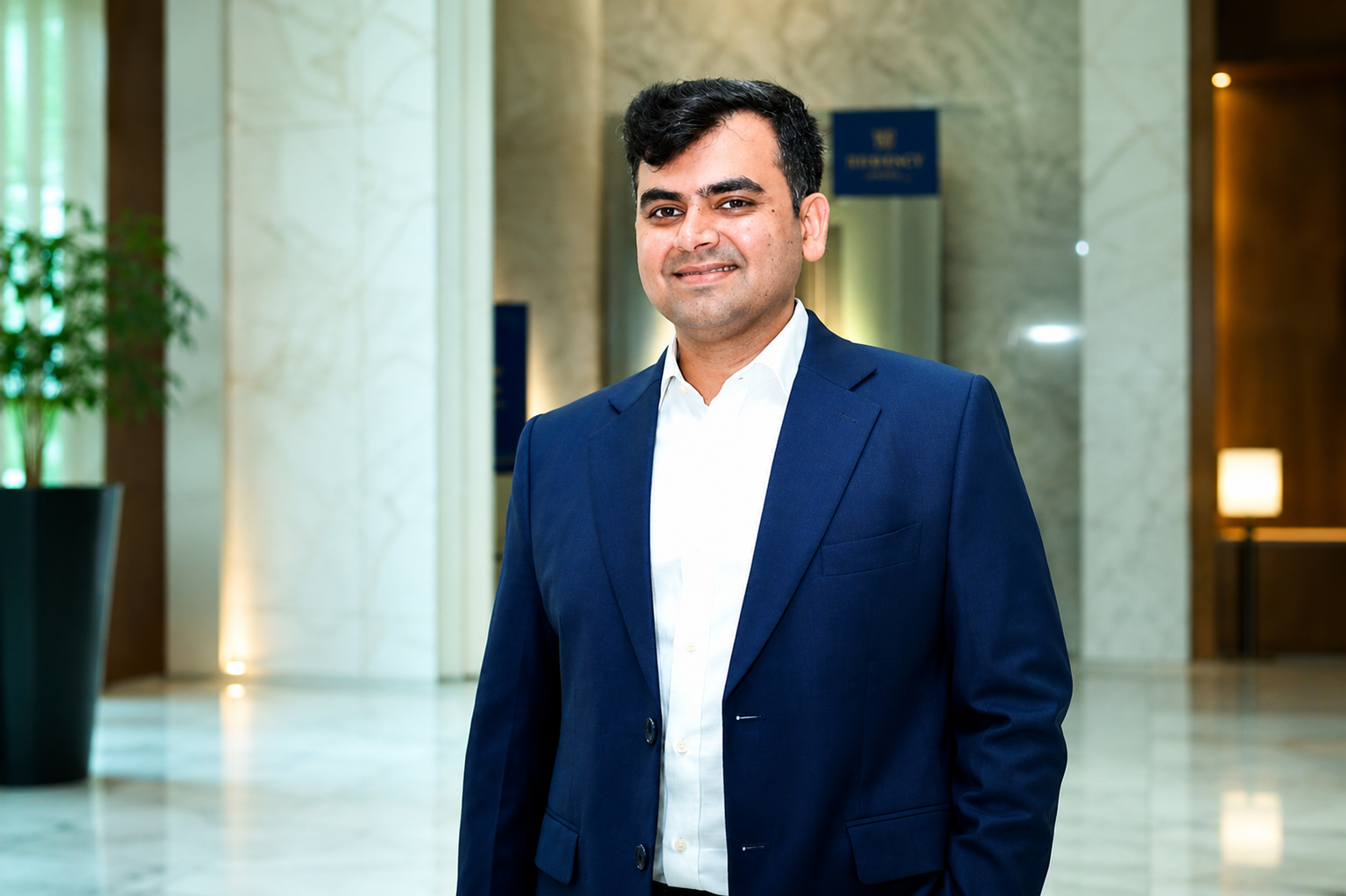
Speaking about the expansion plans, Rohit Ravi, managing director of The Residency Hotels, said, “An investment of about Rs 500 crore to Rs 600 crore has been earmarked for developing properties in new locations where we currently do not have a presence. The hotels will be located in Tier I, II, and III cities across South India and will collectively add 450-500 rooms.”
The Residency Hotels operates as the hospitality arm of Chennai-headquartered Appaswamy Real Estates. The group currently manages eight hotels across Tamil Nadu and Puducherry, including properties in Chennai, Coimbatore, Karur, and Rameswaram.
Furthermore, the company recently strengthened its luxury hospitality portfolio by launching The Residency Signature, a luxury hotel-cum-convention centre in Madurai. With an investment of approximately Rs 450 crore, the group developed the 191-key property to capitalize on the growing demand for premium hospitality experiences in the region. Additionally, the hotel aims to attract leisure travelers, business guests, destination weddings, and MICE events, further enhancing the company’s presence in the luxury hospitality segment.
Moreover, Ravi said the Madurai property is strategically positioned to capitalize on the growing opportunities in destination weddings, meetings, incentives, conferences, and exhibitions (MICE) tourism. At the same time, the hotel aims to benefit from the rapid industrial growth taking place across southern Tamil Nadu, creating additional demand from business travelers and corporate events.
Highlighting the region’s tourism and business potential, Ravi said, “About one lakh to 1.5 lakh foreign tourists visit Madurai every year. Moreover, rapid industrialisation is taking place in Virudhunagar and Thoothukudi districts, including shipping-related projects, creating tremendous business opportunities for us. We will also introduce two robots for restaurant services at the Madurai property.”
The company also continues to strengthen its international presence through its Maldives expansion plans. The Residency Hotels has partnered with Marriott to manage its second luxury property in the island nation. The upcoming resort will feature between 90 and 100 villas and aims to attract premium leisure travelers from global markets.
Providing an update on the project, Ravi said, “The property, which is currently under construction, will be inaugurated in 2027.”
The latest investments underscore The Residency Hotels’ confidence in the long-term growth potential of India’s hospitality sector. Rising domestic tourism, increasing demand for luxury accommodations, expanding MICE activities, and infrastructure-led economic development across emerging cities continue to create new opportunities for hotel operators.
By expanding into untapped markets while strengthening its luxury and international portfolio, The Residency Hotels aims to establish a stronger presence in high-growth destinations and capitalize on evolving travel trends across India and overseas markets.