
Friday, May 8, 2026
Home Blog Page 125

Flax Healthy Living opens flagship café in Bengaluru

0
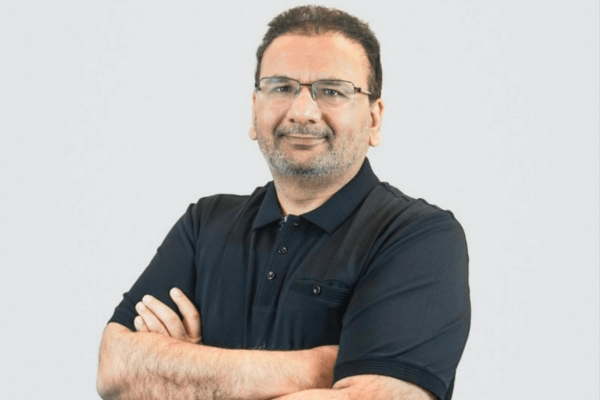
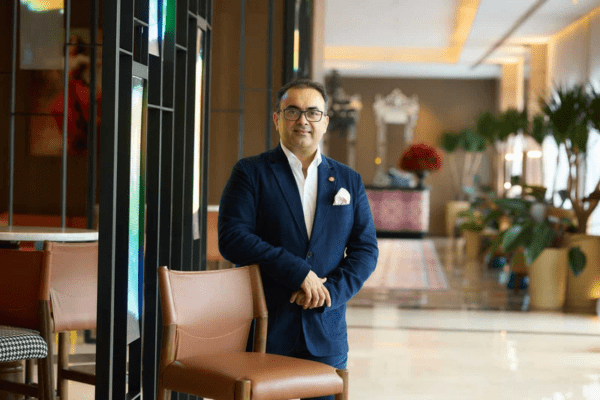
Gurmeet Singh Arora, founder & CEO, Flax Cafe

Flax Healthy Living, a lifestyle-focused brand, has unveiled its flagship café in Bengaluru, introducing a refreshed brand identity with the launch of its first full-service dining experience.

Following the success of nine cloud kitchens in Mumbai, this milestone represents Flax’s transition into a full-service café, catering to the growing demand from wellness-conscious, modern consumers for wholesome and satisfying meals.

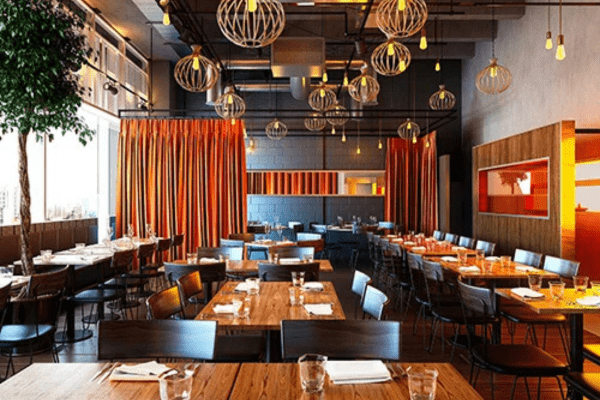
Flax Cafe has created a spacious and thoughtfully designed new space in Indiranagar—one of Bengaluru’s most lively and energetic neighbourhoods—bringing together community, curated experiences, and conscious living.

According to a release, the café’s expanded layout provides plenty of space for guests to relax, connect, or work, making it an ideal all-day destination. Featuring earthy interiors, ample natural light, and a vibrant yet soothing atmosphere, the space mirrors the energy of its Indiranagar surroundings while offering a peaceful retreat. Open daily from 9:00 AM to midnight, the café offers a nourishing haven for those seeking balance in both food and lifestyle, right in the heart of Bengaluru’s most buzzing neighborhood.

Gurmeet Singh Arora, founder & CEO, Flax Cafe, said: “Opening our first physical café marks a significant milestone in Flax’s journey. We’ve always believed that food should be wholesome, intentional, and rooted in everyday wellness—and this space allows us to bring that belief to life in its most tangible form. After operating as a cloud kitchen brand, we’re excited to now offer a space where guests can truly experience the Flax way of living—from our evolving menu to our warm, mindful setting. Bangalore, with its dynamic culture and appetite for clean, conscious choices, is the perfect city for this next chapter. We’re thrilled to be closer to our community than ever before.”

At its heart, Flax Healthy Living stands as a lifestyle brand—focused not only on what you eat but also on how you live. The café embodies this philosophy through its inclusive food choices, inviting design, and everyday adaptability. Whether you follow a plant-based diet, prioritize protein, avoid gluten, or simply aim for a more balanced way of eating, Flax offers a clean eating experience that is both easy and genuinely satisfying.

According to the release, the refreshed menu reflects the brand’s evolved vision: eating should be real, intentional, and make you feel good. From signature superbowls and vibrant salads to gluten-free, protein-packed wraps and smoothies, Flax continues to make clean eating both accessible and crave-worthy.

Startup Policy Forum launches #100DesiDeepTechs to strengthen India’s deeptech innovation ecosystem

0

The Startup Policy Forum (SPF) unveiled #100DesiDeepTechs, a pioneering national initiative aimed at identifying and supporting India’s most promising deeptech startups. Startup India–DPIIT, MeitY Startup Hub, and IIT Madras have partnered to launch this first-of-its-kind program.

The Startup Policy Forum (SPF) stated that the #100DesiDeepTechs initiative aims to promote structured policy discussions and advance India’s deeptech roadmap across critical sectors such as semiconductors, defence technology, quantum computing, green hydrogen, drones, electric vehicles, biotechnology, robotics, space technology, advanced manufacturing, and communications infrastructure.

Applications are now open for startups across the country to join this exclusive cohort. Once selected, these startups will participate in private dialogues with policymakers, regulators, investors, academic institutions, and industry leaders. As a result, these discussions will contribute to the creation of a comprehensive Deeptech Policy Whitepaper, which will include sector-specific insights and regulatory recommendations. SPF will unveil the white paper at “Deeptech Baithak,” a high-level gathering of founders, investors, and government representatives.

To support the cohort, SPF will establish a Mentor Board made up of experienced founders, investors, and policy experts, who will provide strategic guidance and facilitate key network connections. The initiative will also lay the foundation for SPF’s upcoming Centre for Deeptech Policy Research (CDPR), aimed at fostering ongoing policy engagement and providing long-term support for India’s deeptech ecosystem.

Shweta Rajpal Kohli, President & CEO of SPF, said the initiative aligns with national priorities such as the ₹1 lakh crore R&D and Innovation (RDI) Scheme and the planned DeepTech Fund of Funds. “We are committed to mentoring and enabling India’s most impactful deeptech startups through enabling policy frameworks,” she added.

Echoing the sentiment, Shri Sanjiv, Joint Secretary, DPIIT, called the effort “timely and targeted,” adding that India’s deeptech capabilities are crucial to its goal of becoming a global innovation hub.

Panneerselvam Madanagopal, CEO of MeitY Startup Hub, says that deeptech is the “next frontier” of India’s startup journey. Prof. Thillai Rajan of IIT Madras added that the initiative gives deeptech startups “a direct seat at the policy table,” supporting high-impact research and industry collaboration.

Deeptech domain experts and investors will actively back and execute the initiative. IIT Madras will lead the startup selection process, Ikigai Law will be responsible for drafting the policy whitepaper, and Kaio will oversee the overall program rollout.

How Anand Nayak built Chai Sutta Bar into a multi-city success with strong leadership

0
Anand Nayak, Co-founder, Chai Sutta Bar

In the world of entrepreneurial success stories, few resonate as profoundly as that of Mr. Anand Nayak, the visionary Co-Founder of Chai Sutta Bar. A brand that began with a simple yet powerful idea—to serve chai with dignity and authenticity—has transformed into a cultural phenomenon, uniting people over the warmth of a cup of tea. From the humble beginnings of Chai Sutta Bar to the expansion into Maatea and Kaffee-La, Mr. Nayak’s journey is a testament to resilience, innovation, and a relentless focus on connecting people through meaningful experiences.

In this exclusive interview with Business Review Live, Mr. Nayak opens up about the ethos behind his brands, the challenges faced in scaling rapidly, and the unwavering commitment to preserving the essence of Chai Sutta Bar as it continues to grow. With a leadership philosophy grounded in values, heart, and simplicity, Mr. Nayak’s insights provide an inspiring blueprint for aspiring entrepreneurs and business leaders alike. Join us as we dive into the mind of a true pioneer, whose passion for tea has brewed more than just a business—it has sparked a movement that’s reshaping the landscape of India’s tea culture.

1. Let’s begin with the origin story—what inspired you to launch Chai Sutta Bar, and how did that journey evolve into Maatea and Kaffee-La?

The inception of Chai Sutta Bar was born out of a desire to elevate the experience around India’s beloved chai. Chai isn’t just a drink in India; it’s an emotion. We saw a gap where people didn’t have a dignified space to enjoy their chai. We aimed to create a spot where even someone with just ₹10 could feel at home, enjoying a clean, authentic chai.

The journey expanded with the creation of Maatea and Kaffee-La when we recognized that people desired variety and distinct vibes in their experiences. Maatea promotes wellness and calm, while Kaffee-La caters to the bold and modern urban spirit. Ultimately, all three brands share a unified vision of connecting people through the warmth of a drink that feels like home.

2. Chai Sutta Bar carved a unique niche by blending traditional chai with modern branding. What was your strategy behind that positioning?

From the start, our approach was intuitive rather than traditional. We didn’t rely on a branding agency or a marketing team. It was driven by the thought, “If we love this vibe, maybe others will too.” The use of kulhads, the name ‘Sutta’ (not meant to glorify smoking), and the bar-style design were all unconventional choices intended to break the norm and spark conversation. We wanted a brand that would stop people in their tracks, and once they entered, the chai and atmosphere would do the rest.

3. With Maatea and Kaffee-La now in the mix, how do you differentiate these brands while maintaining a consistent entrepreneurial philosophy?

At the heart of all three brands is the desire to connect with people from all walks of life. Chai Sutta Bar appeals to the masses, Maatea resonates with those seeking mindful, wellness-driven choices, and Kaffee-La is for the energetic urban crowd. Despite these differences, the core philosophy remains the same: real ingredients, authentic stories, and honest pricing. We focus on being relatable, not fancy.

4. What market gaps or consumer needs were you aiming to address through each of your ventures—Chai Sutta Bar, Maatea, and Kaffee-La?

With Chai Sutta Bar, the target was clear: offer a clean, affordable chai experience in contrast to the expensive cafes and unhygienic tea stalls that were prevalent. Maatea emerged as a response to the increasing demand for organic and calming tea blends. Kaffee-La was a nod to coffee enthusiasts, offering a bold, experimental, and youthful coffee experience. All three brands are built on our dedication to listening to our customers and adapting to industry trends.

5. What kind of organizational culture have you aimed to build, especially considering the fast-paced expansion in a competitive market?

We’ve always envisioned an inclusive, growth-driven culture that doesn’t rely on corporate hierarchy. Our approach is about nurturing people, not cutting them off. Many of our team members have grown from entry-level positions to team leaders. We value hard work, loyalty, and emotional connection over titles. As we expand, maintaining this ethos across all our outlets is a priority.

6. How do you ensure that your core values are retained across franchises and team structures in different cities and regions?

We invest significant time with our franchise partners, focusing not just on operational training but also on bonding over shared values. It’s essential they understand the emotional intent behind Chai Sutta Bar. We go beyond standard operating procedures, sharing stories that convey the heart of our brand. This personal connection helps keep our values intact, even in regions far from our home base.

7. Chai Sutta Bar is known not just for its product but also for its unconventional branding and store formats. How do you approach innovation in a traditional category like chai?

Innovation for us isn’t about complex technologies but about adding small, thoughtful touches to enhance the chai experience. For instance, serving chai in kulhads adds a traditional, eco-friendly element. We’ve redefined the chai shop by creating a youthful, fun vibe that surprises people. Our innovation is in doing things differently, making a familiar drink feel fresh and exciting.

8. Can you walk us through any recent innovations or launches you’re particularly proud of?

A consistent innovation for us has been our use of kulhads, not only for their traditional charm but also as an eco-friendly step forward. We are also streamlining franchise operations with simple tools to monitor performance and gather feedback, making the work smoother. I’m also proud of how our brand stories evolve—every outlet has its own unique narrative, reflecting local cultures while maintaining the core essence of the brand.

9. What role has technology played in scaling your operations, especially across diverse geographies and franchise models?

Technology plays a crucial but understated role. It helps us monitor performance, maintain quality, and gather real-time customer feedback across all our outlets. From training staff to managing supply chains, tech supports our people-driven approach, ensuring every cup of chai tastes the same whether you’re in Indore, Chennai, or Canada. For us, technology is a tool to empower our teams, not replace them.

10. How do you see the Indian café and tea retail space evolving in the next 5–10 years? What trends are you closely watching?

Over the next 5–10 years, I see a growing focus on clean ingredients, sustainability, and real experiences. Consumers are becoming more discerning about what they drink, where their money goes, and the story behind the brand. Wellness is not just a trend—it’s a lifestyle. As brands, we need to stay updated on these shifts, offering experiences that connect emotionally and resonate with the values of a younger, socially-conscious generation.

11. What shifts in consumer behavior are you seeing among urban and semi-urban customers—especially post-pandemic?

Post-pandemic, there’s a deeper craving for emotional comfort and safety. People are more selective about where they go, preferring places where they feel seen and valued. Small towns are also becoming more aspirational, desiring café-like experiences without losing their cultural identity. Additionally, youth today care about the “why” behind the brand and are more aware of the values that brands stand for.

12. How do you stay ahead in an increasingly competitive F&B landscape that’s seeing rapid innovation and brand proliferation?

We don’t focus too much on staying ahead of competitors; we focus on staying connected to our customers and our purpose. We pay attention to what’s working, what’s not, and adjust based on real-time feedback. I still visit outlets, engage with staff, and observe customer reactions firsthand. This constant connection to the ground helps us stay true to who we are.

13. What drives you personally at this stage of your entrepreneurial journey? Is it scale, impact, innovation—or something more personal?

At this stage, it’s about more than just scaling the business. It’s about creating opportunities for others, having a lasting impact, and building a legacy that outlives us. Innovation excites me, but the idea that we’re contributing to something meaningful is what fuels me. The thought that one cup of tea could inspire someone to pursue their dreams is what keeps me going.

14. Franchise-led models can dilute a brand if not managed carefully. What specific systems or philosophies have you put in place to ensure consistency, quality, and founder intent?

We treat our franchise partners as part of our extended family, not just as business collaborators. Before anyone comes on board, we dedicate time to explain the core values of Chai Sutta Bar—not just how to brew chai, but the reasons behind our creation.

We provide comprehensive training that covers everything from the recipes to customer service, ensuring consistency at every step. Even after the franchise is up and running, our team continues to check in regularly to ensure everything, from taste and hygiene to the overall ambiance, aligns with our standards.

The key to maintaining our brand’s soul is staying actively involved. As founders, we remain accessible and committed to ensuring that the original intent—keeping it simple, affordable, and full of heart—remains intact as we scale.

15. Entrepreneurship often demands personal sacrifices that aren’t always visible. Was there a moment when the journey felt especially overwhelming, and how did you stay grounded and push through during that time?

Entrepreneurship can appear exhilarating from the outside, but there are moments when it challenges you on every level—emotionally, physically, and mentally. For me, one of the toughest times was in the early days when we were growing rapidly, but resources were limited. This period required us to make tough decisions, such as missing important family events, sacrificing personal time, and even jeopardizing financial stability.

What kept me grounded during those overwhelming times was the deeper purpose behind our work. I reminded myself that this journey wasn’t just about building a business—it was about creating something meaningful for the people we serve, the team we were building, and the youth we were inspiring. That sense of responsibility fueled my determination to push forward.

FerTech startup Luma Fertility raises $4 Mn in funding

0
Neha K. Motwani, Founder, Luma Fertility

FerTech startup Luma Fertility has secured $4 million in seed funding, led by Peak XV’s Surge, with additional backing from healthcare veteran Ameera Shah (of Metropolis Healthcare) and investor Vijay Taparia of B2V Ventures.

Founded by serial entrepreneur Neha K. Motwani, Luma aims to revolutionize fertility care in India by infusing the process with technology, transparency, and empathy—an effort to modernize an experience often viewed as stressful and unclear.

Motwani, who previously built the fitness platform Fitternity and led it to acquisition by Cult.fit in 2021, now focuses on a highly personal and underserved domain: fertility. With India’s fertility rate dropping below replacement levels (from 2.1 to 1.9) and IVF cycles expected to rise from 320,000 in 2024 to 550,000 by 2028, the sector presents significant opportunity for innovation.

The fresh funding will not only support Luma’s expansion within Mumbai—where it recently launched a 6,000 sq ft tech-enabled flagship clinic in Bandra—but also facilitate its entry into additional Indian cities over the next two years.

“We’re not just another IVF clinic,” said Motwani. “We’re building a platform that supports individuals and couples through every step of their fertility journey—with compassion, science, and digital innovation at its core.”

Luma Fertility provides end-to-end fertility services, including IVF, egg and embryo freezing, fertility assessments, and pre-conception care. The startup truly distinguishes itself with its tech-driven model, centering on an IVF companion app that delivers real-time updates, tracks the patient journey, and offers LumaAI—a 24/7 virtual assistant providing cycle guidance and medication support.

In addition to clinical treatments, Luma integrates holistic wellness offerings such as nutrition counseling, acupuncture, IV therapy, and at-home semen testing, making fertility care more approachable and less intimidating.

Luma designed its flagship clinic in Bandra to foster transparency and trust, featuring an open lab layout and assigning a dedicated care team to each patient—key elements in a field often criticized for lacking clarity and empathy.

Looking ahead, Luma is focusing on the rapidly growing segment of egg and embryo freezing, especially among urban millennials and Gen Z who are choosing to delay parenthood.

By combining technology, transparency, and personalized care, Luma Fertility is well-positioned to redefine the fertility experience in India.

Onora Hospitality to convert the Hidesign ancestral home in Puducherry

0
Mr Ashish Vohra, Founder & CEO, Onora Hospitality

Onora Hospitality has partnered with Ayesha and Milan Kapur—children of Hidesign founder Dilip Kapur—to transform their ancestral home in Puducherry into a luxury heritage boutique hotel.

Named The Bookmark Resorts Puducherry, the property will mark the third addition to the Bookmark Resorts portfolio, following locations in Manali and Ranthambore. The team plans to launch it in the final quarter of 2026.

Nestled in one of the most peaceful areas of the heritage town, the resort will be located directly across from the renowned Aurobindo Ashram and the historic Golconde Building. Moreover, the restoration is being led by an Egyptian architect based in Auroville, in collaboration with Heritage Matters. Together, they are placing strong emphasis on preserving the site’s original architectural character and cultural essence.

“The Hidesign family is among the original residents of Puducherry and Auroville. Their legacy and intimate connection with the region bring unparalleled authenticity to this project. We are excited about this partnership and it is an important milestone for strengthening our presence in South India. I feel that Bookmark Resort Puducherry, with well-being at its core, is going to be a game-changer in the luxury hospitality segment in the region,” said Mr Ashish Vohra, Founder & CEO, Onora Hospitality. 

Bookmark Resorts Puducherry will seamlessly blend heritage, wellness, and local cultural identity to create a distinctive hospitality experience. Designed as a serene retreat, the hotel aims to honour Puducherry’s rich historical legacy while catering to the needs of today’s discerning travellers.

With a strong focus on well-being and holistic living, the property will, in turn, reflect the unique spirit of Puducherry—a town celebrated for its fusion of French colonial elegance, Tamil traditions, and spiritual vibrance.

This collaboration between Onora Hospitality and the Kapur family not only preserves a piece of Puducherry’s history but also reimagines it as a serene, world-class retreat.

Machan Resorts LLP honored with two incredible accolades by Great Place to Work®

0

Machan Resorts LLP has received two prestigious honors from Great Place to Work®:

Ranked #27 among India’s Top Mid-Sized Workplaces

Recognized amongst the Best workplace in the hospitality industry – midsized

These accolades reflect Machan’s unwavering commitment to fostering a dynamic and inclusive workplace—one that prioritizes professional growth, well-being, work-life balance, trust, pride, and camaraderie.

Rakshit Sharma, COO, Machan Resorts LLP commented on this occasion “Being certified as a Great Place to Work® is not just a title – it’s a testament to the strong culture we’ve nurtured at Machan”.

He further added “We believe that hospitality begins from within, and this recognition celebrates the collective spirit, dedication and positivity of our entire team “.

Great Place to Work®, a global authority on workplace culture, has been at the forefront of advancing employee experience and people practices for more than three decades. Each year, more than 100 million employees spanning over 150 countries participate in the Great Place to Work® assessment. This comprehensive evaluation enables organizations worldwide to benchmark their workplace culture and implement strategic actions to foster exceptional employee environments.

The Machan is a unique eco-resort renowned for its exceptional treehouses, offering unparalleled tranquility and breathtaking views in Lonavala. The group also includes Legacy Mandawa in Rajasthan, a Heritage Haveli Resort offering royal accommodations. Expanding its footprint across India, The Machan is also set to launch new properties in Karjat, Jaisalmer, Udaipur, Mulshi, etc.

AI-backed brand analytics platform GobbleCube raises $3.5 Mn in funding

0
Manas Gupta, Nitesh Jindal & Srikumar Nair, co-founders, GobbleCube

GobbleCube, a consumer brand analytics startup, has secured $3.5 million in funding. Notably, InfoEdge Ventures led the round, while existing investor Kae Capital also extended its support.

Founded by former Blinkit leaders Manas Gupta, Srikumar Nair, and Nitesh Jindal, GobbleCube leverages AI to streamline revenue management for consumer brands by automating data analysis and decision-making. As a result, the platform helps identify revenue leakages, demand shortfalls, and fast-growing micro-markets. Ultimately, this enables brands to scale more efficiently and make smarter, data-driven decisions.

Having exited beta nine months ago, the company has already partnered with over 200 brands, including Tata Consumer, Johnson & Johnson, and Nivea. It has also reached $2 million in annual recurring revenue (ARR) and is expanding its footprint in the Middle East, North Africa, and Latin America.

With the fresh infusion of capital, GobbleCube now aims to strengthen its AI capabilities, further broaden the scope of its platform, and ultimately fast-track its global go-to-market strategy. This, in turn, will help the company accelerate its impact across international markets.

“What we are seeing is an evolution of commerce, how it is becoming more and more hyperlocal. This is where the opportunity lies for us: in enabling brands to engage consumers with precision and relevance at scale,” cofounder and CEO Manas Gupta said. “This isn’t just a marketing challenge; it’s a big-data problem that demands AI-first, productized solutions,” he added.

GobbleCube’s AI engine enables brands to forecast and shape their future strategies. By analyzing “billions of local data points,” it pinpoints actionable insights in areas such as digital shelf visibility, pricing, and planning. The platform now also covers performance marketing, empowering brands to move from reactive choices to growth fueled by clear intent.

The brand analytics startup raised a seed round in 2024 of $1.9 million led by Kae Capital.

“Ecommerce and qcommerce are becoming increasingly complex, with brands needing to win at a hyperlocal and platform-specific level across marketplaces like Blinkit, Zepto, and Instamart. GobbleCube gives them the real-time visibility and intelligence needed to drive growth and revenue outcomes,” said Kitty Agarwal, partner at InfoEdge Ventures.

Backed by strong investors and a rapidly growing client base, GobbleCube is actively redefining how consumer brands manage revenue and drive growth. Moreover, as it continues to strengthen its AI capabilities and expand globally, the startup is increasingly taking a leading role in driving data-driven, intent-led decision-making across the industry.

Figma eyes $1.5 Bn in upcoming blockbuster IPO

0
Dylan Field, CEO & Co-founder, Figma

Figma took a major step toward its IPO on Tuesday by publicly releasing its financial statements. Although the initial S-1 filing lacks specific details like the number of shares and pricing, it offers the most detailed look yet at the company’s financial strength and growth potential.

Figma is a San Francisco–based collaborative design platform founded in 2012, known for its cloud-based tools that enable real-time interface design and prototyping. Widely used by designers, developers, and product teams, Figma serves over 13 million monthly active users and is adopted by 95% of Fortune 500 companies.

According to IPO tracker Renaissance Capital, Figma could raise up to $1.5 billion through this offering. If achieved, it would rival or surpass CoreWeave’s IPO, which currently holds the title for the largest tech IPO of 2025 with the same amount raised.

There are solid reasons to believe Figma can hit that mark. The company’s financials, as revealed in the filing, show strong performance. In 2024, Figma generated $749 million in revenue—a 48% increase from the previous year. That momentum carried into Q1 2025, with revenue up 46% year-over-year. The company also reported a rolling 12-month revenue of $821 million and maintained a robust 91% gross margin.

While Figma was profitable in 2023, it reported a substantial loss of $732 million in the same year. However, this loss was largely due to a one-time stock compensation event, where the company issued 10.5 million stock options at a strike price of $8.50 per share to eligible employees.

By the fourth quarter of 2024, Figma had returned to profitability, a trend that continued into the first quarter of 2025.

As for debt, Figma claims it currently carries none, though this figure is subject to change. While the company does have a revolving credit facility, it has left space in the filing to update its total debt accordingly.

“While we have made, and expect to continue to make, significant investments to integrate AI, including generative AI, into our platform, AI technologies are rapidly evolving, and there can be no guarantee that our products will remain competitive as new AI technologies are developed, adopted, and integrated into software solutions,” the company says in the regulatory document.

Figma’s newly released financials paint a compelling picture of a high-growth, financially strong company poised for a successful IPO. With soaring revenues, strong margins, a return to profitability, and minimal debt, Figma has positioned itself as a top contender for one of the biggest tech IPOs of 2025. If market conditions remain favorable, the company could raise up to $1.5 billion—matching or even surpassing CoreWeave’s record-setting debut—while reinforcing investor confidence in the design software giant’s long-term potential.

IORA secures ₹8.5-Cr funding from Caspian Debt to boost growth

0
Swapan Mehra, Founder, IORA

Iora Ecological Solutions (IORA), an enterprise dedicated to Nature-based Solutions (NbS) for climate action and ecosystem conservation, has secured ₹8.5 crore (approximately $1 million) in debt funding from Caspian Impact Investments (Caspian Debt).

The company plans to use the funds to scale its MegCare agroforestry and land restoration initiative in Meghalaya. This program focuses on restoring degraded landscapes, increasing forest cover, and boosting rural livelihoods through sustainable agroforestry practices, according to a press release.

Founded in 2009 by Swapan Mehra, IORA operates as an environmental advisory firm specializing in environmental finance, policy, scientific research, and on-ground project execution. Over the past 15 years, the company has successfully implemented more than 200 projects globally, with a strong focus on conservation, natural resource management, and both climate mitigation and adaptation.

Significantly, the MegCare program aims to impact 80,000 smallholder farmers across Meghalaya by leveraging a carbon finance model that connects ecosystem restoration with sustainable income generation.

Moreover, IORA reports that its climate, agriculture, forestry, and biodiversity conservation solutions cover over 20 million hectares across 27 Indian states, two union territories, and multiple countries in Southeast Asia, Africa, and South America—demonstrating its wide-reaching impact and expertise in large-scale environmental initiatives.

AirBrick Infra eyes ₹100-Cr turnover by FY 2026

0
Mr. Sanjeev Bhandari, Founder and CEO of AirBrick Infra

AirBrick Infra, a rapidly expanding AI-powered commercial design and build firm in India, has announced a projected sales order book of ₹100 crore for FY 2025–26.

This target represents a 50% year-on-year growth, fueled by strong repeat business, increased market reach, and the company’s proprietary AI-driven execution model. Now in its third year of operations, AirBrick is firmly on a high-growth path.

Building on the success of FY 2023–24, during which it completed over 70 projects spanning more than 3 lakh square feet, and FY 2024–25, which included the addition of several Fortune 500 clients, the upcoming fiscal year marks a significant strategic expansion in both scale and ambition. Robust business fundamentals, technology-led workflows, and a customer-first approach to design and project delivery drive this momentum.

“We are not just building offices; we are building a smarter, faster way to deliver workspaces for the modern world. Our ₹100 Cr target is not about volume alone; it reflects our commitment to speed, innovation, and delivering transformative experiences for every client. With this momentum, AirBrick Infra aims to redefine how commercial interiors are conceived and delivered, not just in India, but across global markets,” said Mr. Sanjeev Bhandari, Founder and CEO of AirBrick Infra.

The current fiscal year marks a significant period of bold geographic expansion for AirBrick Infra. To begin with, the company has entered the GCC region, starting with Dubai, where the demand for swift and dependable design-build solutions is rapidly increasing.

Domestically, AirBrick Infra is extending its footprint into high-potential Tier-II and Tier-III cities such as Mohali, Indore, Jaipur, Lucknow, Chandigarh, Coimbatore, and Kolkata. These emerging markets are experiencing increased demand for agile, tech-enabled commercial infrastructure across sectors like IT, coworking, and manufacturing.

For FY 2025–26, several marquee projects are already in the pipeline. These include multi-city rollouts for a leading technology firm and a large-format office development for a Fortune 500 manufacturing company. High in both value and complexity, these projects underscore AirBrick Infra’s core strength—delivering large-scale, fast-track builds with precision and consistent quality. This capability gives AirBrick Infra a significant competitive edge in the commercial interiors space.

Technology continues to serve as the cornerstone of AirBrick’s operations. To that end, the company has developed a robust digital ecosystem that includes AI-powered space planning, automated Bills of Quantities (BOQs), predictive procurement models, and real-time, dashboard-based project tracking. As a result, these tools enable faster execution, minimize errors, enhance client transparency, and support scalable growth—without the burden of large manual teams.

In an era where speed and clarity are critical, AirBrick’s technology-first strategy is redefining the commercial design-build landscape.