



Wednesday, April 22, 2026
Home Blog Page 9

Trance Hotels acquires two Pune properties, expands hospitality portfolio

0
Veer Vijay Singh MD and Chief Executive Officer at Trance Hotels & Resorts

Trance Hotels has expanded its footprint in India’s hospitality sector by acquiring two prominent properties in Pune under a Lease Management model, effective April 1, 2026. Trance Hotels has rebranded The Oakwood Hotel and Sunderban Hotel as Trance Oakwood Hotel, Pune, and Trance Sunderban Hotel, Pune, marking a strategic move to strengthen its presence in a high-growth urban market.

Following the acquisition, Trance Hotels has initiated a comprehensive refurbishment and upgrade plan to transform both properties. The company will focus on modernizing infrastructure, enhancing service delivery, and aligning the hotels with its brand standards. As a result, guests can expect a more contemporary and elevated hospitality experience, designed to meet evolving expectations in the premium business and leisure travel segments.

Meanwhile, the operational transition is already underway, with experienced General Managers overseeing both properties. In parallel, the Pune-based Trance Hotels team is actively working to streamline operations and implement transformation initiatives, ensuring a seamless shift to the new management framework.

At the leadership level, the company draws on deep industry expertise. Veer Vijay Singh, who leads Trance Hotels, brings over four decades of experience in the hospitality sector, having started his career with the Taj Group in the 1970s. He later founded Trance International Hotels and Resort Private Limited, shaping the brand alongside Vishwaveer Singh and Suryaveer Singh. His leadership combines operational depth with long-term strategic vision, positioning the company for sustained growth.

Importantly, Trance Hotels operates on a clear philosophy: guests should not have to choose between business efficiency and luxury comfort. Instead, the brand aims to deliver a balanced experience that integrates both seamlessly, catering to modern travelers who demand convenience without compromising on quality.

Commenting on the development, a company spokesperson stated, “We are excited to bring these two well-located properties into the Trance portfolio. Our focus is on breathing new life into the hotels through thoughtful upgrades and delivering enhanced value to our guests. Pune is a dynamic market, and we see immense potential in elevating these properties to new standards.”

Overall, this acquisition reflects Trance Hotels’ broader growth strategy, as it continues to identify high-potential assets and reposition them through operational excellence and brand-led transformation. With Pune emerging as a key hospitality hub driven by business travel and urban expansion, the company looks forward to capitalize on rising demand while strengthening its market presence.

EKA Mobility reports 5X growth in FY26, expands EV portfolio across segments

0
Sudhir Mehta, Founder & Chairman of EKA Mobility

EKA Mobility has reported a significant surge in performance for FY 2025–26, recording a 5X year-on-year growth in volumes. The company sold 1,143 units and produced 1,344 electric commercial vehicles during the fiscal year, reflecting strong demand across its expanding electric vehicle (EV) portfolio. This growth comes as EKA continues to strengthen its presence across multiple segments, including buses, small commercial vehicles (SCVs), and, more recently, medium and heavy commercial vehicles (M&HCV) trucks.

Importantly, EKA entered the M&HCV truck segment during the year, further diversifying its offerings beyond its established bus and SCV categories. The company also operates as a Champion OEM under the Auto PLI Scheme and has secured certifications across several platforms, reinforcing its compliance and technological capabilities in the EV ecosystem.

“FY 2025–26 is a defining year for EKA Mobility. We are not only scaling volumes but also expanding our manufacturing footprint by adding a new plant recently and increasing our planned annual capacity to 10,000 buses, 6,000 trucks, and 24,000 SCVs. With the widest range of fully homologated, born-electric platforms from last-mile to long-haul, we are uniquely positioned as a full-stack EV company. Our growth across electric buses, small commercial vehicles, and now trucks validates both market demand and our execution capability. India’s transition to clean commercial mobility is accelerating, and EKA is at the forefront driving this shift at scale, with technology, innovation, and global ambition,” said Dr. Sudhir Mehta, Founder & Chairman, EKA Mobility.

The company maintained strong business momentum across segments. It secured key wins under government-backed initiatives such as PM e-Bus Sewa and PM E-DRIVE while deploying electric buses across more than 15 states, including Maharashtra, Gujarat, Uttar Pradesh, Karnataka, and Delhi. At the same time, EKA witnessed a breakout year in the SCV segment, driven by robust demand for its 3S and 6S passenger vehicles along with 3W cargo platforms, which are accelerating last-mile mobility adoption.

Furthermore, EKA’s entry into electric trucks has emerged as a new growth engine, enabling the company to expand its footprint in logistics electrification. In parallel, the company has also made progress in alternative fuel technologies by deploying a 9-metre hydrogen fuel cell bus at Cochin International Airport in collaboration with KPIT Technologies and BPCL, with plans to roll out 15 additional buses.

On the global front, EKA has accelerated its international expansion strategy. The company has commenced electric bus deployments in Africa and entered into a partnership with Kerchanshe Group for CKD assembly and distribution. Additionally, it has signed an agreement with NBFI Capital to explore manufacturing opportunities in Australia, thereby strengthening its global footprint.

Simultaneously, EKA is scaling up its manufacturing capabilities. It currently operates two facilities in Pune, while its Pithampur plant is expected to become operational soon. With this expansion, the company aims to achieve an annual production capacity of 10,000 buses, 6,000 trucks, and 24,000 SCVs, positioning itself to meet rising domestic and international demand.

Moreover, the company continues to expand its retail presence by strengthening its dealership network, with plans to add 120 new dealerships by FY27. This expansion aligns with its growing order book visibility, which includes over 6,000 confirmed electric bus deliveries scheduled over the next two years.

Founded in Pune, EKA Mobility focuses on transforming India’s commercial mobility landscape through sustainable solutions. Its portfolio spans electric buses, trucks, and small commercial vehicles, supported by proprietary AI-powered fleet technology that enables end-to-end mobility solutions. Backed by global investors such as Mitsui & Co., Ltd., VDL Groep, Pinnacle Industries Limited, Enam Holdings, and the NIIF India-Japan Fund, the company continues to expand its presence across East Africa, South Africa, and Australia.

EKA Mobility’s strong FY26 performance underscores its rapid scale-up and strategic diversification across segments and geographies. As India accelerates its transition toward clean mobility, EKA’s integrated approach, expanding capacity, and global ambitions position it as a key player shaping the future of electric commercial transportation.

Amazon eyes Globalstar acquisition to challenge SpaceX’s Starlink dominance

0

Amazon is reportedly exploring a major move in the satellite internet space, as the tech giant enters discussions to acquire satellite telecom company Globalstar. According to a Financial Times report citing sources familiar with the matter, the potential deal aligns with Amazon’s strategy to strengthen its low-earth-orbit (LEO) satellite ambitions and directly compete with SpaceX’s Starlink network.

Following the report, Globalstar’s stock surged sharply, rising 24% in extended trading to $85. Notably, the company has already seen its market value more than double over the past year, with a market capitalization of $8.81 billion at the previous close. This strong investor response highlights growing confidence in the satellite broadband sector and the strategic importance of LEO infrastructure.

Headquartered in Covington, Louisiana, Globalstar operates a network of low-earth-orbit communication satellites, delivering voice, data, and asset-tracking solutions across enterprise, government, and consumer segments. As demand for global connectivity continues to rise, the company has positioned itself as a key player in next-generation satellite communications.

However, negotiations between Amazon and Globalstar are still ongoing, with both parties reportedly working through complex deal structures after extended discussions. One of the primary challenges involves Apple, which holds a 20% stake in Globalstar. As a result, Amazon must also engage with Apple to navigate ownership and strategic alignment issues tied to the potential acquisition.

The development comes at a crucial time, as Amazon accelerates deployment of its satellite network under its LEO initiative, formerly known as Project Kuiper. The company plans to launch approximately 3,200 satellites, positioning its network as a direct competitor to Starlink, which remains the dominant force in the space-based internet market.

Currently, Starlink operates more than 9,500 satellites and serves over nine million users worldwide. Importantly, the service contributes between 50% and 80% of SpaceX’s total revenue, underscoring its commercial success. Starlink’s offerings span individual users, enterprises, and government agencies, including U.S. national security operations through its specialized Starshield program.

In comparison, Amazon’s LEO network has deployed around 180 satellites so far and is targeting a similar customer base. Therefore, acquiring Globalstar could significantly accelerate Amazon’s infrastructure buildout, enhance spectrum access, and strengthen its competitive positioning in the rapidly expanding satellite internet market.

Meanwhile, SpaceX has confidentially filed for a U.S. initial public offering, according to sources familiar with the matter, potentially paving the way for one of the largest listings in history. Analysts suggest that a significant portion of SpaceX’s estimated $1.75 trillion valuation would be driven by its Starlink business, further emphasizing the growing importance of satellite connectivity in the global digital economy.

Amazon’s potential acquisition of Globalstar signals an intensifying race in the satellite broadband industry. As competition between Amazon and SpaceX escalates, strategic investments, partnerships, and acquisitions are likely to reshape the future of global internet infrastructure, unlocking new growth opportunities while expanding connectivity worldwide.

NowPurchase raises Rs 80-Crore in funding to scale AI metal platform

0

NowPurchase, a marketplace focused on metal manufacturers, has raised Rs 80 crore in a fresh funding round led by Bajaj Finserv, with participation from existing investors Info Edge Ventures and Orios Venture Partners.

Additionally, the round saw participation from individual investors and family offices, including Shikhar Raj, Real Ispat Group, Madhur Gupta of Lloyds Group, VC Grid, and Professor Kartik Hosanagar. As a result, the company has secured fresh capital to accelerate its growth and innovation strategy.

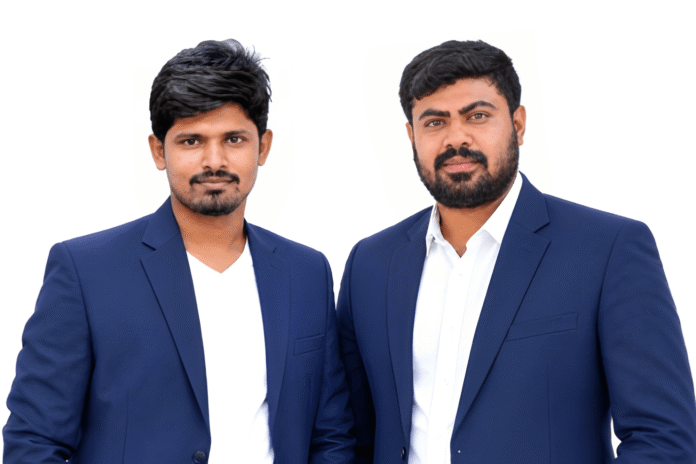
Founded in 2017 by Naman Shah and Aakash Shah, NowPurchase aims to modernise how metal manufacturers procure raw materials and manage production. The platform enables the sourcing of scrap, alloys, and additives while also operating scrap processing centres and branded product lines.

Moreover, the company’s proprietary software platform, MetalCloud, integrates IoT sensors and computer vision to help factories digitise operations and optimise production efficiency. This combination of procurement and technology addresses long-standing challenges in the metal industry, such as fragmented supply chains, inconsistent pricing, and limited visibility.

Commenting on the development, Naman Shah stated, “This investment will accelerate our investment in R&D capabilities and scrap recycling infrastructure to drive innovation and create meaningful value for our customers… NowPurchase is well-positioned to double down on its core operations and continue scaling with strong unit economics.”

At the same time, Aakash Shah highlighted that the funding will drive the expansion of MetalCloud, the company’s AI-powered platform. He emphasised that the company sees artificial intelligence as a key enabler in transforming shop-floor operations by identifying patterns, reducing waste, and improving production consistency rather than replacing human decision-making.

Furthermore, investors echoed confidence in the company’s growth trajectory. Lakshmi Iyer of Bajaj Alternates noted that the investment comes at a crucial stage, citing NowPurchase’s nationwide presence, global ambitions, and AI capabilities as major growth drivers. Similarly, Girish Jhunjhunwala underlined the importance of technology-led efficiency and resilient supply chains in supporting long-term growth.

With this latest round, NowPurchase has raised approximately Rs 120 crore in total equity funding to date. Previously, in 2024, the company secured $6 million in a mix of equity and debt financing led by Info Edge Ventures.

Meanwhile, this funding aligns with a broader trend of increasing investor interest in technology-driven B2B procurement platforms within manufacturing and metals. Companies such as Zetwerk, OfBusiness, and Metalbook have gained traction by digitising sourcing, financing, and production processes.

Notably, Zetwerk recently initiated its IPO journey with a confidential filing with SEBI, while OfBusiness and Metalbook continue to build full-stack platforms integrating procurement, credit, logistics, and data-driven manufacturing services.

NowPurchase’s latest funding round underscores the growing momentum behind digital transformation in India’s industrial ecosystem. As supply chains evolve and demand for efficiency rises, platforms that combine procurement with advanced technologies like AI and IoT are well-positioned to reshape the future of manufacturing.

Travomint operator SNVA Traveltech plans IPO via confidential route, targets market flexibility

0

SNVA Traveltech Ltd., which operates the online travel platform Travomint, has filed preliminary papers with the Securities and Exchange Board of India (SEBI) through the confidential route for an Initial Public Offering (IPO).

In a public notice issued on Wednesday, the Noida-based company confirmed that it submitted its pre-filed draft red herring prospectus to SEBI and stock exchanges on March 30 in connection with the proposed offering. By choosing the confidential pre-filing route, the company can seek regulatory feedback on its draft documents without making them publicly available at this stage.

Moreover, this approach has gained traction among companies in recent years, as it provides greater flexibility during IPO planning. It also allows firms to better align their listing strategies with prevailing market conditions before proceeding with a public filing.

Founded in 2017, Travomint delivers technology-driven travel solutions to a global customer base. The platform offers an integrated booking experience that includes flights, hotels, car rentals, airport transfers, and travel insurance. Additionally, it operates through both its website and mobile applications on Android and iOS, ensuring seamless accessibility for users.

Furthermore, the company has established a presence in more than 50 countries, supported by multi-currency payment systems and multilingual interfaces. This global footprint enables Travomint to cater to a diverse range of customers across markets.

SNVA Traveltech’s move to file for an IPO through the confidential route reflects a strategic approach to capital market entry. As competition intensifies in the online travel space, the company’s global reach and tech-driven offerings could position it well for future growth, provided it successfully navigates regulatory approvals and market dynamics.

India real estate sees $1.4 Billion institutional investment in Q1 2026: Vestian

0
Shrinivas Rao, FRICS, CEO, Vestian

India’s real estate sector recorded its highest first-quarter institutional investment inflow since 2022, reaching $1.4 billion during January–March 2026, according to a report by Vestian.

Although investments declined 62 per cent on a quarterly basis due to an exceptionally high base in the previous quarter, they increased sharply by 74 per cent compared to the same period last year. This trend highlights sustained investor confidence in India’s real estate market despite intensifying global headwinds.

Moreover, commercial assets dominated investment activity in Q1 2026, accounting for 80 per cent of total inflows, a significant rise from 38 per cent a year earlier. Strong demand from Global Capability Centres (GCCs) primarily drove this surge, reinforcing the attractiveness of office and commercial spaces.

Commenting on the trend, Shrinivas Rao, CEO of Vestian, stated, “With a sharp uptick in domestic investments, India’s real estate sector continues to demonstrate resilience in the face of rising geopolitical tensions and macroeconomic headwinds.” He further added, “As foreign participation moderates, domestic capital is sustaining the market momentum, while GCC-led demand continues to bolster confidence in commercial assets—reinforcing India’s appeal as a long-term investment destination.”

In value terms, commercial real estate attracted over $1.1 billion in investments, marking a substantial 266 per cent year-on-year growth, even though it witnessed a 51 per cent decline compared to the previous quarter.

On the other hand, residential real estate investments declined significantly. Specifically, inflows into residential assets dropped 53 per cent quarter-on-quarter and 59 per cent year-on-year to $0.2 billion in Q1 2026. However, despite the decline in absolute figures, the segment’s share in total investments increased slightly to 15 per cent from 12 per cent in the preceding quarter.

At the same time, domestic investors emerged as key drivers of growth in an increasingly volatile global environment. Their share in total investments rose sharply from 22 per cent in the previous quarter to 72 per cent in Q1 2026, indicating a strong shift toward local capital supporting the market.

India’s real estate sector continues to demonstrate resilience and adaptability, supported by robust domestic participation and strong commercial demand. While global uncertainties and declining foreign investments pose challenges, the sustained momentum in commercial assets and rising domestic capital position the sector for steady long-term growth.

FirstCry parent raises stake in Candes to 92% in strategic buyout

0

Brainbees Solutions, the parent entity of FirstCry, has announced that its subsidiary Globalbees Brands has acquired an additional stake in Candes Technology, further consolidating its presence in the consumer electronics segment.

The company executed the transaction as a cash deal at Rs 37,250 per share. Specifically, Globalbees purchased an additional 30% stake from existing shareholders, thereby increasing its total shareholding in Candes from 62% to 92%. As a result, the move significantly strengthens Globalbees’ controlling interest in the brand.

Founded in January 2021, Candes Technology operates as a home appliances company that manufactures and sells a range of smart electrical products, including fans, geysers, heaters, and kitchen appliances. Notably, the brand focuses on delivering affordable consumer electronics to a wide customer base.

The acquisition, which concluded on March 31, 2026, strategically enhances Globalbees’ footprint in the electronics category. Moreover, this move aligns with its broader strategy of scaling high-growth digital-first brands across multiple segments.

Meanwhile, Brainbees Solutions reported a 12% year-on-year increase in revenue for the quarter ended December 2025. However, despite revenue growth, the company’s losses widened significantly during the same period. FirstCry’s revenue from operations rose to Rs 2,424 crore in Q3 FY26, compared to Rs 2,172 crore in Q3 FY25, according to its unaudited financials filed with the National Stock Exchange.

In terms of cost structure, procurement expenses accounted for 64% of total expenditure and increased by 15% to Rs 1,580 crore from Rs 1,369 crore a year earlier. Additionally, employee benefit expenses stood at Rs 197 crore in Q3 FY26, which included Rs 57 crore in ESOP-related costs.

Consequently, losses expanded to Rs 38 crore in Q3 FY26, up from Rs 15 crore in Q3 FY25. However, for the nine-month period ending December 2025, losses remained largely stable at Rs 154 crore, compared to Rs 153 crore in the corresponding period last year.

While Brainbees Solutions continues to strengthen its portfolio through strategic acquisitions like Candes, the company must address rising costs and profitability challenges to sustain long-term growth in an increasingly competitive consumer and electronics market.

Rethinking Hospitality Through Private Homes

0
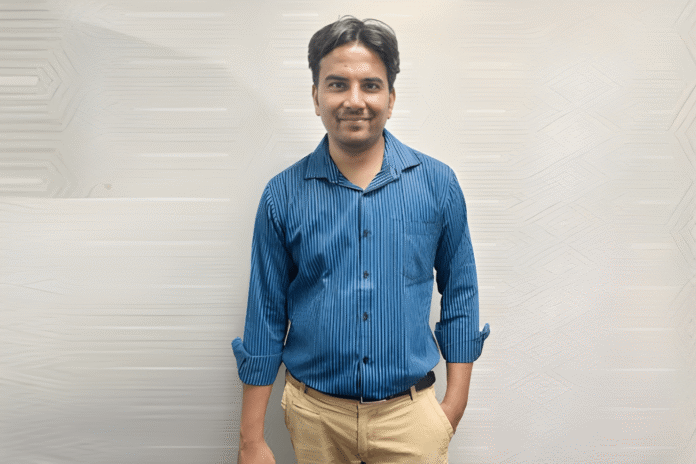
Devendra Parulekar, the Founder of SaffronStays

In an evolving travel landscape shaped by digital transformation, changing consumer behaviour, and the growing demand for personalised experiences, the idea of “home” is being redefined, with the rise of the private home segment transforming modern travel choices. Beyond traditional hospitality models, a new category is emerging where emotional connection, authenticity, and curated living spaces are becoming central to decision-making. This shift is not only influencing where people stay but also how they choose to connect, celebrate, and unwind, positioning experiential travel and premium villa stays at the forefront of India’s hospitality evolution.

At the centre of this transformation is Devendra Parulekar, the Founder of SaffronStays, who has built a distinctive brand rooted in trust, emotional value, and consistent quality. In an exclusive interview with Business Review Live, the conversation explores key insights into India’s evolving travel ecosystem, including the rise of private, self-contained stays, the growing relevance of hinterland destinations, and the balance between technology, marketing strategy, and human connection. The discussion offers a forward-looking perspective on how data-driven decision-making and authentic guest experiences are shaping sustainable growth in the modern hospitality landscape.

1. When was the moment or experience that inspired you to build SaffronStays and convinced you that India needed a curated network of private luxury homes?

SaffronStays was born out of a deeply personal insight shaped by early experiences of the warmth and authenticity found in private guest houses associated with the Tata Group. These homes stood out for their intimacy, thoughtful service, and genuine sense of hospitality. Over time, it became clear that such experiences were limited and would no longer be accessible in the same way, prompting a broader question around why these carefully managed private homes were not available to a wider audience of families.

A decade later, in 2016, this realisation led to a decisive shift away from corporate careers to build what had long been envisioned. The outcome was SaffronStays, a curated network of private villas and bungalows designed to offer families a space to come together, slow down, and create meaningful connections.

2. How does the SaffronStays business model function behind the scenes, and what makes it sustainable in the long run?

The model is built on a clear understanding of the emotional and personal significance attached to private homes. Homeowners are not typical property owners; they are custodians of spaces built over time or inherited across generations. The approach focuses on partnering with them to unlock the full potential of these homes while managing operations end-to-end, including staffing, food, maintenance, and the overall guest experience.

Instead of relying on lease-based structures or minimum guarantees, the model ensures that incentives remain closely aligned. When a property performs well, both the homeowner and the brand benefit, creating a shared sense of ownership. This alignment strengthens long-term discipline, fosters trust, and supports sustainable growth.

3. With so many stay platforms today, what differentiates SaffronStays for guests and homeowners?

The differentiation lies in a strong foundation of emotion and consistency. The model does not operate as a listings platform, nor does it aim to span every price segment. Instead, the focus remains on building a legacy brand firmly positioned within premium, upscale, and luxury villas.

For guests, the experience is defined by trust, personalised home-style hospitality, and a consistent standard across hygiene, safety, food, and service. For homeowners, the approach ensures that the identity of each home is preserved, the asset is protected, and operations are professionally managed without converting a personal space into a conventional hotel environment.

4. Each home is unique. How do you ensure a consistent guest experience across your portfolio?

Consistency is delivered by standardising the essentials while preserving the unique character of each home. Every guest is welcomed by trained caretaking families and supported by spotless linen, clean bathrooms, strong safety standards, and authentic home-cooked meals prepared using local ingredients.

At the same time, the approach deliberately avoids hotel-style butler service. These spaces are positioned as homes rather than hotels, allowing guests to feel at ease while relaxing, cooking together, swimming, or simply enjoying the natural charm and individuality of the environment.

5. How is technology, especially AI, shaping your operations from pricing and bookings to guest experience and home management?

Technology plays a critical role in managing a wide and geographically diverse portfolio with efficiency. It enhances capabilities across forecasting, pricing optimisation, operational audits, team training, and seamless booking workflows, enabling more structured and scalable operations.

At the same time, technology is positioned as an enabler rather than a replacement for what truly defines the experience. The human warmth of caretakers, the authenticity of home-cooked food, and the emotional comfort of real homes remain at the core, ensuring that the essence of hospitality is preserved.

6. What emerging travel trends do you believe will dominate 2026?

The next phase of Indian travel is being shaped by three distinct and powerful shifts. Celebration-led travel is witnessing rapid growth, with villas increasingly becoming the preferred choice for occasions such as birthdays, reunions, bachelorettes, rokas, photoshoots, and even pet-centric celebrations. This reflects a broader move towards more personalised and experience-driven travel.

At the same time, group travel is playing a key role in democratising premium stays. By sharing the cost of a villa, groups are able to transform what would traditionally be high nightly rates into more accessible per-person contributions, making upscale experiences attainable for a wider audience.

Additionally, hinterland destinations are gaining strong momentum. Improved infrastructure, including highways, expressways, and Vande Bharat connectivity, is expanding access to previously underexplored locations such as lakes, mountains, and coastal regions, further diversifying travel preferences.

7. How have guest expectations evolved since 2020, and what major shifts are shaping how India travels today?

Private, self-contained stays have moved firmly into the mainstream, reflecting a clear shift in guest preferences. There is a growing emphasis on safety, hygiene, reliable Wi-Fi, home-style food, and the freedom to enjoy spaces exclusively within one’s own group. Travel patterns are also evolving, with a noticeable rise in multi-generational trips, women-led groups, and pet-friendly experiences.

At the same time, improved road connectivity has significantly influenced behaviour, leading to a strong increase in driveable vacations as travellers seek convenience, flexibility, and more personalised journeys.

8. What is the most underrated or misunderstood challenge in the premium homestay segment?

A significant yet often overlooked aspect of the business lies in the deep emotional connection homeowners have with their villas. These are not transactional assets, but highly personal spaces built with care or passed down as cherished legacies. Building trust and enabling homeowners to open these homes to guests remains one of the most complex and sensitive challenges.

At the same time, guest expectations continue to align with hotel-grade standards. Balancing these two worlds requires a thoughtful approach grounded in sensitivity, empathy, transparency, and strong operational systems that can uphold quality without compromising the personal essence of each home.

9. How do you balance expectations between homeowners and guests when their priorities often differ?

Balance is achieved through transparent communication and a deep respect for both stakeholders. Homeowners prioritise the protection and integrity of their homes, while guests seek consistency and predictability in service.

The approach maintains strong backend discipline through structured training, regular audits, and well-defined processes, ensuring reliability at scale. At the same time, the individuality and emotional warmth of each home are carefully preserved. This balance creates a foundation of trust that supports both homeowner confidence and guest satisfaction.

10. What is next for SaffronStays—new regions, categories, or experiential verticals?

India’s interior travel landscape is witnessing rapid expansion, driven by the development of new highways, expressways, and enhanced rail connectivity. This shift is enabling a deeper presence across regions such as Uttarakhand, Himachal Pradesh, Jammu and Kashmir, Maharashtra’s lake belts, Goa, and key religious corridors including Vrindavan.

Alongside this geographic expansion, there is a growing focus on strengthening a curated portfolio of heritage homes and investing in experiential villas that immerse guests in regional culture, local food traditions, and natural surroundings. This evolving approach reflects a broader belief that the next phase of Indian travel will be shaped by these emerging and previously underexplored hinterlands.

11. What economic or social impact does SaffronStays create for local communities, caretakers, and service staff?

Each home functions as an ecosystem that supports multiple livelihoods, including caretakers, cooks, housekeeping teams, local farmers, drivers, vendors, and other regional service providers. Many caretaking families have been associated with these estates for generations, and the introduction of structured professional management enables more stable and sustainable long-term income opportunities.

At the same time, there is a conscious effort to revive and sustain regional culinary traditions. This includes bringing forward pahadi flavours from Uttarakhand and Goan and coastal cuisines, as well as influences from the Nilgiris, ensuring that local food heritage continues to be preserved and experienced by guests.

12. What advice would you offer first-time hospitality entrepreneurs in India?

Hospitality as a sector rewards patience, trust, and a high degree of emotional intelligence. The approach emphasises respecting the integrity of each home, investing meaningfully in people, and maintaining a clear focus on a well-defined niche rather than attempting to cater to every segment.

Consistency, genuine value creation for homeowners, and authenticity in guest experiences remain central to this philosophy. The model is not driven purely by return on investment but by return on emotion. When that foundation is established effectively, it naturally drives all other outcomes.

OpenAI raises $122 Billion, eyes IPO amid explosive AI growth

0

OpenAI announced that the startup reached a staggering valuation of $852 billion following the successful closure of a $122 billion funding round. Notably, the funding exceeded earlier projections, highlighting the rapidly rising costs of computing infrastructure while also underscoring ongoing concerns about whether AI firms can sustainably generate enough revenue to offset these expenses.

Moreover, OpenAI emphasized the broader impact of this capital infusion, stating, “The capital being deployed today is helping build the infrastructure layer for intelligence itself.” The company further added, “Over time, that value will flow back into the economy, to companies, to communities, and increasingly to individuals.”

At the same time, the ChatGPT developer revealed that its revenue run rate has reached $2 billion per month and continues to grow at a fast pace. In addition, the funding round drew participation from a diverse mix of strategic partners, including Amazon, Microsoft, Nvidia, and SoftBank. Interestingly, around $3 billion of the total funding reportedly came from individual investors, marking an unusual move for a deal of this scale.

Meanwhile, ChatGPT continues to dominate the consumer AI landscape, boasting over 900 million weekly active users and approximately 50 million paid subscribers. Furthermore, OpenAI noted that usage of ChatGPT’s online search capabilities has tripled over the past year, reflecting increasing reliance on AI-powered tools.

Commenting on this growth trajectory, the company stated, “These are not just growth milestones—they show that frontier AI is becoming part of everyday life for people around the world.”

In addition to scaling its core offerings, OpenAI has started diversifying its revenue streams. For instance, the company began rolling out advertising for non-premium users earlier this year to boost monetization. Simultaneously, it is working on building a comprehensive “superapp” that aims to integrate ChatGPT, web browsing, a Codex coding assistant, and advanced agentic capabilities designed to autonomously perform tasks.

Looking ahead, the funding round arrives amid growing speculation that OpenAI is preparing for an initial public offering (IPO) later this year. However, competition in the AI sector continues to intensify. Rival firm Anthropic, founded by former OpenAI employees, has been gaining traction with its Claude AI models and recently secured a $30 billion funding round. Likewise, Google’s Gemini AI and Elon Musk’s xAI are emerging as strong contenders, attracting both users and investment.

Ultimately, OpenAI’s latest funding milestone not only cements its leadership position in the global AI race but also signals a broader shift toward AI becoming a foundational layer of the digital economy. As investments accelerate and competition deepens, the coming months will likely determine how effectively these companies can translate technological advancements into sustainable business models.

Workspace solutions firm IndiQube signs Rs 75-Cr workspace deal with healthcare GCC in Bengaluru

0
Rishi Das and Meghna Agarwal, co-founders, IndiQube

IndiQube Spaces Limited, an integrated tech-enabled workspace solutions provider, has announced the signing of a workspace leasing agreement with a leading Global Capability Centre (GCC) in the healthcare technology sector. This development highlights the growing demand for flexible and scalable office solutions among global enterprises.

Under the agreement, the client has leased over 48,000 sq. ft. of premium Grade A workspace along the Outer Ring Road (ORR) corridor in Bengaluru, one of the city’s most sought-after commercial micro-markets. Notably, the valuation stands approximately a Rs 75 crore over a five-year tenure, reflecting strong leasing momentum in India’s office space market.

Commenting on the deal, Rishi Das, Cofounder of IndiQube, said, “We are seeing a clear acceleration in demand from GCCs, especially in sectors like healthcare technology, where India is becoming a hub for global innovation and delivery. These organizations are setting up highly specialized teams and are looking for workspace partners like IndiQube who can support them with speed, flexibility, and reliability.”

Adding further perspective, Meghna Agarwal, Cofounder of IndiQube, said, “GCCs today account for close to 40% of our portfolio, and what stands out is their clear preference for strategically located, high-quality workspaces within established talent catchments like ORR. With a ‘follow the talent’ approach, we have focused on building depth within key talent catchments, enabling us to support GCCs across different stages of growth and evolving operational needs.”

Financially, IndiQube has demonstrated strong growth momentum. For Q3 FY26, the company reported revenue of Rs 395 crore, marking a 45% year-on-year increase, while total income stood at Rs 403 crore. Furthermore, for the first nine months of FY26, revenue reached Rs 1,063 crore. The workspace solutions company also reported a profit after tax of Rs 40 crore for the December quarter and Rs 95 crore for the nine-month period on a reported basis.

IndiQube’s latest leasing deal underscores the rising importance of India as a GCC hub, particularly in high-growth sectors like healthcare technology. As demand for flexible, high-quality workspaces continues to surge, the company will capitalise on this trend and strengthen its presence in key commercial corridors like Bengaluru’s ORR.