
Friday, July 31, 2026
Home Blog Page 59

ELIVAAS partners with Alivaa Hotels & Resorts to strengthen hospitality distribution in India

0

Luxury villa hospitality platform ELIVAAS has announced a strategic sales and marketing partnership with Alivaa Hotels & Resorts to enhance distribution capabilities and broaden access across India’s leisure and corporate travel segments. Through this collaboration, the two hospitality brands aim to strengthen their market presence while leveraging each other’s networks to improve property visibility across multiple distribution channels.

Under the agreement, both companies will provide mutual support in sales, marketing, and brand representation for their respective properties. As a result, the alliance seeks to increase exposure across partner ecosystems and travel distribution platforms, thereby enabling both organisations to reach a wider customer base.

Meanwhile, ELIVAAS has steadily expanded its footprint in premium leisure destinations through its brands ELIVAAS and Alaya Stays. The company focuses on offering private luxury villas and experiential accommodations designed for group travel, celebrations, and curated holiday experiences. By emphasising personalised hospitality and premium villa stays, the platform continues to attract travellers seeking exclusive leisure experiences.

On the other hand, Alivaa Hotels & Resorts operates a portfolio of midscale to upscale hotels under brands such as Alivaa, The Hoften, and Xenious. These properties cater to both leisure and business travellers across multiple locations in India. Consequently, the collaboration combines ELIVAAS’s strong presence in the luxury villa hospitality segment with Alivaa’s growing footprint in the hotel industry.

Importantly, while both companies will collaborate on distribution and marketing initiatives, they will continue to operate independently and manage their respective brand portfolios separately. This structure allows each organisation to retain its strategic focus while benefiting from shared market access and promotional capabilities.

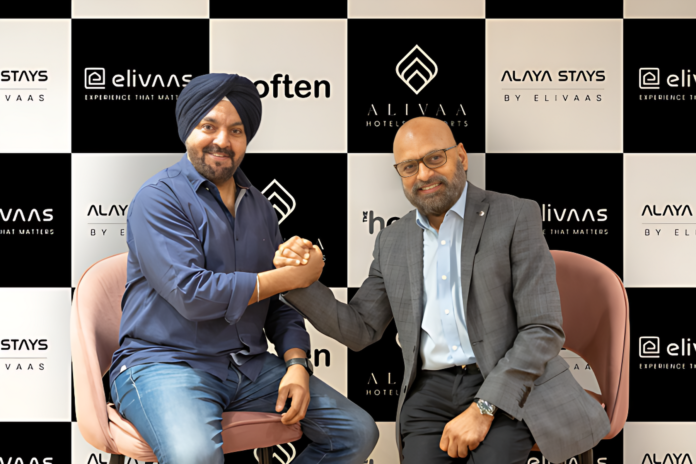
Ritwik Khare, Founder and Chief Executive Officer, ELIVAAS, said, “As travel demand becomes more diverse across leisure, corporate, and experiential segments, distribution partnerships are becoming increasingly important for hospitality brands. This alliance allows both organisations to leverage complementary strengths in sales outreach and market access while continuing to operate and grow our respective portfolios independently.”

Vikramjit Singh, Founder, Alivaa Hotels & Resorts, added, “This alliance marks a significant milestone for Alivaa and ELIVAAS. By combining our portfolios and expertise with ELIVAAS, we are confident that we can achieve deeper penetration and a greater competitive advantage for both the brands.”

Overall, the partnership reflects a growing trend within the hospitality industry where brands collaborate to strengthen distribution reach and tap into diverse travel segments. By combining resources and networks, both ELIVAAS and Alivaa aim to enhance market visibility while delivering more varied accommodation options to travellers across India.

The strategic alliance between ELIVAAS and Alivaa Hotels & Resorts represents an important step toward expanding hospitality distribution and improving customer access across leisure and corporate travel markets. As travel demand continues to evolve, such collaborations could play a crucial role in driving growth, strengthening brand visibility and enhancing the overall guest experience in India’s rapidly expanding hospitality sector.


AI startup Thrive Global AI reports $2.5 Mn revenue in first eight months

0

New Delhi-based artificial intelligence startup Thrive Global AI has achieved an early milestone by generating USD 2.5 million in revenue within its first eight months of operations. In addition, the bootstrapped platform has secured USD 4.5 million in order bookings, highlighting strong early demand for its enterprise-focused AI solutions.

At the same time, the company introduced its Real-Time Analytics Module, a patented technology that integrates supply chain and marketing analytics directly with core business operations.

Founded by Priyanka Aeron, Thrive Global AI aims to solve a persistent challenge faced by brands operating across multiple markets—fragmented data spread across regions. This fragmentation often leads to inconsistent insights, delayed reporting, and slower business decision-making.

To address this issue, the platform consolidates data from multiple business functions. Moreover, it frequently processes information within a client’s own cloud infrastructure, ensuring both data security and regulatory compliance. The system also connects seamlessly with internal enterprise systems and third-party platforms such as Amazon and Noon through API integrations.

Unlike many generic AI tools available today, Thrive Global AI develops custom large language models (LLMs) tailored to each client’s supply chain cycles, business benchmarks, and operational definitions. According to the company, these customised models are typically deployed within two to three weeks, enabling faster implementation and measurable results.

Furthermore, the platform merges offline and online sales data to create what the company describes as a single source of truth. As a result, it effectively functions as a company-specific AI assistant that supports data-driven business decision-making.

The technology supports several practical use cases, including predicting stock-out risks, identifying high-return investment opportunities, improving refill planning, and optimising marketing expenditure. According to the company, brands using the platform have reported 200–300 percent growth, driven by improved capital efficiency, stronger inventory control, and better marketing timing.

Commenting on the company’s vision, founder Priyanka Aeron emphasized that the future of artificial intelligence will rely less on experimentation and more on effective integration into real-world business operations.

“AI’s future will not be shaped by who experiments the fastest but by who integrates it the smartest. At Thrive Global AI, we are embedding intelligence directly into supply chains, capital strategy, and marketing to deliver measurable revenue outcomes,” she said.

Currently, around 80 percent of Thrive Global AI’s revenue comes from platform subscriptions, access fees, and brand management services, reflecting a strong recurring revenue model.

Looking ahead to 2026, the company plans to focus on enterprise-scale adoption, governance-driven innovation, and sector-specific AI solutions. In particular, it aims to target industries that operate under strict regulatory and compliance frameworks.

Additionally, Thrive Global AI plans to further invest in data governance frameworks and scalable decision-intelligence systems to enhance operational efficiency and reduce costly trial-and-error approaches in enterprise AI adoption.

FabHotels parent Travelstack Tech gets SEBI approval for IPO

0

Travelstack Tech, the parent company of budget hospitality brand FabHotels, has received approval from the Securities and Exchange Board of India (SEBI) to move forward with its initial public offering (IPO).

According to SEBI’s latest update, the Bengaluru-based company has obtained the regulator’s observation letter, which allows it to proceed with the planned public issue. Earlier, the company had filed its Draft Red Herring Prospectus (DRHP) in December last year as part of the listing process.

As outlined in the DRHP, the IPO will include a fresh issue of equity shares worth Rs 250 crore. In addition, the offering will feature an offer for sale (OFS) of up to 2.68 crore equity shares by existing shareholders.

The OFS component will involve partial stake sales by several early investors, including Accel, Goldman Sachs, and Qualcomm. Additionally, angel investor Anupam Mittal will also sell a portion of his shareholding through the public offering.

Furthermore, the company’s founders, Vaibhav Aggarwal and Adarsh Manpuria, are expected to offload part of their stakes as part of the OFS.

According to the filing, the company plans to utilize the proceeds from the fresh issue primarily to meet working capital requirements. Moreover, the funds will help repay certain borrowings and support general corporate purposes.

The IPO will be managed by Motilal Oswal Financial Services, IIFL Capital, and Nuvama Wealth Management, while MUFG Intime will serve as the registrar to the issue.

The DRHP also highlights the company’s shareholding structure. Accel India currently stands as the largest external shareholder, holding a 21.75 percent stake in the company. Meanwhile, Qualcomm Asia holds around 8 percent, while co-founder Vaibhav Aggarwal owns 19.20 percent.

Founded in 2014, FabHotels has grown significantly in India’s budget hospitality segment. Today, the company operates more than 1,300 properties across over 50 cities, including Mumbai, the National Capital Region, Bengaluru, and Goa.

From a financial perspective, the company reported operating revenue of Rs 400 crore in the first half of FY26. Additionally, it recorded a net profit of Rs 32 crore for the six-month period ending September 2025, according to the DRHP.

With this approval, Travelstack Tech joins a growing list of companies preparing for public listings. Other firms that have recently received SEBI’s nod include Leap India, Turtlemint, Molbio Diagnostics, and Infra.Market.

upGrad to acquire Unacademy in 100% share swap deal, Gaurav Munjal to continue as CEO

0
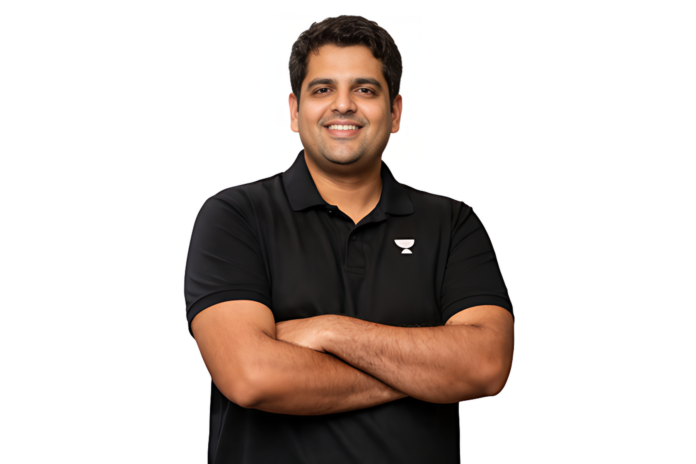
Gaurav Munjal, CEO, Unacademy

In a significant development in India’s edtech sector, Ronnie Screwvala-led upGrad has signed an agreement to acquire Unacademy through an all-stock, 100 percent share swap deal. The strategic move highlights the ongoing consolidation within the online education industry as companies seek stronger growth and innovation.

As part of the agreement, Unacademy co-founder Gaurav Munjal will continue to lead the company as CEO, where he will focus on expanding the platform’s online education offerings and global presence.

“Unacademy and upGrad have signed a term sheet for upGrad to acquire Unacademy in a 100 percent share swap deal. Neither side will disclose the valuation until closing, when the papers are filed and the transaction becomes public. I will be staying back as Co-Founder and CEO of Unacademy—with the goal to build great online products for learners in India and globally,” Unacademy CEO Gaurav Munjal said in a post on X.

Meanwhile, upGrad Co-Founder Ronnie Screwvala confirmed that the agreement includes a break fee clause, which would apply if the acquisition does not reach completion.

In addition, Munjal highlighted that Unacademy currently holds cash reserves of more than USD 100 million. He also explained that the company has recently restructured its operations, consolidating company-operated learning centers while partnering with franchise operators to improve efficiency.

Furthermore, Munjal pointed to the growing traction of Airlearn, the company’s global product, which is steadily gaining popularity in international markets such as the United States, Germany, and the United Kingdom.

“Unacademy helped invent the Modern EdTech Playbook. Along the way we lost some focus and market share, and the sector itself has not seen enough real product innovation in recent years. AI will fundamentally reshape education, and EdTech may become one of its biggest beneficiaries,” Munjal said, adding that the partnership with upGrad will allow the entity to “build great products from K12 to forever learning.”

The proposed acquisition of Unacademy by upGrad marks a major milestone in India’s evolving online education industry. By combining resources, technology, and market reach, the two companies aim to strengthen their position in both domestic and international markets.

The partnership expects to accelerate product innovation, AI-driven learning solutions, and global expansion while enabling the combined entity to build a comprehensive learning ecosystem—from K12 education to lifelong learning opportunities.

Google and Accel back 5 AI startups as ‘Wrapper’ Models dominate applications

0
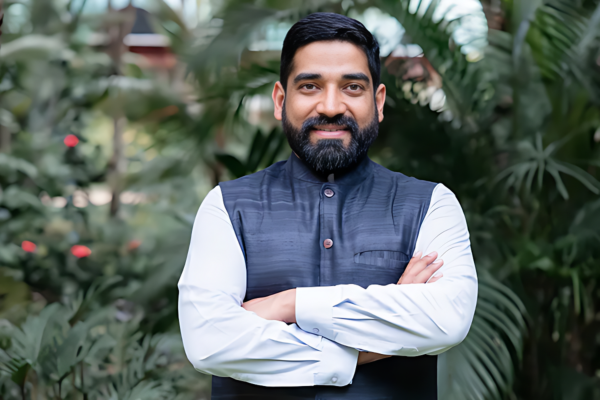
Prayank Swaroop at Accel

India’s rapidly expanding artificial intelligence startups is attracting thousands of founders, but investors are becoming increasingly selective about the ideas they support. As AI technology evolves, venture firms are paying closer attention to startups that build original workflows and deep AI capabilities, rather than simply layering basic features on existing models.

During the evaluation of more than 4,000 applications for the joint AI accelerator for Indian startups run by Google and venture firm Accel, many of the proposals fell into a similar pattern. According to Accel partner Prayank Swaroop, a significant portion of these applications focused on building so-called “wrapper” startups—companies that place simple AI features on top of existing platforms. However, none of those ideas made it into the latest cohort of five selected startups.

The AI-focused Atoms program, announced in November by Google and Accel, aims to support early-stage startups developing AI products connected to India’s ecosystem. The startups chosen for the new cohort will receive up to $2 million in funding from Accel and Google’s AI Futures Fund. In addition, they will gain access to up to $350,000 in cloud and AI compute credits from Google to accelerate development.

Swaroop explained that nearly 70% of the rejected applications were “wrappers.” These startups often added AI-powered features such as chatbots to existing software but lacked deeper innovation.

“Wrapper” startups layered AI features such as chatbots on top of existing software but “were not reimagining new workflows using AI,” Swaroop said.

Meanwhile, many of the remaining rejected applications focused on highly saturated sectors, including marketing automation and AI recruitment tools. According to Swaroop, startups in these segments frequently struggle to differentiate themselves because multiple companies are already competing with similar solutions.

The large number of similar ideas was partly driven by the growing interest in AI entrepreneurship in India. This year’s program received almost four times more applications compared to previous cohorts of Accel’s Atoms initiative. Notably, a significant share of applicants were first-time founders, highlighting the enthusiasm surrounding AI-driven businesses.

At the same time, India’s AI startup landscape remains heavily enterprise-focused. Swaroop noted that about 62% of the submissions centered on productivity tools, while another 13% targeted software development and coding solutions. As a result, nearly three-quarters of all applications focused on enterprise software, rather than consumer-facing AI products.

Interestingly, Swaroop also pointed out that he expected to see more ideas related to healthcare and education, sectors where AI could potentially create meaningful social impact.

From Google’s perspective, the final selection reflects areas where the company expects AI adoption to deepen in real-world applications.

Jonathan Silber, co-founder and director of Google’s AI Futures Fund, said the startups chosen for the program closely match industries where AI can drive practical and scalable impact.

Importantly, the program does not require participating startups to rely solely on Google’s AI models. Silber emphasized that many companies use multiple AI models depending on their workflows, which allows them to optimize performance and flexibility.

The initiative also serves a broader strategic purpose for Google. By observing how startups use different AI technologies in real-world scenarios, the company can gather valuable insights that help improve future models.

Participating startups share insights with Google DeepMind teams, enabling engineers to refine AI capabilities based on real product usage.

Silber described this approach as creating a feedback loop between startups and AI developers.

“If a company is using an alternative model, that means Google has work to do to build the best model in the market,” he said.

With growing interest from founders and investors alike, the country’s AI ecosystem is likely to evolve toward more specialized, scalable, and transformative solutions.

Preventive paincare startup Betterhood raises Rs 5-Cr to expand preventive paincare solutions in India

0
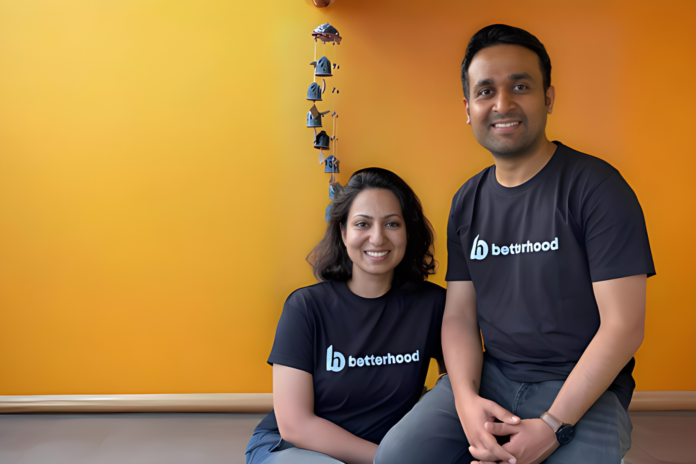
Neha Zade & Vikram Kadam, co-founders, Betterhood

Preventive paincare startup Betterhood has raised Rs 5 crore in seed funding, led by Kairon Capital, with participation from several prominent angel investors. The investors include Yogesh Kabra of XYXX, Rishubh Satiya of Plix, Rohit Chawla and Sifat Khurana of Innovist, and Shayamal Vallabhjee, a sports scientist and performance coach.

The company will use the newly raised capital to accelerate product development, strengthen its team, and expand its distribution network across both offline and online channels, including e-commerce and quick commerce platforms, founder Vikram Kadam said.

Founded in 2024 by Vikram Kadam and Neha Zade, Betterhood focuses on preventive solutions for pain care and musculoskeletal health. The startup offers products across categories such as posture support, orthotic support, knee and wrist support, and pain relief solutions, aiming to help users manage and prevent physical discomfort more effectively.

“Most consumers in India still respond to pain only after it has become persistent enough to affect everyday life. We believe the real opportunity lies in shifting that behavior earlier—towards prevention, posture correction, recovery, and long-term musculoskeletal care,” Kadam said.

Since its launch, the preventive paincare startup has already served over 60,000 customers. Moreover, the company plans to expand its offline presence in the coming months by partnering with physiotherapy clinics, running communities, and opening wellness stores.

“Musculoskeletal issues today are lifestyle-rooted—shaped by how modern Indians work, commute, move, and rest. This is why Betterhood’s products are designed with the modern user at the centre,” said Zade.

In addition to selling products, Betterhood also provides digital tools on its website that help users identify the root causes of pain in the neck, back, shoulders, and knees. Furthermore, the platform offers a posture analysis tool and has introduced a certification programme for physiotherapists.

Commenting on the investment, Deepankur Malhotra, founder and managing partner at Kairon Capital, said, “Betterhood is addressing a large and highly underserved consumer need at the intersection of health, wellness, and lifestyle. What stood out to us was the founders’ clarity of thought, strong early execution, and the opportunity to build a differentiated, education-led brand in preventive pain care.”

Going forward, the company seeks to encourage consumers to shift from reactive pain treatment to proactive pain prevention, while expanding its reach to a broader base of health-conscious users across the country.

CARS24 acquires Vehicle Info to expand digital vehicle ownership platform

0

Global used-car marketplace CARS24 has acquired automotive utility platform Vehicle Info from Surat-based Vasundhara Infotech LLP for an undisclosed amount, according to an official statement. Through this acquisition, the company aims to strengthen its digital ecosystem for vehicle owners.

Vehicle Info provides users with multiple vehicle-related services through a single digital platform. Consequently, the application allows vehicle owners to access important vehicle information conveniently online.

The app enables users to check vehicle registration details while also allowing them to view and pay traffic challans. In addition, the platform helps users verify insurance validity, track vehicle service history, and access other essential automotive data through one interface.

Meanwhile, the acquisition aligns with CARS24’s broader strategy to expand beyond vehicle transactions. The Gurgaon-based company therefore plans to develop a full-stack digital platform that supports vehicle ownership throughout its lifecycle.

CARS24 co-founder and CEO Vikram Chopra stated that Vehicle Info will continue operating as a standalone application with its existing team. However, he emphasised that both teams will collaborate closely to pursue a shared long-term vision.

He said, “Work together on a shared vision: solving vehicle ownership, not just vehicle transactions.”

Chirag Pipaliya, Co-founder at Vasundhara Infotech, said, “Joining hands with CARS24 gives the platform an opportunity to scale that vision further and integrate it into a larger ecosystem that supports users throughout the lifecycle of vehicle ownership.”

As a result, the partnership aims to enhance the digital experience for vehicle owners by integrating automotive utilities with marketplace services. Furthermore, the collaboration will enable the platform to reach a wider user base while strengthening the connected mobility ecosystem.

CARS24 continues to expand its capabilities beyond buying and selling cars. Through the acquisition of Vehicle Info, the company moves closer to building a comprehensive digital platform that simplifies vehicle ownership, improves access to automotive services, and supports users at every stage of their vehicle journey.

The Fern Hotels expands with 100-room Fern Residency Vrindavan Hotel opening by 2029

0
Suhail Kannampilly, Managing Director, The Fern Hotels & Resorts

The Fern Hotels & Resorts has announced the signing of The Fern Residency Vrindavan in Vrindavan, and the company continues to strengthen its presence across North India. As a result, the hospitality group will expand its regional portfolio to 22 operational and upcoming properties.

The proposed hotel will feature 100 well-designed rooms and suites, and the property will cater to both leisure and business travelers visiting the spiritual destination. Moreover, the hotel will include an all-day dining restaurant serving multiple cuisines, while a specialty restaurant will offer additional dining experiences for guests.

The project is being developed in partnership with Appletree Builders & Developers Pvt. Ltd., and the collaboration will bring a branded hospitality experience to the growing tourism hub. Additionally, the hotel will include dedicated meeting and event facilities, including conference rooms and banquet halls designed to host corporate meetings, social gatherings, and celebrations.

Furthermore, the property will feature wellness amenities to enhance the guest experience. These facilities will include a fully equipped gym that will support both short-stay visitors and long-stay guests seeking comfort and convenience.

Suhail Kannampilly, Managing Director, The Fern Hotels & Resorts, said, “Vrindavan is an important spiritual and cultural destination that continues to witness growing interest from both domestic and international travellers. This signing reflects our commitment to expanding in high-potential destinations while delivering sustainable and contemporary guest experiences through our collaboration under The Fern, Series by Marriott.”

Arvind Pratapsingh, Partner, Appletree Builders & Developers Pvt. Ltd., said, “We are delighted to partner with The Fern Hotels & Resorts to introduce a branded hospitality experience in the spiritual city of Vrindavan. With the city witnessing a steady rise in pilgrimage and leisure travel, we believe this collaboration will bring a high-quality stay option that blends comfort, thoughtful amenities, and warm hospitality. We are confident that The Fern Residency Vrindavan, Series by Marriott will emerge as a preferred destination for travellers and social gatherings in the region.”

The company plans to open the hotel in the first half of 2029, and the development will further strengthen its presence in North India’s rapidly growing hospitality market. At the same time, the project will support the rising demand for quality accommodation in Vrindavan, which continues to attract pilgrims, tourists, and cultural travelers from across India and around the world.

The upcoming Fern Residency Vrindavan project will combine modern amenities, branded hospitality, and strategic partnerships, and it will strengthen the company’s long-term growth strategy in the region while meeting the increasing demand for quality stays in Vrindavan.

Apeejay Surrendra Park Hotels signs deal to develop 100-room THE Park Siliguri Hotel

0
Priya Paul, Chairperson, Apeejay Surrendra Park Hotels Limited

Apeejay Surrendra Park Hotels Limited has signed a hotel management agreement with Luxmi Tea Co. Private Limited to develop THE Park Siliguri, a 100-room hotel that will come up within the Chandmani Tea Estate in Siliguri. Through this partnership, the companies aim to create a unique hospitality destination in North Bengal.

The developers will build the project under the Tea Tourism Policy of the Government of West Bengal. They will spread the development across approximately 3.25 acres within the tea estate landscape. Moreover, the project timeline targets completion by March 2031.

The upcoming hotel will stand about 12.7 kilometres from Bagdogra Airport, which will improve accessibility for travellers visiting the region. Furthermore, the property will cater to tourists exploring the eastern Himalayan belt. Siliguri plays a crucial role as the gateway to Sikkim and the Eastern Himalayas, and therefore it serves as a key hub for tourism, trade, and regional connectivity.

In addition, the signing strengthens Apeejay Surrendra Park Hotels Limited’s growing presence in the Himalayan corridor. The company already operates hospitality properties in the region, including Zone by The Park Darjeeling and Zone Connect by The Park Gangtok. Consequently, the new project will further expand the group’s strategic footprint in this important tourism belt.

Priya Paul, Chairperson, Apeejay Surrendra Park Hotels Limited, said, “We are delighted to sign THE Park Siliguri. The city is one of the most dynamic links to the Eastern Himalayas, and we see tremendous opportunity to create a destination that is both rooted in the tea estate legacy while introducing a bold, contemporary perspective on hospitality—creating experiences that are vibrant, design-forward, and Anything But Ordinary™. This project will strengthen the region’s MICE ecosystem while creating meaningful employment and skill development opportunities for young people across Siliguri and the hills. We are confident this collaboration will set a new benchmark for the region.”

Rudra Chatterjee, Managing Director, Luxmi Tea Company Private Limited, said, “We are delighted to partner with THE Park Hotel in Siliguri, as it reflects our strong commitment to Siliguri and the wider North Bengal region as an emerging tourism and business destination. We are equally committed to skill development initiatives that empower talented young individuals from Siliguri, the hills, and across North Bengal.”

Meanwhile, the partnership reflects a broader effort to promote tourism-driven development in the region. The project will also contribute to local employment opportunities while supporting skill development initiatives for young professionals.

With this new signing, Apeejay Surrendra Park Hotels Limited continues to expand its hospitality portfolio across Eastern India. At the same time, the company strengthens its strategic presence in West Bengal while tapping into the tourism and business potential of the eastern Himalayan gateway.

Scottish startup SeaDyes raises £200K to develop sustainable seaweed textile dyes

0

SeaDyes, a startup focused on developing seaweed-based fabric dyes, has entered the company creation phase of Scottish Enterprise’s High Growth Spinout Programme and secured £200,000 in funding. The investment will help the company accelerate its development and commercialisation efforts in the sustainable textile sector.

Marine scientist and biotech innovator Jessica Giannotti founded the company in July 2023. Later, the startup joined the James Hutton Institute at the beginning of 2025 as a spin-in. Since then, the company has operated from the institute’s Invergowrie campus while advancing its proprietary seaweed-derived textile dye technology.

The startup continues to develop natural dyes created from seaweed, which provide a sustainable and non-toxic alternative to conventional petroleum-based dyes. Traditional textile dyes contribute nearly 280,000 tonnes of pollution to the environment each year. Moreover, the textile dyeing and finishing industry remains a major global polluter because it generates around 20% of industrial wastewater pollution and approximately 3% of global CO₂ emissions. Experts also project that these emissions could increase to 10% by 2050 if the industry does not adopt sustainable alternatives.

Meanwhile, SeaDyes has accelerated its innovation with the support of Scottish Enterprise and the James Hutton Institute. Both organisations have provided access to laboratory workspaces, advanced equipment, and commercial guidance through Hutton Scientific Services. As a result, the company has successfully developed viable prototype dyes and engaged with more than 100 potential customers across the textile ecosystem.

In addition, the startup has established multi-year research and development collaborations as well as commercial partnerships with leading industry players. At the same time, the company has strengthened its leadership team by bringing in new experts to support its growth strategy.

SeaDyes recently appointed Isla Fowler as its Textile Innovation Technician. She holds a master’s degree in fashion and textile design from Heriot-Watt University and will contribute to advancing the startup’s textile innovation capabilities. Furthermore, the company has appointed Ian Laird as its Commercial Champion to guide its business expansion and market strategy.

Ian brings more than 30 years of experience in building and scaling companies across multiple industries, including the textiles sector. He has extensive expertise in securing investment, licensing complex industrial processes, and driving innovation through strategic partnerships.

He said, “I’m excited to support the inspirational Jessica Giannotti in her vision to develop bio-based dyes for use in textiles, using seaweed as a sustainable and renewable feedstock.”

Hutton CEO Professor Colin Campbell added, “SeaDyes is a very exciting prospect and an inspiring nature-based approach that aims to solve a historically difficult and intractable problem for the dye industry. We are delighted they are at the James Hutton Institute and tapping into our expertise in natural products.”

Leah Pape, Head of High Growth Services at Scottish Enterprise, added, “This company creation funding marks a pivotal step for SeaDyes, providing the capital and structured support needed to accelerate the journey to spin-out. It will enable the team to build a robust commercial proposition, position the business for investment, and establish SeaDyes as a high-growth company capable of driving more sustainable practices across the textile industry while strengthening Scotland’s industrial biotechnology ecosystem.”

With fresh funding, strong institutional backing, and growing industry partnerships, the startup aims to transform the dyeing process with eco-friendly seaweed-based alternatives while contributing to a more sustainable global textile industry.