
Wednesday, April 29, 2026
Home Blog Page 437

How does a traditional advertisement transform into a modern brand story – the changing face of advertising

0

A story with surprising plot twists leaves a lasting impression on the audience, and they are never the same after hearing it. It contains emotions, which are a vital piece of storytelling, and they are interwoven into a story to connect the mind and heart so that the audience remembers them.

Storytelling has been used as a powerful technique for instilling positive values, culture, and principles and fostering positive perspectives. It applies to people’s personal and professional lives since it shapes and strengthens their opinions and values, allowing them to live extraordinary lives. 

Stories are inextricably linked to people’s daily lives. It helps individuals in locating truths and connecting them to their surroundings. Traditional advertising mainly focuses on delivering commercial messages to mass audiences. However, in recent years, business leaders have been widely using storytelling to influence, teach, and inspire their employees and customers. Customers can have a deeper understanding of the experiences shared and remember the facts when there is an emotional connection in a story.

So let’s delve into how brand storytelling works much better than traditional advertising.

Making a brand memorable: Most organizations have learned that focusing on offering more unique products and services is no longer adequate. They acknowledge that the market is vast, and they want to stand out. 

Storytelling is one of many strategic techniques that makes a brand more memorable than traditional advertising. Because stories can’t be mimicked, articulating the brand’s story, filled with history, struggles, victories, and morals, makes the brand unique. It’s not about the product’s features, facts, or figures, which might be lost in today’s digital era when people are exposed to a massive amount of content daily.

The brand story streamlines facts while emphasizing triggering an emotional response. According to research conducted by Headstream, a leading UK content marketing agency, individuals who like a brand story are 55% more likely to buy the product in the future, 44% more inclined to share the story, and 15% more likely to buy the product instantly.

In the 1990s, De Beers’ advertising with the memorable slogan “A Diamond is Forever” made such an impression that no wedding would be perfect without a diamond ring. The brand also closely connected diamonds to individuals through commercials, as a diamond is the ultimate symbol of everlasting love. De Beers’ advertising enriched brand popularity while making the brand more memorable than facts.

Creating an emotional connection: Surprises are a significant element of emotional storytelling, and they are always featured in successful brand stories. Traditional advertising mostly displayed facts, statistics, and information about the products or services. On the other hand, the brand story always drives action to trigger a response from the audience.

Knowing an audience’s pain points and coming up with a solution is an important message in brand stories that makes them powerful. This is how the emotional connection between the brand and its customers is developed. However, this magical moment will only happen if brands consider what their audiences genuinely require from them.

John Lewis, a UK-based department store chain, is renowned for creating emotional and engaging ads. For example, John Lewis’s 90-second spot, ‘Monty the Penguin ‘released in 2014, tells the story of a friendship between a little boy, Sam, and his penguin friend, Monty. The story in that advertisement expressed a deep sense of love, which was emotional. 

In the first 24 hours after its release, the advertisement was viewed over 7 million times online, and a soft toy version was soon available for purchase in stores. Over the holiday season, John Lewis witnessed a 4.8% profit gain and sold over 48,000 stuffed Monty and Mabel’s, Monty’s girlfriend.

Making a brand more human: Compared to traditional advertising, brand stories stand out since they humanize the brand rather than address it as a product. The stories show how the brand continues to improve people’s lives and adds value to them and society. 

To put it another way, a successful brand must be a value-based business. This signifies that the brand performs its responsibilities to fully understand the company’s impact on both humans and the environments in which it exists and to do all possible to mitigate it.

IKEA, a home furnishings brand from Sweden, engages with partners, coworkers, and consumers to address concerns such as unsustainable consumption, climate change, and rising inequality. It promises to utilize exclusively renewable or recycled materials, evaluate resources holistically, and be climate positive by 2030. 

IKEA claims that 99.5% of the wood used in its products is certified by the Forest Stewardship Council® (FSC®) or recycled. In addition, the brand is dedicated to developing products and services that encourage and enable individuals to adopt healthy lifestyle transformations, buy in a more circular pattern, and live better lives overall.

Storytelling is not a recent idea, even though it is rarely used nowadays. However, the new concept of “Conscious Consumerism,” which entails shopping in ways that one believes have a good social, environmental, or economic impact, is gaining popularity, and brand ethics are becoming more critical. 

Nowadays, every brand must be transparent with its consumers. Storytelling makes the brand more realistic and engaging, allows the audience to connect with a sense of belonging, encourages brands to prove that they care about their consumers, and, ultimately, helps them to reach out to an audience they may not have achieved before.

Chargebee’s SaaS suite seeks to help clients earn more 

0

Software-as-a-Service company Chargebee has released a bunch of products aimed at helping companies mine more revenue from their subscribers, amid signs of pricing pressure faced by high-growth companies and demand softening in the US economy.

Brightback, numberz, and RevLock were three purchases Chargebee acquired in the past 18 months that it turned around for its customer retention suite. These acquisitions were made in the subscription and cash flow management arena.

In response to concerns about the US economy slowing down and venture investors frowning at valuations previously agreed upon and startups agreeing to raise capital at lower valuations, businesses have started settling down on their client acquisition costs. The product helps businesses focus on keeping the customers they already have, at a time when both businesses and consumers are being forced to evaluate everything in their portfolios and make difficult decisions, cofounder and COO Rajaraman Santhanam said.

“We all know it’s very difficult now to acquire new customers as opposed to keeping existing customers. Our new products help companies retain their customer base and keep the cash flow going,” he said.

Business-to-business SaaS companies, according to entrepreneurs, are in a stronger position than consumer-facing Internet companies, which have had to spend a lot more money on customer acquisition. However, all companies may need to take a fresh look at their fundamentals shortly, according to Siva Rajamani, CEO of sales automation platform Everstage.

“Companies will have to re-look at their marketing spends closely in the near term as they wait and watch how American businesses decide on their spending.” However, Indian SaaS entrepreneurs say the bet is still strong on the country’s SaaS ecosystem on its robust fundamentals — high margins and software products that are sold through Internet-based marketing channels.

Oppo to invest $60mn in India to boost smartphone ecosystem 

0

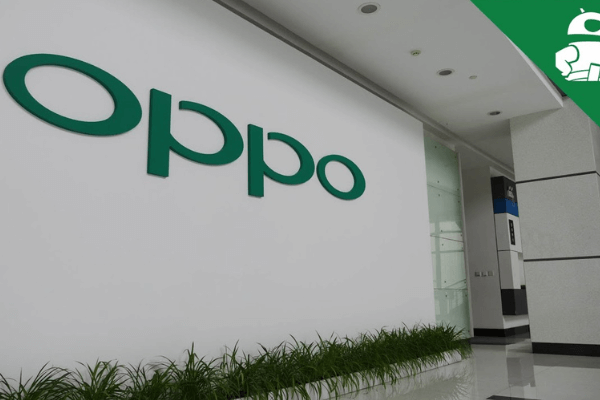
Oppo, a Chinese smartphone maker, announced that it would invest $60 million (over Rs470 crore) in India over the next five years as part of its “Vihaan” project. This project aims to strengthen the manufacturing ecosystem by empowering small and medium-sized enterprises (SMEs) and micro, small, and medium-sized enterprises (MSMEs). 

The action, claimed in a statement released, will assist the business in raising its export capacity to $5 billion over the following five years. 

Oppo stated that during that time, it would also concentrate on the creation of next-generation technologies like 5G, artificial intelligence (AI), etc. to speed up the product development process from India, on empowering and mentoring technology start-ups from beginning to end, and on investigating partnerships with educational institutions to drive innovation.

Its investment plans to expand in India come as the country’s fourth-largest smartphone brand is accused of evading customs duties totaling Rs4389 crore. The company has denied doing anything wrong.

“With a robust local supply chain getting established, the time is right for promoting exports of our quality ‘Make in India’ smartphones to identified markets. This would facilitate Oppo India in expanding the export capacity to $5 billion over the next five years,” said Vivek Vasishtha, vice-president of public affairs, OPPO India.

The smartphone maker declared its aim to collaborate with additional regional vendors to boost the regional supply chain and create a robust smartphone ecosystem in India.

“Oppo India has collaborated with the government and the industry in encouraging around 30 Tier-1 suppliers to set up operations in India,” the statement said.

According to the statement, these suppliers have employed “tens of thousands of Indian” people, helping the electronics industry grow and raising India’s standing in international value chains. 

Since its inception, Oppo India has built up a robust network of more than 1000 distributors.

Oppo India established a “super factory” in Greater Noida for a cost of Rs 2400 crore. Through technology labs, its R&D centre in Hyderabad, established in 2018, is leading research and patent filing in 5G, cameras, power, and performance. India has the company’s most extensive manufacturing and R&D facilities outside of China.

Indian hotel sector continues on the path of recovery

0

The recovery of the Indian hotel industry is back on track with a slight increase in hotel occupancy in June 2022 compared to May 2022, while average rates remained unchanged, a new report by hospitality consultancy HVS.

According to the report, Hotels and Hospitality Overview, for the month, hotel occupancy, average daily rates, and revenue per available room were all greater than they were before the pandemic. 

The overall average daily rates were between ₹5750-₹5950 per night, an increase of 8-10% from last year. The occupancy rate was between 64-66%, a 1-3% increase from the same month in 2019.

The highest rise in room occupancy, ranging from 6-9%, was observed in New Delhi, Pune, Goa, Kochi, and Kolkata. Following these cities were Bengaluru and Chennai. This year, 100 new hotels were added to the supply of branded hotels during the first six months of the year, compared to 49 in CY21. 

The most excellent occupancy rates in June 2022 were in Chandigarh and Pune, ranging from 75 to 77%. Bengaluru was next (74-76%). Goa had the highest average rate across the country for the month (₹8,500 – ₹10,500), followed by Mumbai (₹7,500 – ₹9500).

In June 2022, domestic air traffic in India decreased by 8% from the previous month, primarily due to seasonality. 

According to Mandeep S Lamba, the company’s president for South Asia, all-inclusive resorts have recovered from the pandemic and are doing so much more quickly than anticipated due to a shift in traveler preferences during the past two years.

“To meet the changing travellers’ demand for authentic local experiences, resorts have revamped their offerings by creating higher-quality packages that include activities encouraging guests to leave the resort and explore the local culture,” he said.

Jai Kisan raises $50mn in first close of Series B funding round

0

Rural fintech startup Jai Kisan said it had raised $50 million (₹398.5 crores) in a mix of equity and debt in the first close of its ongoing Series B funding round.

According to a source with direct knowledge of the deal, this fundraising round was raised at a valuation of $200–240 million. According to the above-said source, the Mumbai-based startup is expected to raise an additional $30 to $50 million as part of the Series B investment round in a mix of equity and debt. 

According to a statement from Jai Kisan, existing investors Blume Ventures, Arkam Ventures, Mirae Asset, and Snow Leopard Ventures joined new investors GMO Venture Partners, Yara Growth Ventures, and DG Daiwa Ventures in the current Series B fundraising round. 

It added that Northern Arc, Alteria, and MAS Financial provided the debt funding. 

Before this fundraising round, in May of last year, Jai Kisan secured a $30 million Series A investment led by Mirae Asset. 

Jai Kisan is developing a full-stack financial services platform for rural people and businesses. It was founded in 2017 by Arjun Ahluwalia and Adriel Maniego. Its app, Bharat Khata, aids rural businesses in digitizing transactions and gathering information about their client’s financial needs. According to Bharat Khata, there are 100,000 businesses on the app. At the point of sale (POS), Jai Kisan has also deployed its low-cost farmer finance, which speeds up the 10-minute loan process.

According to Jai Kisan, it has enabled over $220 million in credit annually and had a 4x growth over the past year.

Giving hundreds of millions of rural Indians access to financial services can radically alter their lives, according to Ryu Muramatsu, director and founding partner of the Japanese venture capital firm GMO VenturePartners.

“We were immediately struck by the opportunity that Jai Kisan has to help enable better financing to rural Indians,” said George Roche of Yara Growth Venture, the corporate venture capital arm of Norway-headquartered crop nutrition and agriculture company Yara International ASA.

“We will continue to build on the back of this support and create impact in this underserved space, leveraging creative new age solutions and keeping customer experience at the core of our beliefs,” said Arjun Ahluwalia, co-founder, and CEO, of Jai Kisan.

Veda Corporate Advisors and Investec India acted as financial advisors to Jai Kisan for the fundraising.

Fintech startups have been attracting both early stage and growth funding in recent weeks despite the liquidity squeeze in the market.

Paytm CEO aims for $1 billion revenue goal, says will hit the mark this fiscal

0

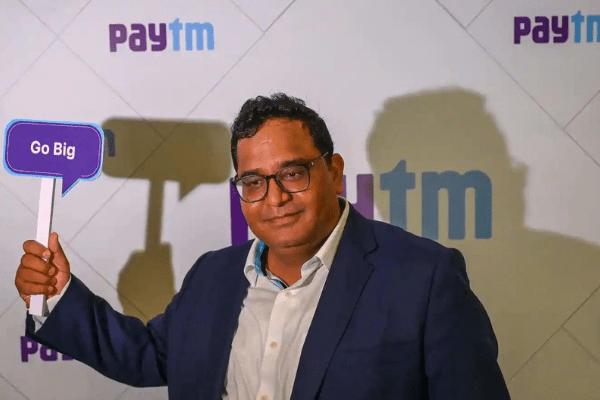
Paytm, a provider of digital payments, is on track to become the first online firm in India to generate $1 billion in sales by the end of this fiscal year in March, according to its founder and CEO, Vijay Shekhar Sharma.

“We’re earnestly chasing the $1 billion goal,” he said, adding that Paytm shares’ public listing for him was a sort of graduation, and he had been working on taking Paytm to break even and profits.

Paytm’s parent company, One 97 Communications Ltd, raised $2.5 billion in its initial public offering (IPO). Still, a 27% decline on November 18, 2021, marked its debut, making it one of the worst initial showings by a significant technology firm since the dot-com bubble phase of the late 1990s. Due to repeated valuation-related worries from analysts, Paytm’s share price has more than halved from the issue price. 

Paytm’s Vijay Shekhar Sharma stated that the company has stayed committed to growing into a sizable, successful business and generating long-term shareholder value in a statement to shareholders in its annual report for 2022.

“Our team is focused on expanding the payments offerings available to our consumers – on Paytm app, in-store, online, using FASTag affixed on cars, among many other everyday habits. Our focus is also on showing how creditors can leverage this mobile payments relationship for lending. BNPL, which allows our partner financial institutions to issue credit to consumers at the point of sale, has become a consumer favourite,” Sharma said in Paytm’s annual report.

He said that the business is gaining momentum and that operating profitability (EBITDA before ESOP cost) will be attained by the quarter ending September 2023.

Paytm announced its monthly operating performance update for the quarter that ended in June 2022 earlier this month. The disbursements made by the fintech company on the platform exceeded a 24,000 crore annualized run rate. During this time, downloads of the company’s Super-App reached 76 million.

The mobile payments and financial services firm touched a new lending milestone by recording 8.5 million loans in the first quarter of FY23 (Q1FY23). The total merchant GMV processed at the Paytm platform aggregated approximately ₹2.96 lakh crore ($37 billion), marking a y-o-y growth of 101%.

Banks battle talent attrition as new-age tech companies come up with attractive offers

0

As new-age companies compete for talent by offering attractive salary packages, particularly in the IT sector, lenders are witnessing an abnormally high level of attrition. 

Between 30-50% of employees at banks, including HDFC Bank, Axis Bank, IndusInd, and Bandhan, have left the company. The microfinance industry has been the most severely impacted, with companies reporting attrition rates of up to 60% among young employees. 

The overall attrition rate of HDFC Bank is 19%, with sales officers seeing attrition rates of well then 40%.

“The bank’s attrition has gone up to 19% with the reopening of the economy post the pandemic-induced slowdown,” said Sashidhar Jagdsihan, managing director of HDFC Bank, at the recently held annual general meeting. “The number is ’embarrassingly’ higher among the youngsters and efforts will be made to reduce it.”

IndusInd Bank, too, is seeing high levels of attrition among the junior staff. “At the junior level the churn is around 32% and it’s happening across the industry in the tech and frontline support staff; managing this is not possible beyond a certain point,” said Sumant Kathpalia, managing director of IndusInd Bank. “At the senior level, we have had no exits at all.”

High attrition levels have persisted in banks across the board, particularly among junior staff drawn to the lucrative salary packets and an increase in talent hunting, particularly in the IT industry. They have resorted to providing benefits like renting housing to new employees from different states and cities. Employees who make less than 25,000 per month are eligible for an education grant for children from Suryoday Small Finance Bank, up to 500 per kid. In July, this had a positive impact on 250 employees.

“We have attrition levels of 35%,” said Baskar Babu, founder-CEO of Suryoday SFB. “We have introduced education allowance and health insurance benefit schemes to retain employees, the limits are the same across all employee levels. We have also introduced free group accommodation for junior staff who come from outside Mumbai to ensure they are saving up on rent outgo.”

“As a policy, we focus a lot on building and developing our staff, we recruit freshers and we have our own training centre,” said Chandra Shekhar Ghosh, managing director of Bandhan Bank. “We have this infrastructure in place where we keep getting people, train them…. To that extent, the impact will be lower.”

According to data from MFIN, the total attrition rate among microfinance lenders is 48.7%, while those on probation – less than six months of employment – is 76%.

PriceLabs receives $30 million in funding from Summit Partners 

0

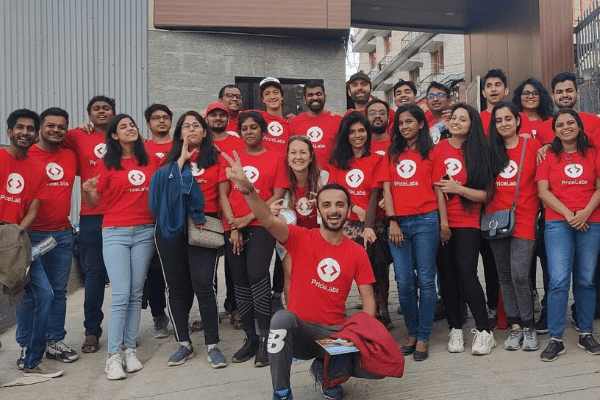
PriceLabs, a provider of revenue management solutions, had raised $30 million from Summit Partners. Since its inception, this is its first equity funding. 

The startup said it would use capital to expand its team and develop more products. 

PriceLabs, a Chicago-based company founded in 2014, offers owners and managers of vacation homes and short-term rentals AI-driven analytics solutions.

It helps them automate and provide dynamic pricing for their properties across listings. 

Property owners can continuously analyze historical and upcoming hyper-local data with PriceLabs’ software-based automatic dynamic pricing system to detect changes in demand and recommend the most appropriate daily pricing based on the particulars of each property. 

Over 70 different property management software solutions are directly connected to the company’s software stack, which assists property owners in managing their businesses effectively.

“Pricing can be the single biggest growth lever when running any business, particularly in the hospitality space, where most businesses still use archaic methods and static pricing that can leave anywhere from 10%- 40% of revenue on the table,” Richie Khandelwal, cofounder of PriceLabs, said in a statement. “We purpose-built PriceLabs from the ground up to serve the needs of short-term rental operators, offering an easy-to-use and highly configurable solution,” Khandelwal added. 

In more than 100 countries, PriceLabs powers over 150,000 listings.

“Consumer preference has continued to shift in favour of alternative accommodations across every demographic, which has led to rapid growth in the short-term rental industry and over 8 million unique listings on Airbnb and Vrbo alone,” said Colin Mistele, managing director (MD) at Summit Partners. He will join the board of PriceLabs. 

“We see PriceLabs as ideally positioned to serve this growing market with an intuitive, easily customizable and comprehensive solution designed to deliver RoI (return on investment) to owners and managers,” added Mistele.

British Columbia College of Management forays into hospitality skill education in Delhi NCR

0

British Columbia College of Management established its first institute in the Delhi NCR at Knowledge Park in Greater Noida as part of its entry into the education of hospitality skills. Beginning with the academic year 2022–2023, the institute will begin offering executive programs for working professionals, short-term certification courses, finishing courses for final-year students across universities, and online certification courses. 

The institute will provide students with a flexible exit option at various degree levels following the government’s new education policy. The institute also offers its students the chance to complete their second and third years of study overseas while earning an advanced diploma or a degree certification from a Canadian university.

The students can choose a three-year work permit after receiving their advanced degree, followed by the opportunity to get Permanent Residency (PR) status in Canada. 

The institute also guarantees 100% placement, both in India and abroad.

The College has a scholarship program that aids students in getting collateral-free loans from reputable financial institutions like HDFC and L&T Finance to help deserving and economically distressed students. 

Deepak Jha, a sociopreneur from Delhi with more than 20 years of practical expertise in the hospitality sector and a track record of success leading the Chaitanya Group of Institutions since 2015, is the person behind the promotion of BCCM.

“The decision to set up BCCM has been made to provide A-class hospitality education to the students looking for a career in hospitality. At the British Columbia College of Management, we have blended effective pedagogies to provide a holistic curriculum for different programs. We groom the future professionals in an atmosphere that brings in the best of international education combined with Indian values.”

The key programs being offered by BCCM are Bachelor in Hospitality Management and Hotel Administration, Advance Diploma in Hotel Management, Diploma in Hotel Management, and one-year courses in Culinary and Kitchen Operations, Food and Beverage Management, and Housekeeping Operations.

Mahindra Lifespace announces ₹75.7 crore profit in Q1 FY23 

0

Mahindra Lifespace Developers Ltd, a realty firm, announced a total net profit of Rs 75.70 crore for the first quarter of this fiscal year. According to a regulatory filing, the company incurred a net loss of Rs 14.04 crore in the prior quarter. 

During April-June of the 2022–23 fiscal year, total income declined from Rs 154.20 crore to Rs 117.34 crore. 

With effect from July 28, Arun Nanda, the company’s chairperson (non-executive non-independent), will retire.

According to the filing, the company’s board of directors approved the election of Ameet Hariani, a Non-Executive Non-Independent Director, as the new chairperson. 

The board also approved the appointment of Rucha Nanavati as an Additional Director in the category of Non-Executive Non-Independent Director of the company.

Arvind Subramanian, Managing Director and CEO of Mahindra Lifespace Developers Ltd, said, “we registered our best ever residential pre-sales at Rs 602 crore, bucking the industry trend where Q1 (first quarter) is generally slower than the preceding quarter”. 

“Our industrial leasing, at Rs 118 crore, continued its momentum,” he added.

The company said it had acquired a new land parcel in Pune with a 2.1 million sq ft development potential and an expected sales value of Rs 1,700 crore. 

The development footprint of Mahindra Lifespace includes 32.14 million sq ft of completed, ongoing, and upcoming residential projects spread across seven Indian cities. 

Additionally, the company is now developing and managing projects totaling more than 5,000 acres at its integrated industrial parks, which are spread out over four different regions.