



Friday, April 24, 2026
Home Blog Page 38

Accor expands India footprint with Novotel Vrindavan signing, hotel to open in 2029

0
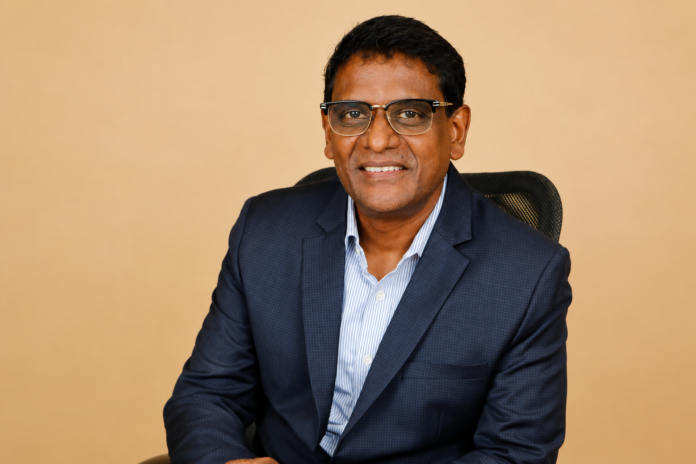
Ranju Alex, Chief Executive Officer, Accor South Asia

Accor has signed Novotel Vrindavan, strengthening its presence in North India and marking its entry into one of the country’s most prominent spiritual destinations. The hotel will open in 2029, and Accor will manage the property upon completion.

The upcoming Novotel Vrindavan will feature 150 keys and rise as a new-build development spread across 6,222 square metres. The hotel aims to address rising demand from pilgrimage tourism, destination weddings, and large-scale events. Moreover, the project will span an estimated 14,000 square metres of gross floor area, positioning it as a sizable hospitality development in the region.

In addition, the hotel will include a 1,000 square metre ballroom, several meeting rooms, an all-day dining restaurant, a lobby lounge and bar, and a speciality restaurant. The property will also offer a fitness centre, spa facilities, and a swimming pool, thereby catering to both leisure and business travellers seeking comprehensive amenities.

Commenting on the signing, Ranju Alex, Chief Executive Officer, Accor South Asia, said, “Vrindavan is a destination of profound cultural and spiritual significance, and we are proud to bring the Novotel brand to this iconic market. This signing marks an important milestone in Accor’s strategy to deepen our presence in high-growth destinations across India. Novotel Vrindavan will be thoughtfully developed to cater to the evolving expectations of today’s travellers, offering world-class hospitality, strong MICE infrastructure, and immersive experiences that celebrate the essence of the destination.”

Meanwhile, Girijas Retreat Private Limited is developing the hotel. Speaking on the partnership, Shobhit Kumar Arora, Director, Girijas Retreat Private Limited, said, “We are honoured to partner with Accor to bring the Novotel brand to Vrindavan. As the destination continues to progress beyond pilgrimage into a tourism and events hub, Novotel Vrindavan will address the growing need for high-quality, professionally managed hospitality infrastructure. We believe Accor’s global expertise and strong brand standards will create a compelling offering for travellers and the local community alike.”

Furthermore, the project reflects Accor’s broader strategy of aligning its brand portfolio with emerging travel and tourism corridors, particularly destinations witnessing a convergence of spiritual, leisure, and event-driven demand. With infrastructure development and visitor numbers rising, Vrindavan is increasingly positioning itself as a multi-dimensional hospitality market.

The signing of Novotel Vrindavan underscores Accor’s commitment to expanding in high-growth Indian destinations while introducing internationally branded hospitality to culturally significant markets. With its large-scale event facilities, modern amenities and strategic location, the hotel will play a key role in shaping Vrindavan’s evolving tourism and hospitality landscape ahead of its planned 2029 opening.

Pine Labs posts Q3 FY26 profit on 24% revenue growth to Rs 744-Cr

0
Amrish Rau, CEO, Pine Labs

Fintech major Pine Labs delivered a strong financial performance in Q3 FY26, posting steady revenue growth and returning to profitability in the quarter following its listing on Indian stock exchanges, according to media reports.

During the quarter, revenue from operations rose 24 percent year-on-year to Rs 744 crore, compared with Rs 601 crore in the corresponding quarter last year, as per financial statements sourced from the National Stock Exchange (NSE). In addition, other income contributed Rs 36 crore, which pushed the company’s total income for the quarter to Rs 780 crore.

Meanwhile, for the nine-month period ending December 2025, Pine Labs reported continued momentum across its payments and fintech offerings. Revenue for the period increased 20 percent to Rs 2,010 crore, up from Rs 1,676 crore a year earlier, reflecting sustained demand across its core business lines.

On the expenditure front, employee benefits remained the company’s largest cost component, accounting for 37 percent of total expenses. Employee-related costs increased 5 percent to Rs 263 crore from Rs 251 crore in Q3 FY25. At the same time, the cost of materials surged 51 percent to Rs 104 crore, while finance costs and depreciation also added to overall spending. As a result, total expenses for the quarter grew 13 percent to Rs 705 crore.

Despite the rise in costs, Pine Labs successfully returned to the black during the quarter. The company reported a net profit of Rs 42 crore in Q3 FY26, reversing a loss of Rs 57 crore recorded in Q3 FY25. Furthermore, for the nine-month period, Pine Labs posted a profit of Rs 53 crore, supported by disciplined cost control and consistent revenue expansion.

In the capital markets, Pine Labs made a strong debut following its public listing. The stock listed at a 9.5 percent premium over its issue price, opening at Rs 242 per share against an IPO price of Rs 221.

Additionally, earlier this month, Pine Labs secured Reserve Bank of India (RBI) approval to fully acquire Agya Technologies, an account aggregator, thereby increasing its stake to 100 percent. At the time of reporting, Pine Labs shares were trading at Rs 233, valuing the company at approximately Rs 26,736 crore, or around USD 2.9 billion.

Overall, Pine Labs’ Q3 FY26 performance highlights a successful return to profitability backed by strong revenue growth, prudent cost management, and expanding fintech operations. With a positive stock market debut, strategic acquisitions, and sustained business momentum, the company appears well positioned to strengthen its leadership in India’s rapidly evolving fintech ecosystem.

The Stack raises ₹5.5 crore in first institutional funding round led by OTP Ventures and Huddle Ventures

0
Kshitij Rihal & Shreya Jain, founders, The Stack

The Stack, a supplements brand focused on clinically studied ingredients and transparent formulations, has raised ₹5.5 crore in its first institutional pre-seed funding round. The round was led by OTP Ventures and Huddle Ventures, with participation from a group of angel investors.

“This is a category where the long-term winners will be defined by products that solve real problems. We believe brands that will endure are the ones that don’t chase trends or fads but deliver long-term outcomes. The founding team has spent years deeply focused on research and development with a core pillar to create products that drive genuine, long-term benefits,” said Sanil Sachar from Huddle Ventures.

The Stack was founded by Shreya Jain and Kshitij Rihal, inspired by their own experiences as consumers. While training for long-distance running, Kshitij struggled to find supplements in India that matched the quality and effectiveness of products available globally. He turned to Shreya, a chemical engineer with hands-on experience in pharmaceutical manufacturing, including antibiotics like penicillins, to understand whether these gaps were real and solvable.

As they looked deeper into the category, the two identified clear shortcomings in formulation quality, ingredient sourcing, and manufacturing standards. Drawing on their earlier entrepreneurial journeys, they decided to build The Stack together. Kshitij had previously co-founded and scaled Flo Mattress, while Shreya had earlier founded a technology startup that was acqui-hired by Byju’s.

“Our goal was simple: to build supplements with the same standards of formulation and sourcing that we saw globally, but designed and made for Indian consumers who are becoming more informed and questioning what they buy,” said Shreya Jain, Co-founder of The Stack.

The company is currently focused on key health areas such as sleep and gut health. Instead of launching a wide range of products, The Stack plans to stay focused on a small number of well-researched products with clear benefits, using high-quality ingredients sourced globally and a supply chain that is transparent end-to-end.

“We’re not trying to sell magic pills or overpromise results. A lot of consumers today are tired of flashy marketing and vague claims. We want to be clear about what our products do, how they’re made, and who they’re for,” said Kshitij Rihal, Co-founder of The Stack.

“The Stack first came to me through a friend’s recommendation, and I absolutely loved their Deep Rest product. When I met the founders, it was clear they were thinking about this category with a deep focus on efficacy and an unusually transparent supply chain. That level of openness is going to be a key driver of trust in consumer health, and we’re excited to partner with them,” added Suhail Sameer, who is one of the partners at OTP Ventures.

Over the past 12 months, The Stack has built a multi-category consumer health brand with strong underlying unit economics, focusing on long-term customer value from day one. Select products have scaled more than 40× within a year, supported by 35–50% SKU-wise follow-up rates in mature cohorts, reflecting repeat behaviour and portfolio-level customer progression rather than one-time acquisition.

Mohit Kumar, founder of Ultrahuman, who also participated in the round, said, “Shreya and Kshitij are exceptional founders who don’t just sell their products but are neck deep in the science, formulation, and testing of supplements. Stack is probably the only Indian supplement company I’d trust for my body.”

The funds will be used to invest in research and development, expand the product pipeline, build the early team, and improve brand and packaging. Having grown steadily while bootstrapped so far, the founders see this fundraise as the next step in building a high-quality supplements brand from India with a long-term focus.

With this round, The Stack aims to build a trusted supplements brand based on science, transparency, and consistent outcomes for consumers.

About The Stack

The Stack is an India-based supplements brand focused on building high-quality, science-backed products using clinically studied global ingredients. Founded by Shreya Jain and Kshitij Rihal, the brand is built on principles of transparency, thoughtful formulation, and long-term consumer outcomes. The Stack focuses on key health areas that are impacted by modern lifestyles and takes a narrow, quality-first approach rather than launching a large catalogue of products. The company aims to build a trusted supplements brand from India by combining global standards with local insight.

Lexora Realty maps India’s upcoming real estate growth belt with data-driven insights

0

Lexora Realty Holdings Pvt Ltd has unveiled its Vision 2030 roadmap, outlining a long-term strategy to build a diversified real estate portfolio across some of India’s most infrastructure-driven and economically promising regions. Through this roadmap, the company aims to develop assets worth approximately ₹300 crore by 2030, while aligning its growth plans with India’s broader economic expansion and infrastructure priorities.

To begin with, Lexora Realty Holdings is closely tracking the transformation unfolding around Bengaluru’s Aero City corridor, located near Kempegowda International Airport. The region is steadily evolving into a major aviation-linked business and residential zone, as global aerospace and defence giants such as Airbus, Boeing, Dassault Aviation, Safran and GE Aviation establish operations there and drive substantial job creation in the coming years.

As a result, the area is already witnessing rising demand for office spaces, employee housing, hotels, healthcare facilities, retail centres and educational institutions. Moreover, planned road and metro connectivity, along with Karnataka’s KWIN City initiative, continues to strengthen the region’s development outlook. Urban planners frequently observe that airport-led corridors tend to mature into long-term economic hubs rather than short-lived real estate cycles, further reinforcing the strategic relevance of this zone.

Meanwhile, along India’s western coastline, Kerala’s Vizhinjam Deep Sea Port corridor is emerging as a critical logistics and transshipment hub. Owing to its proximity to key international shipping routes and its natural deep-water advantage, the port has already begun handling large container vessels. Historically, ports of this scale have acted as catalysts for regional transformation, as demonstrated by global trade centres such as Dubai and Singapore.

Consequently, as Vizhinjam expands its operational footprint, surrounding regions across the Nagercoil–Thiruvananthapuram–Kochin belt are expected to experience growth in logistics parks, warehousing facilities, allied industries, tourism infrastructure, and residential development. This expanding ecosystem positions the corridor as a long-term economic engine rather than a single-asset opportunity.

At the same time, eastern India is witnessing rapid evolution through Visakhapatnam’s AI City region in Andhra Pradesh. The area is taking shape as a technology-led and data infrastructure hub, with global technology players such as Google participating in early-stage development. As further data-centre investments materialise, demand is likely to increase for commercial real estate, quality housing, and urban services designed for a skilled workforce.

Similarly, Hyderabad’s proposed Future City corridor represents a carefully planned expansion anchored in innovation, research, and global business infrastructure. Industry observers widely regard such master-planned developments as more resilient and sustainable over the long term compared to unstructured urban sprawl.

Beyond major metropolitan areas, Lexora Realty Holdings is also monitoring developments along the Karnataka–Andhra Pradesh border region, where large-scale renewable energy investments are gaining momentum. Developers are implementing solar and agri-voltaic projects in these zones, combining solar power generation with agricultural activity.

As real estate strategies increasingly shift toward infrastructure-linked development, Lexora’s Vision 2030 roadmap emphasises building assets that retain relevance across multiple economic cycles instead of chasing short-term market trends. Under its ₹300 crore plan, the company intends to develop a diverse mix of infrastructure-aligned assets. These include a 10 MW solar power plant integrated with an agrivoltaic farm in the Karnataka–Andhra Pradesh border region, a 75+ acre logistics park near the Vizhinjam Deep Sea Port, and housing and office developments near Bengaluru’s Aero City corridor, Visakhapatnam’s AI City, and Hyderabad’s Future City corridor.

According to the leadership team of Lexora Realty Holdings, long-term real estate growth will increasingly depend on economic relevance. As Raheesh A, Co-founder of Lexora Realty Holdings Pvt Ltd, stated, “The coming decade will favour regions where infrastructure, employment, and global connectivity come together. Ports, airports, technology hubs, and clean-energy zones are shaping how cities grow. Vision 2030 is built around identifying such regions early and developing assets that match how India will live, work, trade, and generate power.”

In line with this philosophy, Lexora’s strategy focuses on strategic land acquisition, diversification across asset categories, and a strong emphasis on due diligence and documentation, all supported by regionally focused execution teams. The leadership team further highlighted the importance of discipline and planning while operating in emerging corridors. According to them, Indian real estate is steadily moving away from congested city centres toward better-planned infrastructure corridors. They emphasised that clean titles, sustainable development practices, and execution capability will determine long-term success, while assets developed in these regions must remain relevant for decades rather than a single market cycle.

Market observers also point out that infrastructure-driven corridors open up new opportunities for fractional real estate investment platforms. These platforms allow smaller investors to gain exposure to large-scale assets such as logistics parks, commercial offices, and data-centre-linked developments. When developers focus on economically active regions, such investments typically offer more stable demand and balanced long-term value creation.

Procurement-tech firm 1Buy.ai raises Rs 32-Cr to scale AI procurement solutions

0
Visham Sikand, co-founder, 1Buy.ai

Procurement technology startup 1Buy.ai has raised Rs 32.5 crore in its first institutional funding round, led by 100 Unicorns, with participation from Nikhil Kamath’s Gruhas and noted equity investor Ashish Kacholia. Visham Sikand, founder of Goals101, launched the company, while Nitin Jain, cofounder of OfBusiness, later joined as a cofounder.

The startup is building an advanced technology stack that enables electronics manufacturers to improve procurement efficiency and gain deeper visibility into their vendor ecosystems. Notably, Sikand previously sold his data analytics firm, Goals101, to infrastructure firm M2P Fintech for approximately $30 million in 2023.

While Sikand initiated the formation of 1Buy.ai, Jain formally joined the venture after exiting OfBusiness in November last year. Emphasising the company’s vision, Visham Sikand said, “AI presents a once-in-a-generation opportunity to rethink how sourcing decisions are made. With 1Buy.ai, we are bringing data and AI directly into the core of electronics procurement.”

Highlighting early traction, Sikand added, “Our first 2 clients were amongst the biggest players in the country, and they started saving costs in millions within weeks of signing up. We have increased business by more than 10 times with them, and they have come as investors in this round. This proves our product market fit. Over-subscription of the round by 4 times & funding from such marquee investors validates our core thesis: that procurement must evolve from a fragmented, manual process into an AI-driven, strategic function.”

Meanwhile, Pradeep Paliwal, formerly associated with EbixCash and RateGain, serves as the company’s third cofounder and chief technology officer, strengthening the leadership team with deep enterprise and fintech expertise.

Speaking about the use of funds, Jain said, “We will use the fresh capital to expand our product stack and invest in team building. We are currently a 25-member outfit and plan to significantly scale our sourcing engines to support clients.”

According to Jain, 1Buy.ai operates three integrated platforms that help original equipment manufacturers (OEMs) lower procurement costs, identify global supply chain risks such as tariffs and environmental disruptions, and track lifecycle risks associated with electronic components.

At present, the company works with nearly 15 clients in India, primarily across the automobile and consumer electronics sectors. Additionally, the startup is actively engaging with potential customers in the United States and Israel. Jain further explained the company’s implementation strategy, stating, “We are layering our platform on top of our clients’ existing enterprise resource planning (ERP) systems to drive incremental efficiency using AI.”

Commenting on the investment, Dr. Apoorva Ranjan Sharma, Co-Founder of 100Unicorns, said, “1Buy.AI exemplifies the kind of deep tech-first, globally ambitious companies that define the next wave of enterprise innovation. 100 Unicorns Fund II is focused on founders who are solving large, complex enterprise problems using proprietary technology, data moats, and scalable execution—not point solutions. 1Buy.AI is re-architecting electronics procurement with an AI-native platform that combines intelligence with execution, making it globally relevant across supply chains.”

He further added, “Our conviction comes from the founding team’s proven ability to build and scale meaningful businesses. These are experienced operators who have built unicorn-scale companies, delivered successful exits, and held senior leadership roles. That operating depth gives us strong confidence in their ability to solve a problem of this scale.”

Moreover, Sharma noted that early adoption by large electronics enterprises reinforces the company’s tangible business impact. He concluded that 1Buy.ai has the potential to become a category-defining, global procurement platform emerging from India.

Looking ahead, the startup plans to scale its operations aggressively as its clients collectively source electronic components worth nearly Rs 4,500 crore annually. Jain also highlighted the broader market opportunity, noting that India’s electronics manufacturing sector, valued at around $150 billion, continues to expand rapidly, creating substantial growth potential for AI-driven procurement solutions.

Radisson Hotel Group expands into India’s spiritual heartlands with global brands

0

Radisson Hotel Group is introducing internationally branded hospitality to India’s spiritual and pilgrimage destinations, thereby tapping into one of the fastest-growing segments of domestic travel. Through this expansion, the Group continues to align premium hospitality offerings with culturally significant locations across the country.

Building on its legacy as an early entrant into faith-led destinations such as Ayodhya and Prayagraj, Radisson Hotel Group is now broadening its portfolio to include Shirdi, Puri, Indore, and Ujjain. This expansion reflects a deliberate first-mover strategy in emerging spiritual hubs while simultaneously supporting the government’s vision for sustainable, inclusive, and faith-driven tourism development.

Sharing the leadership perspective on this expansion, Nikhil Sharma, Managing Director and Chief Operating Officer, South Asia, Radisson Hotel Group, said, “India’s spiritual destinations are witnessing unprecedented growth, and RHG is proud to bring internationally branded hospitality to these culturally significant cities. Our long-standing market foresight and first-mover approach allow us to offer globally recognized service standards while preserving the essence and heritage of each destination. With our expansion into Shirdi, Puri, Indore, and Ujjain, we are not just opening hotels; we are creating destinations that support India’s evolving tourism ecosystem while aligning with the government’s vision for infrastructure development, sustainable growth, and inclusive spiritual tourism.”

As part of this strategy, Temple Tree Hotel Shirdi, a member of Radisson Individuals, marks the Group’s entry into one of India’s most prominent pilgrimage centres. Located approximately 15 kilometres from Shirdi International Airport and close to the Shri Sai Baba Temple, the hotel combines spiritual serenity with contemporary hospitality standards.

The property offers 87 well-appointed rooms, including executive and suite categories, along with all-day dining at Maae’z Kitchen, alfresco experiences at Neem Patio, and artisanal offerings from Mirelle Patisserie. In addition, a banquet hall, expansive front lawn, and swimming pool allow the hotel to cater to pilgrims, families, and corporate guests, thereby reinforcing Radisson Hotel Group’s focus on delivering organised, international-standard hospitality in culturally significant markets.

Meanwhile, Radisson RED Indore introduces a bold and contemporary hospitality concept to one of central India’s fastest-growing urban centres. Situated on MR-10 Road, the hotel provides strong connectivity to the airport, railway station, business districts, shopping hubs, and cultural landmarks such as Rajwada Palace and Khajrana Temple.

The hotel features 115 modern rooms and suites equipped with smart in-room technology, a vibrant all-day dining restaurant, a stylish bar, a 24/7 fitness centre, and a rooftop infinity pool offering panoramic city views. Furthermore, a compact boardroom and flexible event spaces support meetings, weddings, and social gatherings, positioning the property as an attractive choice for both business and leisure travellers.

In eastern India, Park Inn & Suites by Radisson Puri delivers a premium hospitality experience near the iconic Jagannath Temple and Puri’s sea beach. Located on VIP Road, Bankimuhan, the hotel offers convenient access from Biju Patnaik International Airport in Bhubaneswar.

The property houses 60 thoughtfully designed rooms, including executive doubles, twin rooms, and suites, catering to pilgrims, families, and leisure travellers. Guests can enjoy all-day dining at Park Side Bristo, a 35-seat bar, and flexible event spaces featuring banquet halls and a boardroom. Radisson Hotel Group will open additional facilities such as a gym, swimming pool, and expanded banquet spaces in the next phase, thereby establishing its first internationally branded presence in Puri.

Further strengthening its presence in spiritual destinations, Radisson Hotel Group will open Radisson Hotel Ujjain as the city’s first internationally branded hotel. Strategically located near the revered Mahakaleshwar Jyotirlinga Temple, the property will feature 150 rooms, including standard and executive suites, designed to accommodate pilgrims, families, and business travellers.

Guests will have access to an all-day dining restaurant, a specialty restaurant, a ballroom and boardroom, a banquet garden, a swimming pool with deck, a gymnasium, a spa, and dedicated yoga and meditation spaces. Together, these offerings will create a holistic hospitality experience that seamlessly blends comfort, wellness, and spirituality while elevating Ujjain’s tourism infrastructure.

NVIDIA strengthens AI cloud ecosystem with USD 2 Bn investment in AI cloud firm CoreWeave

0
Jensen Huang, Founder & CEO, Nvidia

Tech major NVIDIA has announced a USD 2 billion equity investment in AI cloud-computing company CoreWeave, thereby underscoring the rapidly accelerating pace of infrastructure-led deals across the global AI ecosystem.

Under the agreement, NVIDIA will acquire Class A common stock in CoreWeave and simultaneously deepen a technical and commercial partnership focused on accelerating the development of specialised data centres, commonly known as “AI factories.” In parallel, CoreWeave has set an ambitious target to build more than 5 gigawatts of computing capacity by 2030 to meet surging demand for AI workloads.

“AI is entering its next frontier and driving the largest infrastructure buildout in human history,” said Jensen Huang, Founder and CEO of NVIDIA. He added that CoreWeave’s expertise in designing AI-optimised data centres and its strong execution track record have earned widespread industry recognition, as both companies work together to address rising global demand for AI infrastructure.

Furthermore, the partnership structure combines direct capital investment with tighter product integration and shared exposure to long-term demand for hardware and cloud services. As a result, the deal highlights the growing strategic importance of access to large-scale computing capacity, particularly as AI models become increasingly complex and resource-intensive.

As part of the collaboration, NVIDIA and CoreWeave will significantly increase coordination across infrastructure and software layers. NVIDIA will support CoreWeave in securing land, power supply, and data centre facilities. At the same time, CoreWeave will test and validate its software platform to enable deeper interoperability. Additionally, the companies may integrate CoreWeave’s software into NVIDIA’s reference architectures.

Meanwhile, CoreWeave plans to deploy multiple generations of NVIDIA hardware across its infrastructure stack. The partnership also aims to broaden access to CoreWeave’s software for global cloud service providers and enterprise customers, thereby extending the platform’s reach beyond its current user base.

Overall, the transaction reflects a broader industry trend often described as a “capital-plus-compute” partnership. In such arrangements, technology providers invest capital or acquire equity stakes in cloud operators or AI developers while securing long-term product integration and, in some cases, guaranteed demand for computing capacity.

Several recent deals illustrate this same pattern. Microsoft and NVIDIA have committed substantial investment tranches to Anthropic, which has agreed to multi-year cloud service purchases. Around the same time, Anthropic expanded its use of Google Cloud’s TPU infrastructure, demonstrating how AI developers increasingly rely on multiple strategic partnerships to secure capacity, flexibility, and pricing advantages.

Deep-tech startup AquaAirX raises Rs 12.5-Cr in funding to strengthen its core technology stack

0
Goutami T. S. and Jitendra Kumar Saini, founders, AquaAirX

AquaAirX, a deep-tech startup focused on building amphibious and underwater autonomous platforms, has raised INR 12.5 crore in a seed funding round led by Rainmatter, the investment arm of Zerodha founded by Nithin Kamath. In addition, Prime Venture Partners, Wyser, and India Accelerator participated in the round.

Following the fundraiser, AquaAirX will use the capital to strengthen its core technology stack, including system autonomy, air-to-water transition reliability, advanced sensing, and robust communication capabilities. Furthermore, the company will expand its engineering and research teams across robotics, autonomy, controls, and embedded systems. At the same time, AquaAirX will prioritise rigorous testing, validation, and certification aligned with defence-grade standards while preparing for pilot deployments with strategic customers.

Founded by Jitendra Kumar Purnmal Saini and Gouthami T. S., AquaAirX is developing a first-of-its-kind amphibious unmanned platform capable of seamlessly transitioning between aerial flight and underwater operations. As a result, the platform eliminates the need for separate aerial and underwater drones, thereby allowing missions to continue across air and sea without redeployment. Consequently, the system enhances intelligence, surveillance, and reconnaissance (ISR) missions by delivering faster response times, reduced operational risk, and greater mission flexibility.

In parallel, AquaAirX is also developing a Hovering Autonomous Underwater Vehicle (HAUV) designed for precise underwater inspection, monitoring, and intervention. The company is targeting defence and high-value commercial applications with this platform.

Gouthami T. S., Co-Founder & CEO, AquaAirX, said, “The future of maritime intelligence and surveillance will be defined by platforms that can seamlessly operate across domains. This funding allows us to accelerate our vision of building indigenous, mission-ready amphibious and underwater autonomous systems that fundamentally change how maritime operations are conducted, for both defence and critical commercial applications.”

Jitendra Kumar Purnmal Saini, Co-Founder & CTO, AquaAirX, said, “Today’s maritime operations are constrained by siloed platforms that operate either in the air or underwater, creating gaps in intelligence, response time, and operational continuity. Our vision is to eliminate this fragmentation by building autonomous systems that can seamlessly transition across domains while remaining reliable, covert, and mission-ready. This funding allows us to tackle some of the hardest engineering problems in autonomy, controls, and systems integration and to mature our technology into platforms that can operate in real-world, defence-grade environments.”

Abhinav Singh Negi, Investment Manager, Rainmatter, said, “We invested in AquaAirX because they are not just building a vehicle but laying the foundational architecture for true autonomy across air and underwater domains. The team is tackling one of the hardest engineering problems—multi-domain autonomous operations—with rare clarity and ambition. What stood out to us was their systems-level thinking, defence-grade approach, and long-term vision to create highly sophisticated autonomous platforms that can redefine maritime and aerial operations. We strongly believe AquaAirX has the potential to emerge as a category-defining company in next-generation autonomous systems.”

Over the past 12 months, AquaAirX has advanced its flagship amphibious platform to Technology Readiness Level (TRL) 6. During this period, the company secured selection into the Israel Aerospace Industries (IAI) NeuSPHERE program, cleared multiple milestones under India’s iDEX initiative, and received recognition through IDEABAAZ and the HDFC Tech Innovators program. Together, these achievements have validated the technology and enabled early global partnerships.

Looking ahead, AquaAirX plans to deepen collaborations with Indian and international defence partners, scale large-scale trials, and prepare for manufacturing. Ultimately, the company aims to enter defence and commercial markets by 2027.

Tredence and Snowflake partner to deepen AI capabilities for next-gen energy operations

0
Frederic Cohagan, Global Head of Energy, Snowflake

Tredence, a global leader in data science and AI solutions, has announced a strategic collaboration with Snowflake, the AI Data Cloud company, to support the launch of Snowflake’s new Energy Solutions. Through this partnership, Tredence will help energy organizations apply data and AI more effectively across end-to-end operations.

Moreover, through joint efforts with Snowflake and other industry leaders, Tredence is enabling oil and gas companies as well as power and utilities providers to modernize infrastructure, enhance operational efficiency, and accelerate progress toward a more reliable and lower-carbon energy future. As energy enterprises face growing pressure to protect critical infrastructure, strengthen operational resilience, and respond to volatile markets with real-time insights, Tredence delivers the final layer of AI execution while significantly reducing time to value.

In addition, the collaboration allows joint customers to unify critical data across IT, OT, and IoT environments. As a result, energy organizations can activate AI-powered insights that drive safer, more efficient, and more responsive operations across complex energy ecosystems.

“The energy sector is at an inflection point where data velocity, AI trustworthiness, and operational outcomes matter more than ever,” said Rakesh Sancheti, CBO, Manufacturing, and Chief Growth Officer at Tredence. “Our collaboration with Snowflake brings together a governed, scalable data foundation with Tredence’s deep energy domain expertise and AI engineering capabilities. Together, we help energy organizations move beyond dashboards to real-time, AI-driven decisions and increasingly toward agentic systems that can reason, plan, and act across complex energy value chains.”

At the same time, as energy systems become increasingly interconnected and digital, organizations require a unified and governed view of their most critical data assets. Snowflake’s Energy Solutions address this need by enabling companies to bridge traditionally siloed IT and OT systems, collaborate more efficiently with ecosystem partners, and unlock AI-driven capabilities that improve reliability, operational efficiency, and long-term performance.

“Energy companies aren’t just modernizing systems—they’re redefining how the world energizes the future,” said Frederic Cohagan, Global Head of Energy, Snowflake. “Snowflake and partners like Tredence are helping organizations build the trusted data foundation that this moment requires. These solutions are helping lower operational costs and drive higher ROI for energy companies, thereby lowering the cost of energy for end customers. Every penny saved trickles down to the consumers as savings. Snowflake and Tredence together help energy organizations.”

Together, Snowflake and Tredence enable a unified, end-to-end energy data platform that eliminates IT, OT, and IoT silos by consolidating enterprise, operational, and market data into a single secure environment. This integration delivers real-time visibility across exploration, production, grid operations, asset performance, trading, and customer operations.

Additionally, the partnership supports Advanced Data Ingestion and Analytics at Scale, allowing organizations to ingest, transform, and analyze structured and unstructured data—including weather data, sensor feeds, and satellite imagery—using technologies such as Openflow, dbt, Snowpark, and Streamlit to generate deeper operational and market intelligence.

Furthermore, the collaboration enables AI-driven asset performance, safety, and emissions reduction by applying machine learning to monitor asset health, predict failures, reduce unplanned outages, optimize operations and maintenance costs, enhance safety outcomes, and lower emissions through the integration of field sensor data with enterprise systems.

The joint offering also supports smarter forecasting, compliance, and trading decisions by improving forecast accuracy, reducing compliance costs and penalties, and enabling more profitable energy trading through informed, well-timed buying and selling strategies.

Finally, Snowflake and Tredence accelerate faster decision-making and ecosystem collaboration with agentic AI by empowering business users with Snowflake Intelligence and agentic AI capabilities. These tools automate insights, recommendations, and actions while enabling secure data collaboration across the energy value chain through data sharing and the Snowflake Marketplace.

IHG Hotels and Zon Hotels join hands to develop new luxury hotel in Mumbai

0

Zon Hotels Mumbai Pvt Ltd, a joint venture between the SanRaj Group and DGS Group, has begun discussions with IHG Hotels & Resorts for a proposed luxury hotel in Mumbai’s western suburbs. As part of this development, the parties have entered into a non-binding Memorandum of Understanding (MOU) for a 350-room greenfield hotel project, with a strong focus on a luxury brand such as InterContinental.

This proposed association represents a significant milestone in the expansion of global hospitality brands across Mumbai’s western business corridors. At the same time, the collaboration underscores SanRaj Group’s strategic role in bringing international hospitality operators into high-growth urban markets.

The parties formally signed the MOU on January 21, 2026, at 4:00 pm at the Holiday Inn, Mumbai. Sudeep Jain, Managing Director – South West Asia, IHG Hotels & Resorts, executed the agreement on behalf of the global hospitality group, while Rajdip Gupta, Director, signed on behalf of Zon Hotels (Mumbai) Pvt Ltd. Zon Hotels (Mumbai) Pvt Ltd is promoted by its Directors—Sandip Gupta, Rajdip Gupta, Ishwar Shukla, and Rohit Shukla.

Importantly, the non-binding MOU reflects Zon Hotels Mumbai’s intent to develop a landmark luxury hotel in India. Following this step, the project will move into the construction phase after the execution of a definitive Hotel Management Agreement. This process will take place after the completion of due diligence, detailed planning, and the receipt of necessary internal and regulatory approvals from both Zon Hotels and IHG.

Commenting on the development, Sandip Gupta and Rajdip Gupta said, “The Western Region of Mumbai is fast emerging as an important commercial and business hub in Mumbai, supported by improved infrastructure and growing corporate activity. This project aligns with our vision of developing high-quality hospitality assets that would cater to the evolving needs of both business and leisure travellers. Collaborating with IHG would further strengthen our commitment to delivering globally benchmarked hospitality developments.”

In addition, Ishwar Shukla and Saurabh Parsrampuria highlighted the strategic value of the collaboration and said, “We are excited about this potential collaboration with IHG. Our focus is on delivering a premium guest experience supported by global operational systems, strong brand equity, and professional hotel management.”

Looking ahead, the upcoming luxury hotel aims to serve a diverse mix of corporate travellers, MICE demand, and leisure guests. Consequently, the project will further enhance hospitality infrastructure in Mumbai’s western suburbs while supporting the region’s growing commercial ecosystem.

Moreover, the development reflects a broader trend of collaboration between Indian real estate developers and global hotel operators as international hospitality brands continue to expand their footprint in high-growth urban micro-markets.

With improved connectivity, expanding office developments, and rising commercial activity, Mumbai’s western region has firmly established itself as a prime destination for business, real estate, and hospitality investments.