


Sunday, June 7, 2026
Home Blog Page 29

Why AI Alone Won’t Define the Next Digital Transformation

0
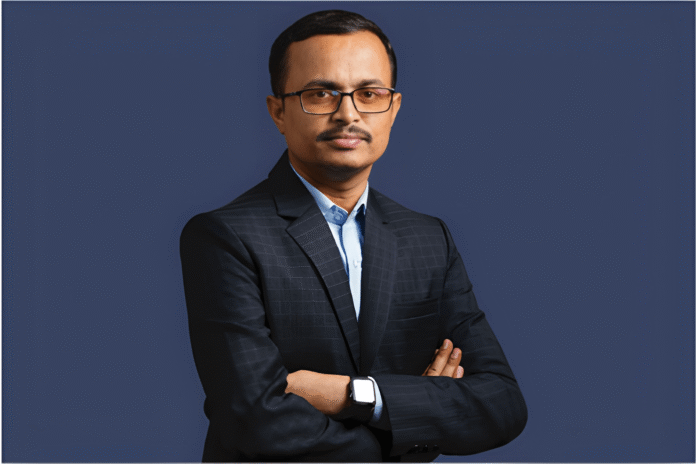
Sriram Manoharan, Founder and CEO of CONTUS TECH

The accelerating momentum of artificial intelligence has led many organisations to assume that the next phase of digital transformation will be defined solely by the adoption of AI. However, a more nuanced perspective emerges from Sriram Manoharan, Founder and CEO of CONTUS TECH, who has built and scaled enterprise-grade digital solutions across industries. In a detailed and professionally articulated exchange, he shared his individual insights on how AI will shape the next phase of digital transformation, offering a perspective that reflects his experience as a builder and industry leader rather than a broad organisational position.

A central concern highlighted in his perspective is that many businesses are approaching AI adoption incorrectly. The current wave of enthusiasm has led organisations to prioritise speed over strategy, often integrating AI features without a clear understanding of their purpose or long-term value. This reactive approach is frequently driven by competitive pressure rather than a deliberate growth strategy. As a result, companies risk investing in capabilities that fail to align with customer needs or core business objectives.

At the heart of this viewpoint lies a simple yet powerful principle: the importance of asking the right questions. Rather than focusing on when to adopt new technologies, organisations are encouraged to prioritise understanding how those technologies create value. This shift represents a deeper level of digital transformation, one that moves beyond surface-level adoption toward architectural thinking. It requires businesses to examine how systems interact, how data flows, and how decisions are made within an increasingly complex digital ecosystem.

A critical distinction in this conversation is the difference between automation and true artificial intelligence. The misuse of the term AI has become widespread, with many products labeled as intelligent despite relying on static, rule-based processes. While both automation and AI can deliver efficiency gains, they are fundamentally different in capability. Automation follows predefined instructions, whereas AI systems are designed to learn, adapt, and improve over time through continuous feedback loops.

This distinction has significant implications for long-term business value. Systems powered by machine learning, large language models, and advanced data processing frameworks can evolve dynamically, enabling organisations to respond to changing conditions and uncover new opportunities. In contrast, rule-based systems often reach a performance ceiling, limiting their ability to scale or generate sustained competitive advantage. For organisations investing in marketing technology, performance marketing, and broader digital transformation initiatives, this difference determines whether AI becomes a growth engine or merely a cost-efficiency tool.

Understanding the broader context of digital transformation further clarifies this shift. The evolution of digital capabilities has occurred in distinct phases. The infrastructure era of the 1990s focused on digitising workflows and establishing foundational systems such as databases and networks. The internet era of the mid-2000s transformed the web into a primary business channel, enabling companies to build digital experiences and reach global audiences. The acceleration phase around 2020, driven by the COVID-19 pandemic, forced rapid adoption of digital tools, from remote work to cloud-based operations, fundamentally altering how businesses operate.

The current phase represents a departure from these earlier stages. Rather than isolated technological advancements, the focus has shifted to convergence. Artificial intelligence, cloud computing, the Internet of Things, and blockchain are increasingly interconnected, forming integrated ecosystems where data flows seamlessly across platforms. This convergence enables real-time decision-making and opens new possibilities for innovation. However, it also introduces complexity, making it essential for organisations to understand how these technologies interact rather than treating them as standalone solutions.

Within this evolving landscape, the concept of agentic AI is gaining prominence. This refers to systems capable of executing multi-step workflows autonomously, without requiring constant human intervention. For example, an agentic AI system in customer service could handle an inquiry, log the issue, escalate it if necessary, generate a response, and update internal systems in real time. Such capabilities extend beyond traditional automation, creating end-to-end processes that combine intelligence, adaptability, and execution.

The implications of this shift are far-reaching across industries. In customer support, agentic AI can reduce response times while maintaining quality through intelligent escalation. In sales, it enables more effective lead qualification and personalised outreach based on behavioural data. In operations, it facilitates seamless coordination between digital systems and human teams. Organisations that design their infrastructure with these capabilities in mind are likely to achieve significantly higher levels of efficiency and scalability in the coming years.

However, the successful implementation of AI is not uniform across sectors. Each industry presents unique challenges related to compliance, data sensitivity, and user behaviour. As a result, a one-size-fits-all approach to AI deployment is unlikely to succeed. Instead, organisations must adopt a contextual approach, tailoring AI models to their specific domain. This involves training systems on proprietary data, establishing appropriate guardrails, and designing outputs that align with industry requirements.

For instance, the application of AI in healthcare differs fundamentally from its use in e-commerce or fintech. Healthcare systems must prioritise accuracy, privacy, and regulatory compliance, while e-commerce platforms may focus on personalisation and conversion optimisation. This level of precision is critical for achieving meaningful outcomes and underscores the importance of data-driven decision-making in modern digital transformation strategies.

Despite the rapid advancement of AI, the human element remains central to its success. Technology is most effective when it enhances human capabilities rather than replacing them. Leadership plays a crucial role in this process, shaping organisational culture and guiding the adoption of new tools. Without strong leadership and a clear vision, even the most advanced AI initiatives are unlikely to deliver sustained impact.

This emphasis on leadership extends to the broader organisational mindset. Digital transformation is not solely a technological challenge but also a cultural one. Teams must be encouraged to experiment, learn from data, and adapt to changing conditions. Building a culture that supports innovation and continuous improvement is essential for unlocking the full potential of AI and other emerging technologies.

From a practical standpoint, organisations seeking to navigate this landscape must take a disciplined approach. This begins with an honest assessment of existing AI capabilities, distinguishing between true intelligence and basic automation. It also requires investment in robust data infrastructure, as the quality of AI outputs is directly tied to the quality of input data. Proprietary, well-structured datasets represent a significant competitive advantage, enabling more accurate insights and better decision-making.

In addition, businesses should begin preparing for agentic workflows by identifying processes that can be fully or partially automated in the future. While not all systems need to be implemented immediately, designing with scalability in mind ensures that organisations are well-positioned to adopt more advanced capabilities as they mature. Equally important is fostering internal alignment, ensuring that teams understand and support the transformation journey.

Ultimately, the next phase of digital transformation is not defined by technology alone. It is shaped by the decisions organisations make about how to use that technology, why they adopt it, and how it integrates into their broader strategy. As the noise surrounding AI continues to grow, clarity of purpose becomes increasingly valuable.

The perspective shared by Sriram Manoharan reinforces a critical insight: artificial intelligence will not transform businesses that lack a clear vision of what they aim to achieve. Instead, success will depend on the ability to align technology with strategic intent, leveraging data and intelligence to drive meaningful outcomes.

The transition to this new phase is already underway. The defining question for organisations is no longer whether to adopt AI, but whether they are building with intelligence or simply building at speed.

IHG signs Crowne Plaza Resort Gurgaon Sohna, expands India presence

0

IHG Hotels & Resorts has announced the signing of a management agreement with Harisons Hotels & Resorts Pvt. Ltd. to launch Crowne Plaza Resort Gurgaon Sohna near Palwal in the National Capital Region. The company has scheduled the resort to open in the first quarter of 2029, marking yet another important step in IHG’s ongoing expansion across India.

Commenting on the development, Sudeep Jain, Managing Director, South West Asia, IHG Hotels & Resorts, said, “Sohna represents a compelling growth opportunity, situated within a high-potential corridor defined by sustained wedding and social celebration demand, alongside expanding corporate activity, making it an ideal fit for our Crowne Plaza brand. We are confident this resort will deliver exceptional experiences for guests while generating long-term value for our partners, M/s. Harisons Hotels & Resorts Pvt. Ltd.”

Furthermore, in a joint statement, Rajesh Gupta and Raman Gupta, Directors at Harisons Hotels & Resorts Pvt. Ltd., added, “Our partnership with IHG Hotels & Resorts reflects a shared ambition to create a unique hospitality destination in Palwal. Backed by IHG’s global systems, brand recognition, and operational expertise, we are confident the resort will attract both domestic and international travellers while delivering long-term value to the region’s hospitality landscape.”

Once operational, Crowne Plaza Resort Gurgaon Sohna will offer 150 contemporary and well-appointed rooms designed to provide comfort, connectivity, and flexibility for modern travellers. Additionally, the resort will feature four distinct dining options, including a lobby lounge, an all-day dining restaurant, a specialty restaurant, and a bar. Moreover, it will include expansive banqueting and meeting venues, along with a health club, spa, and swimming pool. At the same time, indoor and outdoor leisure spaces will further enhance the overall guest experience, thereby positioning the property as a comprehensive lifestyle and events destination.

By partnering with established regional players and leveraging strong brand equity, the company continues to strengthen its footprint while catering to the evolving demands of both leisure and business travellers.

AI startup Mayson secures funding to bridge prototype-to-production gap

0
Akshay Srivastava & Akshansh Gusain, co-Founders, Mayson

Mayson, an AI startup focused on full-stack application development, has secured pre-seed funding to scale its platform. The platform enables users to build and deploy production-grade applications directly from natural language prompts. As vibe-coding continues to transform how developers build traditional software, Mayson actively addresses the critical gap between rapidly generated AI prototypes and fully functional, production-ready software.

Moreover, the platform allows users to convert ideas into complete products by generating not only the frontend but also the backend infrastructure required to run, scale, and deploy applications reliably. As a result, the AI startup is positioning itself as a comprehensive solution for modern software development.

“Software creation should be as simple as describing what you want to build,” said Akshay Srivastava, Co-Founder & CEO of Mayson. “With Mayson, we are building a platform where a single prompt can generate a complete application with the backend infrastructure required to run, scale, and evolve in the real world.”

At the same time, Akshansh Gusain, Co-Founder & CTO of Mayson, highlighted the company’s mission to simplify product development. “Founders shouldn’t have to choose between ‘hacky but fast’ and ‘solid but slow.’ That’s why we built Mayson,” he said. “This pre-seed funding accelerates our vision: To lower the barrier to entry for building products. Every day, brilliant ideas stall simply because founders can’t access engineering talent. We’re changing that. The capital will strengthen our vibe-to-code engine, build reusable patterns for common product surfaces, and grow our founding engineering team in India.”

He further added, “Our goal is simple: help hundreds of teams ship production-ready experiences directly from Mayson in the coming months. The best ideas shouldn’t wait for an engineering team. We’re here to change that.”

Additionally, the investment reflects the investors’ strategy of backing high-conviction entrepreneurial teams that are building differentiated and scalable businesses. The combined strength of Mayson and NovoStack highlights both strong product capabilities and execution excellence, thereby positioning the company for sustained long-term growth.

Furthermore, Mayson will utilize the newly raised capital to enhance its core AI systems, expand backend automation capabilities, and strengthen its engineering team in India. Consequently, the company aims to accelerate innovation while delivering scalable and reliable development solutions.

Mayson is emerging as a key player in the evolving AI-driven software development landscape. By bridging the gap between idea generation and production-ready deployment, the AI startup is not only simplifying app creation but also democratising access to high-quality engineering capabilities.

Ramada Resort by Wyndham Talera Kota set to open by 2029

0
Rahool Macarius, Market Managing Director – Eurasia, Wyndham Hotels & Resorts

Wyndham Hotels & Resorts has announced the signing of Ramada Resort by Wyndham Talera Kota, a 200-room hospitality project being developed in partnership with Lalit Singh Muktawat. The company has scheduled the property to open in March 2029, marking a significant addition to its growing footprint in India.

Strategically located along the riverfront in Kota, the upcoming resort will cater to a diverse mix of corporate, leisure, and group travelers. Notably, Kota has established itself as a prominent educational hub; however, it also plays a crucial role as an industrial center, with sectors such as chemicals, cement, engineering, and power contributing significantly to its economic landscape. Consequently, ongoing infrastructure development and improved connectivity are increasing the demand for branded accommodation in the city.

Furthermore, the project will be located approximately 10 kilometres from the proposed Kota Airport, which will enhance connectivity to major domestic and international destinations. In addition, Kota continues to attract visitors for its rich cultural heritage, including forts, palaces, havelis, and stepwells, thereby strengthening its appeal as a tourism destination.

The resort will feature 200 guest rooms and villas, along with a comprehensive range of amenities. Additionally, it will include an all-day dining restaurant and a bar, while also offering meeting and event facilities as well as banqueting spaces. Moreover, the property will provide a fitness center, a swimming pool, a spa, and multiple recreational areas, thereby ensuring a well-rounded hospitality experience for guests.

Rahool Macarius, Market Managing Director – Eurasia, Wyndham Hotels & Resorts, said, “With Kota emerging as a prominent commercial and educational center in Rajasthan, we are pleased to strengthen our presence in the region with a globally recognized and trusted brand. By focusing on tier-II and tier-III cities, we aim to tap into new growth opportunities and cater to the evolving preferences of guests across India’s rapidly expanding markets.”

Wyndham’s latest signing underscores its strategic focus on expanding into high-growth tier-II and tier-III cities. As infrastructure improves and travel demand rises, Ramada Resort by Wyndham Talera Kota will capitalize on the city’s dual strength as an educational and industrial hub while also enhancing the region’s hospitality landscape.

BIDSO Raises ₹63 Crore in Series A, Strengthens Push in Global Toy Manufacturing

0
Vivek Singhal, Rahul Agarwal, and Aditya Krishnakumar, co-founders, BIDSO

23 March 2026, National, India: BIDSO, a design-led manufacturing platform focused on the global toys and consumer products ecosystem, today announced that it has raised ₹63 crore in a Series A funding round led by Blume Ventures, comprising ₹51 crore in equity and ₹12 crore in venture debt. The round also saw participation from existing investors Peer Capital and Sadev Capital. Venture debt for the round has been raised from Alteria Capital.

The Series A round, finalised in March 2026, follows BIDSO’s earlier institutional backing from Peer Capital during its seed round in July 2023 and a pre-Series A round in January 2025 that saw participation from Peer Capital along with Sadev Ventures, Marshot Ventures, and Atrium Ventures.

Sajith Pai, Partner, Blume Ventures, says, “After textiles, toys are shaping up to be one of the bigger beneficiaries of the China+1 shift, and Bidso is one of the very few Indian manufacturers actually equipped to serve that demand today. Vivek, Rahul, and Aditya have known each other for over 15 years and bring complementary skills and deep operating experience to come together with a clear-eyed understanding of what Indian toy manufacturing needs. Their depth of customer insight, coupled with operating rigor, makes them amongst the best teams we have seen in manufacturing thus far. We are excited to partner with Bidso and support them for the next phase of growth ahead.”

The fresh capital will be deployed to strengthen BIDSO’s product design and manufacturing capabilities, expand its manufacturing footprint and production capacity, and significantly scale its product portfolio. The company will also invest in expanding its design, engineering, production, and sales teams as it accelerates growth in both domestic and international markets.

Commenting on the funding, Vivek Singhal, Co-Founder & Chief Executive Officer, BIDSO, said, “We are disrupting the traditional manufacturing bottleneck by integrating product design and licensing execution directly into the supply chain. Our unique FOCO model brings a much-needed network effect to manufacturing capacity, providing the agility that the industry has lacked for decades. With this new capital, we will expand our manufacturing network and design capabilities, enabling both global and domestic brands to scale high-quality production out of India at unprecedented speeds.”

Over the past 12 months, BIDSO has recorded significant momentum across its global B2B partnerships with leading toy brands. The company has also successfully executed a strategy of acquiring licenses for globally recognized characters such as Peppa Pig, Harry Potter, Transformers, and NASA, enabling the company to develop licensed product ranges for its brand partners that resonate strongly with children.

These developments, combined with a substantial expansion of its product portfolio and increased manufacturing capacity, have helped BIDSO more than double its revenue over the last 12 months. During this phase, the company has also transitioned from being perceived purely as a contract manufacturer to being recognized by customers as a strategic partner in product development and innovation.

Ankur Pahwa, Managing Partner, Peer Capital, says, “Consumer goods is a trillion-dollar global market where India holds less than 2% of supply despite having every other advantage: demand, talent, capital, and digital infrastructure. The gap has always been a missing capability layer: a full-stack Original Design Manufacturer that can take a brand from brief to shelf-ready product. Bidso has built the kind of capability spine that Indian manufacturing has lacked, and that global supply chain diversification is now urgently demanding. With 7-8% of global consumer goods manufacturing projected to shift to India in the next five to seven years, Bidso is positioned at the centre of what we believe is a generational opportunity.”

BIDSO is currently focused on the toys segment, but over time plans to leverage the design, engineering, and manufacturing capabilities it is building to expand into adjacent consumer product categories that represent a combined global market opportunity of approximately $486 billion, with an estimated India market of around $22 billion. Within these sectors, nearly 45% represents organized contract manufacturing opportunities, creating significant long-term potential for integrated manufacturing platforms like BIDSO.

Rahul Agarwal, Co-Founder & Chief Business Officer, BIDSO, added, “We are seeing a structural shift in both domestic and global markets. Indian brands are scaling rapidly, increasing demand for innovation-led manufacturing partners, while global brands are diversifying supply chains beyond China as a strategic priority. This creates a strong opportunity for India to emerge as a hub for design-led manufacturing, with end-to-end support for scaling brands.”

About BIDSO

Bidso is a design-led manufacturing platform helping consumer brands design, develop, and manufacture customised products at scale. Its integrated platform spans product design, engineering, licensing execution, and manufacturing, enabling brands to bring new products to market faster while also serving as a long-term supply partner in their growth journey.

Founded by Vivek Singhal, Rahul Agarwal, and Aditya Krishnakumar, XLRI alumni with experience at Flipkart, Udaan, and ITC, Bidso is backed by leading angel investors and institutional capital. Bidso is currently focused on mobility toys and plans to expand into adjacent consumer product categories.

Media Contact:

Raksha Arun | +91 9940895931 | raksha@consociaadvisory.com

Saman Ziya Khan | +91 97667 17506 | saman@consociaadvisory.com

Brigade Hotel Ventures plans expansion into Goa, Varanasi with Rs 3,000-Cr investment

0
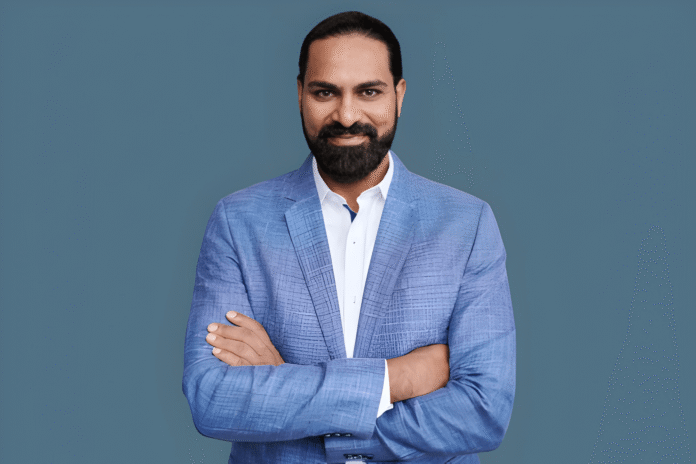
Vineet Verma, Director, BHVL

Brigade Hotel Ventures (BHVL), the hospitality arm of the Brigade Group, is actively planning to expand its presence beyond South India by targeting northern and western markets, particularly in the spiritual and leisure hospitality segments. As part of this strategy, the company is focusing on high-potential destinations such as Goa and Varanasi.

“We are looking at Goa and Mumbai in the western region. In north India, we are looking at Varanasi and Rishikesh. Of course, Ayodhya as well in the long term,” BHVL director Vineet Verma said. He further clarified that, depending on the specific location, the company will develop either four-star or five-star category properties to align with market demand.

At the same time, BHVL is diversifying its expansion approach by exploring both greenfield and brownfield opportunities. “We are looking at acquisitions, not just pure greenfield projects, going forward. The reason is that you can hit the ground running and start the hotel business much quicker. Typically, it takes about three to four years to build a new hotel. If we acquire an operating hotel, we only need to renovate it, which takes about six months to a maximum of one year to commence operations,” he said.

Currently, BHVL operates a portfolio of nine hotels across key cities such as Bengaluru, Chennai, Kochi, Mysuru, and GIFT City, collectively offering more than 1,600 keys. Furthermore, the company has nine additional properties in the pipeline across southern markets, including key micro-markets like ECR and OMR in Chennai, as well as Hyderabad and Thiruvananthapuram. These developments are expected to add approximately 1,700 keys over the next three to four years.

“We are investing more than Rs 3,000 crore for this expansion. While we developed over 1,600 keys in the past 16 years, we will double that number in just four years,” Verma said.

Brigade Hotel Ventures is accelerating its growth trajectory by combining strategic acquisitions with new developments while also expanding into high-demand spiritual and leisure destinations. With a significant investment pipeline and an aggressive scaling plan, the company is positioning itself as a key player in India’s evolving hospitality landscape.

ByteDance sells Moonton to Savvy Games for $6 Billion

0

ByteDance has agreed to sell its gaming unit Moonton to Savvy Games Group for approximately $6 billion. Through this move, ByteDance is strategically exiting a gaming asset it acquired just a few years ago to sharpen its focus on generative AI initiatives.

According to an internal memo, Moonton CEO Zhang Yunfan confirmed that the Beijing-based company has signed an agreement with the Saudi-backed firm, and the transaction will be finalized in the near future. Furthermore, Zhang clarified that he and his management team will continue to lead the company, while employees will receive a range of incentive programs as part of the transition.

Although the memo did not disclose the financial details, sources familiar with the matter indicated that the deal values Moonton at around $6 billion. Notably, this represents a significant increase from the $4 billion ByteDance paid to acquire the studio in 2021, highlighting the strong growth trajectory of the gaming business.

Meanwhile, Savvy Games Group, which operates under Saudi Arabia’s $1 trillion Public Investment Fund, continues to play a key role in the kingdom’s ambitious strategy to become a global powerhouse in video games and esports. As a result, this acquisition aligns closely with Saudi Arabia’s broader vision of expanding its footprint in the global gaming ecosystem.

Moonton, for its part, specializes in multiplayer mobile games that have gained immense popularity, particularly across Southeast Asia. Its flagship title, Mobile Legends: Bang Bang, has surpassed 1.5 billion installations worldwide, underscoring the studio’s strong market presence and user engagement.

At the same time, ByteDance’s decision to divest Moonton reflects a broader industry shift, as major technology companies increasingly prioritize artificial intelligence and next-generation digital capabilities over traditional gaming investments.

The sale of Moonton marks a strategic pivot for ByteDance while simultaneously strengthening Savvy Games Group’s position in the global gaming market. As both companies realign their priorities, the deal highlights the growing convergence of technology, gaming, and AI-driven innovation on a global scale.

Ventive Hospitality partners Roarsome for family experiences in Maldives

0
Ranjit Batra, Chief Executive Officer, Ventive Hospitality Ltd.

Ventive Hospitality has partnered with Roarsome to introduce a new family-focused experience at Conrad Maldives Rangali Island. Through this collaboration, the companies aim to enhance outdoor and nature-based activities for children, thereby enriching the overall guest experience.

As part of this initiative, the resort will roll out Roarsome-themed adventure programmes designed specifically for young guests. These will include engaging activities such as treasure hunts, exploration trails, and interactive outdoor sessions that encourage children to connect with the natural environment. Moreover, the programme will feature structured “Adventure Quests,” where kids will navigate the island using illustrated maps while simultaneously learning about marine ecosystems and sustainability practices.

In addition, the collaboration will extend beyond activities by offering Roarsome merchandise at the resort. This move ensures that families can continue engaging with the brand even after their stay, thereby strengthening the overall experience.

Commenting on the partnership, Ranjit Batra, Chief Executive Officer, Ventive Hospitality Ltd., said, “Hospitality has the power to shape experiences that stay with people for life, especially young minds. Roarsome’s mission to get kids off screens and back into the outdoors is both timely and important. Through Conrad Maldives Rangali Island, we are bringing that mission to life in one of the most extraordinary natural environments in the world. This first-of-its-kind collaboration shows how hospitality and purpose-driven brands can come together to shape a future rooted in purpose and sustainability, where we constantly strive to create a better world for the next generation.”

Furthermore, Roarsome—widely recognised for its children’s outdoor apparel made from recycled materials—is leveraging this partnership to expand its international footprint. At the same time, the collaboration reflects a growing trend in the hospitality sector toward experiential, purpose-driven travel offerings.

The initiative will officially launch on April 2, 2026. Additionally, the resort plans to introduce seasonal activities around Easter, thereby providing guests with fresh and engaging experiences throughout the year.

This collaboration between Ventive Hospitality and Roarsome underscores the evolving landscape of family travel, where immersive, educational, and sustainability-focused experiences are becoming increasingly important. By combining luxury hospitality with purposeful outdoor engagement, the partnership sets a new benchmark for child-centric experiences in global resort destinations.

Amazon acquires robotics startup Rivr to boost doorstep delivery

0
Marko Bjelonic, Co-founder and CEO, Rivr

Amazon has acquired Rivr, a Zurich-based autonomous robotics startup known for its stair-climbing delivery robot. Although the companies have not disclosed the financial terms, the deal clearly highlights Amazon’s growing focus on enhancing doorstep delivery through advanced robotics.

Co-founder and CEO Marko Bjelonic announced the acquisition on LinkedIn. Notably, he had earlier described the company’s four-legged wheeled robot as a “dog on roller skates,” emphasizing its unique mobility design. Furthermore, Bjelonic stated that the acquisition will “accelerate our vision of building General Physical AI through doorstep delivery, bringing robotics and AI closer to real-world deployment at scale,” indicating that Amazon’s backing will help Rivr deploy its robots more rapidly and efficiently.

Previously, Rivr had initiated a pilot program in Austin in collaboration with Veho, a package delivery firm. At that time, Bjelonic expressed his intention to leverage the partnership to scale operations and eventually deploy up to 100 robots by 2026. However, it remains unclear whether the company achieved that target.

Importantly, the robotics startup had already attracted Amazon’s attention well before the acquisition. The Amazon Industrial Innovation Fund and Bezos Expeditions had participated in Rivr’s $22.2 million seed funding round, which closed in 2024. Overall, the startup raised a total of $25 million and was last valued at approximately $100 million, according to available data.

The acquisition of Rivr underscores a significant step toward integrating autonomous robots into real-world delivery ecosystems. By leveraging Amazon’s scale and resources, Rivr is now better positioned to accelerate innovation and bring next-generation doorstep delivery solutions to market faster.

Summit Hotels & Resorts expands in North Bengal with two boutique projects

0
Sumit Mitruka, Founder of Summit Hotels & Resorts

Summit Hotels & Resorts has expanded its footprint in North Bengal by signing two boutique properties in Siliguri and the Darjeeling Hills. Through this move, the company is further strengthening its focus on experiential hospitality across one of Eastern India’s fastest-growing tourism corridors.

The two developments—Summit Gulma River Resort and Summit Falling Water—will feature 30 rooms each and will emphasize nature-led experiences alongside intimate hospitality formats. Summit Hotels & Resorts will open the Siliguri-based Summit Gulma River Resort on 15 August, while it will welcome guests to the Darjeeling Hills property in early January 2027.

Located in the Gulma area of Siliguri, Summit Gulma River Resort overlooks the scenic Gulma Tea Estate and a flowing river. As a result, it positions itself as a leisure-focused boutique destination with strong event-hosting potential. Moreover, the property will include a mix of standard and studio-style rooms equipped with kitchenettes, thereby catering to extended stays. In addition, guests will have access to an in-house restaurant, bar, spa, gym, and a banquet hall capable of hosting around 150 guests, making it suitable for boutique weddings, social gatherings, and corporate events within the tea garden belt.

Meanwhile, Summit Falling Water will come up in Rangbull, just a few kilometres before Darjeeling, along the main highway leading to the hill station. Drawing inspiration from the iconic Fallingwater residence designed by Frank Lloyd Wright, the property integrates architecture seamlessly with its natural surroundings. Notably, developers will construct the hotel over a natural water stream, and it will feature 30 rooms with private balconies offering views of the stream and surrounding hills.

A key highlight of this property is its proximity to the Darjeeling Himalayan Railway, also known as the Toy Train, which runs directly in front of the hotel. Consequently, guests will be able to enjoy a unique heritage rail experience right from the property itself.

Both projects, therefore, place strong emphasis on immersive and destination-driven experiences. Summit Falling Water will also include a restaurant, coffee shop, spa overlooking the stream, gym, and ample parking facilities. Additionally, seasonal snowfall in the region expects to further enhance the destination’s appeal and attract travellers seeking offbeat, experience-centric hill stays.

Commenting on the expansion, Sumit Mitruka, Founder of Summit Hotels & Resorts, said, “North Bengal continues to be one of the most compelling tourism regions in Eastern India, with demand driven by leisure travellers, weddings, and the growing popularity of experiential hill destinations. With Summit Gulma River Resort in Siliguri and Summit Falling Water near Darjeeling, we are focusing on boutique properties that are deeply connected to their surroundings. Whether it is tea garden landscapes in the plains or a stream flowing through a hill property with views of the toy train, our aim is to create stays where the destination itself becomes the central experience for travelers.”

This expansion highlights a broader transformation in India’s hospitality sector, where travellers increasingly prefer intimate, nature-connected stays over large-scale resort developments.