


Wednesday, April 22, 2026
Home Blog Page 12

Pentathlon Ventures announces final close of ₹255-Cr Fund II to back early-stage startups

0

Pentathlon Ventures, an early-stage venture capital firm specializing in B2B technology, announced the final close of its second fund at Rs 255 Crores today. The fund targets investments in roughly 16–20 seed-stage startups, upholding the firm’s commitment to supporting India-based founders who target global markets.

Fund II maintains Pentathlon’s foundational focus on early-stage B2B technology investments, guided by seasoned operators across industries. Meanwhile, it broadens its scope to include Enterprise AI Transformation, Fintech, Healthtech, Cybersecurity, Logistics, and Manufacturing, mirroring the dynamic landscape of enterprise innovation.

A varied mix of family offices, HNIs, and accomplished entrepreneurs from India, the United States, and the Middle East backs the fund, signaling robust international trust in India’s burgeoning B2B tech ecosystem.

Since its inception in 2020, Pentathlon Ventures—founded by entrepreneurs and industry veterans—leverages over 150 years of collective operating expertise. This operator-led approach equips the firm to guide founders through the practical challenges of scaling businesses.

Building on Fund I’s success, Pentathlon adheres to its B2B, use-case-driven investment strategy. With Fund II, however, the firm extends support to ventures crafting not just software, but also AI-powered systems and hardware solutions tackling intricate operational hurdles in vast industries.

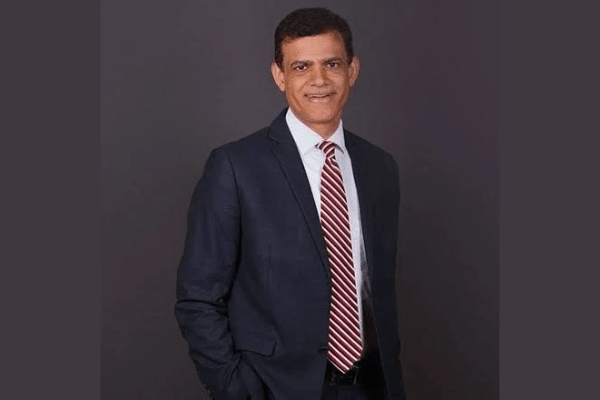
Speaking on the Fund II focus, Ashok Mayya, Managing Partner, Pentathlon Ventures, said, “We’re seeing strong founders emerge across enterprise AI, fintech, healthtech, and industrial technology, building solutions rooted in deep operational understanding. Many of these companies are inherently global in ambition, and our role is to support them beyond capital, particularly in refining enterprise go-to-market and scaling into markets like the US and the Middle East, with the help of our expanded investor base in these regions.”

“The early progress across the portfolio, including multiple companies achieving 3x+ growth since investment, reinforces our belief in our investment approach. We remain focused on disciplined use cases first, investing in and backing exceptional founders in their niches to deliver strong, long-term returns for our LPs in this fast-changing world of AI,” added Gireendra Kasmalkar, Managing Partner, Pentathlon Ventures.

Over the coming two years, Pentathlon Ventures will cultivate a focused portfolio of top-tier B2B tech startups. At the same time, it will collaborate closely with founders on Series A/B preparation, enterprise go-to-market strategies, and international growth, especially into the US and Gulf regions.

Seclude Hotels and the Rise of Experience-Led Travel in India

0
Mr. Ramit Sethi, Founder of Seclude Hotels

For many travellers today, a hotel is no longer just a place to stay—it is an experience to remember. From quiet mountain retreats to thoughtfully designed boutique spaces, the expectations from hospitality have shifted far beyond comfort and convenience. This transformation is not accidental; it reflects a deeper change in how people choose to travel, unwind, and connect with places.

At the centre of this evolving landscape are operators who are rethinking hospitality from the ground up. One such voice is Mr. Ramit Sethi, Founder of Seclude Hotels, whose journey from the corporate world into boutique hospitality offers a unique perspective on building experience-led brands.

In this exclusive interview with Business Review Live, Ramit Sethi shares insights into the rise of experiential travel in India, the realities of scaling boutique hospitality, and the strategic thinking behind Seclude’s growth journey.

Q1. What was the precise industry gap in India’s boutique, nature-led hospitality that convinced you Seclude Homes could be more than just another property brand?

After a fulfilling career in Corporate Finance at KPMG, Banking at Standard Chartered, and BFSI at Wipro, I discovered my passion for the startup ecosystem as an angel investor and mentor, supporting ventures with genuine potential. That’s when Rohit Sethi introduced me to his venture, Seclude—and I eagerly joined because I instantly recognized a clear market gap and substantial long-term prospects in India’s boutique resort sector.

We faced large, uniform hotels on one end and charming yet variable independent accommodations on the other. What lacked was a robust middle tier: design-driven, nature-centric boutique resorts offering distinctive character alongside reliable hospitality. Seclude was already creating precisely that via its villas—cozy retreats emphasizing a profound sense of place, privacy, and emotional ease, all while upholding top-tier service. Its dedication to food, design, and immersive experiences positioned it as a complete offering—and crucially, a brand poised for trust and recognition beyond mere properties.

Post-Covid, this void grew more apparent as travelers increasingly valued space, reliability, and a home-like feel over mere facilities. Since coming onboard, I’ve spearheaded Seclude’s growth into the boutique resort arena—typically featuring 6 to 20 rooms—repositioning the brand as a destination crafted not only for lodging but also for significant gatherings and shared moments. This evolution has further solidified my conviction that we’re not merely following a fad but actively defining an enduring category within Indian hospitality.

Q2. Your corporate background spans banking, consulting, and global operations. When you first encountered Seclude’s business model, what were the top organizational or operational assumptions you had to rethink?

I honed my expertise over years in banking, consulting, and global operations before immersing myself further in the startup world as an investor and mentor. Upon joining Seclude, I pinpointed exactly what required transformation to realize its maximum potential—it represented the seamless extension of all my prior experience, tailored to a distinctive, experience-driven enterprise.

A key initial focus was maintaining cash positivity and avoiding the pitfall of equating growth with true advancement. We refined unit economics, implemented stricter criteria for expansion, and instilled rigorous financial oversight into our decision-making. Simultaneously, we shifted from a fragmented “mom-and-pop” approach, establishing scalable processes in sales, operations, and finance—eliminating disarray while safeguarding the unique culture and warmth that embody Seclude.

The objective remained straightforward: professionalize the operation without diminishing its vibrancy, and cultivate a scalable enterprise that balances discipline with personality. Today, Seclude operates with enhanced clarity and command, positioning us to elevate the brand to new pinnacles.

Q3. Seclude has properties across multiple geographies (Himachal, Uttarakhand, Kerala, Karnataka, and Goa). What performance metrics or demand indicators do you rely on to decide where to invest next?

We employ a strategic two-tier evaluation process. The primary criterion focuses on the product itself: we seek distinctive homes and boutique resorts possessing genuine character, a profound sense of place, or cultural significance—unique assets that resist easy replication. If a property fails to deliver this, we typically decline, irrespective of its promising tourism potential.

The secondary criterion assesses core fundamentals and accessibility. We analyze unit economics, the balance between operational costs and guest experience quality, and the ease of reaching the destination—preferably within five hours of a major hub. Additionally, we monitor search and inquiry trends within our network to identify emerging demand hotspots.

On the strategic front, having established a solid foothold in the hills, we ventured into Kerala due to its consistent year-round appeal, robust connectivity, and alignment with unhurried, experience-rich travel. Likewise, we entered Hampi to capitalize on rising interest in cultural and spiritual journeys. This defines our growth philosophy: prioritizing select, enduring locations over sheer expansion.

Q4. Seasonality can significantly impact hill and heritage stays. How do you measure, forecast, and mitigate demand fluctuations across your portfolio?

Our portfolio inherently accounts for seasonality through a diverse blend of hill, heritage, and beach destinations, allowing us to manage it at the portfolio level rather than on a property-by-property basis. When hills experience peak demand, beaches typically see lighter occupancy, and vice versa, which effectively balances cash flows and operational demands throughout the year.

We assess and predict demand by analyzing historical booking data, lead times, and pickup patterns for each property, then aggregate these insights into a comprehensive portfolio overview. This enables proactive planning for staffing, pricing, and inventory management.

Operationally, we intentionally avoid squandering downtime. During off-peak periods, we prioritize revamps, thorough maintenance, team training, and experience enhancements, ensuring properties emerge stronger for the high season.

Meanwhile, India’s rich diversity plays to our advantage—travel opportunities abound year-round. From Shimla’s snow season to Hampi Utsav, Palampur’s tulip festival, and Thrissur’s Pooram, there’s perpetually an event to drive demand. Our aim isn’t to eradicate seasonality but to harmonize it, sustaining a cycle of selling, refining, and readying the business.

Q5. Quality consistency is difficult in decentralised properties. What internal KPIs or frameworks do you use to ensure guest experience standards are met across different homes?

Although our properties span diverse locations, we maintain highly centralized operations. Experience standards originate from our Delhi headquarters and get implemented on-site. Our foundational framework emphasizes people and processes: we recruit individuals with a genuine seva-bhav mindset, provide structured training, and enforce clear SOPs, reinforced by spot checks and secret guest audits. Essentials like cleanliness, comfort, responsiveness, and warmth remain absolute priorities.

We monitor operational excellence through straightforward yet vital metrics, such as Wi-Fi uptime and CCTV oversight, ensuring guest satisfaction and ground-level discipline. Meanwhile, our Guest Relations team serves as the central hub for the entire guest journey—from pre-arrival to post-stay follow-ups—enabling swift and uniform issue resolution.

Regarding KPIs, guest feedback guides us: property-level review scores, direct input, repeat visits, and referrals. The objective isn’t identical spaces but reliable care—so the Seclude experience delivers consistency, whether in Palampur or Kerala.

Q6. From a financial perspective, how do you balance capital deployment between restoration of heritage homes and performance maximisation of existing properties?

We view restoration and performance not as conflicting goals but as complementary elements of our partnership model. We partner exclusively with boutique property owners committed to investing in restorations and enhancements, ensuring shared accountability for creating high-caliber assets right from the outset. On extended leases, we allocate our own capital toward strategic upgrades—such as technology, infrastructure, or even a pickleball court—whenever they elevate both guest experiences and financial returns. This approach enables selectivity and guarantees each property launches with a robust foundation.

From that point, we prioritize achieving stable performance across every property swiftly. Most reach cash positivity within roughly six months, after which profits get reinvested to fortify current assets or support the next acquisition. This establishes a disciplined, self-sustaining growth cycle, distinct from capital-intensive expansion strategies.

Technology proves essential here, powering revenue management, distribution, and operational oversight to optimize results without inflating expenses. Consequently, we maintain a measured pace: growth occurs sustainably, harmonizing restoration excellence, operational strength, and steady cash flows.

Ultimately, this yields superior assets, enhanced performance, and expansion that finances itself.

Q7. What guest data or feedback signals have you seen that most reliably predict higher loyalty, repeat bookings, or stronger referrals?

We prioritize behavioral indicators over mere ratings as the truest measures of success. When guests shift from booking through an OTA to direct reservations on subsequent trips, it signals they’re selecting Seclude specifically, beyond just the destination.

We monitor repeat patterns meticulously—tracking return frequency, whether they explore another Seclude property, and if they return with bigger groups or for varied occasions. Such cross-property and group repeat behaviors serve as robust predictors of enduring loyalty.

On feedback, specific and emotional responses carry the most weight. When guests name team members, describe their emotional experience during the stay, recommend us spontaneously, or even inquire about a loyalty program, it confirms a genuine bond. This resonance appears externally too, evidenced by our nomination for MakeMyTrip’s India’s Favourite Homestay Awards.

In essence, we focus not only on guests’ words but also on their actions following departure.

8. You mentor companies on growth and capital raising. What is one strategic shift at Seclude that you believe significantly improved unit economics or investor confidence?

A pivotal strategic pivot involved transitioning from villas to boutique resorts (8 to 20 rooms) with a defined vision, rather than merely expanding our home portfolio, alongside implementing centralized operations. We recognized early that scaling without uniqueness and robust systems fails to enhance unit economics.

By pledging to excel iconically in aesthetics and service, reinforced by standardized processes, we crafted properties capable of securing premium rates, drawing direct demand, and cultivating genuine brand affinity. This boosted unit economics through word-of-mouth demand, minimizing reliance on perpetual discounting.

As a bootstrapped entity, this approach also bolstered trust among partners and owners. We evolved beyond mere occupancy assurances, delivering distinctive, efficiently managed assets with lasting value. Prioritizing select, superior, and iconic properties—underpinned by potent central operations—has rendered the business more resilient and financially sound than pursuing scale indiscriminately.

And that changed everything.

Q9. Sustainable tourism and local community impact are increasingly important for travellers. What measurable initiatives has Seclude undertaken to ensure positive community engagement and responsible operations?

Sustainability forms the core of our daily operations rather than serving as an isolated initiative. Many properties feature kitchen gardens, and we monitor local and on-site sourcing to minimize supply-chain footprints. We’ve implemented balti baths at select homes as a water-efficient option and include water usage in our regular reviews. Portfolio-wide, we’ve banned single-use plastics, substituting them with refillable or reusable alternatives and verifying adherence during property inspections.

From a design standpoint, we emphasize upcycling and adaptive reuse, incorporating restored furniture and reclaimed materials whenever feasible. In fact, Seclude Palampur earned a nomination for an Eco-Friendly Villa award, demonstrating this philosophy in action. Combined with local hiring and sourcing, these tangible, trackable measures ensure our expansion stays accountable and deeply connected to the communities we serve.

Q10. Looking forward, what’s the biggest structural change you expect in India’s boutique/homestay hospitality sector in the next 3–5 years, and how is Seclude positioning itself for that shift?

I anticipate the most significant structural shift will divide scale-first platforms from experience-first brands. As AI and automation proliferate in travel, efficiency will become the baseline—and genuine human connection, trust, and experiential consistency will emerge as true differentiators. Guests will gravitate toward brands that feel authentically personal, beyond mere convenience.

Meanwhile, India’s domestic travel market surges rapidly, with many competitors expanding beyond their capacity to uphold standards, widening the consistency gap across the sector. We’ve intentionally pursued steady, controlled growth, bolstered by centralized operations and a robust direct Guest Relations team, ensuring the experience remains undiluted amid expansion.

We also observe accelerating momentum in cultural and experience-driven tourism—travelers crave narratives, context, and a profound sense of place, rather than just comfortable accommodations. Complementing this is a growing appetite for “bite-sized luxury”: compact, memorable indulgences at approachable prices, such as a hot tub amid tea gardens, a royal candlelit evening, or truly personalized service free from five-star rigidity.

Seclude positions itself precisely at this nexus: technology-powered backstage, yet profoundly human, design-centric, and experience-led upfront.

Arcor Hotels strengthens India footprint with Arcor Hotels Mysuru

0

Arcor Hotels unveiled plans for Arcor Hotels Mysuru, scheduled to launch operations on March 28, 2026. This opening advances the company’s expansion strategy while bolstering its footprint across southern India.

Mysuru, celebrated for its rich cultural heritage and reliable tourism appeal, emerges as a prime strategic choice for the brand. Meanwhile, the company targets both business and leisure travelers through this venture.

The property boasts diverse rooms and suites, complemented by dining venues and versatile event spaces tailored for corporate meetings and social celebrations. Developers crafted the hotel with modern design aesthetics and reliable hospitality standards at its core.

According to the company, this launch aligns with its overarching plan to penetrate key destinations while delivering uniform guest experiences. Furthermore, Mysuru’s inclusion promises to accelerate the brand’s growth path and solidify its stature in the premium hospitality arena.

Arcor Hotels persists in fortifying its portfolio throughout promising and mature markets in India.

Arcor Hotels Mysuru not only elevates the brand’s southern India strategy but also promises consistent excellence for discerning travelers. As it expands thoughtfully, Arcor Hotels cements its role as a dynamic force in India’s evolving hospitality landscape.

AI-powered Recruiterflow surpasses INR 50-Cr, eyes team doubling amid global boom

0
Manan Shah, Naresh Shenoy, and Amritanshu Anand, co-founders, Recruiterflow

Recruiterflow, the recruiting software platform tailored for staffing agencies and executive search firms, has surpassed INR 50 crore in annual recurring revenue while staying fully bootstrapped and profitable.

Today, the company empowers customers across more than 90 countries, solidifying its status as a globally impactful SaaS solution originating from India. In an industry often fueled by venture capital pursuits, Recruiterflow embraces a customer-funded growth strategy, emphasizing deep product capabilities, streamlined operations, and enduring client success, which fosters sustainable expansion with robust unit economics and reliable scaling.

The platform seamlessly integrates applicant tracking, CRM workflows, automation tools, and AI-driven productivity features into one cohesive solution for contemporary recruiting teams. Meanwhile, Recruiterflow prioritizes AI-native intelligence with enterprise-level sophistication to safeguard search businesses for the future. Its development roadmap centers on weaving intelligence directly into core recruiter tasks, spanning candidate sourcing, outreach efforts, evaluations, and performance analytics.

Furthermore, the company consistently channels resources into engineering and product innovation to meet dynamic hiring demands worldwide. The founders previously created Betaglide, a mobile analytics platform that Inshorts acquired, drawing from that prior success. After steering product and growth strategies post-acquisition, they launched Recruiterflow with a bold vision to craft a world-class SaaS powerhouse from India.

“Bootstrapping creates clarity and resilience. When growth is driven by customer value, teams build with greater ownership and long-term thinking,” said Manan Shah, Co-founder, Recruiterflow.

As recruiting processes evolve amid rising automation and AI integration, Recruiterflow commits to amplifying investments in sophisticated workflow automation, advanced analytics, and robust platform scalability. Additionally, the company aims to double its team within the next year, targeting hiring growth in pivotal markets like the United States and United Kingdom, while bolstering product, engineering, customer success, and go-to-market efforts to fuel its upcoming growth phase.

Headquartered in Bengaluru, India, Recruiterflow delivers its integrated applicant tracking, CRM, automation, and AI tools to streamline hiring pipelines for teams across North America, Europe, Asia-Pacific, and beyond.

Recruiterflow’s bootstrapped triumph not only highlights its customer-centric innovation but also sets a benchmark for sustainable SaaS growth from India. As it doubles down on AI and global expansion, the platform stands ready to dominate evolving recruiting landscapes, delivering unmatched efficiency and value worldwide.

Tathastu Resorts Expands Portfolio with 5th New Wildlife Retreat in Satpura

0

Nagpur, 24th March ’26 – Tathastu Resorts has announced the launch of ‘Tathastu Satpura,’ its newest wilderness retreat located at Satpura Tiger Reserve in Madhya Pradesh. With this opening, the hospitality group expands its footprint across India’s leading wildlife destinations, adding Satpura as the fifth property in its growing portfolio of jungle resorts, after Pench, Kanha, Tadoba, and Bandhavgarh.

The newly launched retreat features 34 Villa Rooms and 5 Exclusive Pool Suites, designed to offer guests a quiet and immersive stay experience close to one of Central India’s most ecologically rich forest landscapes. Spacious villas, private verandas, and forest-facing spaces allow guests to experience the wilderness while enjoying the comforts of a boutique retreat. All rooms are equipped with two washrooms, allowing you an additional hour of sleep for you and your partner before a morning safari.

“Hidden quietly in the heart of Madhya Pradesh lies a destination that offers something far more peaceful, raw, and authentic—Satpura. Often overlooked, this forest region is a paradise for nature lovers, wildlife enthusiasts, and travellers seeking calm, away from crowded tourist circuits. At its core is Satpura Tiger Reserve, one of India’s most underrated yet rewarding wildlife destinations, known for its rich biodiversity and remarkably tranquil safari experience where visitors can truly listen to the forest. With the launch of Tathastu Satpura, we aim to create a stay that complements the spirit of this landscape, immersive, intimate, and deeply connected to the wilderness,” said Mr. Anil Agarwala, Managing Director, Tathastu Resorts.

Dining at the resort is centered around ‘Gilhari,’ the property’s squirrel-inspired multi-cuisine restaurant serving a diverse range of Indian and international flavors. The name is a tribute to the Indian Giant Squirrel found in the region and is also the official Mascot of the Satpura Tiger Reserve. Guests can also unwind at the resort’s bar, a warm space designed with earthy tones and wooden accents that reflects the natural character of the surrounding forest.

Wildlife exploration remains the core of the Satpura experience. Guided safaris into the reserve offer opportunities to encounter species such as Tigers, Leopards, Sloth Bears, Indian giant squirrels, sambar deer and a wide variety of birdlife. The reserve is known for its relatively undisturbed terrain and diverse safari experiences, making it an increasingly sought-after destination for wildlife travellers.

Beyond safaris, the resort offers a range of recreational and nature-based experiences, including jungle walks, riverside sundowners, pottery sessions, reflexology walks, and much more. Guests can also enjoy indoor entertainment in the games room, friendly matches at the resort’s box cricket arena, karaoke evenings, and relaxation at the temperature-controlled indoor swimming pool.

As a social initiative, Tathastu Satpura also has a team of visually impaired spa therapists offering therapeutic massages at the resort.

With the addition of Satpura, Tathastu Resorts now operates wildlife retreats across some of India’s most prominent tiger landscapes, including Pench, Tadoba, Bandhavgarh, and Kanha. The brand’s portfolio focuses on destinations located within or near the country’s premier tiger reserves, offering travellers a blend of wilderness immersion, curated experiences, and warm hospitality.

The launch of Tathastu Satpura reflects the growing demand for experiential wildlife travel in India, as travellers increasingly seek nature-led holidays that combine adventure, comfort, and deeper engagement with protected forest ecosystems.

About Tathastu Resorts

Tathastu Resorts is a wildlife hospitality brand with a growing portfolio of nature retreats located near some of India’s most celebrated tiger reserves. The brand currently operates resorts in Pench, Tadoba, Bandhavgarh, Kanha, and Satpura, offering travellers immersive stays within Central India’s rich forest landscapes. Designed for nature lovers, wildlife enthusiasts, and adventure seekers, Tathastu properties combine comfortable accommodation, curated safari experiences, and warm hospitality. With locations nestled close to premier protected forests, the brand focuses on creating meaningful wilderness experiences while allowing guests to engage closely with India’s diverse natural heritage.

https://www.tathasturesorts.com/

Plum bags Rs 193-Cr in Series B funding to revolutionize employee health benefits

0
L-R: Abhishek Poddar & Saurabh Arora, co-founders, Plum

Plum, the Bengaluru-based employee health benefits platform, secured Rs 193 crore in a Series B funding round. Peak XV Partners led the investment, while existing backer Tanglin Venture Partners and new investor GMO Venture Partners joined in. This capital infusion empowers Plum to enhance its insurance infrastructure significantly.

The company will channel the fresh funds into bolstering technology, recruiting top talent, fortifying enterprise-grade security, and expanding AI-driven claims operations. Additionally, Plum aims to integrate seamlessly with HR and payroll systems. Meanwhile, it plans to widen its healthcare offerings, encompassing preventive care, primary care, mental wellness, and telehealth.

“We made a decision on day one that our north star would be the claims experience,” said Abhishek Poddar, co-founder and CEO, Plum. “This round gives us the capital to move faster on what we know works while expanding the platform across healthcare and employee benefits.”

Founded in 2019 by Poddar and Saurabh Arora, Plum delivers a robust employee health benefits platform. It enables companies to provide insurance and healthcare services effortlessly to their teams. Currently, Plum serves over 6,000 organizations—from nimble startups to giants like CRED, Meesho, PhonePe, and Swiggy—covering more than 600,000 employees.

Previously, the company raised $15 million in its Series A round in 2021, spearheaded by Tiger Global and supported by Peak XV’s Surge, Tanglin Venture Partners, Incubate Fund, and Gemba Capital. In FY25, Plum generated nearly Rs 70 crore in revenue and achieved six months of EBITDA profitability. This latest fundraise follows Plum’s milestone of its first full year of EBITDA and cash flow profitability, highlighting a promising shift toward sustainable growth in the insurtech landscape.

Since its launch, Plum has handled over 500,000 claims efficiently. It slashed median hospital discharge time to 47 minutes and shortened reimbursement turnaround to just 1.5 days. “Plum’s focus on claims and customer experience positions it strongly as enterprises increasingly prioritise employee wellbeing and efficient insurance delivery,” noted GV Ravishankar, managing director at Peak XV.

Plum’s strategic funding round not only fuels its technological edge but also cements its leadership in transforming employee health benefits. As businesses prioritize wellness and efficiency, the company stands poised for exponential growth, setting new benchmarks in India’s insurtech sector.

Agnikul Cosmos achieves breakthrough with 3D-printed rocket engine test

0
Srinath Ravichandran & Moin SPM, co-founders, Agnikul Cosmos

Agnikul Cosmos, an end-to-end space transportation company, has successfully completed a critical booster engine test of its Agnite engine, showcasing large-scale 3D printing of rocket engines at an unprecedented level. This milestone further strengthens the company’s position in advancing rapid, cost-efficient launch technologies.

“Unlike traditional engines that take seven months to manufacture, Agnikul’s engines can be fully 3D printed in just seven days. This dramatically reduces production complexity, turnaround time, and costs. The costs will be one-tenth of what they are now,” said Moin SPM, co-founder and chief operating officer of Agnikul Cosmos.

As a result, this breakthrough significantly enhances launch responsiveness, allowing Agnikul to support missions on much shorter timelines compared to industry standards. For satellite operators, this translates into access to secure launch schedules, customised orbital trajectories, and improved mission planning certainty—advantages that traditional shared launch systems often fail to deliver.

Notably, the tested engine is a full metre-long system that stands as the largest Inconel rocket engine ever built as a single piece. Additionally, it becomes the first engine of its scale to use electric motor-driven pumps, marking a major advancement in propulsion engineering. Agnikul validated the engine at its in-house facility in Chennai, reinforcing its focus on scalable, high-performance systems designed for faster launch readiness and consistent execution.

Furthermore, through this innovation, Agnikul now operates a fully integrated launch ecosystem, including mission control, dedicated ground stations, and flight-proven propulsion systems. This integrated approach simplifies the launch process by eliminating coordination challenges across multiple stakeholders.

For satellite operators in critical sectors such as defence and disaster response, where timing is crucial, Agnikul’s platform offers greater flexibility. Operators can plan missions around committed launch windows, ensure precise satellite placement, and even modify payloads up to 30 days before launch—capabilities that significantly improve control compared to conventional shared launch options.

“We chose single-piece Inconel construction and electric pump architecture specifically to solve our customers’ scheduling problems and enhance automation of engine manufacturing. Traditional engines take months to build because you’re machining, welding, and assembling dozens of parts. Ours prints in a few days, which means we can respond to launch demand faster than the industry standard,” said Srinath Ravichandran, co-founder and chief executive officer of Agnikul Cosmos.

“Electric pumps are simpler than gas generators, with fewer parts to refurbish between flights, which is critical for our reusability roadmap. These are not just technical choices but are the reasons why we can commit to low turnaround and actually deliver on it,” he added.

Traditionally, satellite launches require coordination between multiple stakeholders, including vehicle manufacturers, launch providers, and ground station networks, each introducing potential delays. However, Agnikul streamlines this process by offering an end-to-end platform where customers interact with a single team from contract signing to on-orbit deployment. This approach proves particularly valuable for constellation operators, government missions requiring sovereign launch capabilities, and enterprises working against tight regulatory or market deadlines.

“This engine test validates that our propulsion systems are ready to operate at the scale required for multiple launches per quarter. Our manufacturing capabilities are enabling us to produce engines in line with customer demand, rather than limiting it. With propulsion now largely de-risked, our focus is firmly on execution and demonstrating consistent launch cadence and mission reliability that can translate this pipeline into long-term partnerships and repeat business,” added Moin.

Importantly, this test marks one of Agnikul’s most significant propulsion milestones since its 2024 controlled ascent flight. It positions the company to support diverse mission profiles, including constellation deployments, technology demonstrations, government missions, and space-based compute applications. Additionally, Agnikul has commissioned India’s first large-format aerospace manufacturing facility, enabling rapid production of launch vehicles, while also securing commercial partnerships for space-based AI infrastructure.

Building on its progress, the company recently achieved another milestone by test-firing three semi-cryogenic engines simultaneously—an industry-first in India—demonstrating scalable engine configurations tailored to mission requirements. The latest booster engine test further strengthens this foundation and reinforces its technological leadership.

Currently valued at over $500 million, Agnikul has attracted investments from institutions such as HDFC Bank, Advenza Global Limited, and Artha Select Fund. More recently, TIDCO invested Rs 25 crore under the TIDCO Startup Investment Policy 2025, marking the first government equity investment of its kind in an Indian space-tech startup. Additionally, the company holds patents across the United States, Europe, and India covering propulsion systems, convertible upper-stage architectures, and orbital platform technologies.

Agnikul Cosmos is redefining space launch capabilities by combining advanced 3D printing, integrated infrastructure, and scalable propulsion systems. As demand for faster, flexible, and cost-effective satellite launches continues to rise, the company is positioning itself to lead India’s private space-tech ecosystem and compete on a global scale.

Nutrition startup Fullife Healthcare raises Rs 300-Cr in funding to fuel global expansion

0
Varun Khanna, co-founder & CEO of Fullife Healthcare

Mumbai-based Fullife Healthcare, the parent company of brands like Fast&Up and Chicnutrix, has raised Rs 300 crore from Elev8 Venture Partners. This fresh capital injection marks a significant step in the company’s growth trajectory as it continues to strengthen its position in the consumer health and wellness segment.

With this funding, Fullife Healthcare plans to expand into emerging categories such as digestive health, sleep support, and protein-based nutrition. At the same time, the company will continue to scale its existing portfolio across hydration, metabolic health, and beauty wellness, thereby reinforcing its multi-category strategy.

“This partnership will help us strengthen our brands, expand our product portfolio, and scale manufacturing capabilities as we enter the next phase of growth,” said Varun Khanna, co-founder & CEO of Fullife Healthcare, in a statement issued by the company.

Founded in 2011, Fullife Healthcare currently operates more than 100 SKUs across its brands, including Fast&Up, Chicnutrix, and NightOut. Moreover, the company has established a presence in over 40 countries. Looking ahead, it aims to expand further into key international markets such as the UK, GCC, and the US. Simultaneously, the company is focusing on strengthening its domestic distribution network and enhancing its digital channels to build a global fast-moving health and wellness goods (FMHG) platform.

In addition, Fullife Healthcare has attracted backing from several prominent investors, including Rakesh Jhunjhunwala, Sixth Sense Ventures, Kotak Securities, Akash Prakash, and Morgan Stanley Private Equity Asia, further underscoring investor confidence in its business model.

Meanwhile, Honagudi, managing partner at Elev8 Venture Partners, highlighted the broader industry shift. “Health and wellness is seeing a structural shift, with consumers proactively managing fitness and nutrition,” he said. Notably, Elev8 Venture Partners has also backed startups such as IDfy, Astrotalk, Smallcase, Porter, and Snapmint.

Fullife Healthcare’s latest funding round signals strong momentum in India’s health and wellness sector. By expanding into new categories, scaling globally, and strengthening its digital and manufacturing capabilities, the company is well-positioned to capitalize on the rising demand for proactive, lifestyle-driven nutrition solutions.

Mitsubishi Electric invests in Sakana AI to advance next-gen AI solutions

0
Ren Ito, Co-founder of Sakana AI Inc.

Mitsubishi Electric Corporation has announced that it has invested in Sakana AI Inc., a company focused on developing next-generation AI foundation models. Through this strategic collaboration, Mitsubishi Electric aims to create new solutions and expand its Serendie™ digital platform by leveraging Sakana AI’s expertise in optimizing complex, tacit-knowledge-driven, and highly challenging business operations using advanced AI technologies.

As generative AI continues to evolve rapidly and social challenges grow increasingly complex, many companies are actively exploring its potential for transformational initiatives. For instance, businesses are using generative AI to launch new ventures while also automating and enhancing existing operations. In this context, Sakana AI brings a differentiated approach by integrating techniques that optimally combine multiple foundation models for inference, while also enabling AI systems to learn and apply tacit domain knowledge and accumulated expertise.

Consequently, Mitsubishi Electric expects to deliver solutions that support precise decision-making in complex business environments where traditional, general-purpose AI models have struggled. To achieve this, the company plans to combine its core strengths—including advanced components, extensive customer assets, and deep domain expertise across industries—with Sakana AI’s cutting-edge AI foundation model capabilities.

Furthermore, Mitsubishi Electric intends to develop solutions across a wide range of sectors, including manufacturing and infrastructure. By doing so, the company aims to expand its Serendie-related businesses and accelerate its transition into an innovation-driven enterprise through digitalisation. Ultimately, this initiative is expected to contribute to addressing various real-world social challenges.

Ren Ito, Co-founder of Sakana AI Inc., said, “We will position AI use in the manufacturing domain, including physical AI, as our third strategic pillar, following our initiatives in the financial and defense sectors, striving to create innovative solutions that leverage Japan’s strengths. By combining Mitsubishi Electric’s manufacturing knowledge and extensive datasets with our next-generation AI technologies, we will collaborate to bring AI into practical implementation across society.”

Echoing this vision, Satoshi Takeda, Senior Vice President, CDO, and Group President, Digital Innovation at Mitsubishi Electric Corporation, said, “By strengthening our Serendie digital platform and leveraging generative AI, we are creating new business value and enhancing our competitive position. We are confident this investment will be an important step toward broadening AI’s capacity to address concrete, real-world challenges.”

This investment highlights Mitsubishi Electric’s strategic push to integrate advanced AI into real-world applications. By partnering with Sakana AI, the company is positioning itself at the forefront of AI-driven innovation, aiming to unlock new efficiencies, enhance decision-making, and drive meaningful impact across industries.

Accel and Prosus launch India Cohort with bold bets on space, health, and climate startups

0
(L) Pratik Agarwal, Partner at Accel & (R) Ashutosh Sharma, Head of India Ecosystem at Prosus

Accel and Prosus have selected six startups for their first joint cohort in India, backing what they describe as “off-the-map” ideas—ventures tackling problems where markets remain undefined and progress is inherently hard to measure.

Notably, the inaugural cohort spans healthcare, climate, space, and longevity. This breadth underscores a deliberate focus on science-led themes that typically involve long development timelines and uncertain commercial pathways. The firms chose these six startups from a highly competitive pool of more than 2,000 applications.

Among the selected companies, Praan is developing advanced air infrastructure systems designed to improve indoor air quality through purification, sensing, and automated controls. Based in Mumbai, the startup has already secured backing from investors such as Social Impact Capital, Aera VC, and Avaana Capital, along with strategic investors and family offices.

Meanwhile, QOSMIC is building optical communication systems to enable high-speed data transfer between satellites and Earth. The Bengaluru-based company is working to significantly increase bandwidth while reducing latency in space-based networks.

In the space-tech segment, Ethereal Exploration Guild (EtherealX) is developing reusable orbital launch vehicles aimed at lowering the cost of accessing space. The startup recently raised $20.5 million in a Series A round led by TDK Ventures and BIG Capital, achieving a valuation of $80.5 million.

Additionally, Dognosis is innovating in cancer diagnostics by detecting multiple cancers through breath analysis. Its product, BreatheEasy, leverages dogs’ olfactory capabilities combined with robotics and AI. Patients breathe into a mask, and the system later analyzes samples in a lab to identify cancer-linked markers.

Further expanding into longevity, Ferra is developing a home-based strength-training system that helps individuals maintain mobility as they age.The system dynamically adjusts resistance levels based on a user’s performance.

In parallel, a sixth startup—currently operating in stealth—is working on brain-computer interfaces to enable direct communication between the human brain and external systems, signaling a bold step toward next-generation human-machine interaction.

Importantly, Accel and Prosus announced the program in October with the intention of backing startups that fall outside the traditional venture capital playbook. Instead of prioritizing ideas that are easiest to fund, the firms are focusing on high-risk, high-impact innovations.

As part of the initiative, Accel and Prosus are co-investing in each startup, with Prosus matching Accel’s contribution. Investment checks range from $500,000 to $2 million. Moreover, the firms structure the funding model to reduce early dilution for founders by deferring a portion of the capital, allowing founders to give up equity at a later stage.

According to Pratik Agarwal, partner at Accel, the model aligns with the needs of deep-tech startups. “More than capital, they require time to make those breakthroughs,” he said.

Similarly, Ashutosh Sharma highlighted the unique growth trajectory of such ventures. These companies often follow a non-linear path, where progress depends on achieving critical technical breakthroughs rather than steady, predictable growth.

Consequently, this cohort reflects a broader shift in venture investing toward long-horizon innovation, where patient capital and technical milestones take precedence over rapid scalability.

Accel and Prosus are not only redefining early-stage investing in India but also signaling strong confidence in deep-tech innovation. By backing unconventional ideas and restructuring capital deployment, they are enabling founders to pursue breakthrough technologies that could shape the future across industries.