



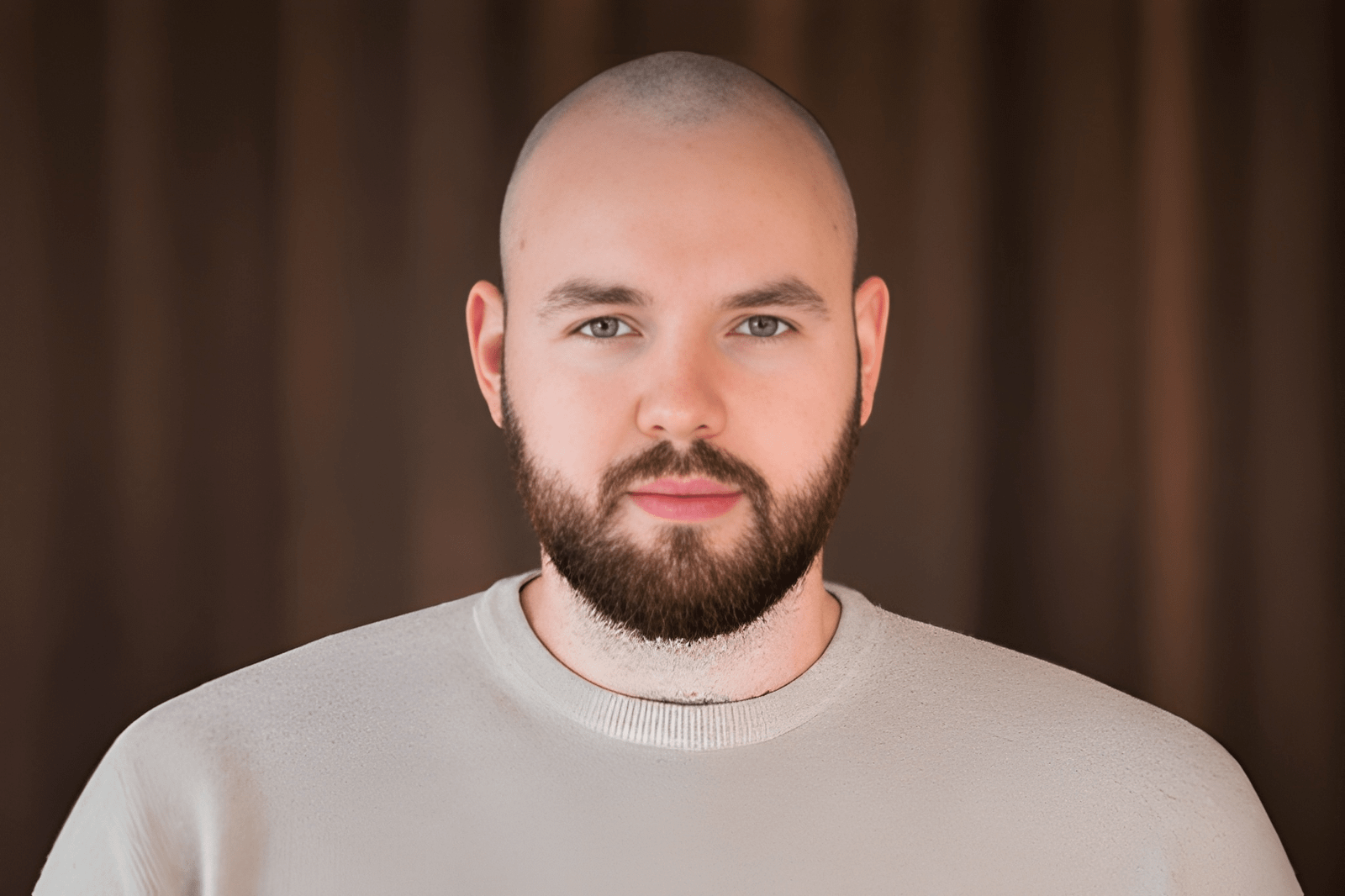
OpenAI has acquired AI travel startup Odessia in what appears to be an acqui-hire, bringing its founder, Francis Davidson, on board to help the artificial intelligence company explore opportunities in the travel sector.
Davidson confirmed the development in a post announcing the deal, stating that he would join OpenAI to help shape the future of travel. Although the financial terms of the acquisition remain undisclosed, the move signals OpenAI’s growing interest in AI-powered travel services.
Although the financial terms remain undisclosed, the transaction appears to be an acqui-hire. In his announcement, Davidson discussed how he built Odessia by directing teams of AI agents to develop an automated travel-planning service.
Founded about a year ago, Odessia raised $6 million in a pre-seed funding round led by Sequoia. The startup launched its AI travel agent approximately five months ago. According to Davidson, the platform helped early adopters plan travel worth millions of dollars. However, the service has since shut down.
An OpenAI spokesperson confirmed Davidson’s appointment. “We’re thrilled to welcome Francis to OpenAI. Francis is a proven founder who has built multiple businesses to help people travel, and we’re excited he’s chosen to build with us.”
Meanwhile, OpenAI has not announced any new travel-focused products or specific plans for the sector. However, the company already counts businesses such as Booking.com, Expedia, and KAYAK among its customers or partners. Travel planning has also emerged as a popular use case for personal AI assistants.
Furthermore, when OpenAI introduced its ChatGPT agent in July 2025, the company identified travel planning as one of its potential applications.
An OpenAI spokesperson declined to provide further details about the company’s plans for travel-related products but highlighted the growing use of ChatGPT for everyday activities, including trip planning.
“1.2 billion people turn to ChatGPT each week for help with everyday tasks—from understanding their health, figuring out what to make for dinner, building a budget, and even planning a trip. We see a real opportunity to make these experiences even more useful,” the spokesperson said.
Davidson’s appointment is also significant because of his earlier experience in the travel industry. He founded travel startup Sonder in 2014 while still in college. The company followed a business model similar to Airbnb but focused on short-term rentals of upscale apartments in major cities worldwide.
The COVID-19 pandemic severely affected Sonder’s business. Although the company later attempted to recover and went public through a special purpose acquisition company (SPAC), it failed to raise sufficient capital to meet its financial requirements. Davidson acknowledged these challenges in a LinkedIn post announcing his resignation as CEO in June 2025.
Subsequently, Sonder’s partnership with Marriott collapsed, pushing the company into bankruptcy and eventual closure. In 2026, the bankruptcy trustee sold Sonder’s name, trademarks, and website domain to TravelAI. The website now operates as a curated guide to the type of rental properties that Sonder previously offered.
Before its collapse, Davidson had built Sonder into a unicorn with $143 million in revenue. Although the company ultimately failed, his experience building and scaling businesses in the travel sector makes him a notable addition to OpenAI’s team.
His appointment raises questions about OpenAI’s potential ambitions in AI-powered travel services. However, the company has yet to disclose how it plans to use Davidson’s expertise or whether it intends to introduce dedicated travel products.