K Hospitality is targeting system-wide sales of Rs 6,000 crore by FY30, supported by expansion across its restaurant portfolio, institutional food services, quick-service restaurants (QSRs), and airport lounge operations, a senior company executive said.
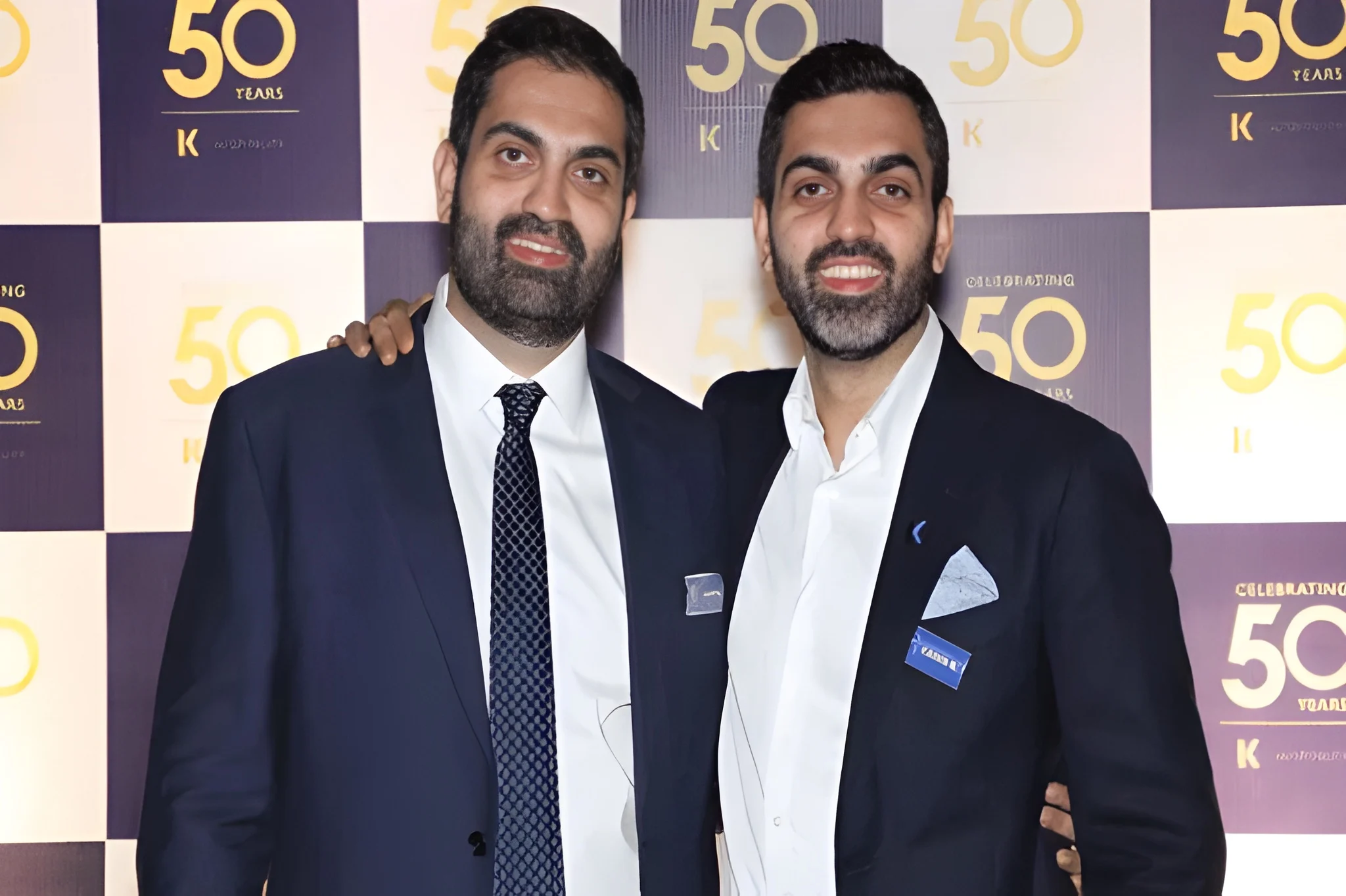
The group recorded system-wide sales of approximately Rs 3,500 crore in FY26, including revenue generated by company-owned outlets as well as independently franchised or licensed stores, according to K Hospitality Corp and Kliff Ventures executive director Karan Kapur.
“We expect the overall group to grow at approximately 20 percent over the next three years. Based on this indicative growth trajectory, system-wide sales could reach around Rs 6,000 crore by 2029-30,” he said.
K Hospitality operates more than 120 brands across its three business verticals, including Nando’s, Wagamama, Copper Chimney, Irish House, and Bombay Brasserie. The company plans to strengthen each vertical as it pursues its growth targets over the coming years.
Outlining the expansion strategy, Kapur said, “We are focusing on three key areas: first is our travel QSR and lounge business, which continues to expand across travel food services (TFS) via airports in India and overseas. The second is our restaurant business, where we plan to open around 40 restaurants, taking the total to 100 outlets this financial year.”
The third growth area covers banqueting, catering, and institutional food services. According to Kapur, the company is expanding these operations across corporate parks and event catering to tap growing demand from businesses and large gatherings.
K Hospitality will concentrate its restaurant expansion on major metropolitan markets, including Mumbai, Delhi, Bengaluru, Hyderabad, Chennai, Ahmedabad, and Kolkata. It also plans to enter other major cities, including Pune, through selected restaurant formats.
“Our restaurant expansion will primarily focus on major metropolitan markets, including Mumbai, Delhi, Bengaluru, Hyderabad, Chennai, Ahmedabad, and Kolkata. We will also expand in other major cities, including Pune, through select formats,” Kapur said.
As part of its brand-level expansion plans, the company intends to double Nando’s outlet count during the current financial year to approximately 36 locations. It also plans to open six to eight Copper Chimney restaurants and around six Wagamama outlets.
“These three brands will account for a significant portion of the planned expansion, although there may also be openings under other brands. We expect to invest approximately Rs 100 crore in restaurant expansion during FY27, which will be funded internally,” he added.
Meanwhile, K Hospitality is exploring opportunities to partner with additional international restaurant brands seeking to enter the Indian market. Kapur said the company has received interest from overseas brands and is holding discussions with potential partners. However, he clarified that the group has no immediate joint venture or partnership announcement.
Despite its interest in international brands, K Hospitality’s restaurant operations remain heavily concentrated in India.
“Our restaurant business remains predominantly India-focused, with about 99 percent of our business centered on India. Our immediate priority is to build the business in India, where we see significant opportunities for growth,” Kapur said.
The company also maintains a limited international footprint through Copper Chimney and another group brand, operating approximately three to four outlets across the UAE, the UK, and Sri Lanka.
For its planned expansion, K Hospitality will prioritise a company-owned operating model to maintain greater control over product quality, operations, and supply chains. Kapur said the group’s experience of more than five decades in the industry has helped it evaluate different business models and determine the approach best suited to its current growth strategy.
“Having operated in the industry for over five decades, we have tested different business models. For our current expansion strategy, we believe company-owned operations allow us to maintain tighter control over quality, operations, supply chains, and the overall consumer experience.”
“Franchising has its advantages, but at our current stage of growth, maintaining consistency across our restaurants is particularly important,” Kapur added.