




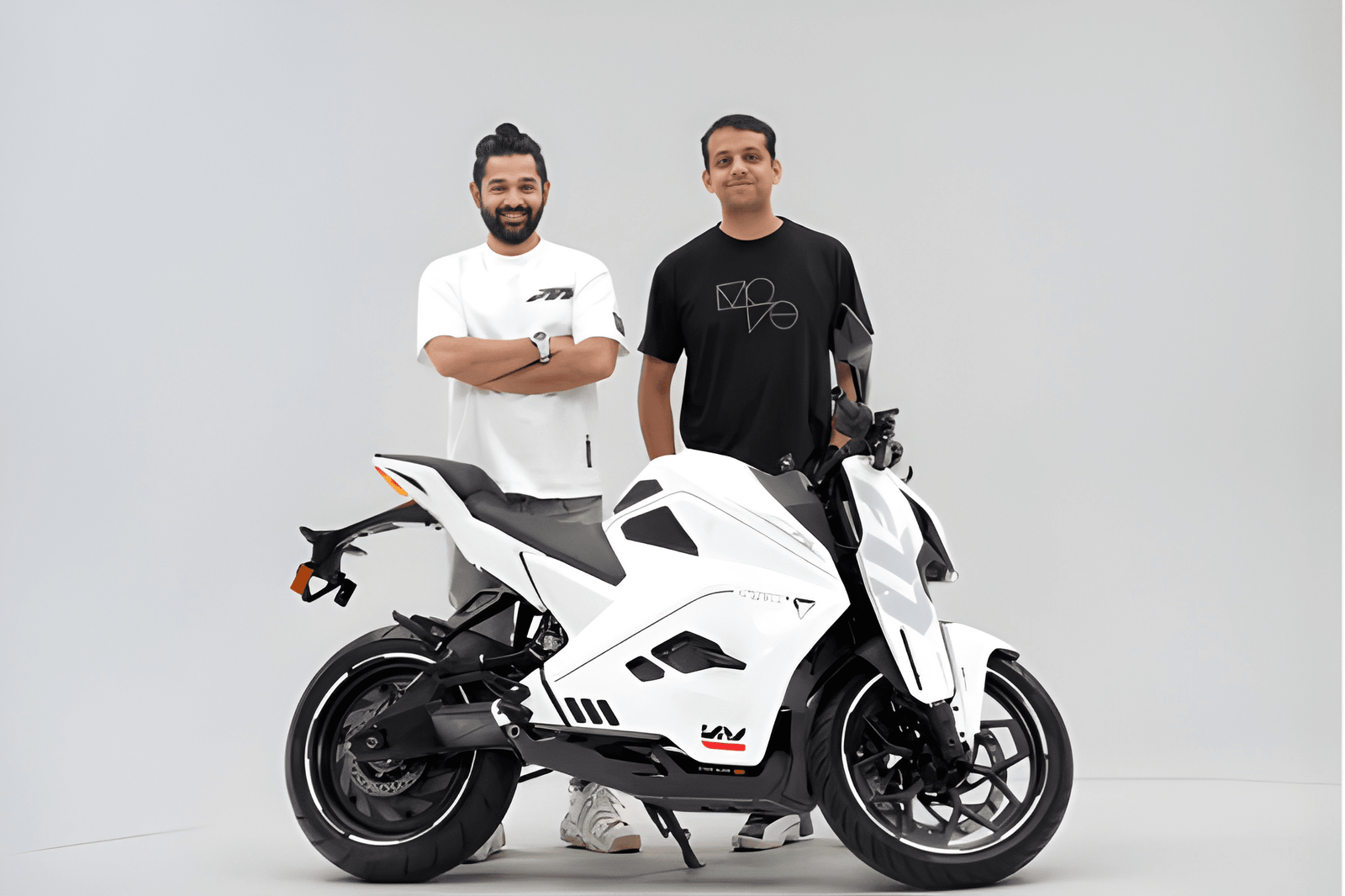
Indian electric motorcycle manufacturer Ultraviolette Automotive plans to invest ₹7.79 billion ($81.93 million) over the next five years to establish a new manufacturing facility in Hosur, Tamil Nadu. The company aims to increase production capacity and strengthen its entry into the mass-market electric two-wheeler segment.
Meanwhile, concerns about the compatibility of older petrol vehicles with E20 fuel are contributing to rising demand for electric two-wheelers in India. Government data shows that electric two-wheeler sales crossed 1.03 million units during the first eight months of 2026.
The new Hosur facility will initially produce 250,000 vehicles annually. Moreover, Ultraviolette can expand the plant’s capacity to 500,000 units as market demand increases. The company, which counts Qualcomm and TVS Motor among its backers, will use the facility to complement its existing manufacturing plant near Bengaluru, which has an annual capacity of up to 50,000 units.
According to consulting firm McKinsey, electric two-wheelers could account for 40% to 45% of the segment by fiscal 2030. In addition, their share of India’s overall two-wheeler sales crossed 10% for the first time in August 2026.
“The demand we have for our products, including what is coming up next with the Tesseract and the Shockwave, is far more than the current facility can cater to,” Ultraviolette co-founder and CEO Narayan Subramaniam said.
The company currently focuses on premium electric motorcycles, including the F77 and X47. However, Ultraviolette plans to broaden its market reach with the upcoming Shockwave motorcycle, priced below ₹200,000, and the Tesseract scooter, which will cost less than ₹150,000.
Furthermore, Subramaniam said the company expects domestic demand for its scooters to reach at least 10,000 units per month. This level of demand could position Ultraviolette to compete more closely with established electric two-wheeler manufacturers such as Ola Electric and Ather Energy.
The company will fund the ₹7.79 billion investment through internal reserves, equity, and future cash flows. At the same time, it plans to keep its reliance on debt limited, according to CTO Niraj Rajmohan.
Ultraviolette selected Hosur partly because of its proximity to the company’s Bengaluru research and development centre. Additionally, the location provides access to a well-established automotive supply chain, Rajmohan said.
Ultraviolette sold more than 3,000 electric motorcycles globally during the first half of 2026. By comparison, Zero Motorcycles sold around 1,756 units, while Harley-Davidson’s LiveWire sold approximately 300 units during the same period, according to the company.
Meanwhile, exports to Europe and Latin America currently contribute around 15% of Ultraviolette’s sales. Subramaniam expects the international markets’ contribution to rise to 25% within the next five years.