




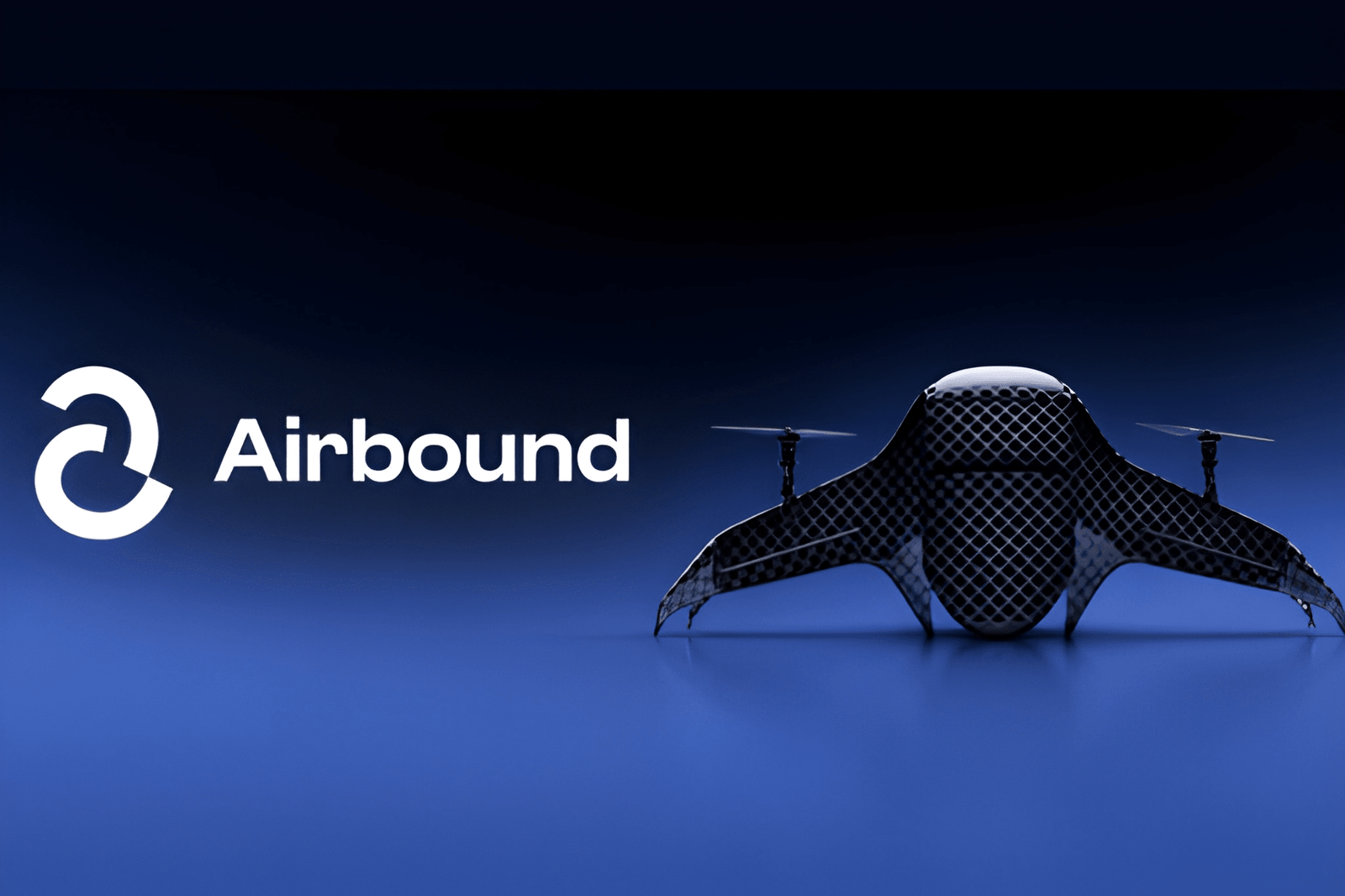
Bengaluru-based aerospace startup Airbound has raised $37 million in a Series A funding round as it accelerates the development and commercialisation of its lightweight autonomous aircraft for delivery operations. Alongside the fundraise, the company has signed an agreement with the Andhra Pradesh government to develop a three-city drone delivery network, marking a significant step towards expanding autonomous aerial logistics.
Greenoaks led the funding round, which also attracted new and existing investors, including DoorDash, Lachy Groom, Lightspeed, and Humba Ventures. Since its launch in 2023, Airbound has raised nearly $50 million in total funding.
The company will use the Series A capital to accelerate engineering, scale commercial manufacturing, and expand its go-to-market initiatives. Consequently, the latest funding will support Airbound as it moves from aircraft development towards larger-scale commercial deployment.
“We believe in a world where all movement happens in the air. Not some of it. Not most of it. All of it. A world where flying is cheaper than taking the bus, where moving a single package costs less than moving 20 tons by truck, and where we look at cars the way we look at horses today,” said Naman Pushp, founder and chief executive officer of Airbound.
“Better physics leads to better economics, which unlocks the potential to move people and goods for a fraction of a cent. That is what we’re building at Airbound,” he added.
Airbound combines autonomous technology and advances in materials science with a physics-first approach to develop transport aircraft that weigh less than the payload they carry. The company aims to improve the economics of aerial transportation by reducing the amount of aircraft weight that operators need to lift.
According to Airbound, transporting a single passenger or approximately 100 kg of cargo typically requires a purpose-built aircraft that weighs around 400 kg after accounting for fuel and payload. As a result, most of the aircraft’s weight goes towards lifting the aircraft itself rather than the payload. Airbound has designed its aircraft to reverse this equation, allowing the payload to account for the majority of the weight carried during flight.
“Moving goods has always forced a choice between fast and cheap,” said Neil Shah, partner at Greenoaks. “Trucks are cheap and slow, planes are fast and expensive, and nothing has broken the trade-off in more than a century. Airbound does. When one autonomous aircraft can move a single package with the cost efficiency of a fully loaded 20-ton truck, fast delivery and cheap delivery are no longer in tension, and roads stop being the default.”
Airbound designs, manufactures, and deploys its aircraft in India. The startup has already completed more than 1,000 autonomous flights without a mission failure in partnership with Narayana Health. During these operations, its aircraft transported diagnostic samples between healthcare facilities and reduced delivery times from hours to minutes.
Furthermore, Airbound will establish a drone delivery network connecting three cities in Andhra Pradesh under its agreement with the state government. The network will enable faster and more cost-efficient transportation while creating an operational foundation for large-scale autonomous aerial deliveries.
The company plans to scale the network to 10,000 daily flights and support deliveries across retail, e-commerce, and healthcare. Airbound believes the Andhra Pradesh programme could eventually provide a model for expanding aerial delivery networks across India.
“The bar for delivery in India is high. The benchmark is 10 minutes to your doorstep, at an extremely low cost. That’s the complexity here,” said Pushp. “If you can build something that works in India, it tends to work anywhere.”
“We’re excited about the bold new approaches emerging in autonomous delivery, and we love backing teams tackling hard problems,” said Harrison Shih, head of product for DoorDash Labs. “What drew us to Airbound is their willingness to go back to first principles and take on the physics and cost constraints that are keeping aerial delivery from being ubiquitous. Their progress in India, one of the world’s most demanding operating environments, shows what passionate engineering can do, and we’re eager to see what they build.”
Going forward, Airbound plans to expand its aircraft technology beyond package delivery. The company aims to eventually use the same platform for freight transportation and, over time, passenger travel between cities.