
Wednesday, August 5, 2026
Home Blog Page 94

Kraken surges to $8.65 Bn valuation, boosting Origin Energy’s portfolio

0
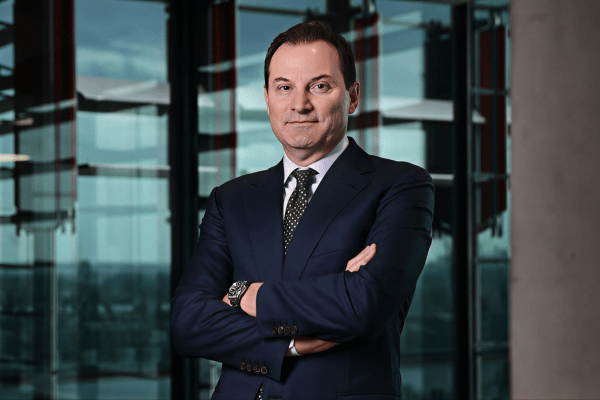
Frank Calabria, CEO, Origin Energy

Origin Energy Ltd. said that Kraken Technologies Ltd., a software platform that enables utilities to manage the shift toward cleaner energy, has achieved a valuation of $8.65 billion following its first standalone capital raise.

Notably, the software platform has played a central role in Octopus Energy Group Ltd.’s rise to become the UK’s largest electricity supplier, as the company surpassed traditional incumbents and expanded its customer base to more than 7 million households. Meanwhile, Sydney-listed Origin Energy holds roughly a 20% stake in Octopus Energy.

According to a statement released on Tuesday, Kraken will raise $1 billion in equity through its first independent share sale involving both new and existing investors. As a result, the transaction will set the stage for a formal separation of the company from Octopus, which the company has targeted for the middle of next year.

“Origin has always held a deep conviction in the potential of Kraken, and we have been able to maintain our highly valuable equity stake in Kraken while supporting the continued expansion of Octopus Energy,” Origin Chief Executive Officer Frank Calabria said in the statement. Additionally, Origin confirmed that D1 Capital Partners will join as a new investor, alongside a “leading energy retailer” with more than 10 million customers that will also adopt Kraken as a client. Furthermore, Origin said it will invest $140 million as part of the overall process.

Earlier, in September, Octopus announced its plans to spin off the software platform. Since then, energy providers have licensed Kraken’s software to help balance electricity flows to households, particularly as energy-transition technologies such as electric vehicles, home batteries, solar panels, and heat pumps become more widespread.

At the same time, Origin agreed to waive its exclusivity to the software platform in Australia in exchange for an additional 1.5% equity stake, thereby offsetting dilution from the share sale. Consequently, following the equity raise and the separation of the software platform from Octopus, Origin will hold a direct ownership interest of 22.7% in Kraken as well as a 22.7% stake in Octopus.

Overall, suppliers that deploy Kraken’s software can offer more competitive pricing and targeted incentives to customers, encouraging flexible energy usage. These capabilities help utilities manage the volatility in power flows associated with a grid increasingly dominated by renewable energy sources, reinforcing Kraken’s strategic value in the global energy transition.

Lemon Tree Hotels expands portfolio with new hotel signing in Tirupati

0

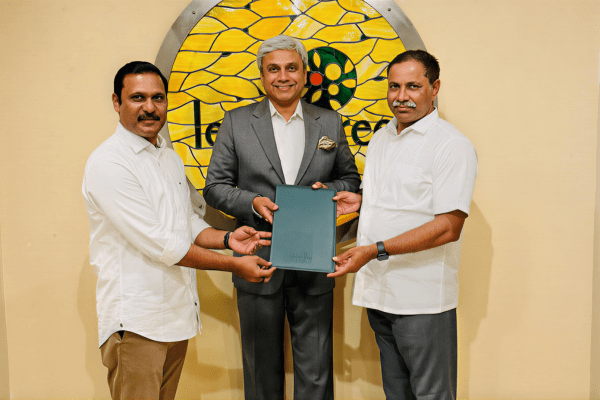
Lemon Tree Hotels Limited has announced that it has executed a Hotel Operation Agreement for a forthcoming property in Tirupati, Andhra Pradesh. Notably, the company signed the agreement through Carnation Hotels Private Limited, its wholly owned subsidiary.

Under this arrangement, Carnation Hotels Private Limited will operate the hotel under the Lemon Tree Suites brand, subject to Lemon Tree Hotels Limited executing a separate licence agreement.

The upcoming property, will brand itself as Lemon Tree Suites, Tirupati and will feature 228 rooms and suites. Additionally, the hotel will offer a restaurant, a banquet hall, and a meeting room, along with recreational facilities such as a swimming pool and a spa. Strategically, the property sits approximately 10 km from Tirupati International Airport and about 6.3 km from Tirupati Railway Station, while remaining well connected via both public and private transport networks.

Commenting on the signing, Vilas Pawar, Chief Executive Officer – Managed and Franchise Business at Lemon Tree Hotels, said, “With this signing, we are pleased to extend our pilgrimage portfolio in a place that holds deep spiritual resonance. Moreover, the vibrant tourism, rich cuisine, and growing hotel infrastructure make Andhra Pradesh a magnet for tourism travellers seeking unforgettable experiences. The state has six operational and three upcoming hotels.”

Overall, the signing reinforces Lemon Tree Hotels’ strategy of expanding its managed and franchise portfolio in high-demand destinations. Consequently, the Tirupati project strengthens the group’s presence in pilgrimage and leisure-led markets while also supporting its broader growth ambitions across Andhra Pradesh.

Meta acquires AI startup Manus to unlock near-term AI returns

0

Meta Platforms Inc. has agreed to acquire Manus, a Singapore-based artificial intelligence startup that builds AI agents for small and mid-sized enterprises, thereby marking a major step in Meta’s strategy to convert its extensive AI investments into near-term business returns.

This transaction comes as Chief Executive Officer Mark Zuckerberg increasingly places artificial intelligence at the core of Meta’s corporate agenda, while the company accelerates efforts to develop commercially viable products on top of its expanding AI infrastructure. Although the companies did not disclose the financial terms, Manus contributes a rapidly growing subscription-led business that, in turn, offers Meta immediate monetisation potential.

Earlier this year, Manus reported an annual revenue run rate of approximately $125 million, largely driven by strong demand from businesses that rely on its AI agent to automate routine tasks. Specifically, the platform enables users to provide simple instructions to an AI assistant that can screen resumes, create travel itineraries, and conduct stock analysis, among other functions.

“Joining Meta allows us to build on a stronger, more sustainable foundation without changing how Manus works or how decisions are made,” said Xiao Hong, CEO of Manus.

Moreover, the company raised capital earlier this year at a valuation close to $500 million, with backing from multiple investors, including US-based venture capital firm Benchmark.

Overall, the acquisition underscores Meta’s broader push to move beyond consumer-facing AI features and into enterprise-focused tools, as the company seeks to justify its substantial spending on data centres, chips, and large language models. By integrating Manus’ subscription-driven AI offerings, Meta secures an established revenue stream and gains a strategic foothold in the rapidly expanding market for AI agents designed for everyday business applications.

Sustainable footwear startup Neeman’s raises Rs 35.5-Cr in Series B2 funding to boost operations and growth

0
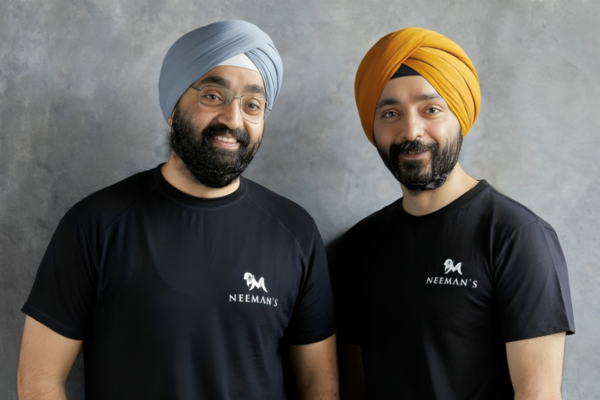
Amar Preet Singh & Taranjeet Singh Chhabra, co-founders, Neeman’s

Sustainable footwear brand Neeman’s has raised fresh capital from a mix of new and existing investors in what appears to be an extension of its Series B funding round that originally commenced in June 2022.

As part of this round, the company’s board approved the issuance of 54,915 Series B2 compulsorily convertible preference shares (CCPS) at a price of Rs 6,465 per share, enabling Neeman’s to raise Rs 35.50 crore. In addition, the company allotted 5,414 partly paid-up equity shares at the same price to co-founders Taranjeet Singh Chhabra and Amar Preet Singh, with both founders making equal investments.

Moreover, the Series B2 tranche attracted participation from several investors. Snam Solutions, backed by Muralidhar Dhuddu, led the round with an investment of Rs 16 crore. This was followed by Grand Anicut, which contributed Rs 7 crore, and Sharrp Ventures, which invested Rs 5 crore. Other institutional and individual investors collectively infused an additional Rs 7.5 crore.

As a result, the latest fundraising will value Neeman’s at approximately Rs 439 crore ($49 million) on a post-money basis. The company plans to deploy the newly raised capital toward strengthening its working capital position and supporting ongoing operational requirements.

Founded in 2017 and headquartered in Hyderabad, Neeman’s has built a reputation for eco-conscious footwear made using sustainable materials. The brand primarily operates on a direct-to-consumer model and, over time, has established a strong digital presence while steadily expanding its offline retail footprint.

To date, Neeman’s has raised more than $17 million in funding. Following the latest round, Grand Anicut now holds an 8.63 percent stake in the company, while Enam Investments, Snam Solutions, and Sharrp Ventures own 4.76 percent, 3.64 percent, and 3.51 percent stakes, respectively.

Meanwhile, for FY24, Neeman’s reported an 11.4 percent year-on-year increase in revenue, reaching Rs 76.94 crore compared to Rs 69.05 crore in FY23. Additionally, the company reduced its net loss by 14 percent to Rs 29.23 crore from Rs 33.98 crore in the previous year. However, Neeman’s has not yet disclosed its financial performance for FY25.

Viceroy Hotels expands portfolio with Marriott Executive Apartments, Hyderabad acquisition for INR 206-Cr

0

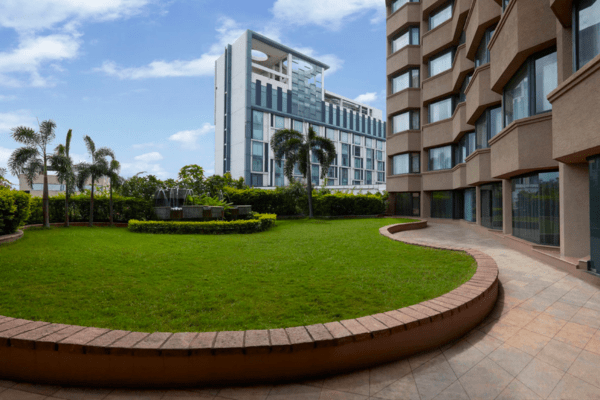
Viceroy Hotels Limited, a Hyderabad-based hospitality company, is preparing to acquire SLN Terminus Hotels & Resorts Pvt. Ltd., the owner of Marriott Executive Apartments, Hyderabad, for a total consideration of INR 206 crore. The Marriott-branded property operates at SLN Terminus in Gachibowli, one of Hyderabad’s key business and IT hubs.

In a filing with the Bombay Stock Exchange, the company stated that shareholders of Viceroy Hotels Limited approved the acquisition at an Extraordinary General Meeting held on December 27. Moreover, according to company information, a senior executive involved in the discussions indicated that the transaction supports Viceroy Hotels’ long-term strategy focused on asset consolidation, expansion of its premium portfolio, and sustained growth across major urban markets.

Viceroy Hotels has outlined plans to scale its portfolio to 1,000 keys by 2030. This growth will build on its existing base of approximately 470 keys, along with the addition of nearly 200 keys through an upcoming greenfield project in Hyderabad.

Furthermore, the proposed transaction adopts a comprehensive integration structure and, accordingly, includes the purchase of land, the settlement of inter-corporate loans, and the acquisition of equity shares. Of the total consideration of INR 206 crore, approximately INR 105.66 crore is allocated to land acquisition, while INR 40.67 crore is designated for settling inter-corporate loans and INR 59.67 crore for the purchase of equity shares. Consequently, subject to the completion of due diligence and receipt of regulatory approvals, SLN Terminus Hotels & Resorts Pvt. Ltd. will become a wholly owned subsidiary of Viceroy Hotels Limited.

Meanwhile, the evaluation of this acquisition coincides with a strong recovery in the Indian hospitality sector during 2024–25. The industry has recorded revenue growth of approximately 7–9 percent, supported by rising occupancies in premium hotels despite ongoing supply constraints.

Looking ahead, India’s tourism and hospitality market projects to reach nearly US$60 billion by 2028. Additionally, domestic travel will double by 2030, growing at an estimated compound annual rate of 13 percent, as rising incomes, improved connectivity, and sustained investment continue to drive the sector.


Cybersecurity startup Act Security secures Series A following $20 Mn seed raise

0

Act Security has closed a swift Series A funding round just four months after completing a $20 million seed raise, highlighting the continued momentum of Israeli cybersecurity startups. Since its launch, the company has now secured a total of $60 million in funding.

Notably, Act Security raised $40 million in its Series A round only months after its seed financing, underscoring strong investor confidence in the company’s early execution and market opportunity. The startup is developing a platform to secure cloud infrastructure and data centers and currently employs a team of 30 professionals.

The latest funding round was led by US-based Notable Capital. In addition, Startpoint, the investment arm of Clal Insurance’s Claltech Capital, participated alongside existing investors that led the seed round. These returning backers include Bessemer Venture Partners, Team8, Hetz Ventures, and Brightmind.

The company completed its seed round in August. Since then, Act Security has moved quickly to scale its technology and operations, prompting the rapid follow-on investment.

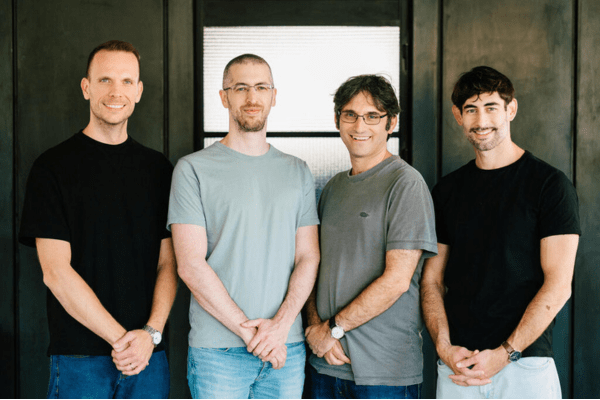
Act Security was founded by an experienced leadership team comprising Jonathan Langer (Chief Executive Officer), Itay Kirshenbaum (Chief Technology Officer), Stephen Goldberg (Chief Product Officer), and Ilai Fallach (Chief Research and Development Officer). Previously, Langer and Kirshenbaum co-founded Medigate in 2017, a medical device security and management company, with Goldberg joining as one of its earliest employees.

In 2021, Claroty acquired Medigate for approximately $400 million, providing the founding team with a strong track record in building and scaling cybersecurity platforms. Consequently, Act Security’s rapid fundraising reflects both the founders’ prior success and sustained investor appetite for cloud and data center security solutions.

Tivoli Hospitality Group expands luxury footprint with launch of ‘Midori by Tivoli’

0
Akshay Gupta, Executive Director of Tivoli Hospitality Group

Tivoli Hospitality Group has launched Midori by Tivoli, a luxury, hotel-led destination that underscores the Group’s continued expansion within India’s premium hospitality market. The launch fits into Tivoli’s wider growth roadmap, which includes a five-star hotel and an expanding portfolio of upscale hospitality and celebration destinations across North India.

“Midori by Tivoli is a significant step in our ongoing expansion journey as a hospitality group,” said Akshay Gupta, Director, Tivoli Hospitality Group, adding, “It reflects our intent to create hotel-led celebration destinations rooted in refined service, thoughtful design, and consistent hospitality standards. As Tivoli continues to expand its luxury portfolio, Midori by Tivoli aligns with our vision of delivering experience-driven premium hospitality offerings.”

Developed through a long-term strategic takeover, Tivoli Hospitality Group fully operates Midori by Tivoli and assumes complete responsibility for operations, sales, marketing, and guest experience. Importantly, while the destination does not function as a traditional stay hotel, it delivers hotel-grade service finesse and culinary depth typically associated with luxury hotel environments.

Moreover, the Group has placed strong emphasis on transforming the property’s architecture, interiors, and spatial planning. As part of the transformation, Tivoli has expanded and comprehensively redesigned the destination to reflect its contemporary luxury design philosophy; consequently, the physical environment now enhances elevated guest experiences while seamlessly supporting large-format, high-end celebrations.

“Every aspect of Midori by Tivoli has been reimagined, from architecture and interiors to how guests experience the space,” said Ishan Gupta, Director, Tivoli Hospitality Group. He added, “Today’s luxury celebrations demand environments that feel immersive and thoughtfully designed, and our focus has been on creating a destination that delivers elegance, comfort, and visual sophistication at every touchpoint.”

Furthermore, Midori by Tivoli caters to high-end weddings, social events, and bespoke celebrations, with a clear shift toward a hospitality-led execution rather than a conventional venue-centric model. Curated culinary experiences play a central role in the offering, reinforcing Tivoli’s focus on quality, consistency, and personalised service.

“Our objective with Midori by Tivoli is to offer complete celebration experiences backed by hotel-grade service standards and operational excellence. From guest flow and service detailing to food and overall execution, the focus is on delivering consistency and refinement,” said Aryaman Gupta, Director, Tivoli Hospitality Group.

The launch of Midori by Tivoli reinforces Tivoli Hospitality Group’s strategic focus on hotel-led, experience-driven celebration destinations, while underscoring its commitment to refined design, operational excellence, and consistent luxury hospitality standards across its growing portfolio.

SoftBank nears deal to acquire data center investment firm DigitalBridge

0

SoftBank Group Corp. has entered advanced discussions to acquire DigitalBridge Group Inc., a private equity firm focused on investments in assets such as data centers, according to people familiar with the matter.

The Japanese conglomerate may announce an agreement as early as Monday for New York–listed DigitalBridge, the people said, requesting anonymity because the discussions remain private. However, the terms of the potential transaction—part of SoftBank’s broader effort to benefit from the AI-driven surge in digital infrastructure—remain unclear.

That said, the parties have not finalized a deal, and key details, including timing, could still change. Meanwhile, representatives from both SoftBank and DigitalBridge declined to comment.

Following initial reports of the talks on December 5, DigitalBridge’s shares surged 45% in a single day. Prior to that, the stock had fallen 13% this year. As a result, the company now holds a market capitalization of roughly $2.5 billion and an enterprise value of about $3.8 billion, including debt.

At the same time, SoftBank founder Masayoshi Son is intensifying efforts to capitalize on rapidly growing demand for the computing power that supports artificial intelligence applications.

DigitalBridge, led by Chief Executive Officer Marc Ganzi, managed approximately $108 billion in assets as of the end of September, according to its website. Its portfolio includes several major digital infrastructure operators, such as AIMS, AtlasEdge, DataBank, Switch, Vantage Data Centers, and Yondr Group.

Notably, SoftBank has prior experience in the asset management space. In 2017, it acquired Fortress Investment Group for more than $3 billion. Eventually, it sold its stake to a consortium that included Abu Dhabi sovereign wealth fund Mubadala Investment Co. and Fortress Management, completing the transaction in 2024.

Earlier this year, SoftBank announced a $500 billion initiative known as Stargate, in partnership with OpenAI, Oracle Corp., and Abu Dhabi–based MGX, to develop data centers across the US. While Son pledged to deploy $100 billion “immediately,” progress on Stargate has moved more slowly than expected, partly due to disagreements over site locations.

Initially, SoftBank sought project financing from external investors, including insurance companies, pension funds, and investment firms. However, several discussions slowed amid market volatility, uncertainty surrounding US trade policy, and concerns about valuations of AI hardware.

Despite these challenges, OpenAI, Oracle, and SoftBank revealed plans in September to develop five new sites across Texas, New Mexico, and Ohio. Once completed, these facilities will collectively provide up to 7 gigawatts of power capacity—comparable to the consumption of some cities.

Ultimately, SoftBank’s aggressive expansion strategy has required reallocating capital internally to unlock additional funding for its AI and infrastructure ambitions.

Coforge announces $2.35 Bn Encora acquisition, board clears $550 Mn fundraise

0

Information technology services firm Coforge on December 26 announced its plan to acquire US-based engineering services company Encora in a $2.35 billion all-stock transaction. Consequently, the company will execute the acquisition through a share swap, under which Coforge will issue 93.8 million equity shares priced at Rs 1,815.91 each, implying a non-cash consideration of approximately Rs 17,032 crore.

Following the transaction, Encora shareholders will hold nearly 21.25 percent of Coforge’s post-issue equity capital. As a result, the deal will significantly reshape Coforge’s shareholder base while preserving its capital structure.

“Coforge’s acquisition of Encora will create a $2.5 billion tech services powerhouse with both the scale and capability across AI-led engineering, cloud, and data services to drive enterprise-grade AI solutions,” the company said in a release issued after the conclusion of its board meeting. Therefore, the acquisition positions Coforge to accelerate its AI-driven growth strategy.

Earlier reports indicated that Coforge had been in advanced discussions to acquire Encora, potentially making this one of the largest transactions in the digital engineering space. Moreover, the company stated that the transaction will result in a combined entity with projected revenue of around $2.5 billion, with close to $2 billion expected from AI-led engineering, cloud, and data services by FY27. Additionally, AI-led product engineering alone could scale to over $1.25 billion in revenue, while cloud services may contribute about $500 million and data engineering more than $250 million.

To fund the acquisition, Coforge will deploy equity worth $1.89 billion, while it will meet the remaining amount through a bridge loan or a qualified institutional placement to retire Encora’s existing term loan. Meanwhile, Coforge’s board has approved plans to raise up to $550 million through a QIP or other permitted routes, although the company noted that it may not trigger a QIP if it finalizes alternative funding options.

Strategically, the deal will immediately scale Coforge’s HiTech and Healthcare verticals, with each expected to achieve a run rate of approximately $170 million post-acquisition. Furthermore, Encora adds AI-led healthcare capabilities across pharma, medtech, and healthtech. It also brings 11 client relationships generating more than $10 million annually, thereby increasing the combined total to 45 such large accounts.

In addition, the acquisition strengthens Coforge’s nearshore delivery footprint, as Encora contributes more than 3,100 professionals across Latin America. At the same time, the transaction expands Coforge’s presence in the US West and Midwest markets.

Looking ahead, Coforge expects its North America business to grow by nearly 50 percent to over $1.4 billion following the completion of the deal. Encora is being acquired from private equity investors, including Advent International and Warburg Pincus, who will roll over their existing holdings into Coforge equity.

As part of the agreement, these investors will gain the right to appoint two nominee directors to Coforge’s board and secure representation on key committees. However, the company clarified that the transaction will not result in any change in control.

The acquisition remains subject to shareholder and regulatory approvals, including clearances from the Reserve Bank of India and overseas antitrust authorities. Accordingly, Coforge expects to complete the transaction within the next four to six months.

D2C skincare brand Foxtale revenue nearly triples in FY25 despite wider losses

0
Romita Mazumdar, Founder and CEO, Foxtale

Direct-to-consumer skincare and beauty brand Foxtale maintained strong growth momentum in FY25, as revenue nearly tripled while the company scaled rapidly. However, higher spending on marketing and operations kept the Mumbai-based startup loss-making, according to media reports.

As per financial statements filed with the Registrar of Companies, Foxtale increased its revenue from operations 2.4 times to Rs 199 crore in FY25 from Rs 83 crore in FY24. Additionally, after including other income of Rs 7 crore, the company reported total income of Rs 206 crore for the year. Founded in 2021 by Romita Mazumdar, Foxtale positions itself as an affordable skincare brand designed for Indian skin, addressing issues such as acne, ageing, and hyperpigmentation. Notably, sales of skincare and beauty products remained the company’s only source of operating revenue in FY25.

Meanwhile, expenses rose sharply in line with Foxtale’s expansion strategy. Advertising emerged as the largest cost component, accounting for 38 percent of total expenses, as spending more than doubled to Rs 106 crore from Rs 50 crore in FY24. At the same time, material costs doubled to Rs 74 crore, while employee benefit expenses increased 55 percent to Rs 31 crore.

Overall, Foxtale more than doubled its total expenses to Rs 279 crore in FY25 from Rs 139 crore in the previous year. Consequently, the company widened its net loss by 38 percent to Rs 73 crore in FY25, compared with Rs 55 crore in FY24. During the year, the company reported an EBITDA margin of minus 39.20 percent, while return on capital employed improved to minus 26.87 percent.

Despite ongoing losses, Foxtale continued to improve its unit economics. Specifically, the company spent Rs 1.40 to generate one rupee of operating revenue in FY25, compared with Rs 1.67 in the prior fiscal year. Furthermore, Foxtale closed the year with a stronger balance sheet, reporting cash and bank balances of Rs 166 crore, up significantly from Rs 43 crore in FY24. In addition, current assets rose to Rs 316 crore.

To support growth, Foxtale has raised a total of USD 52 million in funding so far, with Matrix Partners and Kae Capital leading its investor base. Founder and CEO Romita Mazumdar currently holds a 34 percent stake in the company.

Looking ahead, the company recently stated that nearly half of all purchases on its D2C platform come from repeat customers. Moreover, Foxtale expects to end the year with annual recurring revenue exceeding Rs 700 crore in gross merchandise value terms and has guided toward achieving profitability in the next financial year.