
Monday, May 4, 2026
Home Blog Page 83

Green hydrogen startup HYDGEN raises $5 Mn in funding

0
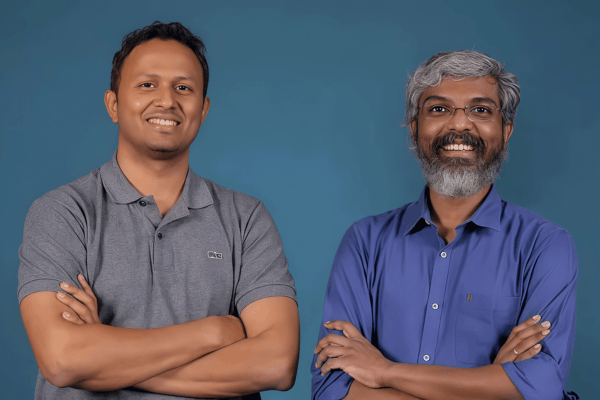
(From left) Manippady Krishna Kumar, Chief Operating Officer; Michael Gryseels, Chairman; and Goutam Dalapati, Chief Technology Officer of HYDGEN

HYDGEN, a deeptech startup building industrial-scale green hydrogen solutions, has secured $5 million in a combination of equity and debt funding. The round was led by Transition VC, with participation from Cloudberry Pioneer Investments (Europe), Moringa Ventures (Singapore), and strategic family offices from India and Singapore.

The company plans to deploy the capital to deliver ultra-pure and cost-efficient hydrogen directly at the point of use through its proprietary Anion Exchange Membrane (AEM) electrolyser technology, according to its announcement.

“Many discuss hydrogen’s focus on its role in a clean energy future, but the urgent opportunity is about enabling industries to have hydrogen where and when they need it, with purity they can trust,” said Dr Manippady Krishna Kumar, Co-founder and COO of HYDGEN. “Our AEM electrolysers allow companies to produce hydrogen on-site at a competitive cost, solving supply chain challenges today while preparing them for the broader transition to green hydrogen in the years ahead.”

Founded by Dr Manippady Krishna Kumar, Dr Michael Gryseels, and Dr Goutam Dalapati, the company offers proprietary stack designs ranging from 1 kW to 100 kW and scaling up to 250 kW. These modular systems enable industries to produce ultra-high-purity hydrogen reliably and with lower capex requirements, directly at their own facilities. HYDGEN’s platform combines features of alkaline systems with the efficiency of proton-exchange membrane technology without relying on platinum-group metals, helping industries cut logistics costs while improving supply dependability.

“HYDGEN is the first team we’ve seen capable of scaling AEM electrolysers to true industrial levels while maintaining cost leadership. This is no longer a research initiative but a commercially ready platform serving industries already dependent on hydrogen today,” said Mohamed Shoeb Ali, Managing Partner at Transition VC.

“Decarbonisation needs solutions that are both green and practical. HYDGEN’s decentralised model makes hydrogen generation more efficient and accessible. The company plans to use the funds to upgrade its Mangalore facility to a semi-automated line, scale its single-stack capacity to 250 kW, and expand into Japan, Europe, and the Middle East—markets seeing strong policy support for industrial hydrogen,” added Khoong Hock Yun, Managing Partner at Moringa Ventures.

Accel partners with Prosus to co-invest in India’s science-led deep-tech startups

0
Ashutosh Sharma, Head of India ecosystem, Prosus

Venture-capital firm Accel has joined hands with Prosus to co-invest in early-stage Indian startups working on breakthrough technologies such as robotics, advanced manufacturing, and artificial intelligence (AI).

Through Accel’s Atoms X program, both investors will match funding of up to $2 million each for companies that require longer development timelines than traditional software ventures. These firms describe such startups as LeapTech companies.

“Technology is one way to achieve breakthroughs, but so are product- and business-model innovations. We want to back ideas that create a step-function transformation in the market—in cost, access, or performance,” said Pratik Agarwal, partner at Accel. This partnership marks Prosus’ first global co-investment of its kind, through which the firm aims to back companies that may take 10–15 years to mature but can eventually lead their sectors through deep technical differentiation.

“This is Prosus’ first collaboration of its kind globally. Accel is a natural partner to join hands with,” said Ashutosh Sharma, head of the India ecosystem at Prosus. “We see extraordinary potential in LeapTech founders building from science and engineering first principles to solve global problems.”

Agarwal noted that India’s circumstances differ significantly from economies like the United States or China, citing its vast population, scarce resources, and strong frugal innovation culture. “To become a developed nation, we must demonstrate innovations that create affordable excellence at population scale,” he said.

They added that India has already seen powerful examples of LeapTech innovation through platforms such as Jio and the Unified Payments Interface, and now in sectors like quick commerce. This approach is also transforming advanced manufacturing, accelerating clean energy adoption, and driving AI-powered automation.

Both investors will deploy capital directly from their respective funds and will co-invest in every LeapTech startup. The initial cheque size can go up to $1 million per fund, while follow-on rounds will depend on each investor’s independent mandates.

“With this partnership, we can collectively support founders from early ideas to late stage,” Sharma said.

The two firms have previously backed Wiom—an internet-infrastructure startup enabling affordable broadband through a tech-driven, asset-light model that partners local internet providers. Accel has also invested in Posha, a kitchen robotics venture, and Sarla Aviation, which is developing flying taxis.

Posha builds an AI-powered countertop robot that can cook meals autonomously by following recipes and adjusting ingredients and heat.

According to Agarwal, Sarla Aviation gained access to R&D centers, testing infrastructure, and policy networks through their ecosystem support. “These startups needed capital, credibility, and connections much earlier in their lifecycle,” he added.

In 2024, deep-tech startups worldwide drew more than $80 billion in venture capital, with India accounting for approximately 6-8 percent of total deal volumes, based on PitchBook and Bain data.

Accel has supported over 40 startups through its Atoms program so far, and nearly 30 percent of them have raised additional capital from external investors.

Although deep-tech ventures may take a decade or more to achieve commercial scale, Agarwal compared their growth trajectory to bamboo—growing invisibly at first before rising sharply.

“Once they take off, they scale up disproportionately and often dominate their categories because they’re unique,” said Agarwal. Sharma added that the partnership is designed to improve risk-adjusted returns and said he hopes to bring other venture investors on board as well.

“Everyone is open to joining in future rounds. But for the first round, it’ll just be the two of us,” he said.

Curefoods receives SEBI approval for D-Street listing

0
Ankit Nagori, Founder, Curefoods

Cloud-kitchen startup Curefoods has reportedly secured approval from the Securities and Exchange Board of India (SEBI) to launch its initial public offering (IPO).

Although the company has not made a public announcement, sources confirmed the development.

Curefoods plans to raise funds through a fresh issue of shares worth up to ₹800 crore ($304 million), alongside an offer for sale (OFS) of up to 4.85 crore equity shares by existing investors.

The company filed its draft red herring prospectus (DRHP) in late June and subsequently raised ₹160 crore ($18 million) in a pre-IPO placement from Flipkart co-founder Binny Bansal’s 3State Ventures in September.

The management said the company will use the IPO proceeds to expand operations, repay or prepay borrowings, invest in its subsidiaries Fan Hospitality Services and Cakezone Foodtech, drive marketing and sales initiatives, and pursue other strategic objectives.


Investors, including Iron Pillar, Crimson Winter, Accel India, and Chiratae Ventures, are expected to sell shares through the OFS.

On the financial side, Curefoods’ net loss remained nearly flat at ₹169.9 crore in FY25, compared with ₹172.6 crore in FY24. Meanwhile, the company’s operating revenue grew 27.4% to ₹745.8 crore, up from ₹585.1 crore in the previous fiscal year.

With SEBI’s nod, Curefoods joins a growing roster of Indian startups heading to Dalal Street this year. Recently, startups such as Shadowfax, Wakefit, Lenskart, and Capillary Technologies have also obtained SEBI approval for their public listings.

Meanwhile, Curefoods’ competitor Rebel Foods is preparing for its own IPO in 2026. In the lead-up to filing its IPO papers, Rebel Foods reportedly raised $25 million from the Qatar Investment Authority, valuing the company at $1.4 billion last month.

OpenAI invests $30 Mn in biotech AI startup Valthos to fight biological threats

0
Kathleen McMahon, CEO & co-founder of Valthos

OpenAI, the creator of ChatGPT, has partnered with Founders Fund and Lux Capital to invest $30 million in Valthos, a New York–based biotech AI startup specializing in biosecurity.

The funding round, announced on October 24, 2025, seeks to counter the rising risk of AI-enabled biological threats, which experts warn could become a serious global hazard as advanced technology becomes more accessible.

Valthos Inc. is a newly launched biotech security startup headquartered in New York. It specializes in AI-powered biosecurity systems that analyze biological data from sources like wastewater, air, and genetic samples to identify potential biohazards early.

Founded by Kathleen McMahon, former head of life sciences at Palantir Technologies, and Tess van Stekelenburg, Valthos combines machine learning, data analytics, and biotechnology to develop an early warning system for global biological threats.

The company’s goal is clear — to detect unusual biological activity, trace its source, and create countermeasures before a large-scale outbreak occurs.


Although AI continues to accelerate breakthroughs in therapeutics, vaccine development, protein engineering, and diagnostics, analysts caution that the same capabilities can also be misused by malicious actors.

Historical episodes of bioterrorism in the early 2000s continue to serve as reminders of the need for early intervention—therefore, Valthos’ technology arrives at a crucial time. Moreover, OpenAI’s investment signals its broader commitment to responsible AI, extending beyond language models and into the realm of safety infrastructure.

This move also aligns with the technology industry’s growing emphasis on ethical innovation and safeguards around high-powered AI. At the same time, the involvement of Founders Fund and Lux Capital reflects a growing appetite among venture capital firms to fund technologies that address national security and global health resilience.

In an official statement, Kathleen McMahon, CEO of Valthos, said, “Our mission is to build an early detection system that safeguards humanity from the potential misuse of AI in biology. OpenAI’s backing will accelerate our progress in deploying AI responsibly for global safety.”

Looking ahead, Valthos’ platform could significantly reshape how governments and institutions predict, monitor, and neutralize biological threats, thereby potentially strengthening pandemic preparedness worldwide. Moreover, as AI continues to evolve rapidly, collaborations like this may ultimately set the template for future public–private safety initiatives.

For now, the $30 million commitment represents a decisive step toward building AI-backed biodefense ecosystems, combining technological advancement with the urgent need for global security.

Reliance and Meta form AI joint venture in India, announce ₹855-Cr investment

0

Reliance Industries Limited (RIL) has set up a new joint venture company named Reliance Enterprise Intelligence Limited (REIL) in collaboration with Facebook Overseas Inc., a wholly-owned subsidiary of Meta Platforms, Inc. The venture will build, market, and distribute enterprise AI solutions across India.

Reliance Intelligence has made an initial investment of ₹2 crore, subscribing to 2 million equity shares of ₹10 each. At present, REIL functions as a wholly owned subsidiary of Reliance Intelligence; however, the structure will shift once the joint venture agreement with Meta becomes fully effective.

The company clarified in its exchange filing that “REIL, incorporated in India as a wholly-owned subsidiary of Reliance Intelligence, will become the joint venture company as per the amended and restated joint venture agreement (“JV Agreement”) with Facebook Overseas, Inc. (“Facebook”), a wholly-owned subsidiary of Meta Platforms, Inc. (“Meta”). REIL will be engaged, inter alia, in developing, marketing, and distributing enterprise AI services.”

Under the final joint venture structure, Reliance Intelligence will hold 70%, while Facebook (Meta) will hold 30%. Both partners have committed a combined initial investment of approximately ₹855 crore toward developing the platform and scaling its commercial adoption.

The filing further added, “The transaction does not fall within related party transactions, and none of the company’s promoters/promoter groups/group companies have any interest in the above transaction.”

By setting up this joint venture, Reliance is deepening its presence in next-generation digital technology, particularly in AI-led enterprise transformation. Moreover, the company clarified once again that the deal does not qualify as a related party transaction and that no promoters or group companies are financially involved.

Additionally, the company confirmed that no regulatory or government approvals were required for incorporating REIL, indicating a smooth and straightforward compliance route for the venture.

Moustache Escapes targets rapid growth for premium ‘Luxuria’ brand by 2027

0
(L to R) Abhishek Khandelwal and Deepak Agarwal, co-founders of Moustache Escapes

Jaipur-headquartered hospitality operator Moustache Escapes is gearing up for a substantial expansion in the boutique luxury category over the next two years. The company, which began its journey in 2016 as a hostel-focused brand, has steadily diversified into the boutique luxury and mid-market space post-Covid. It now operates 33 properties across three verticals.

Co-founders and directors Abhishek Khandelwal and Deepak Agarwal said that the company plans to channel its efforts toward expanding the ‘Luxuria by Moustache’ brand in the coming years.

The company introduced the Luxuria vertical in 2021 by simultaneously signing three properties across Udaipur, Rishikesh, and Goa. At present, Luxuria operates five boutique properties, with the most recent one located in Jawai, Rajasthan, which opened last month.

Khandelwal added, “We have signed five more properties under the Luxuria brand portfolio already. These are in places like Varanasi, Kasaul, Mohan Chatti (Rishikesh), Gokharna, and Shoja (Himachal Pradesh),” further emphasizing, “Luxuria by Moustache is a focus segment for us going forward.”

Meanwhile, Agarwal shared the growth roadmap, stating that the company aims to add 25 more hotels by 2027, of which at least 10 will belong to the Luxuria portfolio. Furthermore, the founders have set a revenue target of ₹100 crore by FY 2027.

Currently, Moustache Escapes operates 20 Moustache Hostels, 5 Luxuria by Moustache hotels, and 8 Moustache Select properties. The company launched the Moustache Select category earlier this year to cater to the mid-premium segment.

Explaining the positioning of Moustache Hostels, Khandelwal said, “In Moustache Hostels, we try to create a travel community through different events and activities. We strictly don’t allow families and children in our hostels.” These properties are located largely in leisure-heavy destinations and select metros like Delhi and Mumbai.

Furthermore, the company runs on an asset-light model, operating properties through a mix of long-term lease agreements, management contracts, and franchise partnerships. The founders highlighted that the choice of operating model depends on the size of the property, its location, and the profile of the property owner.

Considering intense competition from leading domestic and global luxury hotel chains, Moustache Escapes intends to focus on intimate boutique properties with 10 rooms or more, positioned in high-demand locations that can command better average daily rates (ADR).

The founders also believe that their non-hospitality background gives them a strategic advantage. Their experience in accounting, international consulting, and advisory services helps them rethink and re-engineer hotel operations more quickly than traditional hospitality players.

Agarwal added, “We invest a lot of our time and energy in building a strong, trained team and processes. We also invest in technology to ensure consistency in service delivery and monitor it centrally.”

ITC Hotels unveils ‘Epiq Collection’, targets 1,000 premium keys

0

As India’s hospitality sector continues to ride the premiumization wave, ITC Hotels on Friday introduced a new upscale hotel brand, “Epiq Collection,” aimed at boosting growth in the premium portfolio.

The brand will make its entry with a 118-key owned hotel in Puri, Odisha, followed by a 201-key managed property in Tirupati, Andhra Pradesh, scheduled to open over the next two years.

According to the company, “With this new brand launch, ITC Hotels aims to add about 1,000 keys under Epiq Collection over the medium term, reinforcing its commitment to offering elevated hospitality experiences across India. This strategic addition to the portfolio is designed to accelerate the company’s premiumization journey by focusing on the conversion of high-quality hotels into new owned and managed properties.”

The premium hospitality space already features competing offerings such as Vivanta from IHCL and Aurika by Lemon Tree Hotels.

The announcement comes at a time when ITC’s hospitality business anticipates a strong second half of FY26, driven by buoyant demand and higher discretionary spending. In Q2 FY26, the company reported a 74.3% jump in consolidated net profit to ₹132.8 crore, compared to ₹76.2 crore in the corresponding period of FY25.

Revenue from operations climbed 7.9% YoY to ₹839.5 crore, up from ₹778 crore. The company’s PBIDT rose 34.5% YoY to ₹294.7 crore.

Although heavy monsoons, seasonal softness, and fewer auspicious wedding dates dampened performance earlier in the quarter, demand rebounded in September driven by longer weekends and early festive momentum. The release said, “The hospitality sector faced seasonal softness in the quarter, which was further impacted by heavy monsoon rains that dampened travel sentiment and leisure mobility in July and August… However, demand rebounded in September… reaffirming the sector’s medium- to long-term resilience.”

Strong growth in retail, corporate, and MICE bookings pushed room revenue upward. The average daily rate rose by 6%, while occupancy improved by 254 bps, driving 9% standalone RevPAR growth. On a consolidated basis, RevPAR grew 11% YoY, with the company maintaining a 40% RevPAR premium over the industry, underscoring brand strength.

Food & beverage revenues recorded 5% growth, aided by strong performance from restaurants and banquet services.

During the quarter, ITC Hotels also signed new properties in Patna, Hyderabad, Tirupati, Wayanad, Nellore, and Mantralayam, reinforcing its push into high-growth markets.

The group now manages a network of 207 hotels, including 146 operational and 61 under development, and is on track to exceed 220 operational hotels with 20,000 keys by 2030. The company expects supportive policy measures, such as GST rationalization and monetary easing, to further reinforce industry momentum amid a continued supply-demand gap in the premium segment.

FlxHo launches Premium ApartHotel ‘Rs Horizon One’ at Golf Course Road for extended stay travelers

0

FlxHo has launched another premium apartment hotel, Rs Horizon One, on Golf Course Road—expanding its footprint in Gurgaon’s high-demand corporate accommodation market. Positioned opposite The Camellias, FlxHo Horizon offers luxury residences that function as a private 5-star urban oasis.

The property features garden-facing rooms with immaculate styling, premium aesthetics, and maximum comfort. Guests can indulge in evergreen luxury with elegantly curated interiors, a fully equipped kitchenette, a premium on-property lounge, and an in-house café. Every studio comes with plush furnishings in a luxurious British-style décor, orthopedic memory mattresses, and a large private balcony that enhances the stay experience. To prioritize guest safety and comfort, the property maintains a 24-hour resident manager and uses smart lock systems for seamless and secure access.

Because the entire building is managed directly by FlxHo, guests experience hotel-grade services without hotel-style formalities, ensuring consistency, convenience, and personalized attention. These spacious studios provide complete privacy and come with an ensuite washroom, balcony, kitchen, and thoughtfully designed amenities that encourage guests to feel at home and experience the way of flexible smart living.

In today’s business travel landscape, flexibility and comfort remain essential. Long-term professionals often find that traditional business travel hotels in India become restrictive and expensive over extended stays. Consequently, corporate extended-stay hotels now play a major role in India by offering a more practical and cost-effective alternative.

FlxHo delivers a homelike atmosphere with professionally managed services, allowing corporate travelers to strike a balance between work and relaxation. The brand is redefining the hospitality experience for new-age business travelers by combining design, technology, and functionality in every property. As business travel continues shifting from short trips to longer and more flexible stays—especially driven by relocations and project-based assignments—FlxHo has already aligned itself with this evolving preference.

The brand curates and operates a growing portfolio of properties, ranging from serviced apartments to business hotels, crafted for both long and short-term stays. Each space is built around comfort, flexibility, and utility, reflecting the company’s philosophy: “Spaces that feel like Home, Work like a Hotel.” Its mission is to transform the corporate hospitality experience with thoughtfully designed, tech-enabled stays that match the lifestyle of modern business travelers. With open-ended lease options for fully furnished accommodations, FlxHo caters to a wide range of needs—from corporate extended stays and temporary business housing to month-to-month or year-long living.

Speaking about the Horizon One launch, Founder of FlxHo, Nipun Bhandari, said, “As businesses continue to expand and adapt to the demands of a global workforce, the need for flexible, high-quality corporate accommodation services in India has never been greater. While extended stay hotels offer a practical alternative to traditional hotels, FlxHo elevates the experience by providing fully managed, cost-effective corporate lodging solutions tailored to the unique needs of modern businesses.”

FlxHo’s corporate stay offerings aim to provide complete comfort with the familiarity of home, while still delivering best-in-class service and amenities. This flexibility ensures that companies can adapt to evolving project requirements with ease. Whether a traveller is searching for corporate extended stays, temporary corporate housing, or dedicated business lodging services in India, FlxHo delivers a more personalized and future-ready accommodation solution.

FlxHo designs its properties to feel like home but function like a hotel, with fully furnished corporate apartments, dedicated workspaces, fully equipped kitchens, and high-speed connectivity for seamless productivity. Furthermore, the company selects prime locations near major business corridors so professionals can reduce commute time and maximize efficiency.

The company currently operates multiple formats to suit different long-stay needs—apartments such as FlxHo Uno ApartHotel (GCR), FlxHo Duo ApartHotel (GCR), FlxHo Luxe Managed Homes (Sec 62), and FlxHo Quad Studio Apartments (DLF 3); business hotels such as FxHo Cyber ONE (DLF 3) and FlxHo Tribe (Arjun Marg, DLF 1); and the newly launched FlxHo Horizon ONE (GCR). Several additional projects are already in the pipeline as part of its rapid expansion strategy. All properties follow the brand’s design framework, rigorous SOPs, and proprietary tech layer to ensure a consistent guest experience across locations.

With a growing pipeline and tech-driven scalability, the brand continues working toward its vision of becoming India’s leading tech-first hospitality chain for the modern business traveller—delivering reliable, flexible, and high-quality stay environments across the country.

Treebo Hospitality Ventures brings Mercure Hotel to Siliguri, West Bengal

0

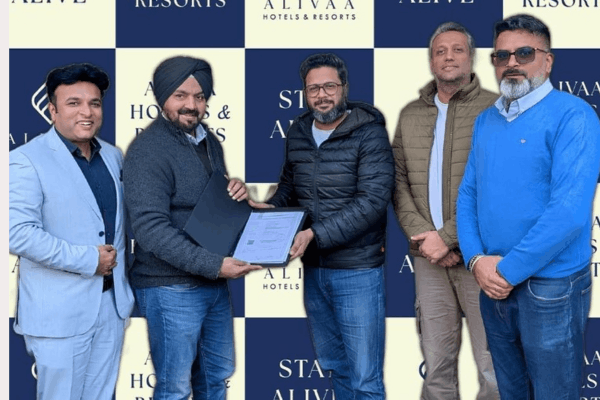
Treebo Hospitality Ventures (THV) has announced the signing of a new Mercure hotel in Siliguri, West Bengal, under its master franchise agreement with Accor and InterGlobe. This addition brings Accor’s globally recognised midscale brand to one of East India’s key business and transit hubs, catering to both corporate and leisure travellers heading to North Bengal, Sikkim, and the Northeast.

Siliguri, widely regarded as the Gateway to the Eastern Himalayas, connects important regions such as North Bengal, Darjeeling, Sikkim, and the Northeastern states. Its strategic location and growing prominence as a commercial and leisure destination attract a wide range of travellers — from business professionals and project teams to families and adventure enthusiasts. The upcoming Mercure Siliguri will address these needs by offering internationally benchmarked service complemented by a locally inspired design that reflects the warmth and vibrancy of the region.

The 50-key Mercure Siliguri will feature thoughtfully designed rooms, a multi-cuisine restaurant, modern meeting and banquet facilities, and an array of amenities tailored for both corporate and leisure guests. Its central location will provide convenience for business travelers while ensuring families and tourists enjoy a premium, comfortable stay in one of East India’s fastest-growing cities.

As domestic travel rises, disposable incomes grow, and travellers increasingly prefer branded stays, Mercure Siliguri will actively meet this demand by providing international standards of comfort and service, while fully embracing local authenticity.

The signing also strengthens the THV–Accor master franchise partnership with InterGlobe, which focuses on accelerating the development of world-class midscale hotels across India’s emerging markets. This collaboration underscores a shared commitment to delivering consistent quality, operational excellence, and community-connected hospitality experiences.

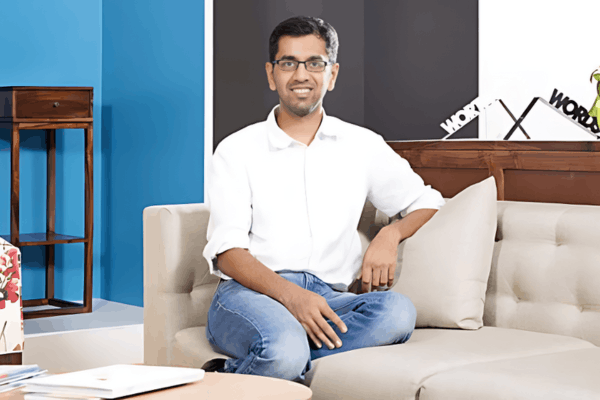
Speaking on the new development, Sidharth Gupta, co-founder and CEO of Treebo Hospitality Ventures, said, “Siliguri is a high-potential market that connects multiple regions and traveler segments. Through our partnership with Accor, we are excited to bring Mercure to this vibrant city. The hotel embodies our vision of delivering globally benchmarked hospitality infused with local character—ensuring every guest enjoys a memorable stay.”

Ranju Alex, CEO, Accor South Asia, added, “Siliguri plays a strategic role as a gateway to North Bengal and the Northeast, making it an important addition to our India portfolio. We are delighted to partner with Treebo Hospitality Ventures to bring Mercure here, combining the warmth of local hospitality with Accor’s trusted global standards.”

Expressing their enthusiasm, Mrinal Agarwal and Shyam Kumar Agarwal, owners of the property, said, “We are proud to introduce the Mercure brand to Siliguri in collaboration with Treebo Hospitality Ventures and Accor. The hotel will deliver a high-quality, professionally managed experience that meets the needs of today’s discerning business and leisure travellers visiting the city.”

OpenAI acquires Software Applications Inc. to boost Mac AI tools

0
Nick Turley, VP & Head of ChatGPT

OpenAI has acquired Software Applications Inc., a startup developing an AI-powered user interface for Mac desktops, as part of its effort to enhance how artificial intelligence tools manage tasks on a computer. Founded in 2023 by former Apple Inc. employees, some of whom contributed to the technology behind the iPhone’s Shortcuts app, Software Applications focuses on accelerating common functions on Apple devices.

With this acquisition, OpenAI plans to integrate the startup’s technology into ChatGPT and bring on its full team of approximately a dozen employees OpenAI, recently valued at $500 billion in a secondary share sale, has actively pursued acquisitions this year. The company agreed to acquire product testing firm Statsig for $1.1 billion and completed an almost $6.5 billion purchase of an AI device startup co-founded by former Apple design chief Jony Ive, both through all-stock deals. Additionally, OpenAI has made several smaller acquisitions to strengthen its ecosystem.

Prior to the acquisition, Software Applications raised $6.5 million from notable investors, including OpenAI CEO Sam Altman and Figma CEO Dylan Field. OpenAI clarified that two other executives, excluding Altman, led the transaction, which received approval from the board’s independent transaction and audit committees.

Earlier this year, Software Applications introduced Sky, an AI assistant designed to help users perform actions and answer questions. The floating interface on the Mac desktop can interpret and understand everything displayed on the screen. Currently, Sky is not publicly available.

Nick Turley, who leads OpenAI’s ChatGPT team, said he was ‘blown away’ when Software Applications CEO Ari Weinstein demonstrated Sky, and he added that the feature ‘brought to life’ concepts that OpenAI had already been exploring.

Turley emphasized the broader vision, stating, “We want to go way beyond responding to your prompts and move into a world where ChatGPT can actually do stuff for you. Being able to act on your local applications is a huge part of that.”