

Sunday, August 2, 2026
Home Blog Page 77

India to emerge as a top three market for Bath & Body Works as brand expands footprint

0

Bath & Body Works has intensified its focus on India, positioning the country as one of its fastest-growing global markets, as the US-based personal care and home fragrance retailer accelerates multi-channel expansion, product innovation, and the rollout of new store formats to drive growth. Highlighting India’s strategic importance, Tony Garrison, Executive Vice President of Bath & Body Works, said the brand continues to invest aggressively to capitalise on rising consumer demand.

Reflecting on the brand’s journey, Garrison said, “We entered the Indian market in 2018, and since then, we have been growing year on year, be it like-to-like growth or overall business growth, making it a healthy business in India. India is finishing the year with double-digit growth and positive like-to-like store sales growth.” As a result, the company views India as a consistently strong and resilient market.

Furthermore, calling India a “focal country” and ranking it among Bath & Body Works’ top priority markets globally, Garrison added, “We’ve doubled the business every five years, and we see it doubling every three years. The rate at which India is growing is probably in the top three globally as far as growth in the global marketplace.” This sustained momentum continues to strengthen India’s position within the company’s global portfolio.

Currently present across 42 countries, Bath & Body Works operates in India through its franchise partner Apparel Group and runs 50 stores nationwide. Alongside physical retail, the company continues to increase investments across products, marketing initiatives, and distribution channels to support its expansion plans.

Explaining the growth drivers, Garrison said, “Where growth will come from is three things—great product, how we market the brand, and channel expansion. India is at the forefront of what we call our multi-channel strategy.” Consequently, India plays a central role in shaping the brand’s omnichannel playbook.

Notably, India stands out as the only market where Bath & Body Works operates simultaneously across physical retail, its own website, leading marketplaces such as Myntra, Nykaa, and Amazon, and quick commerce platforms.

Emphasising this advantage, Garrison noted, “India was the first market where we went on marketplaces, and it has proven that there’s a different consumer out there. We also plan to replicate India’s quick commerce success story in the Middle East.”

While online channels contribute about 20 percent of global sales, India generates over 50 percent of its revenue online, underlining the country’s digital maturity. At the same time, the company is experimenting with physical formats to enhance accessibility. “We’re testing smaller formats to bring the product closer to consumers and also exploring shop-in-shop formats with Shoppers Stop,” Garrison said.

Meanwhile, product innovation continues to take centre stage, with upcoming collections placing stronger emphasis on skincare benefits alongside fragrance. Addressing this shift, Garrison said, “You’ll see a lot more innovation in product, formulas, and packaging. We want associates to talk about fragrance with benefits and educate consumers on how products make them feel.”

Additionally, with gifting emerging as a high-growth category and global launches increasingly mirrored in India, Bath & Body Works is actively exploring local sourcing and manufacturing opportunities. Summing up India’s long-term potential, Garrison concluded, “From population and spending power, this could be our biggest market. India is already in the top five and trending toward the top three for Bath & Body Works globally.”

Bath & Body Works’ sharpened India strategy reflects the market’s growing importance within the brand’s global growth agenda. With strong digital penetration, expanding physical formats, rising demand for premium personal care, and increasing localisation efforts, India is poised to become one of Bath & Body Works’ most influential markets worldwide. As the company continues to innovate and scale, India stands firmly at the centre of its future growth story.
RBI’s Steady Repo Rate Boosts Confidence in the Real Estate Sector

0
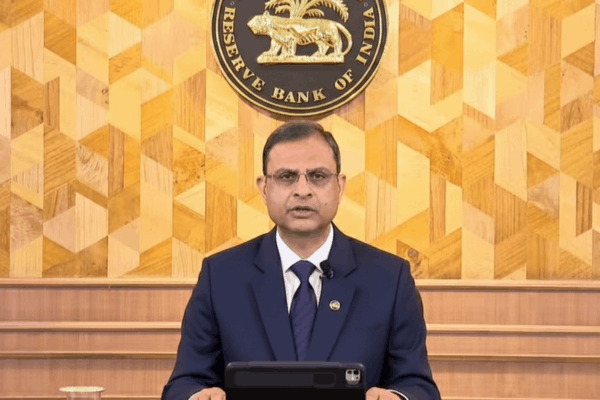
Sanjay Malhotra, Governor of the Reserve Bank of India

The Reserve Bank of India’s decision to keep the repo rate unchanged at 5.25% has reinforced stability and confidence across the real estate sector. Industry leaders believe that a steady interest rate environment, coupled with the continued transmission of earlier rate cuts and the government’s increased public capital expenditure, is supporting resilient residential demand. For homebuyers, this policy clarity encourages long-term purchase decisions, while for the sector as a whole, it strengthens the outlook for sustained growth, employment generation, and urban development.

Mr. Pradeep Aggarwal, Founder & Chairman, Signature Global (India) Ltd., said, “The RBI’s decision to hold the repo rate steady at 5.25% offers stability for interest-rate–sensitive sectors like real estate in the current macroeconomic environment. With inflation remaining at manageable levels and the benefits of earlier rate cuts continuing to flow through to homebuyers in the form of improved affordability, residential demand has remained resilient. The Union government’s decision to raise public capital expenditure to ₹12.2 lakh crore in FY27, as announced in the Union Budget 2026, further strengthens the growth outlook through infrastructure-led development.

Supported by stable monetary policy and sustained public spending, the real estate sector will continue to play a pivotal role in driving economic growth, employment generation, and urban development across the country.”

Mr. Ashok Kapur, Chairman, Krishna Group and Krisumi Corporation, said, “The RBI’s decision to keep the repo rate unchanged at 5.25% reinforces policy stability and provides a supportive backdrop for the residential real estate market. While a rate cut would have lowered borrowing costs, a steady interest rate environment enables homebuyers to take long-term purchase decisions with greater confidence and predictability. This is particularly relevant for the premium housing segment, where buyers place stronger emphasis on product quality, location, and long-term value creation rather than short-term rate movements.”

Vikas Bhasin, Managing Director, Saya Group, said, “The RBI’s decision to maintain the status quo on policy rates is a positive and reassuring signal for the housing sector. Stability in interest rates plays a crucial role in homebuyer decision-making, as it reduces uncertainty and builds confidence among both end-users and investors. With home loan rates currently hovering around an affordable and comfortable level of approximately 7.5% and expected to remain below 8% for an extended period, borrowing conditions remain supportive for residential purchases.”

Mr. Raoul Kapoor, co-CEO of Andromeda Sales and Distribution, said, “The RBI’s decision to maintain a status quo on policy rates is largely in line with expectations, especially after the cumulative rate cut of 125 basis points in 2025. The transmission of these cuts is still playing out, with several banks yet to fully pass on the benefit to borrowers.”

InMobi gears up for major domestic IPO, targets valuation of up to $5 Bn

0
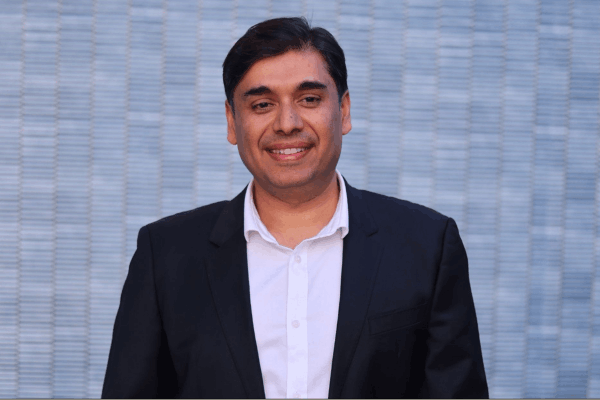
Naveen Tewari, CEO of InMobi

India’s first unicorn startup, InMobi, has begun preparations for a major domestic stock market debut, as the adtech company lines up advisers for an initial public offering (IPO) expected to exceed $500 million in size. As part of this process, the company has completed multiple pitches and has entered advanced discussions with up to eight leading investment banks.

These banks include Kotak Mahindra Capital, Axis Capital, Jefferies, JP Morgan, Motilal Oswal, IIFL Capital, BofA Securities, and UBS. Meanwhile, InMobi continues to evaluate its final syndicate, which may still change depending on strategic considerations.

Additionally, the company is targeting an IPO valuation in the range of $4 billion to $5 billion. However, InMobi has not finalised the proposed issue size or valuation, as market conditions may influence both elements closer to the listing timeline.

Ahead of the public offering, InMobi plans to raise a pre-IPO funding round to strengthen its balance sheet. At the same time, the company is executing a reverse flip, which involves shifting its domicile from Singapore back to India. Following a buyback from SoftBank, the founders now hold a majority stake in the company, while other investors include Sherpalo Ventures and Kleiner Perkins.

Founded in 2007, InMobi operates a global, AI-powered consumer technology ecosystem. Its enterprise platform delivers mobile advertising and customer engagement solutions to more than 30,000 brands, while reaching over 2 billion users across 150 countries.

Meanwhile, the company’s consumer-facing business is led by Glance, an intelligent shopping and discovery agent that operates on owned and operated device surfaces. Glance serves more than 370 million users and generates over 4,000 prompts per user annually, reinforcing InMobi’s strength in data-driven consumer engagement.

In September 2024, InMobi further strengthened its financial position by securing $100 million in debt financing from MARS Growth Capital. Earlier, the company made history in 2011 by becoming India’s first unicorn after raising $200 million from SoftBank at a valuation exceeding $1 billion.

InMobi’s planned domestic IPO marks a significant milestone not only for the company but also for India’s evolving technology and capital markets ecosystem. With strong global reach, diversified revenue streams, and AI-driven platforms like Glance, InMobi appears well positioned to attract investor interest. As the company advances toward listing, its journey from India’s first unicorn to a potential multi-billion-dollar public company highlights the growing maturity of India’s startup landscape.

Rebel Foods partners with Easybites to accelerate multi-city expansion through Rebel Launcher

0
Ankur Sharma, co-founder at Rebel Foods

Rebel Foods, through its brand growth platform Rebel Launcher, has partnered with fast-growing food brand Easybites to accelerate its expansion across key Indian markets. As part of this strategic collaboration, Easybites currently operates across 10 Rebel Foods cloud kitchens in Bengaluru and Hyderabad, while the brand actively prepares to scale into Chennai and additional cities in the coming months.

Through this partnership, Rebel Launcher continues to strengthen its mission of helping emerging and established restaurant brands expand efficiently across geographies. By leveraging Rebel Foods’ internet kitchen infrastructure, proprietary technology, and end-to-end operational expertise, the platform enables brands to scale faster and more effectively in India’s competitive food delivery ecosystem.

Meanwhile, Easybites has built strong consumer demand with its focused menu of fried chicken, burgers, and wraps, delivering flavour-forward comfort food designed specifically for consistency and delivery-led consumption. Through Rebel Launcher, Easybites can enter new markets at speed, serve multiple neighbourhoods within a city from day one, and optimise performance using data-driven insights, all while maintaining quality standards and preserving brand integrity.

Commenting on the collaboration, Ankur Sharma, co-founder at Rebel Foods, said, “Rebel Launcher reflects our commitment to building a collaborative growth ecosystem for food brands. By partnering with brands like Easybites, we aim to help them scale across geographies efficiently while leveraging Rebel Foods’ infrastructure, technology, and deep operational expertise.”

Echoing this sentiment, Masoud Mohamed, CEO, Easybites, said, “Rebel Launcher has been a strong growth partner for Easybites, assisting us in scaling faster and more efficiently across the Southern market. Launching in new cities through the Rebel Launcher platform gives us the chance to understand each market deeper and serve more locations per city from day one, taking our craveable food to more people. We see this as a long-term strategic alliance, and we are excited to open more locations with Rebel across the country.”

Furthermore, Rebel Launcher continues to position itself as a scalable growth engine for restaurant brands by offering lower capex models, faster go-to-market timelines, and access to Rebel Foods’ extensive cloud kitchen network. The platform allows partner brands to focus on culinary innovation and brand building, while Rebel Foods manages infrastructure, operations, supply chain, and technology-driven scalability.

Additionally, the Easybites partnership further strengthens Rebel Launcher’s expanding portfolio and reinforces its reputation as a preferred growth platform for brands navigating India’s evolving food delivery landscape. Alongside Easybites, Rebel Launcher has onboarded a diverse mix of iconic and high-potential brands across cuisines and formats, including Natural’s Ice Cream, ITC, Taco Bell, WOW! Momo, Biryani Blues, SMOOR, Parsi Dairy Farms, Daryaganj, Harley’s Fine Baking, The Gourmet Baklava, Chaipoint, Anand Sweets & Savouries, Go-Zero, and several others.

Through these collaborations, Rebel Launcher consistently enables restaurant brands to unlock rapid multi-city expansion, benefit from shared infrastructure, achieve supply chain efficiencies, and gain actionable consumer insights that drive long-term growth.

The partnership between Rebel Foods and Easybites highlights the growing importance of platform-led expansion in India’s food-tech ecosystem. By combining Easybites’ delivery-focused menu with Rebel Launcher’s scalable infrastructure and operational depth, both companies position themselves to capture demand across multiple urban markets. As Rebel Launcher continues to onboard high-growth brands, it plays a pivotal role in shaping the future of India’s cloud kitchen and food delivery landscape.

IBM invests in generative AI app design startup Anima to scale AI design platform

0
Avishay Cohen, co-Founder & CEO, Anima

IBM Corp. is advancing into the fast-emerging “vibe coding” movement through a strategic investment in design-to-code startup Anima App Inc., thereby reinforcing its ambition to transform how organisations design, build, and ship digital products in the artificial intelligence era.

In recent months, vibe coding has emerged as a highly disruptive force in software development, as it allows developers and nondevelopers alike to generate, refine, and debug application code using natural language prompts. As a result, the approach has shifted developer focus away from writing code line by line and toward higher-level guidance, while significantly accelerating development cycles.

However, IBM has pointed out that vibe coding does not always deliver flawless results. Although large language models excel at producing logic, they often struggle to maintain consistent, high-quality, and brand-aligned user interfaces. Consequently, Anima addresses this gap by democratizing UI design through an AI agent that enables virtually anyone to function as an application designer. Importantly, Anima’s agents access complete brand context, including design files, codebases, and brand language, which allows the platform to create branded products that teams can ship instantly.

Anima refers to this approach as “design-to-code.” Its platform integrates seamlessly with tools such as Adobe XD, Figma, and Sketch and converts UI designs into fully functional, high-fidelity code with a single click. In doing so, the company positions itself as a critical bridge between designers and developers by transforming static visual layouts into clean, responsive code that teams can deploy directly into production.

Moreover, the company says its platform accelerates the design-to-development pipeline by automating repetitive tasks such as writing boilerplate frontend code, HTML, and CSS. As a result, developers can concentrate on complex application logic rather than visual presentation. Users simply upload a visual design, after which Anima generates the necessary code to build a working user interface. From there, users can further refine designs through natural language prompts until they achieve the desired outcome.

Meanwhile, IBM has not disclosed the size of the investment but has emphasised that it shares a core belief with Anima that design should no longer exist as a static artifact. Instead, IBM views design as evolving into living, interactive code that responds dynamically and connects to real-world data. Notably, AI enables this shift because it understands the structure of code more effectively than it interprets pixels or vectors.

Commenting on the broader trend, Anima Chief Executive Officer Avishay Cohen said vibe coding is pushing the industry toward a future in which more than 3 billion people globally will become coders. “AI brings a new era for design and product, where code is the new canvas,” he said. “This strategic investment from IBM supercharges our mission to bring Anima to every enterprise team, drawing on its global operations and extensive expertise in enterprise technology and AI.”

Anima, which last raised external funding in September 2021, said the undisclosed investment will help deepen platform integrations with enterprise brands and design tools while also enabling support for legacy front-end code. Already, the startup has gained strong traction, becoming a core part of design workflows at companies such as Samsung Electronics Co. Ltd., Amazon.com Inc., Apple Inc., Deloitte Touche Ltd., and Accenture Plc. These organisations report that Anima accelerates design timelines by up to 50% on average while reducing frontend development costs by nearly 80%.

From IBM’s perspective, Emily Fontaine, IBM’s global head of venture capital, said Anima’s platform has strongly resonated with enterprise product and design teams. “We are confident Anima will stay at the forefront as design and engineering converge, delivering greater efficiency and innovation for enterprise clients,” she said.

IBM’s investment in Anima highlights a growing shift toward AI-native, design-driven software development where speed, brand consistency, and automation converge. By backing Anima’s design-to-code vision, IBM strengthens its position in the evolving vibe-coding landscape while supporting a future where design and engineering merge into a single, intelligent workflow for enterprises worldwide.

ImagiNxt 2026 and MeitY Startup Hub join hands to power startup-led tech growth

0
Deepak Lamba, Founder and CEO, ImagiNxt

ImagiNxt 2026, India’s Festival of Technology and Innovation, has announced a strategic partnership with MeitY Startup Hub (MSH) to reinforce India’s startup-driven digital innovation ecosystem and place Indian founders firmly at the centre of the global technology dialogue.

Through this collaboration, ImagiNxt aligns its vision of building a world-class, future-ready technology platform with MeitY Startup Hub’s national mandate to accelerate innovation across startups, deep tech, and emerging digital technologies under the Ministry of Electronics and Information Technology (MeitY), Government of India.

As part of the partnership, MeitY Startup Hub will actively contribute to ImagiNxt 2026’s startup-led programming, policy discussions, and curated ecosystem engagements and, in turn, enable deeper and more meaningful participation from founders, innovators, and institutional stakeholders.

ImagiNxt 2026 will take place on 22–23 May 2026 at the Jio World Centre and will serve as a global convening where technology, enterprise, policy, science, and creativity converge. At the same time, the platform places strong emphasis on scalable, inclusive, and future-ready innovation, reflecting India’s evolving digital ambitions.

Commenting on the partnership, Deepak Lamba, Founder and CEO of ImagiNxt, said, “India’s digital ambition will be realised by how effectively startups, policy, and enterprise move together—at speed and at scale. Partnering with MeitY Startup Hub strengthens ImagiNxt’s ability to serve as a platform where founders are not merely visible but structurally connected to capital, markets, policymakers, and global opportunity. This collaboration is about translating innovation intent into measurable outcomes for India’s technology future.”

Echoing this perspective, Dr. Panneerselvam Madanagopal, CEO, MeitY Startup Hub, said, “India’s digital growth depends on strong collaboration between government, industry, startups, and academia. ImagiNxt brings these stakeholders together in a structured and forward-looking way. I look forward to being part of ImagiNxt 2026 and contributing to conversations focused on building scalable, inclusive, and future-ready technology for India.”

Looking ahead, the organisers will progressively announce additional details on MeitY Startup Hub-led sessions, startup showcases, and ecosystem initiatives at ImagiNxt 2026 in the coming months.

The partnership between ImagiNxt 2026 and MeitY Startup Hub marks a significant step toward building a globally relevant, startup-first innovation platform for India. By connecting founders with policymakers, capital, and global markets, the collaboration strengthens India’s position as a digital innovation leader and lays the foundation for scalable, inclusive, and future-ready technological growth.

Fashion quick commerce startup ZILO raises $15.3 million in funding to scale its operations

0
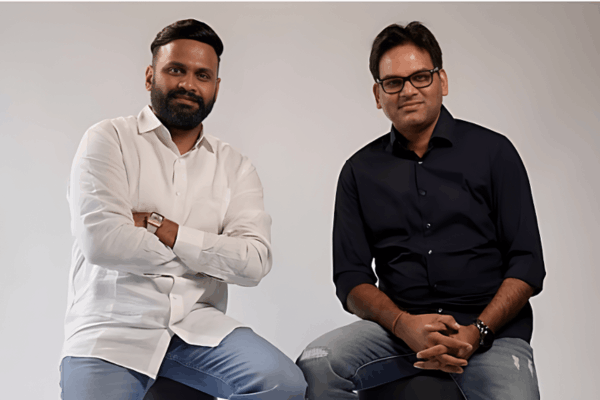
Padmakumar Pal and Bhavik Jhaveri, co-founders, ZILO

Fashion quick commerce startup ZILO has raised $15.3 million in funding in a round led by Peak XV Partners, according to a company statement, thereby strengthening its expansion plans. At the same time, existing investors InfoEdge Ventures and Chiratae Ventures also participated in the round.

The startup said it will deploy the fresh capital to scale operations, invest in technology, and expand into new markets as it accelerates growth across India.

Notably, Peak XV Partners invested $8 million, while InfoEdge Ventures and Chiratae Ventures contributed $2.5 million each. In addition, the round included participation from Alteria Capital and Stride Ventures, along with several angel investors. These angels include Lalit Keshre, Kunal Shah, Sachin Oswal, Ayyappan R, Abhishek Bansal, Sreevathsa Prabhakar, and Preeta Sukhtankar, among others.

Furthermore, the company confirmed that the funding will support expansion beyond Mumbai over the next year. Simultaneously, ZILO plans to strengthen its technology stack and enhance customer experience capabilities.

Founded by former Flipkart and Myntra executives Padmakumar Pal and Bhavik Jhaveri, Mumbai-based ZILO promises fashion delivery within 60 minutes. Additionally, the platform offers features such as home trials and instant returns, creating a seamless shopping experience.

Currently, ZILO works with more than 200 fashion brands and is actively building a vertically integrated operating model that prioritises speed, assortment, and control. Meanwhile, the fundraising follows ZILO’s strategic partnership with celebrity stylist and fashion editor Anaita Shroff Adajania, who joined the company as style director and equity partner. The company said the collaboration aims to strengthen curation and styling across the platform.

“This round is a strong validation of our belief that fashion and speed don’t have to be trade-offs. With the backing of all our existing partners and the creative leadership of Anaita, we’re building a new category where curated fashion meets the immediacy customers now expect,” said Padmakumar Pal, Co-founder & CEO, ZILO.

Bhavik Jhaveri, Co-founder & CIO, ZILO, said, “We’re putting fashion shopping back in the right order—replacing endless scrolls with adequately relevant choices, expert-styled looks, the convenience of home trials, and the reliability of super-fast delivery.”

He added, “This capital will help us accelerate geographic expansion, deepen our platform and technology investments, and build a vertically integrated, fashion-first supply chain designed for speed, selection, and service.”

Commenting on the investment, Kriti Gupta, Vice President at Peak XV Partners, said, “We believe the preferences of Indian customers are evolving quickly, and fashion continues to be shopped the same way. ZILO has the potential to transform the customer experience and build a category-defining platform.”

Importantly, the funding arrives at a time when quick commerce companies are experimenting with verticalised models, particularly in fashion. The segment presents unique challenges around logistics, inventory management, and returns, making ZILO’s approach especially relevant.

From an investor perspective, Anoop Menon, Consumertech lead at Chiratae Ventures, said, “ZILO’s next round is an early validation of our vertical quick commerce thesis and the belief that the premium fashion shopping experience is still broken and offline. The founder’s experience has helped ZILO leapfrog in early traction to take on larger established players in Mumbai.”

Similarly, Kitty Agarwal, Partner at InfoEdge Ventures, said, “Our continued investment in Zilo reflects our conviction in the emergence of vertical fashion quick commerce and the growing demand for convenience-led fashion discovery.”

ZILO is positioning itself at the intersection of fashion, speed, and convenience, redefining how Indian consumers shop for apparel. With strong backing from top-tier investors, a vertically integrated model, and creative leadership driving curation, the startup is well placed to build a category-defining fashion quick commerce platform as it scales beyond Mumbai.

Sterling Holiday Resorts expands footprint with Valley of Pine launch in Lansdowne

0

Sterling Holiday Resorts has announced the launch of Sterling Valley of Pine, Lansdowne, a boutique mountain retreat nestled near Gumkhal and surrounded by dense pine forests. With this launch, Sterling Holiday Resorts has expanded its Uttarakhand portfolio to nine resorts, thereby reinforcing its presence in one of India’s most prominent hill and forest tourism regions.

Notably, Sterling Valley of Pine, Lansdowne, positions itself as a serene, view-centric retreat designed for travellers who value privacy, outdoor immersion, and slower-paced getaways. The resort actively caters to leisure travellers, intimate celebrations, and leadership off-sites, while also functioning as a strategic base for circuit travel across Uttarakhand. In particular, the location appeals to visitors from Delhi NCR and Western Uttar Pradesh.

Furthermore, every room at the resort features a private balcony overlooking pine-covered valleys, ensuring uninterrupted natural views. Additionally, select rooms provide access to open terraces that overlook the swimming pool and surrounding landscape. The property also offers multiple dining and gathering spaces, including Lans Café for all-day dining, Sky Social for open-air social gatherings, and Sky Vista, a glass-walled meeting venue designed specifically for corporate sessions and leadership programmes.

Commenting on the launch, Vikram Lalvani, Managing Director & CEO, Sterling Holiday Resorts, said, “Uttarakhand continues to be one of India’s most enduring year-round holiday regions, and Sterling has built deep familiarity with how travellers engage with the state across seasons. Valley of Pine, Lansdowne, adds a calmer, more design-forward chapter to our mountain portfolio—created for guests who want meaningful time outdoors and destinations that feel restorative yet accessible. It also strengthens our presence across Mussoorie, Nainital, Dehradun, Rishikesh, and Jim Corbett National Park—helping us curate connected, experience-led journeys across the region.”

Meanwhile, Meghna Bhatnagar from Dev Bhoomi highlighted the strategic partnership behind the project. She said, “We are thrilled to partner with Sterling for our flagship retreat in Lansdowne. Our vision was to create a retreat that brings different guests from across India, while we offer them refined hospitality. Sterling is a natural choice to bring this vision to life—their deep understanding of India’s leisure segment, regional presence, and ability to blend local character with national scale make them an ideal collaborator.”

In addition, the resort enhances the guest experience with a wide range of amenities. These include a swimming pool, steam and sauna facilities, guided nature walks, bonfire evenings, and pet-friendly accommodations. Its proximity to Gumkhal further enables travellers to seamlessly combine mountain escapes, spiritual destinations, and wildlife experiences across Uttarakhand.

Interior decor startup Material Depot raises $10 Mn to expand its product portfolio & collections

0
Manish Reddy, co-founder, Material Depot

Interior design and home décor startup Material Depot has secured $10 million in fresh funding in a round co-led by Accel and Stellaris Venture Partners, marking a major milestone in its growth journey.

In addition, the funding round attracted participation from Whiteboard Capital, DeVC, Soma Capital, and MyAsiaVC, along with several prominent angel investors. These include Livspace founder Ramakant Sharma, Curefoods founder Ankit Nagori, BharatPe cofounder Shashvat Nakrani, Spinny founder Niraj Singh, and Tracxn founder Abhishek Goyal, among others.

Founded in 2022 by Manish Reddy and Sarthak Agrawal, Material Depot operates a consumer-facing platform that offers a wide range of decorative interior materials. These include tiles, laminates, wallpapers, wall panels, quartz, and wooden flooring, catering to both modern and functional home design needs.

Moreover, the company follows a distinct omnichannel model that blends digital discovery with physical retail. Customers can explore products online and then visit experience centres to touch, feel, and compare materials before making purchase decisions.

Unlike larger incumbents such as Livspace or HomeLane, which provide end-to-end design and execution services, Material Depot maintains a sharp focus on materials alone, covering curation, pricing, and supply without entering design-build workflows.

“About 60-70% of our customers are end consumers, people buying materials for their own homes, while about 30-40% are professionals such as architects, interior designers, and contractors,” Reddy said.

Furthermore, the company is tapping into a structural shift in consumer behaviour driven by digital inspiration platforms. “Post-Covid there has been a new wave of awareness with Pinterest, YouTube, and Instagram, where people are much more aware of the trends in interior materials. They want to have much more say in choosing the final finishes. That is the new trend that we are looking at,” he added.

Going forward, Material Depot plans to deploy the fresh capital to strengthen its technology backbone, particularly across supply chain management, inventory planning, and assisted in-store selling tools. At the same time, the company will expand its product portfolio and curated collections.

Additionally, the startup will channel a portion of the funds into scaling its offline footprint by opening new experience centres across key urban markets.

“Today, customers are totally dependent on designers. Even when they discover ideas online, they don’t know whether those materials are actually available because the market is highly fragmented,” said Rahul Chowdhri, partner at Stellaris Venture Partners. “That is the opportunity Material Depot is addressing. In our estimate, this is a roughly $14 billion market.”

Currently, Material Depot operates three experience centres in Bengaluru. However, over the next 12 to 18 months, the company aims to expand to more than 30 experience centres across multiple cities. Simultaneously, it plans to grow its customer base to over 50,000, up from approximately 15,000 customers today.

“Home materials in India remain a low-trust, supplier-led market, even as homeowners have evolved into informed, design-driven decision makers. Material Depot is flipping this model by anchoring the category in design intelligence, supply chain control, and a trusted physical experience,” said Pratik Agarwal, partner at Accel.

Material Depot is positioning itself as a category-defining player in India’s fragmented interior materials market. By combining design-led discovery, supply chain transparency, and experiential retail, the company is addressing a massive market opportunity while aligning with the evolving expectations of modern homeowners. With strong investor backing and an aggressive expansion strategy, Material Depot appears well placed to reshape how Indians discover and buy interior materials.

Nila Spaces acquires minority stake in fintech startup Alt DRX to strengthen digital financial capabilities

0

Nila Spaces, a design-led real estate developer, has invested Rs 6 crore to acquire an approximately 1.4% minority stake in Alt DRX, a fintech startup that leads asset and real estate tokenization efforts in India.

According to Nila Spaces, this investment marks a decisive move toward accelerating the shift of real estate tokenization from early-stage adoption to scaled growth. At the same time, the ongoing funding round has attracted participation from global institutions and Indian family offices, underscoring growing confidence in the sector.

Furthermore, the Ahmedabad-based developer stated that its partnership with Alt DRX strengthens its long-term commitment to financial innovation that promotes broader access, greater transparency, and sustainable value creation in housing.

As part of the collaboration, both companies will focus on building regulatory-compliant and investor-friendly tokenized housing products. These offerings will enable fractional ownership, reduce entry barriers for a wider demographic, and simultaneously maintain institutional-grade governance and transparency.

Led by Deep Vadodaria, Nila Spaces operates as part of the Sambhaav Group. The company develops residential and commercial real estate projects with a focus on affordable housing, luxury apartments, and developments within GIFT City. In addition, it holds a significant land bank in Gujarat, which supports its long-term growth strategy.

Meanwhile, Alt DRX, founded in 2021 by Anand Narayanan KB, operates as a Bengaluru-based fintech–proptech startup. The platform enables fractional ownership of residential real estate, allowing users to buy and sell property in increments as small as one square foot. Moreover, Alt DRX leverages blockchain technology through Ripple’s XRPL to ensure secure and transparent transactions, while also offering rental income alongside potential capital appreciation.