
Sunday, August 2, 2026
Home Blog Page 69

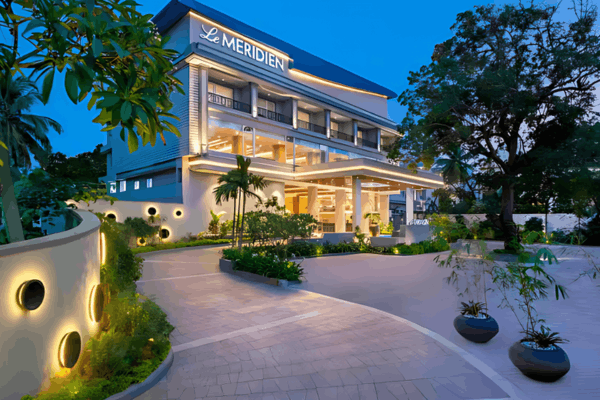
Le Méridien enters Uttarakhand with Le Méridien Dehradun Resort & Spa launch

0

Le Méridien Hotels & Resorts, part of Marriott International, has announced the opening of Le Méridien Dehradun Resort & Spa, thereby marking the brand’s entry into the Uttarakhand hospitality market. With this launch, the brand strengthens its presence in high-potential leisure destinations that continue to gain traction among experience-driven travellers.

Located along the Nun River in Dehradun, the 103-key resort positions itself as a leisure gateway for travellers exploring nearby destinations such as Mussoorie, Rishikesh, and Haridwar. Moreover, the property sits within the scenic Doon Valley and offers convenient connectivity to Jolly Grant Airport as well as the city’s railway station, which enhances its appeal for both domestic and international visitors.

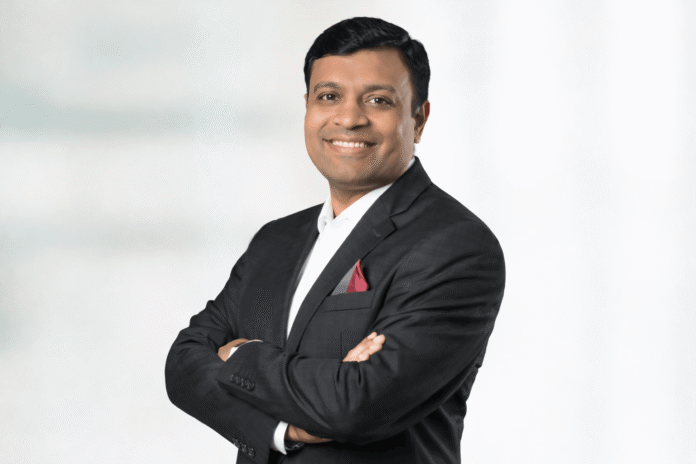
Commenting on the expansion, Kiran Andicot, Senior Vice President – South Asia, Marriott International, said that Le Méridien continues to see strong affinity from both owners and guests. He added that the brand’s distinctive positioning and growing popularity among experience-led travellers continue to fuel its steady expansion. According to him, the opening in Dehradun reinforces Marriott’s focus on leisure and gateway destinations that play an increasingly important role in India’s evolving travel landscape, while also opening up significant opportunities for thoughtful brand growth across the country.

At the same time, the resort blends mid-century modern design with local architectural influences, drawing inspiration from landmarks such as the Forest Research Institute. Through this design language, the property reflects a sense of place while offering a refined and contemporary retreat. Additionally, the resort features multiple dining venues, a spa, a fitness centre, and curated family-friendly experiences, which together aim to deliver a well-rounded stay for diverse traveller segments.

Sharing his perspective, Saurabh Khanna, General Manager of the resort, said that Dehradun’s natural beauty, cultural depth, and relaxed pace have long defined its charm. He explained that the team envisioned the resort as a destination that mirrors the city’s character while offering guests a sophisticated escape. Therefore, the property integrates locally inspired experiences, thoughtful design elements, and curated moments that foster connection, elevate the guest journey, and reflect the brand’s signature sophistication.

Beyond leisure offerings, the resort also targets the meetings and celebrations segment. The property features over 24,000 square feet of event space, which positions it to host weddings, social celebrations, and corporate gatherings. As a result, Le Méridien Dehradun Resort & Spa aims to serve as a versatile destination that blends leisure, culture, and business in one of North India’s most scenic settings.

Urban Company’s InstaHelp crosses 50,000 daily service bookings

0
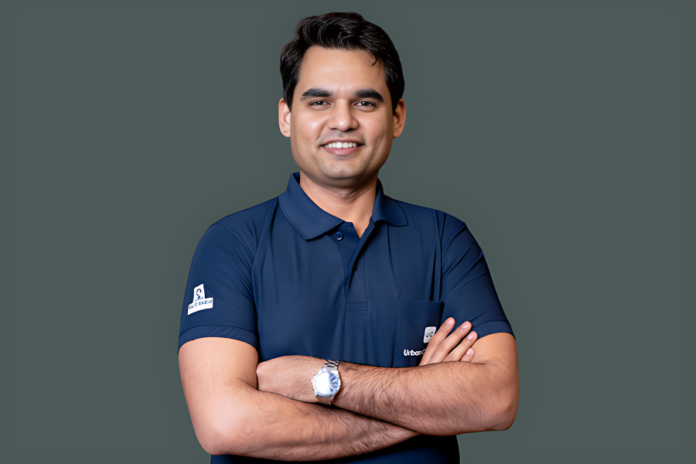
Abhiraj Singh Bhal, CEO and co-founder, Urban Company

Urban Company’s rapid-response services vertical, InstaHelp, has crossed the milestone of 50,000 daily bookings in less than a year since launch, signaling early traction in the company’s push toward high-frequency, on-demand home services.

According to a disclosure dated February 23, InstaHelp recorded approximately 51,520 jobs on February 22, marking its highest single-day demand so far and underscoring growing consumer acceptance of instant housekeeping services.

Launched as a pilot in Mumbai in March 2025, InstaHelp has steadily expanded to select micro-markets across five major metros—Mumbai, Bengaluru, Delhi NCR, Hyderabad, and Pune. The service promises fulfillment within 10 to 15 minutes for everyday tasks such as cleaning, dishwashing, laundry, and meal preparation. As a result, the company sees this milestone not as a peak but as an early indicator of demand potential, while it continues to focus on customer retention, service quality, and scaling professional availability across neighbourhood clusters.

Commenting on the achievement, Abhiraj Singh Bhal, CEO and co-founder of Urban Company, said that crossing 50,000 daily bookings reflects strong demand for reliable, on-demand housekeeping. Moreover, he noted that the company is investing to build a large, high-frequency category that deepens platform engagement, while early signs of improving unit economics and rising repeat usage are already becoming visible.

Notably, Urban Company pointed out that its core India consumer services business took nearly six years to reach a similar scale of 50,000 daily bookings, highlighting the much faster adoption curve of InstaHelp, even though the company cautioned that the two businesses are not directly comparable. Meanwhile, the rapid scale-up comes alongside continued investments in building out the new vertical. InstaHelp reported an adjusted EBITDA loss of Rs 61 crore in Q3 FY26, compared with a loss of Rs 44 crore in the September quarter and Rs 10 crore in its launch quarter, Q1 FY26.

At the same time, operating revenue rose to Rs 6.8 crore during the quarter, while net transaction value climbed to Rs 28 crore, up sharply from Rs 10 crore in Q2 FY26 and just Rs 1 crore at launch. Consequently, these figures point to accelerating usage, even as the business remains firmly in an investment phase. The expansion also unfolds amid intensifying competition in the instant home-services space, with startups such as Snabbit, Pronto, and Pync scaling similar 15-minute offerings across major urban centres.

Historically, Urban Company has relied on relatively infrequent, higher-ticket services such as appliance repair, beauty treatments, and deep cleaning. However, InstaHelp targets routine, repeat-use cases through dense, hyperlocal supply clusters that enable rapid fulfillment. Therefore, the model requires building and managing a large pool of trained service professionals within tightly defined catchment areas, leading to significant upfront spending on onboarding, training, and availability assurance.

Overall, the 50,000-bookings milestone highlights strong early demand for instant housekeeping services, while Urban Company continues to prioritize deeper repeat usage and improved unit economics as InstaHelp moves toward maturity.

Industrial energy startup Einklang bags €2.2M to expand battery-based power solutions

0

Cologne-based Einklang has raised €2.2 million in fresh funding, thereby strengthening its mission to deliver battery-optimized, integrated energy solutions for Germany’s mid-sized businesses. The funding round was led by Vireo Ventures, while SI Ventures, Saxovent, Angel Invest, Heimatboost, and DnA Ventures also participated.

Einklang operates as an Energy-as-a-Service provider, and it specifically targets small and medium-sized enterprises across Germany that seek cost-efficient and resilient electricity solutions. Instead of requiring upfront capital or ongoing operational involvement, the company delivers a fully integrated system that combines intelligent energy management software, battery storage, and flexible electricity tariffs. As a result, customers gain access to lower power costs, higher energy independence, and a greater share of renewable electricity without adding complexity to their operations.

Moreover, Einklang represents a new wave of energy ecosystem spin-offs that focus on practical implementation rather than theoretical transition models. Its founding team—Lucas Jonas, Jonathan Schulte, Paul Ziche, and José Neri—brings hands-on experience from building and scaling energy ventures such as Voltfang and Impuls Energy. Consequently, this background in industrial energy systems and algorithm-driven energy trading directly shapes Einklang’s technology and market strategy.

Lucas Jonas, co-founder and CEO of Einklang, explained that mid-sized companies remain under pressure despite the broader energy transition. While policymakers often support energy-intensive industries through targeted regulations, mid-market businesses continue to face high electricity prices. According to Jonas, renewable generation itself does not cause the issue; instead, price volatility, grid fees, consumption peaks, and limited flexibility drive costs upward. Therefore, Einklang designed its solution to directly address these structural challenges.

At the same time, Jonas emphasized that the company aims to automate energy optimization without increasing operational burden. Einklang’s platform integrates electricity procurement, storage, and consumption into a single system, which allows businesses to automatically draw power when renewable supply is high and prices are low. In turn, companies can reduce peak loads, stabilize energy costs, lower grid charges, and improve long-term planning visibility. Notably, the solution is already live at manufacturing and industrial sites, and teams typically complete deployment within three months.

Following the successful funding round, Einklang plans to accelerate development of its technology platform and, simultaneously, deepen strategic partnerships across the energy ecosystem. As the company scales its battery-optimized electricity tariff model, it intends to expand rapidly across commercial and industrial customers. Looking ahead, Einklang targets deployment at 100 customer sites by 2026, thereby positioning itself as a key enabler of flexible, renewable-driven power systems for Germany’s mid-sized economy.

Avendus Structured Credit Fund III raises Rs 2,200-Cr commitments

0
Nilesh Dhedhi Managing Director and CEO, Avendus Finance

Avendus Group has secured investor commitments exceeding Rs 2,200 crore for its Avendus Structured Credit Fund III, prompting the activation of its greenshoe option amid strong market demand. The milestone reflects growing confidence in India’s private credit landscape and highlights the firm’s expanding presence in high-yield performing credit strategies.

Notably, the fund achieved its first close in April 2025 with commitments of approximately Rs 1,000 crore, and it reached its base fund size within just eight months. Meanwhile, Avendus now targets a total corpus of Rs 4,000 crore, including a Rs 2,000 crore greenshoe, marking a sharp scale-up from its previous fund, which closed at around Rs 1,000 crore.

Importantly, the strong fundraising momentum underscores rising investor conviction in structured credit as an asset class. Average ticket sizes increased to nearly Rs 10 crore in the latest fund, compared with Rs 4 crore in the prior vehicle, while several investors committed more than Rs 100 crore. As a result, the fund attracted a diversified mix of high-net-worth individuals and institutional investors.

At the same time, the fund has already deployed over Rs 1,200 crore, representing close to 60 percent of its committed capital, across a well-diversified portfolio spanning multiple sectors and business models. Currently, the portfolio tracks a gross internal rate of return of around 18 percent, reinforcing the strategy’s performance credentials.

According to the firm, the investment approach focuses on solution-oriented structured credit, including promoter financing, acquisition funding, and growth capital. Typically, the fund executes transactions ranging between Rs 200 crore and Rs 500 crore, while also offering co-investment opportunities to aligned investors.

Additionally, the portfolio follows a sector-agnostic strategy and spans pharmaceuticals, healthcare, manufacturing, consumer goods, chemicals, technology, and B2B services. Through this approach, Avendus aims to partner with fundamentally strong businesses that require flexible and customized capital solutions.

Over the past 15 years, Avendus Finance has built a high-yield performing credit franchise, completing more than 100 transactions with cumulative deal values exceeding Rs 15,000 crore. Consequently, the firm expects India’s private credit ecosystem to continue expanding, driven by rising demand from mid-market companies and sponsor-led opportunities.

Industry estimates indicate that private credit deployments in India reached nearly USD 15 billion in calendar year 2025, while total assets under management climbed to USD 25–30 billion amid increasing institutional participation. Looking ahead, Avendus expects deeper institutional allocations and a broader risk-return spectrum ranging from 12 percent to over 22 percent to shape the next growth phase, positioning private credit as a core allocation for sophisticated investors.

CYSEC AFRICA 2026 to Convene Africa’s Cybersecurity Leaders in Johannesburg

0

February 2026: CYSEC GLOBAL is bringing back CYSEC AFRICA, set to take place on 26ᵗʰ February 2026 at the Gallagher Convention Centre. Under the powerful maxim, “Turning Cyber Threats into Africa’s Cyber Strength!” The event will bring together over 250 C-level executives, CISOs, cybersecurity experts, policymakers, and technology decision-makers from across Africa.

As one of Africa’s leading cybersecurity leadership platforms, the 19th Global Edition of CYSEC AFRICA aims to address the continent’s rapidly evolving threat landscape while driving collaboration between public and private sectors. The summit will focus on strengthening national cyber resilience, protecting critical infrastructure, advancing financial and telecom cybersecurity strategies, securing operational technology (OT) environments in energy and mining, and accelerating cloud security and zero-trust adoption. Discussions will also highlight governance, compliance frameworks, and cross-sector collaboration needed to safeguard Africa’s digital economy.

The event is strategically endorsed by globally recognized industry bodies and institutions, including CREST, ISACA, the National Integrated Cyber Infrastructure System (NICIS), the Council for Scientific and Industrial Research (CSIR), the African Center for Digital Transformation, and OT Security Professional. These endorsements reinforce the summit’s strategic importance within Africa’s cybersecurity ecosystem.

The highlight will be a keynote address delivered by Muvhango Livhuwani, Vice President of ISACA, who will share strategic insights on governance, risk, digital trust, and the evolving role of cybersecurity leadership across Africa’s rapidly transforming digital economy.

CYSEC AFRICA will feature senior subject-matter experts and cybersecurity leaders from major organizations including Standard Bank, Sasol, MTN Group, Eskom, Absa Group, FirstRand, City of Johannesburg, Telkom SA SOC Limited, Sibanye-Stillwater, and the Auditor-General of South Africa, among many others from government, energy, financial services, telecom, mining, and regulatory sectors.

The summit is supported by leading cybersecurity solution providers, including PhishRod, Silverfort, TxOne, Cloudflare, Aeris, Varonis, and Tegra, showcasing cutting-edge innovations designed to strengthen Africa’s cyber defense posture. TEK Afrika joins as the Official Broadcast Partner, expanding the summit’s reach across the region.

Media amplification and event coverage are supported by respected platforms including ZexPR Wire, DX Talks, Security Middle East, The Times of UAE, International Business Mazagine, Security Fire Africa, Gazet International, Global Business Magazine, World Business Outlook, Cyber defence Magazine, CIO Tech Outlook, MySecurity Marketplace, Global Risk Community, and Business Review Live.

Another key highlight of the event will be the CYSEC Awards, recognizing excellence, innovation, and leadership in cybersecurity across Africa. The awards celebrate organizations and professionals driving measurable impact in cyber resilience, digital transformation, and critical infrastructure protection.

Speaking ahead of the event, Ashish D Sail, Head of Partnerships & Sponsorship at CYSEC GLOBAL, said, “We have been successfully hosting CYSEC AFRICA for quite some time now, and Johannesburg has always welcomed us with remarkable energy, leadership, and commitment to strengthening Africa’s cyber ecosystem. Each edition reinforces our belief that Africa is not only responding to cyber threats, but it is also building the capability to lead in cyber resilience. A strategic platform where Africa’s cyber leaders collaborate to transform emerging threats into long-term strength. By bringing together regulators, enterprises, and technology innovators, we are building a unified front to secure Africa’s digital future.”

With strong institutional backing, influential speakers, and a carefully curated agenda focused on real-world resilience, the 19th Global Edition of CYSEC AFRICA is set to be one of Africa’s most impactful cybersecurity gatherings in 2026.

For more details about CYSEC AFRICA, please visit: https://africa.cysecglobal.com/

Chennai-based urban air mobility startup The ePlane Company to raise USD 40–50 Mn in funding to advance prototype testing & expand its engineering teams

0
Satya Chakravarthy, Founder and Chief Technology Officer of The ePlane Company

Chennai-based urban air mobility startup The ePlane Company is in advanced talks to raise USD 40–50 million in a new funding round, according to media reports. The proposed investment round is expected to see deep-tech venture capital firm Speciale Invest co-lead the funding, as the startup prepares for its next phase of growth.

This fresh capital raise comes as the electric vertical take-off and landing aircraft developer accelerates product development, regulatory certification, and the commercial rollout of its air taxi services. Founded at the Indian Institute of Technology Madras, the company is building compact electric air taxis designed specifically for short-distance urban travel. By doing so, it aims to tackle worsening congestion in Indian cities while enabling faster point-to-point aerial mobility.

People familiar with the matter say the company plans to use the new funds to advance prototype testing and expand its engineering teams. Additionally, the capital will support certification efforts with aviation regulators while also strengthening manufacturing readiness as the startup moves closer to commercial launch timelines.

Previously, The ePlane Company raised early-stage funding from a mix of institutional investors and strategic backers, which helped establish its position within India’s emerging advanced air mobility ecosystem. As a result, it now stands among a small but growing group of domestic startups working on next-generation aviation technologies.

Meanwhile, the global urban air mobility market continues to attract strong investor interest as cities actively seek alternatives to congested ground transportation. Electric air taxis offer several advantages, including lower operating costs, reduced noise pollution, and zero tailpipe emissions, which together make them a compelling option for sustainable urban transport.

At the same time, Speciale Invest continues to deepen its exposure to high-technology mobility solutions, leveraging its experience in backing startups across aerospace, robotics, and advanced engineering. This continued support highlights growing confidence in the long-term potential of electric aviation.

The planned fundraiser also aligns with increasing momentum in India’s aviation and advanced mobility sector, supported by favorable policy discussions, research-driven innovation, and rising private capital. If completed, the round will provide the company with a longer operational runway to achieve critical technical and regulatory milestones, ultimately bringing its vision of on-demand urban air taxis closer to everyday reality.

Microsoft launches AI Skilling Programme for 2 Mn Indian Institutions by 2030

0

Microsoft has launched Microsoft Elevate for Educators in India, an ambitious skilling initiative that aims to train two million teachers and reach 200,000 schools and educational institutions by 2030.

Through this programme, Microsoft advances its broader commitment to equip 20 million people in India with artificial intelligence skills while positioning educators at the centre of the country’s AI transformation. Notably, India becomes the first country in Asia to roll out the programme.

As global discussions around AI increasingly shift toward productivity, growth, and responsibility, classrooms now emerge as the next frontier of adoption. In these spaces, educators shape skills, nurture judgment, and teach technology with context and care. This transition carries particular significance in India, which educates more than 200 million students through nearly 10 million teachers, making it the largest education ecosystem in the world.

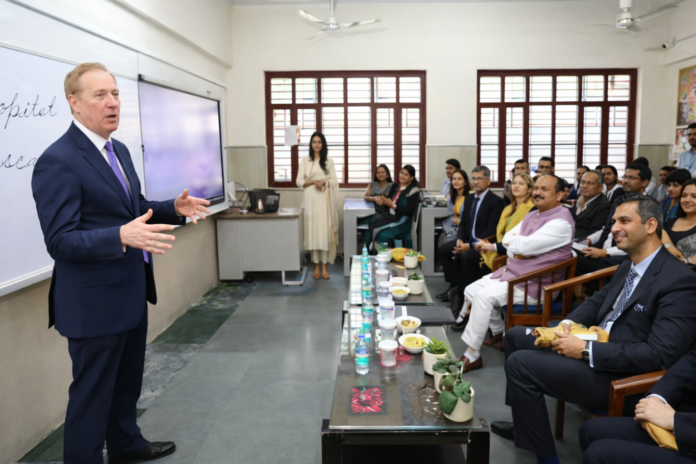
Microsoft formally announced the initiative at CM Shri School, where it also confirmed plans to scale the programme across all 75 CM Shri schools in the national capital. Subsequently, Microsoft plans to expand the initiative nationwide in close collaboration with central and state education systems.

Commenting on the launch, Brad Smith, Vice Chair and President of Microsoft, said the company wants AI to strengthen education while preserving human judgment and trust. He explained that by deploying AI at population scale across India, Microsoft aims to unlock new opportunities and deliver meaningful outcomes for both teachers and students.

Microsoft designed Elevate for Educators to embed AI literacy, computational thinking, and responsible technology use into everyday teaching and learning. Through this approach, the programme supports India’s ambition to become an AI-first nation while ensuring that adoption remains inclusive, trusted, and human-centered.

Puneet Chandok, President of Microsoft India and South Asia, said skilling forms the foundation of India’s AI journey. He noted that as intelligence becomes widely accessible, confidence and responsibility in using AI will define long-term impact. According to him, the programme invests in teachers as the architects of India’s AI-first future by embedding AI literacy directly into daily classroom experiences.

Microsoft will deliver the initiative in partnership with key national education bodies, including the Central Board of Secondary Education, National Council of Educational Research and Training, All India Council for Technical Education, National Council for Vocational Education and Training, the Directorate General of Training, and multiple state education and skilling departments. Together, these partnerships will expand equitable AI learning opportunities to nearly eight million students across school, vocational, and higher education systems.

Starting this academic year, India will embed AI and computational thinking into school curricula from Grade 3 onwards under the National Education Policy 2020. In response, Elevate for Educators supports this shift through a system-level approach that effectively translates policy intent into classroom practice by working closely with institutions over the long term.

Microsoft positioned Elevate for Educators as part of its decade-long partnership with India’s education ecosystem, which recognises teachers as stewards of trust, judgment, and opportunity. As AI reshapes how knowledge is created and shared, the company reaffirmed that investing in educators remains the most durable way to ensure India’s AI-first future also stays human-first.

Peak XV Partners raises $1.3B to back India startups

0
Shailendra Singh, Managing Director at Peak XV Partners

Nearly three years after separating from its Silicon Valley parent, Sequoia Capital, Peak XV Partners has raised $1.3 billion across a new set of funds to back startup founders building in India and the Asia-Pacific region. Formerly known as Sequoia Capital India and Southeast Asia, the firm continues to double down on its long-term conviction in the region’s entrepreneurial ecosystem.

The newly raised capital will be deployed across three funds covering India seed, India venture, and APAC investments. Under this strategy, Peak XV plans to write cheques of up to $5 million for seed and very early-stage startups, while its India venture fund will typically invest between $5 million and $15 million, with select deals scaling up to $20 million. At the same time, the firm continues to sit on a significant portion of uninvested capital from its $1-billion growth fund raised in 2022, giving it flexibility to invest across company stages and sizes.

Speaking about the firm’s capital position, Shailendra Singh, Managing Director at Peak XV Partners, said the growth fund remains nearly half uninvested, allowing the firm to continue backing breakout companies. He added that Peak XV can still deploy $75 million to $100 million at the upper end for growth-stage investments. However, he also noted that India remains one of the most expensive markets globally when it comes to growth investing.

Singh explained that global technology investing continues to undergo a structural shift. According to him, capital increasingly concentrates into a smaller number of companies that scale rapidly and dominate markets. He observed that this trend also plays out across startups, where a small group of winners captures disproportionate value by scaling far faster and growing much larger than their peers.

As a result, Singh said growth-stage investing now requires sharper conviction and greater selectivity. He emphasised that investors must identify the small set of companies capable of becoming category-defining leaders, as this shift fundamentally reshapes how technology investing works across global and regional markets.

Maanya Hotels expands footprint with launch of Udaipur property

0

Maanya Hotels has announced the launch of its first luxury hospitality venture, Maanya by Samav Hotels, marking a significant entry into India’s ultra-luxury hotel segment. The property enjoys a prime location along the scenic Fateh Sagar Lake in Udaipur, one of the country’s most sought-after leisure destinations.

Spread across five acres, the hotel positions itself as an ultra-luxury, low-density retreat designed for high-net-worth individuals and discerning travellers. The property features only eight super-luxury rooms, thereby offering exceptional privacy, expansive open spaces, and a deep connection with the surrounding natural landscape. As a result, guests can expect a refined and highly personalised hospitality experience that prioritises calm, exclusivity, and understated elegance.

Sharing the vision behind the brand, Kavish Tandon, owner of Maanya Hotels, said the company aims to create destinations where luxury feels immersive rather than indulgent. He explained that Maanya focuses on space, stillness, and harmony with nature to deliver meaningful and elevated stays. According to him, the brand celebrates quiet luxury, where thoughtful design, natural surroundings, and serenity come together seamlessly.

Meanwhile, the property will operate under the management of Samav Hotels, marking the group’s formal entry into the ultra-luxury hospitality segment. Commenting on the development, Vaibhav Singhvi, Managing Director of Samav Hotels, stated that the addition of this bespoke property strengthens the company’s focus on curated, experience-led hospitality in marquee destinations.

With the launch of Maanya by Samav Hotels, Samav Hotels has expanded its portfolio to seven properties. Consequently, the group has further strengthened its footprint in Rajasthan’s growing luxury and boutique hospitality market, while also reinforcing the region’s appeal among high-end domestic and international travellers.

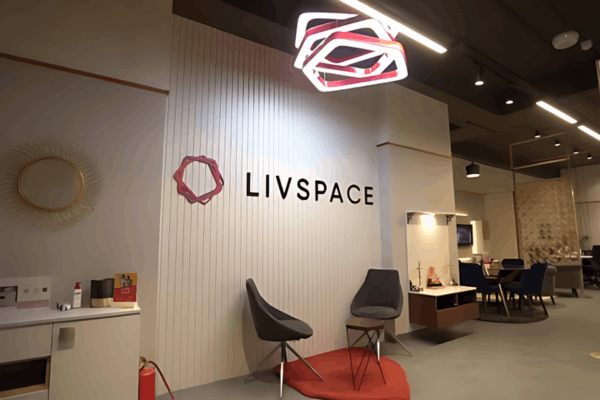
Home decor startup Livspace lays off 1,000 staff as it transforms into AI-native firm

0

Livspace, the home interiors and renovation platform, has laid off around 1,000 employees, accounting for nearly 12 percent of its workforce, as part of a phased internal restructuring focused on becoming an AI-native organisation. However, industry reports indicate that the actual impact could be significantly higher, with some estimates suggesting that up to 25 percent of employees may have been affected.

The company described the layoffs as a strategic reallocation of resources rather than a reactive cost-cutting exercise. Over the past six months, Livspace has steadily deployed advanced AI agents across key business functions such as sales, design, operations, and marketing. As a result, automation has replaced several tasks that teams earlier handled manually, allowing the company to redesign workflows and reduce dependency on large operational teams.

Meanwhile, the restructuring comes at a time when Livspace continues to navigate a prolonged funding slowdown. The company has not raised external capital for nearly four years and has faced sustained pressure to demonstrate a clear and sustainable path to profitability. Consequently, the shift toward automation reflects a broader effort to improve efficiency while controlling long-term costs.

Previously, Livspace trimmed its workforce by about 2 percent in March 2023. Earlier, during the peak of the Covid-19 pandemic in May 2020, the company had laid off nearly 450 employees as demand across the housing and interiors sector slowed sharply.

Alongside the restructuring, Livspace also confirmed a major leadership change. Co-founder Saurabh Jain has stepped down after spending 11 years at the company, choosing to pursue personal interests beyond the business.

Founded in 2014, Livspace has raised more than USD 450 million from prominent investors, including KKR, Jungle Ventures, and Venturi Partners. In 2022, the company achieved unicorn status after raising USD 180 million in a funding round led by KKR.

For the financial year ending March 2025, Livspace reported revenue of Rs 1,460 crore while simultaneously reducing its losses by 42 percent. At present, the company continues to operate across India, Southeast Asia, and the Middle East, even as it reshapes its organisation to align with an increasingly AI-driven business model.