


Thursday, July 30, 2026
Home Blog Page 44

AI cloud startup NudgeBee secures $3M to scale enterprise context layer and AI-SRE automation

0
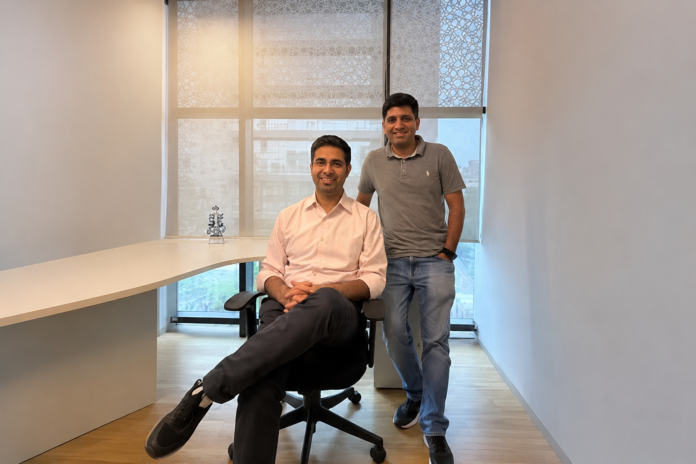
Rakesh Rajendran and Shiv Pratap Singh, co-founders, NudgeBee

NudgeBee, an AI-driven cloud operations platform, has secured $3 million in seed funding led by Kalaari Capital, along with participation from prominent tech founders. The company will use this fresh funding to strengthen its core technology and expand its footprint in the rapidly evolving cloud computing ecosystem.

With this investment, NudgeBee will accelerate the development of its enterprise context layer while simultaneously scaling its partnership-led distribution model. Moreover, the company will invest in customer success and deployment capabilities so that enterprises can realise value faster from their cloud infrastructure investments.

Founded in 2024 by Rakesh Rajendran and Shiv Pratap Singh, NudgeBee focuses on solving a critical inefficiency in modern computing environments. As organisations increasingly adopt cloud-native and multicloud architectures, their monitoring capabilities have improved significantly. However, execution—the ability to resolve issues effectively—has not advanced at the same pace.

Consequently, engineering teams often struggle with fragmented tools and an overwhelming volume of alerts, which leads to delayed responses and rising operational costs. To address this challenge, NudgeBee leverages a semantic knowledge graph to map complex relationships across multiple data points within cloud systems.

Furthermore, by integrating telemetry data—automatically collected from distributed systems—with infrastructure topology, NudgeBee builds a unified operational foundation. This approach enables the platform to analyse historical patterns while understanding the real-time state of systems, thereby improving decision-making and execution.

The co-founders emphasised that while modern teams have access to numerous dashboards, they still lack connected context and reliable execution mechanisms. They highlighted that operational inefficiencies persist because critical knowledge remains fragmented across tools and teams, ultimately slowing down engineering workflows.

By consolidating these elements, NudgeBee empowers AI agents to not only detect system issues but also take actionable steps within existing workflows. In addition, the platform offers specialised tools such as AI-SRE agents, which apply Site Reliability Engineering principles to maintain system stability, and an AI FinOps assistant that optimises cloud spending by identifying and executing cost-saving opportunities.

“NudgeBee stands out in its ability to connect signals across the stack and translate them into reliable action while integrating seamlessly with existing engineering workflows. With strong early traction, the team is building a platform that reflects how modern cloud teams actually operate,” said Sampath P, Partner, Kalaari Capital.

NudgeBee’s latest funding round highlights the growing demand for AI-powered cloud operations platforms that go beyond monitoring to enable intelligent execution. As enterprises continue to scale their cloud infrastructure, solutions like NudgeBee are poised to play a crucial role in improving efficiency, reducing costs, and enhancing system reliability.

Personal care startup Clarity Labs secures ₹20-Cr in funding to scale omnichannel skincare business

0

Personal care brand Clarity Labs has raised over ₹4 crore in a seed funding round at a pre-money valuation of ₹20 crore. Artha Venture Fund II led the round, while several angel investors also participated, thereby reinforcing investor confidence in the fast-growing D2C personal care and skincare segment.

The company stated that it will deploy the fresh capital to accelerate new product development, expand into additional categories, and scale its omnichannel distribution strategy across direct-to-consumer (D2C) platforms, online marketplaces, and quick commerce channels. Consequently, this move will strengthen its position in India’s competitive beauty and personal care market.

Karan Dokras launched Clarity Labs in November last year with a focus on delivering functional, daily-use skincare solutions tailored specifically for Indian consumers. The startup aims to simplify skincare routines by offering affordable, easy-to-use products that integrate seamlessly into everyday life.

Moreover, the Indian personal care market continues to face challenges such as product over-saturation and low adherence to complex skincare regimens. Therefore, Clarity Labs addresses these issues by developing transparent formulations and performance-driven products that embed effective treatment into daily routines, thereby improving consumer trust and usability.

According to the Gurugram-based startup, its product portfolio emphasizes functional personal care and hygiene, targeting common skincare concerns such as acne, tanning, muscle relief, and sensitive skin. In addition, the brand has introduced solutions like anti-acne soaps, de-tan bars, and specialized formulations designed for everyday use.

Since launching its flagship functional soap line, The BAR, in March this year, Clarity Labs has expanded its distribution footprint across its D2C website, as well as major e-commerce platforms like Amazon and Flipkart. Furthermore, the company plans to diversify into adjacent wash categories, including hair wash, body wash, and face wash, while also strengthening its existing soap portfolio through new variants and innovative formats.

At the same time, Clarity Labs operates in a competitive landscape alongside emerging and established brands such as DERMATOUCH, Ghar Soaps, Chemist At Play, and Hoop, all of which are targeting India’s growing demand for functional and results-driven skincare products.

Clarity Labs is strategically positioning itself in India’s rapidly expanding personal care and skincare market by focusing on functional, easy-to-use, and affordable products. With fresh funding, a strong omnichannel strategy, and a clear focus on simplifying skincare routines, the startup looks ahead to scale operations and compete effectively in the D2C beauty and wellness ecosystem.

Minor Hotels expands into UK luxury hospitality with Colbert Collection debut in London

0
Dillip Rajakarier CEO of Minor Hotels & Group CEO of Minor International

Minor Hotels has announced plans to introduce its first Colbert Collection property in the United Kingdom with the launch of The WestDill Mayfair Hotel London in the fourth quarter of 2026. This development marks a strategic milestone as the company expands its footprint in the global luxury hospitality and boutique hotel segment.

The property will operate under the Colbert Collection, a premium soft brand developed by Minor Hotels that focuses on independent hotels with strong culinary identities and vibrant social experiences. Through this launch, the group aims to position itself within the evolving luxury travel and lifestyle hospitality market.

The hotel is located on Piccadilly at the intersection with Albemarle Street in London. The five-star boutique property will feature 50 rooms and suites spread across six floors, along with a restaurant and bar designed to enhance guest experience and engagement. Moreover, the redevelopment project will transform a building previously used as a bank and office space into a high-end hospitality destination, contributing to the ongoing revitalization of the West End.

Originally designed in the early 1920s by Sir William Curtis Green, the structure holds Grade II listed status, thereby reflecting its architectural and historical significance. The project team is carefully adapting the heritage building for modern hospitality use while preserving its original architectural elements, ensuring a balance between conservation and contemporary design.

The property is owned by Royal Group of Companies Singapore, which is entering the European hospitality market through this investment. The group already maintains a diversified portfolio across hotels, commercial real estate, and residential developments in the Asia-Pacific region. Consequently, this project represents a key step in its international expansion strategy.

Strategically, The WestDill Mayfair Hotel London occupies a prime location in central London, offering proximity to major landmarks such as Hyde Park, Buckingham Palace, Bond Street, and Piccadilly Circus. Additionally, its location near Green Park Underground Station ensures seamless connectivity across the city and direct access to Heathrow Airport, thereby enhancing its appeal for both leisure and business travelers.

At the same time, Minor Hotels continues to strengthen its presence in the UK through existing hospitality and food and beverage assets, including The Wolseley Hospitality Group, as well as a hotel operating under the nhow Hotels brand. The launch of the Colbert Collection in London further reinforces the company’s commitment to expanding its premium and lifestyle offerings globally.

Dillip Rajakarier, CEO of Minor Hotels and Group CEO of parent company Minor International, commented, “We are excited to bring our new premium soft brand to the UK with the upcoming launch of The WestDill Mayfair Hotel London, Colbert Collection. The property represents a unique strategic opportunity for Minor Hotels to be present in an exceptional location in central London and unlocks new avenues to partner with distinctive, character-led properties.

We are delighted to be working with Royal Group of Companies Singapore to bring Colbert Collection to London and are confident this new property will represent a highly attractive offering for visitors to the city.”

Bobby Hiranandani, Co-Chairman of the Royal Group of Companies, stated, “This is an asset of exceptional architectural pedigree, and our ambition has been to reinstate its inherent grandeur while sensitively reinterpreting it for a contemporary hospitality context. The building’s classical language, proportions, and detailing provide a rare foundation for an intimate, design-led hotel, and we have approached its transformation with a disciplined focus on conservation, craftsmanship, and long-term relevance.”

“More broadly, we view this project as a meaningful contribution to the continued renaissance of Mayfair and the wider West End. By reactivating a distinguished heritage building on Piccadilly, we are not only preserving its legacy but also introducing a thoughtfully curated hospitality experience that will enhance the character, energy, and global appeal of the precinct,” he continued.

Minor Hotels is advancing its global expansion strategy by launching its first Colbert Collection property in London, thereby entering the UK’s premium boutique hospitality segment.

Brookfield India Real Estate Trust sees strong investor demand, upsizes QIP to ₹2,600-Cr

0

The International Finance Corporation, along with WhiteOak Capital, HDFC Life Insurance, Axis Max Life Insurance, and PPFAS Mutual Fund, has emerged as a key institutional investor in the Qualified Institutional Placement (QIP) of Brookfield India Real Estate Trust. The REIT aims to raise ₹2,600 crore through this offering, according to individuals with direct knowledge of the development.

Initially, the company launched the issue with a base size of ₹2,000 crore; however, it subsequently increased the size by 30% through a greenshoe option. The offering will close later this week, reflecting strong investor participation.

“The issue size was increased on Friday following the robust response from investors. Around 90% of the book is allocated to long-only investors, and a large part of the overall book is for domestic institutional investors,” said one of the persons mentioned above.

Furthermore, the offering has attracted a diverse mix of global and domestic institutional investors, underscoring strong confidence in India’s commercial real estate and REIT market. At the same time, Brookfield India REIT plans to utilize the proceeds to support inorganic growth through strategic acquisitions and debt reduction initiatives.

Notably, the REIT has raised over ₹13,000 crore through five fundraising exercises since 2023, demonstrating consistent access to capital markets. In addition, the trust has actively expanded its portfolio through key acquisitions, including the Ecoworld office park in Bengaluru, the Candor TechSpace portfolio across Gurgaon, Noida, and Kolkata, and an additional tower at Candor TechSpace N2 in Noida.

In December, Brookfield India REIT completed the acquisition of a 100% stake in Ecoworld, a 7.7 million sq ft Grade A office campus located on the Outer Ring Road in Bengaluru. Consequently, the acquisition significantly expanded the REIT’s operational footprint and increased its consolidated gross asset value by 35%.

Moreover, the REIT’s operational asset portfolio has grown to over 32 million sq ft since its public listing in 2021, highlighting its rapid scale-up in India’s commercial real estate sector.

Meanwhile, Kotak Mahindra Capital, JM Financial, and Avendus Capital are acting as lead managers for the issue, ensuring structured execution and investor outreach.

Financially, Brookfield India REIT reported a 14% year-on-year increase in net operating income (NOI) to ₹540.4 crore for the October–December quarter, driven by higher leasing activity and improved occupancy across its office assets. On a same-store basis, NOI grew by 9% compared to the previous year, supported by lease-up momentum, mark-to-market gains, and contracted rental growth. Additionally, income from operating lease rentals rose by 13% to ₹500.3 crore during the third quarter of FY2025-26.

Brookfield India REIT’s ₹2,600 crore QIP reflects robust investor confidence in India’s real estate investment trust market and the broader commercial real estate sector. With strong participation from global and domestic institutional investors, coupled with strategic acquisitions and steady financial growth, the REIT continues to strengthen its market position.

Polymarket targets $400 Mn funding round at $15 Bn valuation amid prediction market boom

0

Prediction markets platform Polymarket is actively engaging with investors to secure $400 million in fresh funding, which could value the company at approximately $15 billion, including the new capital. This development highlights the growing investor confidence in the rapidly expanding prediction markets and event-based trading sector.

However, the company has not officially confirmed the development and has not responded to requests for comment. Nevertheless, the ongoing discussions signal strong market interest in Polymarket’s business model and future growth potential.

Notably, this funding initiative follows a significant $600 million investment announced last month by Intercontinental Exchange, the parent company of the New York Stock Exchange. This investment forms part of the exchange operator’s broader strategy to allocate up to $2 billion into Polymarket, aiming to strengthen its foothold in the fast-growing event-based trading segment.

Furthermore, the new round is expected to build upon the previously secured $600 million, potentially increasing the total funding size to nearly $1 billion. In addition, Polymarket is actively seeking to onboard more strategic investors alongside Intercontinental Exchange, thereby diversifying its investor base and enhancing its market positioning.

At the same time, investors across the financial ecosystem are increasingly exploring opportunities in event-based trading. This shift reflects how prediction markets are transitioning from a niche segment within crypto and academic finance into a mainstream financial category. Consequently, the sector has witnessed a surge in trading volumes, user participation, and overall market activity.

Polymarket’s planned $400 million fundraising round underscores the accelerating momentum in prediction markets and event-driven trading platforms. By attracting major institutional backing and expanding its investor network, the company is positioning itself at the forefront of a transformative shift in financial markets. As interest in alternative trading models continues to grow, Polymarket could play a pivotal role in shaping the future of decentralized and event-based finance.

Razorpay eyes $5 Bn IPO valuation while accelerating AI-driven fintech innovation

0

Fintech leader Razorpay is preparing to take a confidential filing route for its initial public offering (IPO), with its valuation estimated at around $5 billion, according to a report. At the same time, the company is intensifying its focus on Artificial Intelligence (AI) to move beyond its core digital payments business and strengthen its position in the evolving fintech ecosystem.

Moreover, Razorpay has introduced a new agentic AI platform designed to transform how businesses manage financial operations. This strategic move aligns with the company’s long-term vision to expand its role in financial infrastructure and business automation. Harshil Mathur, co-founder and CEO of Razorpay, emphasized the broader ambition of the company to evolve into a full-scale financial operating system for enterprises.

“The idea is to move from being just a payments provider to becoming a financial operating system for businesses. We want to build an entire layer of business logic on Razorpay so that business management can run on the platform, not just payments,” Mathur said.

In addition, the newly launched platform deploys AI-powered agents that automate critical operational tasks linked to payments, including reconciliation, dispute resolution, customer follow-ups, and transaction monitoring. Notably, leading companies such as Swiggy, Zomato, Zepto, PVR INOX, and Mamaearth have already joined as launch partners, reinforcing early industry adoption.

Furthermore, Mathur highlighted the differentiation in Razorpay’s approach to AI integration. “Agentic platforms exist independently, but nobody has built them directly on top of payments infrastructure,” he said.

Importantly, Razorpay expects this AI platform to significantly benefit small and medium enterprises (SMEs), which often operate without dedicated teams to manage payment-related workflows. Typically, businesses handle tasks such as tracking failed payments, reconciling transactions, and resolving disputes manually; therefore, automation in these areas can drive efficiency, reduce operational costs, and improve accuracy.

Currently, Razorpay processes nearly one billion transactions every quarter, translating into a total payment volume (TPV) of approximately $45 billion. As AI adoption accelerates across industries, the company is strategically positioning itself to embed agent-driven automation deeper into business financial workflows, thereby enhancing scalability and operational intelligence.

Marriott launches Autograph Collection Hotels in India with NoorMahal Delhi NCR Karnal debut

0

Autograph Collection Hotels has officially made its India debut with the opening of NoorMahal Delhi NCR Karnal, a 176-room luxury property located along the historic Grand Trunk Road. With this launch, Marriott International has introduced its 19th brand under the Marriott Bonvoy portfolio in India, thereby strengthening its footprint in the country’s rapidly evolving luxury hospitality sector.

Globally, Autograph Collection Hotels operates a curated portfolio of more than 360 independent properties across over 55 countries. The brand focuses on individuality, distinctive design, and a strong sense of place. Therefore, with its India entry, Marriott aims to tap into the growing demand among Indian travellers for experiential stays that seamlessly blend cultural authenticity with contemporary luxury.

Senior Vice President, South Asia at Marriott International, Kiran Andicot, described the launch as a strategic move aligned with shifting consumer preferences. He said that the brand’s philosophy of being “Exactly Like Nothing Else” is reflected in NoorMahal, which combines India’s regal heritage with modern artistry to deliver immersive guest experiences. “As Indian travellers increasingly seek stays that are distinctive, design-led, and rooted in cultural authenticity, Autograph Collection arrives at a moment of strong relevance for the market. NoorMahal brings this to life beautifully, where India’s regal heritage meets contemporary artistry to create rich, immersive moments for the modern, design-conscious traveller,” he added.

The palace-style hotel is owned by Colonel Manbeer Singh Choudhary, along with his wife Binny Choudhary and son Roop Partap Singh. The family views its partnership with Marriott International as a significant milestone that brings global recognition to a property deeply rooted in Indian heritage.

“Marriott International has a bouquet of 30-plus brands, ranging from luxury to mid-scale. However, almost all of them are rooted in modern or contemporary architecture. There is only one brand that truly celebrates individuality and heritage—Autograph Collection,” Colonel Manbeer Singh Choudhary said. “This is not a Rajasthani palace hotel; it is an Indian palace hotel. The architecture reflects a thoughtful blend of Mughal, Rajputana, and British influences. As you walk through the corridors or step into the rooms, you will notice this seamless fusion, while spaces like the Polo Bar and Frontier Mail carry a distinct British character in both design and experience,” he said.

Moreover, with this launch, NoorMahal has joined an exclusive global portfolio of Autograph Collection properties. “It will be among a select number of Autograph Collection hotels worldwide, making this a proud and defining moment for us,” he added.

The property features 176 rooms and suites, including premium accommodations such as the Raja Niwas and Khwabgah penthouses. These spaces reinterpret royal living through expansive layouts, private terraces, and dedicated butler service. At the same time, the design maintains a careful balance between traditional Indian aesthetics and modern luxury, thereby catering to the preferences of contemporary luxury travellers.

India adds record 55,200 startups in FY26, total crosses 2.23 Lakh milestone

0

The Ministry of Commerce & Industry has recognised more than 55,200 startups during the financial year 2025–26, marking the highest annual addition since the launch of the Startup India initiative. Consequently, the total number of recognised startups in India has surpassed 2.23 lakh as of March 31, 2026. Collectively, these startups have generated over 23.36 lakh direct jobs, reflecting the sustained expansion of India’s startup ecosystem over the past decade.

The government launched the Startup India initiative in January 2016 to create a supportive environment for innovation, encourage investments, and promote entrepreneurship. Since then, the ecosystem has witnessed significant momentum. Notably, the number of recognised startups increased by 51.6% year-on-year in FY26 compared to FY25. At the same time, direct job creation grew by 36.1%, underscoring the sector’s growing contribution to employment and economic development.

Furthermore, startups have expanded across all states and Union Territories, thereby strengthening regional innovation. Among them, Maharashtra, Karnataka, Uttar Pradesh, Delhi, and Gujarat have emerged as leading startup hubs in terms of both startup count and employment generation. “The Government continues to support startups through flagship schemes including the Fund of Funds for Startups (FFS), Startup India Seed Fund Scheme (SISFS), and Credit Guarantee Scheme for Startups (CGSS), providing financial support at various stages of the startup lifecycle,” the ministry added.

In addition, funding support through key government schemes has significantly scaled up. Under the Fund of Funds for Startups (FFS), the government has disbursed more than ₹7,000 crore to over 135 Alternative Investment Funds. These funds have subsequently invested over ₹26,900 crore into more than 1,420 startups, thereby amplifying capital flow into the ecosystem. Moreover, the government has announced a second fund with a corpus of ₹10,000 crore to further accelerate startup funding.

At the same time, the government has strengthened the Credit Guarantee Scheme for Startups to improve access to capital. “The Credit Guarantee Scheme for Startups has been expanded in FY 2025-26 to enhance capital mobilization by increasing the guarantee cover per borrower from Rs. 10 crore to Rs. 20 crore, enhancing the extent of guarantee cover, and reducing the annual guarantee fee for lenders in identified sectors. By the end of FY 2025-26, more than 410 loans amounting to over Rs. 1,250 crore have been guaranteed,” the ministry said.

Similarly, under the Startup India Seed Fund Scheme, the government has selected 219 incubators and committed funding of ₹945 crore. These incubators have already approved over ₹605 crore for more than 3,400 startups, thereby enabling early-stage innovation and product development.

Moreover, startup-led innovation has contributed significantly to intellectual property creation. Startups have filed more than 19,400 patent applications, highlighting a strong focus on research and development. Patent filings have also increased sharply from over 2,850 in FY 2024–25 to more than 4,480 in FY 2025–26, indicating accelerated innovation activity.

In parallel, public procurement has played a crucial role in supporting startups. Through the Government e-Marketplace (GeM), more than 38,600 startups have onboarded, while both the volume and value of orders have risen during the year. This growth has enabled startups to access government contracts and scale their operations more effectively.

Overall, the ministry emphasized that these initiatives aim to sustain growth, improve funding accessibility, and strengthen India’s position as a global startup hub. As policy support continues to evolve, the Indian startup ecosystem is poised for further expansion and global competitiveness.

Meta plans major layoffs in 2026, targets 10% workforce reduction amid aggressive AI push

0

Meta is preparing to execute the first phase of its planned layoffs for 2026 on May 20, according to three sources familiar with the matter. The company, which owns Facebook and Instagram, will initiate a sweeping workforce reduction as part of a broader restructuring strategy.

In the initial round, Meta will lay off approximately 10% of its global workforce, translating to nearly 8,000 employees, one of the sources confirmed. Furthermore, the company is planning additional layoffs in the second half of the year. However, executives have not yet finalized key details, including the timeline and scale of those cuts. Sources added that leadership may refine these plans depending on how artificial intelligence capabilities evolve in the coming months.

Notably, reports last month suggested that Meta could cut 20% or more of its global workforce. Despite these developments, the company has declined to comment on the timing or extent of the layoffs.

Meanwhile, CEO Mark Zuckerberg continues to invest heavily in artificial intelligence, allocating hundreds of billions of dollars to transform the company’s operational framework. This move aligns with a broader trend among major U.S. technology firms prioritizing AI-driven efficiency. For instance, Amazon has reduced around 30,000 corporate roles in recent months, representing nearly 10% of its white-collar workforce. Similarly, fintech firm Block cut nearly half of its staff in February. In both cases, executives directly linked layoffs to productivity gains enabled by artificial intelligence.

According to Layoffs.fyi, a platform tracking global tech job cuts, 73,212 employees have lost their jobs so far this year. In comparison, total layoffs reached 153,000 in 2024, indicating a sustained wave of workforce reductions across the technology sector.

Importantly, Meta’s upcoming layoffs mark its most significant workforce restructuring since late 2022 and early 2023, when it eliminated approximately 21,000 jobs during what it termed the “year of efficiency.” At that time, the company faced declining stock performance and struggled with post-pandemic demand corrections following overestimated COVID-era growth.

Currently, Meta operates from a stronger financial position. However, executives are actively redesigning the organization to reduce management layers and enhance efficiency through AI-assisted workflows. As part of this transformation, the company is focusing on leaner structures and automation-driven productivity.

From a financial perspective, Meta’s shares have risen 3.68% since the beginning of the year, although they remain below their record high from last summer. In the previous fiscal year, the company generated over $200 billion in revenue and reported a profit of $60 billion, despite substantial investments in AI. As of December 31, Meta employed nearly 79,000 people, according to its latest regulatory filing.

In addition, Meta has recently undertaken internal restructuring initiatives. It has reorganized teams within its Reality Labs division and reassigned engineers across the company to a newly formed “Applied AI” organization. This unit is focused on accelerating the development of advanced AI agents capable of writing code and executing complex tasks autonomously.

Moreover, one source indicated that the company will transfer some employees to Meta Small Business, a unit established last month, as part of the ongoing restructuring efforts.

Desi Farms revenue surges 8X to ₹300-Cr in FY26, targets ₹800-Cr amid aggressive expansion and acquisitions

0

D2C dairy brand Desi Farms has reported revenue exceeding ₹300 crore in FY26, marking an approximately eightfold increase from ₹38 crore in FY25. The company achieved this sharp growth through strategic acquisitions and a steady expansion of its distribution network, thereby strengthening its position in India’s fast-evolving dairy and D2C market.

Looking ahead, founder and CEO Sunil Shahi stated that the company is targeting to surpass ₹800 crore in revenue in FY27. However, he did not disclose the company’s bottom line for FY26. At the same time, Shahi emphasized that Desi Farms has maintained profitability over the past three years. Notably, the company recorded a net profit of ₹2 crore in FY25, reflecting a 42.8% increase from ₹1.4 crore in the previous fiscal year.

In terms of revenue mix, the company derived 38% of its FY26 sales from its direct-to-consumer (D2C) channel. Meanwhile, B2C contributed 34%, and B2B accounted for 28%, indicating a well-diversified revenue stream. Furthermore, value-added milk products drove the majority of revenue, whereas liquid milk contributed only about 5% of total sales, highlighting a shift toward higher-margin offerings.

Additionally, acquisitions played a crucial role in driving the company’s top-line growth. In the previous year, Desi Farms acquired the ‘Healthy Mithai’ brand from Nivasat Foods Pvt Ltd in an all-equity deal, although the transaction value remained undisclosed. Healthy Mithai, a Mumbai-based D2C brand founded in 2021 by Deepak Jain and Prabhinder Singh, specializes in sugar-free, diabetic-friendly, and preservative-free traditional Indian sweets.

Moreover, in July 2025, the company acquired Suruchi Dairy, a 28-year-old dairy firm with a daily processing capacity of up to 3.5 lakh litres, for ₹130 crore. To support these acquisitions and fuel expansion, Desi Farms raised ₹155 crore in FY26 from investors including NAV Capital, NOVA Capital, and 3 State Ventures, among others.

Founded in 2022, Desi Farms initially operated as a B2B dairy brand; however, it later pivoted to a farm-to-table D2C model. The company now positions itself around chemical-free and preservative-free milk and dairy products, ensuring delivery within 12 to 24 hours of milking, which resonates strongly with health-conscious consumers.

During FY26, the company further diversified its product portfolio by entering new categories. These include A2 milk-based ice creams with low sugar and high fibre, flavoured milk beverages, high-protein paneer, and low-fat dahi. In addition, the company introduced 62 ice cream SKUs under the Suruchi brand, priced between ₹10 and ₹50, thereby targeting mass-market consumption.

Geographically, Desi Farms has expanded beyond its initial base in Maharashtra into key urban markets such as Bengaluru, Hyderabad, Ahmedabad, and Delhi NCR. Simultaneously, the company continues to deepen its presence in North India to capture rising demand for premium dairy and value-added products.

To support this expansion, Desi Farms has adopted a robust omnichannel strategy. It leverages its own app and website; quick commerce platforms such as Zepto, Blinkit, and Swiggy; along with e-commerce marketplaces and offline retail. Currently, the brand operates across more than 10,000 outlets, including kirana stores and modern trade channels, thereby strengthening its retail footprint.

Furthermore, quick commerce is emerging as a significant growth driver. The company expects to exceed ₹9 crore in monthly sales in April, indicating strong traction in this segment. Its sugar-free sweets portfolio, including the Healthy Mithai range, remains available online and across major e-commerce platforms, further enhancing accessibility.

In the competitive landscape, Desi Farms faces established players such as Amul, Mother Dairy, Milky Mist, and Country Delight. Nevertheless, the company continues to differentiate itself through its farm-to-table model, premium positioning, and focus on fresh, value-added dairy products.

The company has demonstrated strong momentum with its rapid revenue growth, strategic acquisitions, and expanding omnichannel presence. By focusing on value-added dairy products, quick commerce, and geographic expansion, the company is well-positioned to capitalize on India’s growing demand for premium and health-focused dairy offerings. With ambitious revenue targets and sustained profitability, Desi Farms is emerging as a formidable player in the competitive Indian dairy market.