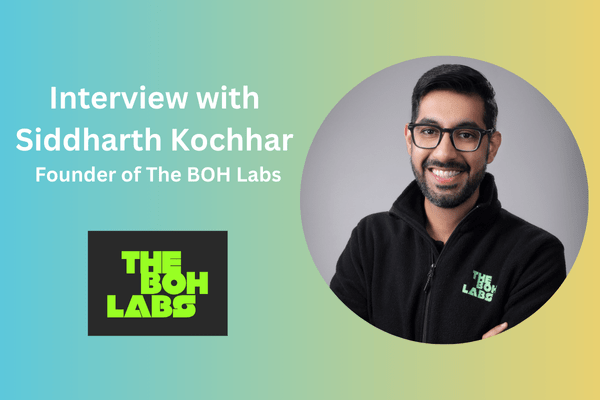
With a rich background in hospitality and a sharp strategic mindset, Siddharth Kochhar, Founder of The BOH Labs, is transforming the industry by blending data-driven insights with human-centric design. His extensive experience with renowned brands like Wyndham, Bloom Hotels, and FabHotels has given him a deep understanding of market expansion, operational excellence, and guest experience innovation.
In an exclusive conversation with Business Review Live, Siddharth shares invaluable lessons from his journey—how aggressive expansion shapes market strategy, why asset-light models are the future, and how sustainability is now a business imperative. His insights reflect a forward-thinking approach, balancing technology, design, and local authenticity to create hospitality brands that are both profitable and meaningful.
1. You’ve played a pivotal role in scaling global hospitality brands and now lead The BOH Labs. What inspired you to start this venture, and how does it redefine hospitality consulting?
The BOH Labs is a design-driven hospitality lab transforming the future of lifestyle hotels in India. We go beyond traditional hospitality by blending innovative design, market insights, and community-driven experiences to create spaces that truly connect with modern travelers.
Our approach centers on human-centric design. Hotels should be more than just a place to stay—they should be vibrant social hubs that foster connection and belonging. By combining market research and creative design thinking, we identify emerging trends and evolving guest expectations to craft unique, experience-driven spaces.
A key differentiator is our focus on community and social interactions. We design hotels that encourage collaboration and cultural immersion, whether through curated events, locally inspired F&B concepts, or versatile co-working spaces that double as social lounges.
In a recent project, we transformed a conventional hotel into a dynamic lifestyle destination. We introduced flexible public spaces, art installations by local artists, and a curated lineup of community events, turning the property into a cultural hotspot and enhancing guest engagement.
2. The BOH Labs integrates human-centric design with business strategy. Can you share an example where design thinking led to a transformative guest experience?
At The BOH Labs, we believe human-centric design is key to creating unforgettable guest experiences. A standout example is our transformation of a mid-scale hotel lobby—once an underutilized space—into a dynamic social hub that boosted guest engagement and revenue.
The lobby was purely transactional, used only for check-ins and check-outs. We saw an opportunity to reimagine it as a multi-functional space where guests could work, relax, and socialize—all while enhancing the hotel’s revenue potential.
At The BOH Labs, design thinking drives every project. By studying guest behavior through surveys and observations, we found that millennials and business travelers wanted spaces for work, socializing, and relaxation. This insight shaped our vision of a hotel lobby as a welcoming, multi-functional space—a “living room away from home.”
To bring this concept to life, we created a flexible layout with cozy nooks for privacy, communal tables for collaboration, and lounge areas for relaxation. A locally sourced coffee bar attracted both guests and locals, while art installations reflected the city’s heritage, enhancing the space’s cultural appeal. Smart technology, including wireless charging stations and digital concierge screens, added convenience and efficiency.
The impact was immediate. Guests spent more time in the lobby, F&B revenue rose by 25%, and guest satisfaction scores soared. Many even called it the highlight of their stay. This project highlights how thoughtful design transforms overlooked spaces into thriving, experience-driven destinations. At The BOH Labs, we craft spaces that elevate guest experiences while driving business success.
3. Your experience with Wyndham and Bloom Hotels involved aggressive expansion. What are the biggest challenges in market entry, and how do you identify high-potential locations?
Expanding with Wyndham and Bloom Hotels was a crash course in rapid growth, teaching me the art of strategic market entry and identifying high-potential locations. While scaling aggressively is tempting, sustainable success comes from meticulous planning and a deep understanding of local dynamics.
Every market presents unique cultural, regulatory, and competitive challenges. Overlooking these factors can lead to operational inefficiencies and misaligned strategies. Speed must be balanced with sustainability—each new property should reflect the brand’s identity while delivering a consistent guest experience.
Our approach to identifying prime locations is data-driven. We analyze tourism trends, infrastructure development, and economic indicators to pinpoint emerging destinations. Understanding traveler preferences and market gaps helps tailor offerings to demand. Collaborating with local developers and tourism boards builds trust and strengthens market positioning. Feasibility studies ensure investments are financially sound, assessing land costs, construction expenses, and projected returns.
One successful expansion strategy involved targeting tier-2 cities in India, where corporate hubs were growing but lacked branded hospitality options. This move allowed us to tap into unmet demand and establish a strong presence. Market entry isn’t just about choosing a location—it’s about finding the right fit for long-term success. By blending data-driven insights with local expertise, we craft expansion strategies that are both scalable and sustainable.
4. With hospitality shifting towards franchising and management contracts, how do you see asset-light models evolving in the post-pandemic era?
The hospitality industry’s shift towards asset-light models—including franchising and management contracts—has accelerated post-pandemic. These models offer scalability with lower risk, but their success depends on adaptability.
Here’s how asset-light models are evolving to meet new challenges and opportunities:
1. Flexible Contracts for Market Resilience
Hotels need adaptable agreements. Hybrid revenue-sharing models with variable terms based on market conditions will allow owners and operators to share risks and rewards more equitably.
2. Brand Differentiation as a Competitive Edge
With more players adopting asset-light strategies, standing out is crucial. Expect a strong focus on unique design, localized experiences, and robust loyalty programs to build brand equity.
3. Tech-Driven Operational Efficiency
Technology is revolutionizing asset-light models. From AI-powered property management systems to guest engagement platforms, digital transformation will enhance efficiency, guest satisfaction, and real-time decision-making.
4. Sustainability as a Core Business Strategy
The eco-conscious traveler is shaping the industry. Asset-light operators must embed sustainability in their models, from energy-efficient designs to waste reduction initiatives, aligning with both regulations and guest expectations.
5. Expansion into Tier-2 & Tier-3 Markets
With major cities becoming saturated, smaller but high-growth markets offer untapped potential. Success will depend on localized strategies that cater to regional preferences and economic conditions.
6. Strengthening Owner-Brand Partnerships
Collaboration is key. Transparent communication, aligned objectives, and long-term trust-building will define successful asset-light partnerships in the evolving hospitality landscape.
7. Crisis Management & Business Resilience
The pandemic highlighted the need for robust contingency planning. Operators will need flexible staffing models, dynamic pricing strategies, and enhanced health & safety protocols to navigate future disruptions.
The next phase of asset-light expansion will be driven by flexibility, innovation, and sustainability. At The BOH Labs, we help brands adapt by integrating design thinking, data-driven insights, and strategic partnerships into their growth strategies.
5. Your time at FabHotels was a “crash course” in high-speed hospitality growth. What key lessons from that experience shaped your approach to scaling brands today?
My time at FabHotels was truly a crash course in rapid scaling, and I owe a great deal to my founders, Vaibhav and Adarsh, as well as my incredible colleagues. Their vision and dedication helped shape my deep passion for hospitality.
One of the biggest lessons I took away was the importance of building a strong operational foundation while staying agile. We learned to prioritize customer feedback, iterate quickly, and maintain a lean yet highly effective team structure.
These principles continue to guide us at The BOH Labs, where we focus on scalability without compromising on quality or guest experience—ensuring that every innovation we implement delivers real value to both guests and operators.
6. With evolving consumer behaviors and digital disruptions, how should hotels adapt their guest experience models to stay competitive?
To stay competitive in an era of evolving consumer behaviors and digital disruption, hotels must reimagine guest experiences by blending innovation with authenticity.
Personalization – Leverage AI and data to curate tailored experiences, from room amenities to local recommendations.
Seamless Technology – Invest in contactless check-ins, mobile keys, and integrated platforms for a frictionless stay.
The Human Touch – Balance automation with warmth—chatbots for efficiency, staff for meaningful interactions.
Engaging Social Spaces – Design coworking lounges and communal areas that encourage connection.
Sustainability Matters – Reduce plastics, source locally, and embrace eco-friendly practices to attract conscious travelers.
Authentic Local Experiences – Partner with artisans and chefs to create immersive cultural offerings.
Agility & Adaptability – Design flexible spaces and services that cater to evolving guest needs, such as hybrid events.
Loyalty 2.0 – Move beyond points—reward guests with exclusive events, unique perks, and hyper-personalized services.
Wellness-Centric Stays – Offer in-room fitness kits, nutritious dining, and wellness collaborations for holistic well-being.
Real-Time Feedback Loop – Use guest insights from surveys and social listening to refine and elevate experiences continuously.
At The BOH Labs, we help hotels merge innovation with human-centric design, ensuring that every touchpoint reflects the brand’s values while exceeding modern traveler expectations.
7. As the industry moves towards more sustainable practices, how can design and operational strategies align profitability with eco-conscious hospitality?
At The BOH Labs, we make sustainability a strategic advantage, blending eco-conscious practices with profitability. We design energy-efficient spaces with solar panels, green walls, and natural lighting to reduce environmental impact. Water-saving systems like rainwater harvesting and low-flow fixtures ensure resource conservation.
Smart operations help cut costs and emissions—bulk toiletries, recycling programs, and local sourcing minimize waste. Smart energy systems and LEED certifications boost brand credibility while attracting eco-conscious travelers.
Sustainability also drives profitability. Energy efficiency and waste reduction lower expenses, while eco-driven experiences appeal to the growing segment of responsible travelers.
We engage guests by offering rewards for sustainable actions and partnering with local communities on green initiatives. By embedding sustainability into design, operations, and guest experiences, hotels can thrive while reducing their environmental footprint—a true win-win.
8. The BOH Labs combines data-driven insights with experiential design. How do you strike the right balance between analytics and intuition in decision-making?
At The BOH Labs, we harmonize data-driven insights with human-centric creativity, ensuring every decision is both strategic and emotionally resonant. Data helps us track trends, predict guest behavior, and measure impact. Intuition guides us in crafting immersive, culturally rich experiences that go beyond numbers.
For instance, data may reveal that guests prefer communal spaces, but intuition transforms a standard lobby into a vibrant social hub, enriched with local art, cozy seating, and sensory elements that evoke warmth and connection.
We test, refine, and adapt—using data to optimize and intuition to infuse authenticity. This synergy ensures our designs are innovative yet deeply human, creating experiences that resonate with guests and drive business success.
9. Looking back at your career, which hospitality project has been the most fulfilling, and what made it a game-changer?
Looking back, one of the most fulfilling milestones in my career was the conversion of a 109-key hotel in Kathmandu, Nepal—a project that went far beyond rebranding. It was a complete reimagination of the guest experience, blending local culture, traditional design, and global hospitality standards.
Holistic Transformation: We didn’t just change the name; we revitalized interiors, trained staff, and repositioned the hotel to embody Kathmandu’s rich heritage. Every detail—from architecture to service philosophy—was meticulously curated to create a distinctive identity.
Impactful Results: The transformation was more than aesthetic; it redefined guest engagement, strengthened community ties, and elevated the hotel’s market position.
This experience reinforced my belief in the power of thoughtful design, strategic branding, and authentic storytelling—key elements that shape truly unforgettable hospitality experiences.