



Friday, June 19, 2026
Home Blog Page 173

How is TGI Hotels Leading the Hospitality Industry Evolution with Brand Excellence and Next-Level Guest Satisfaction?

0
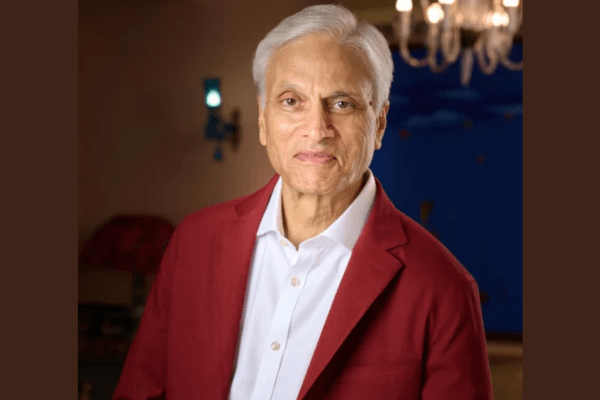
Amit Kumar, Chief Marketing Officer, TGI Hotels & Resorts

With over three decades of expertise in the hospitality industry, Amit Kumar stands as a visionary leader in the world of marketing and guest satisfaction. As the Chief Marketing Officer at TGI Hotels & Resorts, he has transformed the company into a powerhouse of innovation, brand excellence, and customer loyalty. His strategic insights and deep understanding of market dynamics have propelled TGI Hotels to new heights, where each guest experience is crafted with precision, authenticity, and warmth.

Under his leadership, TGI Hotels & Resorts has not only embraced cutting-edge technologies and digital solutions but also remained rooted in the core values of personalized service and sustainable growth. From launching impactful marketing campaigns to implementing eco-friendly practices, Kumar’s work has reshaped the way the industry approaches guest relations and brand development.

In this exclusive interview, we explore Amit Kumar’s journey from strategic marketing innovator to a key figure in hospitality industry, his vision for the future of the industry, and the steps TGI Hotels & Resorts is taking to continue its legacy of excellence. His story is a testament to how passion, innovation, and a relentless focus on guest satisfaction can revolutionize an entire sector.

1. The hospitality industry is experiencing a shift in traveller preferences. How is TGI Hotels & Resorts adapting to the growing demand for unique, experience-driven stays?

Modern travelers seek more than just a stay — they crave unforgettable experiences. At TGI Hotels & Resorts, we bring this vision to life by blending warm hospitality, immersive local culture, and curated activities. Whether guests are looking to unwind by the beach, explore rich traditions, or dive into adventure, we ensure every stay is memorable. It’s not just about comfort — it’s about creating lasting memories that guests will cherish.

2. How has the rise of remote work and “workcations” influenced your marketing approach? Are you seeing a long-term shift in guest behaviour?

The rise of “workcations” is changing the way people travel, as more guests combine remote work with leisure getaways. Today’s travelers look for comfortable stays, high-speed Wi-Fi, quiet workspaces, and peaceful environments to recharge. At TGI Hotels, we’ve embraced this shift by offering extended stays, business-friendly amenities, and customized packages that strike the perfect balance between productivity and relaxation. Workcations aren’t just a trend—they’re the future of travel.

3. With the increasing adoption of AI chatbots and automation in customer service, how do you maintain a balance between technology and human touch in hospitality?

At TGI Hotels, we leverage AI and automation to boost speed and efficiency, but true hospitality remains deeply human. While technology enables faster responses and smoother operations, it’s our dedicated team that delivers the personal care guests remember. We believe in blending innovation with genuine warmth—because creating exceptional experiences means combining smart solutions with heartfelt service.

4. What role does predictive analytics play in shaping marketing campaigns and revenue management in your organization?

At TGI Hotels, we use predictive analytics to understand guest preferences, booking behaviors, and emerging market trends. This data-driven approach allows us to personalize offers, optimize pricing in real-time, and enhance the overall guest experience. The result? Higher occupancy, increased revenue, and happier guests—all powered by smart, strategic insights.

5. Sustainability has become a priority for many travellers. What initiatives has TGI Hotels & Resorts taken to promote eco-friendly practices and responsible tourism?

At TGI Hotels, we’re committed to responsible tourism and protecting the planet. We’ve introduced eco-friendly practices such as reducing plastic use, conserving water and energy, and sourcing sustainable, local products. Many of our properties feature lush greenery, rainwater harvesting, and efficient waste management systems. We also invite guests to support our green efforts through initiatives like towel reuse programs and nature-conscious experiences. Our mission is clear: deliver exceptional hospitality while caring for the environment.

6. How do you balance sustainability efforts with profitability, ensuring that green initiatives make business sense while benefiting the environment?

At TGI Hotels, we view sustainability and profitability as allies, not opposites. Smart practices—like using energy-efficient lighting, minimizing food waste, and sourcing local products—reduce operational costs and support the environment. These green initiatives also appeal to eco-conscious travelers, driving both bookings and brand loyalty. It’s a win-win strategy that proves responsible choices can power business growth.

7. With changing workforce expectations, how is TGI Hotels & Resorts innovating its talent acquisition and employee engagement strategies?

At TGI Hotels, we recognize that today’s workforce values flexibility, growth, and a supportive work culture. That’s why we focus on attracting the right talent through digital hiring platforms, competitive benefits, and a workplace where every team member feels appreciated. From skill-building training to clear career advancement paths, we invest in our people. Because when our team thrives, so do our guests—and that’s the heart of our hospitality.

8. What measures have you taken to upskill employees and prepare them for the future of hospitality, where technology and guest expectations are constantly evolving?

At TGI Hotels, continuous training keeps our team ahead in the ever-evolving hospitality industry. From hands-on workshops in emerging technologies to soft skills development, we ensure our staff grows alongside industry trends. By integrating digital tools and AI-powered solutions, we simplify their work and enhance guest interactions. This blend of innovation and personal service empowers our team to deliver exceptional, memorable experiences—every time.

9. Many brands are investing in experiential hospitality to create deeper emotional connections with guests. What unique experiences is TGI offering to drive brand loyalty?

At TGI Hotels, we offer more than just a place to stay—we create unforgettable experiences that resonate long after check-out. From curated local adventures and immersive cultural events to warm, personalized service, every moment is crafted with care. We blend modern comfort with authentic hospitality, powered by smart technology, eco-conscious practices, and a passionate team. Whether guests are here for leisure, business, or a workcation, we ensure every stay is seamless, memorable, and truly special. Our mission is simple: to make every guest feel valued and deliver memories they’ll want to return for.

10. How do you measure the success of experiential hospitality initiatives? Is there a shift from traditional loyalty programs to experience-based loyalty?

At TGI Hotels, we measure success through guest satisfaction, repeat visits, and the buzz that spreads through word-of-mouth. When guests leave with lasting memories and share their experiences, we know we’ve achieved our goal. Today’s travelers are looking for more than just a stay—they seek unique, meaningful experiences. Rather than simply rewarding stays, we focus on creating unforgettable moments that guests want to return for.

Whether it’s an authentic local touch, personalized service, or an eco-friendly experience, we strive to deliver a perfect balance of innovation and warmth. With AI-driven solutions and sustainable practices, we ensure every guest interaction is seamless, thoughtful, and memorable. This blend of smart technology and genuine care keeps our guests coming back, time and again.

11. Hospitality is a people-driven industry. How do you ensure that employees remain motivated and committed to delivering exceptional service?

At TGI Hotels, we know that happy employees are the foundation of exceptional guest experiences. We value our team by recognizing their hard work, offering career growth opportunities, and fostering a supportive, inclusive work environment. Through continuous training, the use of innovative digital tools, and open communication, we empower our staff to stay ahead in the hospitality industry. This approach not only motivates them but ensures they deliver personalized, memorable service every day. By blending innovation with a human touch, we create a culture where both our team and guests thrive—because when our employees feel valued, it reflects in every guest experience.

Drone startup Garuda Aerospace secures ₹100-Cr funding, valued at $250 Million

0
Agnishwar Jayaprakash, Founder and CEO of Garuda Aerospace.

MS Dhoni-backed drone startup Garuda Aerospace announced on Wednesday that it has secured ₹100 crore in a Series B funding round led by Venture Catalysts, pushing its valuation to $250 million. The fresh investment is set to accelerate the company’s momentum in indigenous drone manufacturing and technological innovation.

The newly raised funds will be used to scale up production, enhance drone system capabilities, and fast-track the development of an advanced R&D and testing center for next-generation defense drones. The Chennai-based company, which holds over 20 patents, also plans to expand its intellectual property portfolio and establish a new design facility.

Founder and CEO Agnishwar Jayaprakash emphasized that the funding not only boosts manufacturing and innovation efforts but also supports Garuda’s global expansion goals and the development of cutting-edge drone technology.

Founded in 2015, the drone startup specializes in precision agritech and Industry 4.0 applications, designing customized unmanned aerial vehicles (UAVs) aimed at reducing manual labor in agriculture.

“This series B funding not only strengthens our capacity to scale manufacturing and innovation but also positions us to accelerate the development of next-generation drone technology,” said Agnishwar Jayaprakash, Founder and CEO of Garuda Aerospace. Jayaprakash, Founder and CEO of Garuda Aerospace.

With a fleet of 400+ drones and 500 trained pilots across 84 cities, the startup manufactures 30 drone models, provides 50 services, and has served over 750 clients. According to NITI Aayog, India’s UAV market is expected to hit $15 billion by 2030, positioning Garuda Aerospace well for future growth.

This development not only strengthens Garuda Aerospace’s position in the Indian aerospace ecosystem but also aligns with the nation’s broader vision of achieving self-reliance in high-tech defense manufacturing, Garuda Aerospace said.

Pocket FM achieves 68% revenue growth in FY25

0
Rohan Nayak, Co-founder and Chief Executive, Pocket FM

Audio series platform Pocket FM recorded a revenue of ₹1,768 crore for FY25, marking a 68% increase compared to the previous year, according to cofounder and CEO Rohan Nayak. This growth was fueled by an expanding content library and strong performance in major markets like the US and India.

Rohan Nayak stated that the Lightspeed India-backed company currently has an annual recurring revenue (ARR) of approximately ₹2,000 crore.

“The growth levers have primarily been expanding the content catalog. Since audio series is a new category, it’s not like you have a large catalog to start with. You have to figure out on your own how to get high-quality content in different sub-genres,” Nayak said.

Originally focused on romance and drama, the Bengaluru-based Pocket FM has significantly broadened its content library to include genres like fantasy, science fiction, and thriller. After establishing itself in India and expanding into the US, the platform has now entered the European market, particularly in Germany and the UK, where it has already crossed ₹100 crore in annual recurring revenue (ARR).

Looking ahead, the company aims to introduce more language options and strengthen its presence in Europe, while also planning to expand into various Latin American countries.

Pocket FM, now rebranded as Pocket Entertainment, has witnessed over 100 billion minutes of streaming, with 5 million microtransactions taking place each month. Currently, 85% of its revenue is driven by user payments through microtransactions, while the remaining 15% comes from advertisements.

The platform competes with major players like Spotify, as well as emerging content platforms such as Kuku FM, backed by Krafton, and Pratilipi, which recently secured a $20 million funding round led by Jungle Ventures.

With the launch of Pocket Novels and Pocket Toons, Pocket Entertainment expects these new verticals to significantly contribute to its growth in the current fiscal year.

According to Rohan Nayak, Pocket Entertainment’s U.S. operations are already profitable, and its India business is expected to reach breakeven by next month.

“At a Pocket group level, of course, we are not profitable because Europe is a new market and we’re also investing in artificial intelligence (AI) capabilities. But the bottom line is that we’re not burning that much,” he said, without giving loss figures. The company had posted a loss of Rs 165 crore in FY24.

Pocket FM has invested significantly in AI technology, generating more than 50,000 AI-produced shows over the past year as part of its content expansion efforts.

“AI is helping us not just unlock high-quality content, but also driving down costs at the same time,” said Nayak. “In fact, our content costs have already gone down by 2-3x because of AI. The AI shows have already generated over Rs 50 crore in revenue and are growing at a monthly rate of 30-40%.”

It is reportedly in talks to raise fresh capital. “We’re always in conversations with investors, and there’s a lot of significant interest in Pocket, at the moment. But it depends. It’s not like we’re actively raising at the moment, but we’re in conversations,” he said.

Founded in 2018, Pocket FM has raised approximately $196 million to date from prominent investors such as Lightspeed, Tencent, and Goodwater Capital.

Despite its growth, the company underwent multiple rounds of layoffs last year, with the most recent occurring in January, when about 75 employees were let go as part of a cost-reduction strategy.

“Pocket, as a business, does employ a lot of contractors for shows—for writing content. And whenever our show strategy changes—for instance, if you’re shutting down some shows or decide to change your content pipeline—you tend to terminate contracts, which gets perceived as layoffs,” Nayak said.

QSR brand Fat Tiger to launch 500 outlets by 2028

0

QSR brand Fat Tiger has announced plans to launch 500 offline outlets across 200 cities over the next three years. The expansion will follow a hybrid model, combining company-owned and franchise-operated stores, according to a media release issued on Tuesday.

To support this growth, the brand will lease 500 retail spaces, each ranging between 300 to 500 square feet, amounting to more than 150,000 square feet of premium commercial space. Additionally, Fat Tiger aims to generate over 1,750 employment opportunities across multiple roles as part of its expansion strategy.

Established by Sahaj Chopra and Sahil Arya, the brand has made a distinct mark in India’s food and beverage industry by blending traditional and contemporary flavors in a unique way, according to the release.

Sahaj Chopra and Sahil Arya, founders and directors of the firm, said,“We are focused on growing Fat Tiger’s presence across 200 cities,making our offerings accessible to more customers while generating employment opportunities at scale.”

Fat Tiger’s menu features a wide selection of momos, burgers, and beverages. Among the latest additions to its momo offerings are BBQ Momo and Kimchi Momo. The brand also stands out by serving exclusive Boba drinks, complementing its popular meal choices.

Fat Tiger has successfully positioned itself as a standout player in the Indian food and beverage market by offering an innovative mix of traditional and modern tastes. With unique menu additions like BBQ and Kimchi Momos, as well as exclusive Boba drinks, the brand continues to attract a diverse customer base and set itself apart in a competitive landscape.

Marshmallow secures €79M funding to offer car insurance to new UK residents

0
Alexander and Oliver Kent-Braham, with their colleague and co-founder David Goaté

London-based car insurance provider Marshmallow, which specializes in serving individuals who have recently moved to the UK, has announced securing €79.4 million in funding. This latest round comes three years after its Series B and reflects strong growth, with the company nearly doubling its valuation to over €1.7 billion.

The funding round included contributions from Portage, BlackRock, and Columbia Lake Partners. The capital—comprising a mix of equity and debt—will be used to expand Marshmallow’s car insurance product offerings and fuel its ambitions for international growth.

Oliver Kent-Braham, Co-CEO and Co-founder of Marshmallow, said: “Our ambition is to become a one-stop-financial-shop for newcomers so they feel as though it’s easy to move to, and live in, a different country. We’ve already supported over one million people in the UK with their insurance needs, but we’re only just scratching the surface. There are still major financial services barriers that make it harder for newcomers to settle and take part in everyday life. This funding gives us the capital to solve these problems and deliver against our mission.” 

Marshmallow, a UK-based FinTech company, is on a mission to make life easier and more affordable for those relocating to a new country. Founded in 2017 by twins Alexander and Oliver Kent-Braham, along with software engineer David Goaté, Marshmallow was created to help newcomers to the UK access fair and affordable car insurance.

To date, the company has provided car insurance coverage to over one million customers, with the majority being individuals new to the UK. Achieving unicorn status in 2021, Marshmallow now boasts a turnover run rate exceeding €439 million and a team of 700 employees spread across London and Budapest. The company continues to focus on delivering tech-first financial solutions tailored to the needs of people moving between countries.

Marshmallow believes that immigrants often face unfairly high insurance costs compared to native residents. By leveraging its proprietary technology and customer data, Marshmallow aims to offer better value and more inclusive financial services for this underserved demographic.

With this latest round of funding, Marshmallow plans to broaden its services to address a wider range of unmet financial needs faced by newcomers, aiming to become a comprehensive, one-stop financial services platform for people relocating to the UK.

Looking ahead, Marshmallow also intends to expand internationally, developing and offering financial products for individuals who have moved to countries beyond the UK, furthering its mission to support globally mobile populations.

Devon Kirk, General Partner & Co-Head, Portage Capital Solutions, commented: “Marshmallow is a clear leader in innovating to solve important financial challenges for consumers. We are confident in the business’ ability to continue developing solutions for a fairer financial ecosystem, and we are excited to support this strong team as it enters its next stage of growth.”

Swiggy launches Pyng: A new app to connect users with professionals

0
Nandan Reddy, Co-founder and Head of Innovation at Swiggy

Swiggy launches Pyng, a new AI-driven app designed to connect users with a wide range of professionals, including health and wellness specialists, astrologers, event planners, and skill development trainers.

With this launch, Swiggy steps into the expanding professional services space. Currently, Pyng is exclusively available to users in Bengaluru.

“As our lives become increasingly fast-paced, the demand for professional assistance — from tax planners and counselors to yoga trainers — is growing across both personal and professional spheres. With Pyng, we’re offering a reliable, spam-free platform where users can connect with trusted experts,” said Nandan Reddy, Co-founder and Head of Innovation at Swiggy.

In 2024, Swiggy launched a dedicated seller app for its new platform, Pyng. The concept was initially tested under ‘Yello,’ which has since been rebranded as Pyng.

The new app is being introduced as a standalone application, aligning with Swiggy’s broader strategy of offering distinct apps for its various services, allowing for more focused user experiences and service delivery.

In January, Swiggy also rolled out a dedicated app for Instamart, its fast-growing grocery delivery service, reinforcing its shift toward building standalone apps for specific verticals.

Swiggy’s newly launched app shares similarities with Urban Company, a well-known platform for booking home services like plumbing and electrical repairs. However, Pyng sets itself apart by focusing on white-collar professionals, including financial advisors, wellness coaches, astrologers, and skill development experts.

Interestingly, Prosus, a major investor in Swiggy, also holds a stake in Urban Company, highlighting its broader interests in the services marketplace. Meanwhile, Flipkart, owned by Walmart, maintains a limited presence in the home services sector, indicating growing competition in this space.

With the launch of Pyng, Swiggy expands beyond food and grocery delivery into the professional services space, aiming to simplify how users discover and connect with trusted experts. This move marks a strategic step in diversifying its offerings through focused, standalone apps.

Indonesia’s Populix raises $4.3M in Series B funding

0
(L-R) Jonathan Benhi, Eileen Kamtawijoyo and Timothy Astandu, founders of Populix.

Indonesian research technology startup Populix has secured $4.3 million in the first close of its Series B funding round, marking a significant step in its mission to modernize market research across Southeast Asia.

The funding round was led by MSW V Asia Fund X, with continued support from existing investors Intudo Ventures, Altos Ventures, and Acrew Capital. The fresh capital will primarily be used to strengthen Populix’s AI capabilities, focusing on automating research workflows and accelerating data collection.

“This funding encourages us to continue reinforcing our business fundamentals by developing services and leveraging technology to innovate in the future,” said Timothy Astandu, co-founder and CEO of Populix.

“By closing the decision lag between insight and action, Populix fuses the depth of traditional research with the immediacy of synthetic data and agentic AI – delivering strategic advantages with unprecedented speed, accuracy and actionability,” said Jeffrey Seah, founder and general partner of MSW Ventures.

“In addition, Populix also aspires to expand its market to South-east Asia based on strong demand from current clients,” said Astandu.

As part of this initiative, the startup is developing AI-powered models designed to streamline the end-to-end research process. This includes the creation of synthetic respondents, which will enable faster and more scalable data gathering.

Populix has experienced significant growth, doubling its project volume compared to last year — with 65% of those projects coming from returning clients, highlighting strong customer retention and trust.

In 2023, Populix expanded its research portfolio by launching Policy & Society Research, a division dedicated to analyzing public sentiment and societal trends.

The company also unveiled NeXa, an AI-based research assistant that empowers users to build surveys, identify relevant respondent groups, and generate insights through intelligent data analysis.

With this new round of funding, the startup aims to scale its research solutions across Southeast Asia, enhancing its platform to meet the growing demand for fast, reliable, and AI-driven market intelligence.

Vosmos collaborates with major hospitality brands to transform venue booking

0
Piyush Gupta, CEO, Vosmos

Immersive tech company Vosmos has partnered with several leading names in the hospitality industry — including Sterling Holidays, Royal Orchid Hotels, The Oberoi Group, The Leela Group of Hotels, and Fern Hotels — to enhance how venues are showcased and booked.

To meet the growing demand for more interactive and immersive customer experiences, Vosmos provides 360-degree virtual walkthroughs of hotel properties. These can be accessed remotely at any time, allowing users to explore venues in realistic, data-rich environments that support well-informed booking decisions.

Using advanced digital tools, hotels can create hyper-realistic representations of their spaces. Event organizers benefit from the ability to visualize layouts, modify furniture arrangements, and utilize AI-powered suggestions tailored to the specifics of their event. Key features such as “Measure My Event,” downloadable 2D floor plans, and shareable 3D links streamline the planning experience and reduce the reliance on physical site visits.

Built on a cloud-based infrastructure, the Vosmos platform enables scalable and cost-efficient deployment across numerous locations. This not only boosts operational efficiency but also aligns with sustainability goals by cutting down on travel and material usage.

Piyush Gupta, CEO of Vosmos, stated, “We’re proud to support leading hospitality brands in enhancing their customer journeys. Our platform delivers scalable, personalised, and future-ready experiences that are transforming how venues are marketed in the digital era.”

With its innovative virtual platform, Vosmos is reshaping the way venues are showcased and booked across the hospitality industry. By partnering with top-tier hotel brands and offering immersive, data-driven tools, Vosmos is not only enhancing customer engagement but also streamlining event planning processes. As the demand for seamless, tech-enabled experiences continues to rise, Vosmos stands at the forefront of a more efficient, sustainable, and interactive future for venue management.

India aims to add 300 Mn new users to UPI payments platform by 2030

0
Dilip Asbe, Managing Director and CEO, NPCI

India is planning a major expansion of its UPI payments platform aiming to onboard between 200 to 300 million additional users to its real-time digital payments system. This move is part of a dual strategy to deepen domestic adoption and promote the platform internationally.

According to Dilip Asbe, Managing Director and CEO of the National Payments Corporation of India (NPCI), the organization intends to reach this goal through initiatives such as delegated accounts for groups often excluded from traditional banking — including children and household staff. The aim is to help these individuals “break their cash memory” and transition to digital payments.

Over the past five years, UPI payments platform has revolutionized retail payments for over 450 million Indians. It enables smartphone users to pay for everything from everyday items to large purchases by scanning QR codes, allowing seamless transactions of up to ₹500,000 ($5,817) directly from their bank accounts — and notably, without incurring transaction fees so far.

This widespread adoption has helped India account for nearly 46% of global digital transactions, with retail digital payments growing 90-fold in just 12 years, according to a PwC report. Now, NPCI, along with the Indian government and the Reserve Bank of India (RBI), is keen on leveraging this domestic success to promote UPI payments platform internationally.

“The idea is to make remittances very affordable and real-time to all the diaspora,” Asbe said.

To support domestic growth, NPCI is also focusing on enhancing UPI’s accessibility. Plans are underway to broaden its multilingual capabilities and add conversational chat features. There are also pilots involving vision recognition technology aimed at boosting UPI use for things like parking payments.

NPCI is further exploring ways to expand its credit offerings. UPI already supports small-ticket loans, but Asbe noted that the platform’s underlying technology could assist lenders in evaluating creditworthiness and managing collections based on user repayment behavior.

“The credit-as-a-service model will also evolve and get some scale in the next three to five years,” he added.

On the global front, the Indian government has enlisted its embassies to promote UPI, while the RBI has reached out to multiple countries to encourage adoption. This effort is partly driven by the massive volume of remittances from the Indian diaspora, which totaled a record-breaking $129 billion in 2024, the highest figure ever reported by any country in a single year, per a World Bank report.

Besides remittances, UPI is also being positioned to facilitate cross-border payments for things like overseas education. “It might take time because other countries are at a different stage of real-time payments system stabilization,” said Asbe.

Initially, UPI transactions included a merchant discount rate (MDR) of 30 basis points. However, the government eliminated the fee in 2020 to accelerate user adoption. While merchants were later compensated through government incentives, these payments dropped significantly — from ₹36 billion in 2024 to ₹15 billion the following year — prompting industry calls for the MDR to be reinstated.

A survey by LocalCircles, covering 32,000 participants, found that 73% of UPI users would stop using the service if a fee was reintroduced. This indicates that even a small charge could significantly slow down UPI’s momentum.

Asbe noted that the UPI ecosystem is working with the government and RBI to make the system financially sustainable, saying, “by creating a small fee for the large merchants.”

Deeptech startup Optimized Electrotech secures $6M from Blume Ventures, Mela Ventures & others

0
Sandeep Shah, Founder and MD, Optimized Electrotech

Optimized Electrotech, a deeptech startup specializing in imaging and surveillance technologies, has secured $6 million in Series A funding. Blume Ventures and Mela Ventures led the round, with participation from 9Unicorns, existing backers like Venture Catalysts, the Rajiv Dadlani Group, and members of the company’s leadership team.

The Ahmedabad-based deeptech startup will use the capital to develop AI-powered imaging payloads for surveillance applications and expand its presence in international markets, including Africa, according to co-founder and managing director Sandeep Shah. He added that the company also plans to strengthen its AI team and accelerate commercialization of its technology offerings.

Founded in 2017 by Sandeep Shah and Dharin Shah, Optimized Electrotech builds AI-driven imaging systems for ISR (Intelligence, Surveillance, and Reconnaissance) and other mission-critical applications. Its electro-optic platforms operate across the entire electromagnetic spectrum, enabling real-time situational awareness for sectors like defence, space, border security, and aerospace.

The deeptech startup has developed solutions with integrated onboard analytics that deliver instant intelligence, supporting high-stakes operations with enhanced clarity and precision. Optimized Electrotech currently employs 42 professionals and serves key clients including Bharat Dynamics, the Indian Navy, and OEMs building air defence systems.

With four patents to its name, the company has also won multiple government-backed innovation challenges through the iDEX initiative, including the Acing Development of Innovative Technologies with iDEX (Aditi) award.

Before this round, Optimized Electrotech had raised ₹39 crore across earlier funding rounds. The startup is part of India’s emerging deeptech ecosystem, aligning with the government’s push for self-reliance in defence and aerospace technologies. As interest in indigenous strategic tech grows, venture capital firms are increasingly backing companies like Optimized Electrotech to fuel innovation in national security.

“Their (Optimized Electrotech) expertise in AI-driven surveillance and electro-optic solutions fits right into India’s push for self-reliance in critical sectors. This investment isn’t just about funding—it’s about our belief in their ability to lead the way in technology and make a real impact in defence and space,” said Arpit Agarwal, investment partner at Blume Ventures.