


Friday, June 19, 2026
Home Blog Page 171

UK self-driving startup Wayve opens testing and development center in Japan

0

British autonomous driving startup Wayve announced on Tuesday the launch of a new testing and development facility in Japan, marking its first entry into the Asian market.

The company said the new center will accelerate the advancement of its AI-driven driving software through partnerships with automotive manufacturers, while also enabling testing and development efforts across Tokyo and nearby areas.

“By incorporating training data from Japan’s complex road environments, Wayve will strengthen the generalization of its foundation model and enhance adaptability across global markets,” Wayve said in a statement.

Earlier this month, Nissan — Japan’s third-largest automaker — announced that its next-generation autonomous driving system, set to launch in fiscal year 2027, will incorporate software developed by Wayve.

Backed by SoftBank Group, driving startup Wayve is also actively testing its self-driving technology across the UK, Germany, the U.S., and Canada.

In contrast to traditional systems that depend on high-definition maps and rule-based coding, Wayve’s approach leverages machine learning and external vehicle cameras to learn from real-world traffic conditions and driver behaviors.

Wayve’s expansion into Japan marks a significant step in its global growth strategy, reinforcing its position at the forefront of AI-driven autonomous vehicle technology. With strategic partnerships like Nissan and the support of major backers such as SoftBank, the company is accelerating its vision of redefining mobility through scalable, mapless self-driving solutions — now with a foothold in one of the world’s most advanced automotive markets.

Mobility startup Yulu eyes $80M fundraise amid quick commerce boom

0
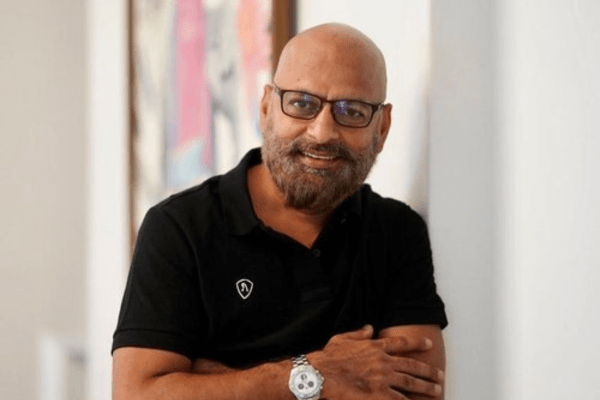
Amit Gupta, Co-founder and CEO, Yulu

Bengaluru-based shared mobility startup Yulu is reportedly in talks to raise $75–80 million (approximately ₹650–700 crore) as it aims to tap into the growing momentum of the quick commerce sector.

According to sources familiar with the matter, the company has engaged with several global impact investors and private equity firms. Existing investors, including Bajaj Auto and Magna International, are also likely to join the upcoming funding round.

“The company is witnessing rapid growth on the back of quick commerce expansion… it has reached $30 million in ARR (annual recurring revenue), and has achieved Ebitda profitability last year,” said one of the persons, who did not wish to be identified.

Yulu cofounder and CEO Amit Gupta shared that the company is considering a combination of debt and equity for its upcoming capital raise. While the $75–80 million will be injected as primary capital to support the company’s growth, Gupta noted that some secondary transactions could be arranged if incoming investors are unable to meet the minimum shareholding thresholds.

“Bajaj Auto and Magna International will invest on a pro-rata basis to ensure their shareholding doesn’t exceed 20% as that will lead to Yulu becoming an associate company, which increases reporting compliances,” said another person.

Currently, listed investors Bajaj Auto and Magna International each hold an 18–19% stake in Yulu. The mobility startup reached a $30 million annual revenue run rate in 2023, and sources suggest the upcoming round could boost its valuation by 20–25%. Yulu was last valued at $210 million in February 2024, following a $19 million investment from its existing backers.

CEO Amit Gupta said Yulu’s fleet currently comprises around 45,000 electric vehicles, with plans to scale up to 75,000–80,000 scooters by the end of 2025. The company operates directly in Delhi-NCR, Mumbai, Bengaluru, and Hyderabad, and has expanded to five additional cities through franchise partnerships.

“We’ve seen rapid growth in quick commerce… in the last two years” Gupta said. “This trend has also led to our margin profile improving,” he said, adding that the company’s larger plan is to finance its asset purchases using debt.

Yulu’s competitor, Gurgaon-based Zypp Electric, is also in the process of raising $50 million. Though it operates under a different business model, Zypp competes in the same shared mobility space. The company has already secured a portion of the funding across several tranches, with Silicon Valley firm Tribe Capital acquiring a stake last year through secondary transactions.

According to data from Tracxn, Yulu has raised a total of $124 million to date, combining both equity and debt. Its investor roster includes Blume Ventures, 3one4 Capital, and Northern Arc Capital, along with prominent angel investors such as Flipkart cofounder Binny Bansal and Freshworks founder Girish Mathrubootham.

Yulu’s four cofounders — Amit Gupta, Naveen Dachuri, Hemant Gupta, and R.K. Misra — collectively hold close to 35% of the company. Bajaj Auto and Magna International own 18.8% and 18.6% stakes, respectively.

For 2023-24, the mobility startup reported revenue of Rs 123 crore, a 172% year-on-year jump.

TBD VC Launches $35M fund to support Israeli deep tech startups

0
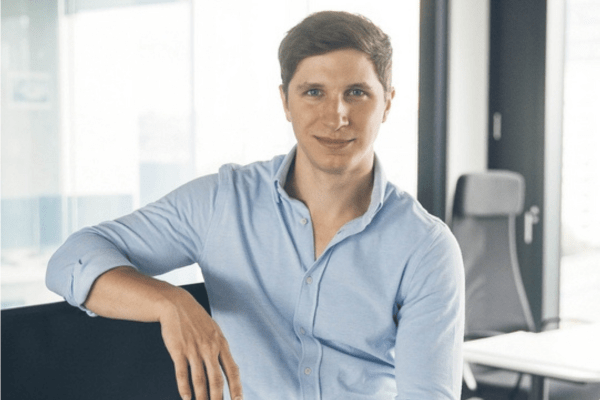
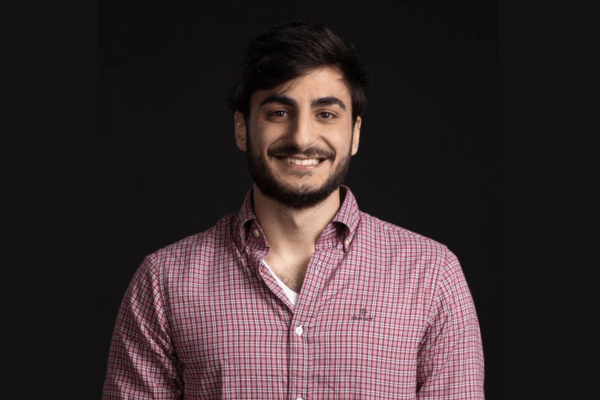
L-R: Alan Buch and David Citron, Founders, TBD VC

TBD VC, a newly launched early-stage venture capital firm, has introduced a $35 million fund aimed at supporting Israeli deep tech founders at the pre-seed and seed levels, both within Israel and internationally.

The launch of the fund coincides with a surge of high-profile Israeli tech successes — such as Google’s $32 billion acquisition of Wiz and the $2.6 billion exit of Next Insurance — underscoring Israel’s growing reputation for producing world-class tech ventures.

Despite the momentum in Israeli tech, TBD VC founders David Citron and Alan Buch believe that the earliest stages of startup formation still lack sufficient support.

The firm is currently making investments and plans to back around 20 startups through this fund. While TBD maintains a sector-agnostic approach, it places a strong emphasis on areas like enterprise AI, cloud infrastructure, cybersecurity, and software-driven defense technology.

TBD intends to lead pre-seed rounds with investments of approximately $1 million, and will occasionally join seed rounds alongside other investors. Its limited partners include institutional backers, family offices, and accomplished tech entrepreneurs, and the firm is already actively deploying its capital.

“We’re not looking for momentum rounds or hype cycles — we’re here for the deeply technical founders building real companies from day one,” said Citron, who is based in Tel Aviv. “That’s where value is created, and conviction matters most.”

David Citron brings more than ten years of venture capital experience, having worked with global firms including Rocket Internet, where he led pre-seed investments in Israeli startups for the German company. Throughout his career, he has backed numerous Israeli ventures spanning cybersecurity, infrastructure, enterprise software, and consumer applications.

His investment portfolio features notable names such as CyberX (acquired by Microsoft), Voca.ai (acquired by Snap), WalkMe, Flow Security (acquired by CrowdStrike), Frontegg, Faye, Boards.com, Eon.io — often referred to as Israel’s “next Wiz” — as well as Upwind and PointFive.

“We’re not trying to be everything to everyone,” Citron added. “We are pre-seed specialists, first time founder-first, and relentlessly execution driven.”

“Enterprise and cybersecurity is a large chunk of the deal flow in Israel,” Citron further added. “I’ve been an early stage investor, but I really became passionate about pre-seed when I was working with Rocket Internet, which assigned me to do pre-seed in the Israeli ecosystem. That was amazing. Before that, there were no pre-seed investors in Israel.”

Citron’s cofounder, Alan Buch, leads from New York and brings a global wealth and alternative investment management perspective.

“Startups and racing have more in common than you’d expect,” said Buch, in a statement. “It’s all about strategy, timing, instinct—and knowing exactly when to push.”

Alongside its general partners based in both the U.S. and Israel who bring extensive early-stage experience, TBD VC offers its portfolio companies access to a global network of over 45 venture partners. This group includes senior leaders from companies like GitHub, American Express, Epic Games, and Netflix, who actively support founders in refining product development and go-to-market strategies — all with the goal of accelerating their path to commercialization.

“Israel is still the best place to find technical founders,” said Citron. “But the next generation is global — and we’re building a firm that meets them where they are.”

“Early-stage Israeli founders don’t need tourists — they need operators who move fast, build trust, and unlock opportunity,” Buch added. “TBD is built for that.”

This marks David Citron’s second fund, following his first $35 million fund, which has already delivered strong results — generating a 2x return to date. Notable investments from the earlier fund include Upwind.io, Pointfive.co, and Eon.io. However, Citron noted that investments from the new fund have not yet been publicly disclosed.

“With the latest acquisitions, everybody’s talking about how Israel is bigger and better than ever. At the pre-seed level, being the first check into a startup is super exciting,” Citron said. “We hope this will be a big moment for Israeli enterprise startups.”

With a proven track record, a global network of strategic partners, and a clear focus on supporting deep tech innovation from the earliest stages, TBD VC is positioning itself as a key player in the Israeli startup ecosystem. As the firm begins deploying its second $35 million fund, all eyes will be on the next generation of breakthrough companies it helps bring to life.

Minor Hotels launches first Avani Resort in India

0

Minor Hotels has announced the debut of its first Avani-branded property in India—the Avani+ Sunray Beach Visakhapatnam Resort. Set along the scenic Sunray Beach in Visakhapatnam, the resort will be part of a larger development that includes 117 hotel rooms and 58 branded residential villas, with completion targeted for 2028.

The upcoming resort aims to elevate the region’s hospitality landscape and will feature a range of upscale amenities, including three dining outlets, a banquet hall, an AvaniSpa, a swimming pool, a beach bar, an AvaniFit gym, and a nine-hole golf course.

The resort is strategically positioned on a 25.5-acre site near the upcoming Alluri Sitarama Raju International Airport, which is expected to be completed by 2026, significantly enhancing regional connectivity. This part of Visakhapatnam is rapidly emerging as a hub for commercial development, MICE (Meetings, Incentives, Conferences, and Exhibitions) activity, and leisure tourism, making it an increasingly appealing destination for both business and holiday travelers.

Dillip Rajakarier, Group CEO of Minor International and CEO of Minor Hotels commented, “We are pleased to announce the launch of this significant new project in Visakhapatnam. The Avani brand will offer an exceptional blend of contemporary design, upbeat service and elevated experiences for both hotel guests and residents alike. We look forward to bringing our expertise in delivering premium hospitality to this dynamic market.”

The resort is being developed by Sunray Green Space Pvt Ltd, under the leadership of IA Raja Varma, a prominent advocate for sustainable tourism in the region. This launch forms a key part of Minor Hotels’ larger growth strategy in India, which includes plans to open 50 new properties over the next ten years, reinforcing its commitment to expanding its footprint in the country’s hospitality sector.

Brain health startup Ivory secures $1M in funding from IIM-A Ventures, Capital-A & others

0
Issac John (CEO) and Rahul Krishnan (CPO), Ivory Founders

Brain health startup Ivory has secured $1 million in a funding round co-led by IIM-A Ventures and early-stage VC firm Capital-A, which is also an existing investor.

The round also included participation from 1Crowd, Stanford Angels, and several other angel investors. The newly raised capital will be used to enhance Ivory’s clinical-grade assessment technology and to expand its distribution network.

Ivory wants to tap what it sees as a clear gap in the market. “Science says that, just as we lose muscle mass over time, our brain also shrinks in volume by about 5% every decade post our late 30s,” cofounder Issac John said. “One of the things we’ve realised—especially in a young, demographically rich country like India—is that there is a lack of widespread adoption of clinical-grade assessments.”

Founded in 2022 by John and Rahul Krishnan, Bengaluru-based brain health startup Ivory focuses on brain health solutions for individuals aged 30 and above. The brain health startup offers two flagship products, the first being a cognitive assessment tool designed to provide users with a detailed understanding of their cognitive profile—identifying strengths, areas for improvement, and early indicators of accelerated neurodegeneration.

The second offering from Ivory is a subscription-based daily companion app that fosters cognitive well-being through regular brain training exercises. In addition to enhancing mental fitness, the app helps users monitor and track their overall health and wellness.

“We are adding more layers to this product, because cognitive decline cannot be arrested solely by playing games or keeping your mind active with puzzles like Sudoku—which, of course, are helpful as they stimulate cognitive function,” said Krishnan. “But it’s equally important to look at your overall lifestyle. So, going forward, we will be adding more lifestyle-related features, such as stress management, sleep management, and more.”

As of now, Ivory has conducted over 18,000 cognitive assessments across India, according to Krishnan. The company plans to expand into new regions, enhance its AI capabilities to offer more personalized assessments, and increase investment in research.

“Today, our product is primarily a tier-one product. Unfortunately, it is probably only meant for the urban educated. But our goal is to make it as language-agnostic and culture-agnostic as possible,” John added.

Commenting on the investment, Vipul Patel, partner, IIM-A Ventures, said, “Of the four horsemen of chronic illness, neurodegenerative diseases remain the least understood and most difficult to reverse. Ivory’s vision to bring early, accessible cognitive screening into everyday preventive health is both timely, and essential.”

“There is a growing awareness that brain health is a core pillar of preventive care and yet solutions remain limited,” added Ankit Kedia, founder and lead investor, Capital-A. “Ivory is bringing a data-led, clinically grounded platform to the table, and we believe their work will play a crucial role in shaping the future of aging and mental wellness.”

Krafton expands India gaming incubator, welcomes six startups in second cohort

0
Krafton India CEO Sean Hyunil Sohn

South Korean gaming major Krafton has widened the regional reach of its India-focused initiative, the Krafton India Gaming Incubator (KIGI), and introduced strategic partners as it unveiled the second batch of six promising startups. According to Anuj Sahani, Head of the Krafton India Incubator Program, the latest cohort includes teams from emerging gaming hotspots such as Kolkata, Mumbai, and Madurai.

Among the selected studios is Madurai-based indie developer Kleanup Games, currently working on Chromadi — a retro-style arcade shoot-’em-up game that combines color-mixing mechanics with high-score-based gameplay. Directed by Jaiwanth Shanmugam, Chromadi is scheduled for a 2026 launch and will be available on iOS, Android, and PC (Steam Deck).

Another standout startup is Advaita Interactive, which is developing Inspectorium, a hidden-object detective game set in a steampunk-inspired, Victorian-era Kolkata. Founded by Judhajit Sarkar, the game will offer episodic storytelling, AI-powered interrogations, and immersive puzzles. Inspectorium is expected to release between 2025 and 2026 on mobile, PC, and VR platforms.

Also part of Krafton’s second KIGI cohort is Bengaluru-based Smash Head Studio, currently developing Cricket Rivals—a fast-paced, real-time multiplayer mobile game that brings a competitive twist to the traditional game of cricket. The studio, co-founded by Surendran Ramachandran and Pawan Sandhar, is also known for its earlier title Gravity Shooter, an action-packed shooter game.

Mumbai-based Singular Scheme is working on Frontier Paladin, a role-playing game (RPG) infused with action and tower-defense elements. Set on a cursed battlefield teeming with divine relics and ancient enemies, Frontier Paladin is the studio’s second title under the leadership of Ahad Oomerbhoy. A public demo of the game is currently available on Steam.

Another addition is Ginger Games, a New Delhi-based studio developing Monkey Mayhem, a colorful hybrid-casual action-adventure mobile game set in a whimsical “Monkey Universe.” The story follows a courageous monkey named Piklu on a wild mission to rescue his friends. Co-founded by Shrey Mishra, Sumit Batheja, and Piyush Kumar in 2024, the game is expected to launch in February 2026.

Over the next 6 to 12 months, the selected game studios will benefit from customized mentorship provided by seasoned professionals across game development, design, marketing, and business strategy. In addition to expert guidance, each startup will receive financial support ranging from $50,000 to $150,000. They’ll also gain access to Krafton’s internal resources, including data analytics tools, market research insights, and more, aimed at helping them scale and refine their games for global success.

“During Cohort 1, we were actually nitpicky in picking teams. But with Cohort 2, we have slightly relaxed our selection criteria because we understand that the development stage is very nascent,” Sahani said. “We are also taking a little more risk this time by supporting very early-stage startups, including those straight out of college or with limited experience.”

He added that Krafton will be providing deeper technical support to the teams in the upcoming cohort, “We realized that it was one of the pain points from the first cohort, which we are solving in the second,” he said.

Sahani emphasized that while India has a growing number of gaming companies, there remains a significant gap in structured support for young developers and early-stage startups to grow independently. To bridge this gap, Krafton has partnered with key global platforms to equip developers with essential tools and services to create competitive, globally scalable games.

Among its strategic partners are AccelByte, a backend platform enabling studios to build, publish, and manage live-service games; Liftoff’s GameRefinery, which offers data-driven tools for optimizing mobile games; and AppMagic, a market intelligence platform for mobile apps. Additionally, Amazon Web Services (AWS) will provide each participating startup with $10,000 in cloud credits to support infrastructure and scaling needs.

The Krafton India Gaming Incubator (KIGI) was first announced in October 2023, marking a strategic shift for Krafton in India—from investing broadly in digital entertainment and the creator economy to a focused commitment on video game development.

In its inaugural cohort, KIGI supported four startups: ReDimension Games (Nagaland), Shura Games (Bengaluru), Dunali Games (Gurugram), and Arjuna Studios (Delhi). Three of them—ReDimension, Shura, and Dunali—have already soft-launched their games, while Arjuna Studios is expected to launch its title in the coming weeks.

These initiatives highlight Krafton’s deepening footprint in India, as the company looks to leverage the country’s growing status as an emerging powerhouse in global game development.

“At Krafton India, we see the future of gaming as a vibrant tapestry woven with diverse ideas and bold creativity. Gaming is more than just a form of entertainment—it’s a tool for connection, expression, and cultural influence” said Krafton India CEO Sean Hyunil Sohn.

“By empowering diverse voices and championing innovation, with our second cohort, we’re setting the stage for a future where Indian game developers are defining trends, telling new stories, and pushing the boundaries of what gaming can be,” he added.

In August 2023, Krafton, best known for its hit battle royale game Battlegrounds Mobile India (BGMI), announced a $150 million investment commitment toward Indian gaming and interactive entertainment startups over the next two to three years. With this pledge, Krafton’s total investment in the Indian market now stands at approximately $290 million, positioning it as one of the most active and strategic backers in the country’s gaming ecosystem.

Krafton has also expanded its portfolio in India by launching several localized titles, including Bullet Echo India, CookieRun India, Garuda Saga, Road To Valor: Empires, and Defense Derby, in addition to its flagship game BGMI.

In a notable move last month, the company acquired a 75%+ stake in Nautilus Mobile, a Pune-based game studio best known for its popular Real Cricket mobile franchise. The acquisition, valued at ₹118 crore, further strengthens Krafton’s presence in India’s mobile gaming market.

Certus Capital invests ₹500-Cr across four real estate projects in India

0

Institutional real estate investment firm Certus Capital has invested approximately ₹500 crore through secured private credit in four real estate projects. The portfolio includes one commercial office development and three residential projects.

This round of funding is part of Certus Capital’s ongoing strategy to expand its presence in the real estate credit space. With these latest deployments, the firm’s total secured private credit investments have reached ₹1,000 crore.

Among the recent investments is a commercial office project located near Juhu in Mumbai’s western suburbs, where nearly 50% of the inventory has already been sold. In the residential segment, one of the key projects is situated in Prabhadevi, central Mumbai. Structural construction is nearly complete, and over 60% of the housing units have been sold.

Another residential investment by Certus Capital is located in Andheri East, Mumbai, where two of the three towers have reached the top-out stage. Collectively, the Mumbai-based investments now span approximately 5.3 lakh square feet.

In a significant geographic expansion, Certus Capital has also entered the Hyderabad market with a ₹180 crore investment in a large-scale residential project. This marks the firm’s debut in the city. The development, planned in two phases, covers a total saleable area of 3.3 million square feet.

“These investments are in line with our plan to expand our portfolio geographically by leveraging private credit opportunities in the real estate market. Given the fact the debt financing opportunity is expected to grow to Rs 14 lakh crore by 2026, it gives us a long runway for growth,” Ashish Khandelia, founder, Certus Capital, said.

Looking ahead, the firm plans to sustain its strong investment momentum, targeting over 100% year-on-year growth in FY 2025–26, while maintaining a sharp focus on the quality of its investments. The company anticipates continued strong demand for capital within the real estate sector.

The Hyderabad investment forms part of a co-lending partnership with a non-banking financial company (NBFC) that manages assets worth over ₹78,000 crore. This aligns with Certus Capital’s broader strategy of collaborating with large financial institutions to structure its real estate credit deals. These partnerships help facilitate risk-sharing and encourage wider institutional participation across its growing investment portfolio.

To date, Certus Capital has deployed capital across real estate projects in key cities including Mumbai, Pune, Chennai, and Hyderabad, with Bengaluru currently under advanced evaluation for potential investment. Its investor base comprises a mix of family offices (both single-family and multi-family), high-net-worth individuals (HNIs), corporate executives (CXOs), and institutional investors.

Finodaya Capital raises $2.5 Mn from White Venture Capital & others

0
Neeraj Biyani, Abhitabh Dixit and Lokendra Tomar, Co-founders, Finodaya Capital

Finodaya Capital, a non-banking financial company (NBFC) headquartered in Madhya Pradesh, has raised $2.5 million in a seed funding round led by White Venture Capital. The funding round, which values the startup at a post-money valuation of ₹50 crore, also saw participation from Gemba Capital and a group of angel investors.

The Reserve Bank of India granted Finodaya its NBFC license on April 11. The company is focused on offering microloans secured against property, specifically catering to small businesses and microenterprises across the country. It will operate using a hybrid “phygital” model—blending digital technologies with physical branches to streamline credit evaluation and loan disbursement.

Founded by ex-ICICI Bank professionals Lokendra Tomar, Abhitabh Dixit, and Neeraj Biyani, Finodaya Capital is on a mission to provide accessible, secured credit to micro and nano enterprises, helping them integrate into the formal financial system.

Over the next six months, the company plans to open 15 branches across Madhya Pradesh. By 2026, it aims to disburse loans totaling ₹50–100 crore. Prior to obtaining its NBFC license, Finodaya operated through a business correspondent arrangement with Utkarsh Small Finance Bank and is now exploring co-lending partnerships with other financial institutions. This capital raise aligns with the growing trend of digital transformation in property-backed lending in India.

Finodaya Capital’s $2.5 million seed funding marks a significant milestone as it transitions from a partner-led model to a fully licensed NBFC. With a strong founding team, clear focus on secured microloans, and a hybrid operational model, the company is well-positioned to bridge the credit gap for underserved micro and nano enterprises in India. As it scales its presence and partnerships, Finodaya aims to play a key role in the formalisation and digitisation of small business lending across the country.

Radisson Blu Plaza Karjat unveils Le Bistro, a new culinary destination

0

Radisson Blu Plaza in Karjat has introduced Le Bistro, a vibrant open-air café set by the pool, offering a refreshing new dining experience in the area. Covering 3,000 square feet, the café features a carefully crafted menu that includes traditional wood-fired pizzas, as well as Indian and Turkish kebabs. According to a statement from the hotel, Le Bistro promises a delightful blend of comfort and indulgence for food enthusiasts.

“What makes Le Bistro truly special is its foundation: quite literally built from the past, with recycled wood from our former pool deck, it reflects our dedication to sustainability without compromising on charm or comfort. The café celebrates the richness of local produce and flavours in a setting that encourages guests to slow down, connect, and savour each moment. It’s a space where rustic elegance meets mindful living,and where every detail is rooted in purpose. From the warmth of our brick fire oven—which brings out the best in our handcrafted pizzas and baked delights—to our thoughtfully curated menu, every element has been designed to delight. With Le Bistro, we’re not just serving great food—we’re offering an experience that aligns with our broader vision of responsible, warm, and memorable hospitality,” said Debasish Chakraborty, chairman and managing director of Radisson Blu Plaza Karjat.

More than just its charming design, Le Bistro sets itself apart with a strong emphasis on fresh, high-quality ingredients, including organically grown condiments that elevate each dish’s flavor. Whether guests make a reservation or simply walk in, the café offers a harmonious blend of nature and gourmet cuisine, delivering a relaxed yet refined dining experience, according to a statement from the hotel.

With its eco-friendly philosophy, picturesque setting, and unique culinary creations, Le Bistro is poised to become Karjat’s newest dining hotspot. Whether you’re a traveler in search of a peaceful escape or a local craving something special, the cafe offers an inviting atmosphere, flavorful food, and a commitment to sustainability, the release added.


Perplexity AI in talks to bring its assistant to Samsung and Motorola phones

0
Perplexity AI founders (L-R) Johnny Ho, Aravind Srinivas, Denis Yarats

Perplexity AI, a rising artificial intelligence startup competing with the likes of Google and OpenAI, is actively seeking top-tier integration for its virtual assistant on smartphones.

The company is currently in early-stage talks with Samsung Electronics Co. to embed its assistant on the tech giant’s mobile devices. Meanwhile, it has already secured a deal with Lenovo Group Ltd.’s Motorola for a similar integration, according to sources familiar with the matter.

While discussions with Samsung are still preliminary, the Motorola partnership is expected to be officially announced later this month. Motorola is scheduled to host a product launch event in New York City on April 24, where it plans to reveal details of the collaboration.

According to the sources, the specifics of the Samsung partnership are still under negotiation. Potential terms include making Perplexity AI the default AI assistant option or pre-installing its Android app on Samsung devices. As the global leader in smartphone sales, Samsung might also give the assistant prominent visibility in the Galaxy Store, where users access and download apps.

Samsung is also considering making another investment in Perplexity AI in the near future, according to sources. The AI startup is currently in broader fundraising talks, aiming to double its valuation to $18 billion. It is exploring a funding round between $500 million and $1 billion.

Founded in 2022, Perplexity has quickly gained traction for delivering real-time answers and offering a search engine-style interface. Its assistant is capable of generating detailed research responses and can leverage various AI models, including those from OpenAI and Anthropic PBC, in addition to its own.

As part of the Motorola deal, Perplexity will come pre-installed as an alternative to Google’s Gemini assistant. The integration will feature a customized user interface designed specifically for Motorola’s upcoming Razr foldable phones. Additionally, Motorola plans to actively promote Perplexity AI through its marketing efforts to encourage users to try the assistant.

Currently, Motorola offers its own in-house AI solution along with access to Google Gemini. Samsung follows a similar strategy, providing users with both its Bixby assistant and Google’s AI platform.

For Perplexity, based in San Francisco, partnerships with Motorola and Samsung represent a significant opportunity to strengthen its brand presence and grow its user base in the U.S. market—where Google’s Gemini and OpenAI’s ChatGPT already have a strong foothold. While Motorola holds a relatively small share of the global smartphone market, the brand is gaining momentum. Samsung, on the other hand, commands around 20% of the market worldwide, according to IDC data.