Thursday, May 7, 2026
Home Blog Page 103

Asaya raises ₹28-Cr to build state-of-the-art skincare innovation center

0
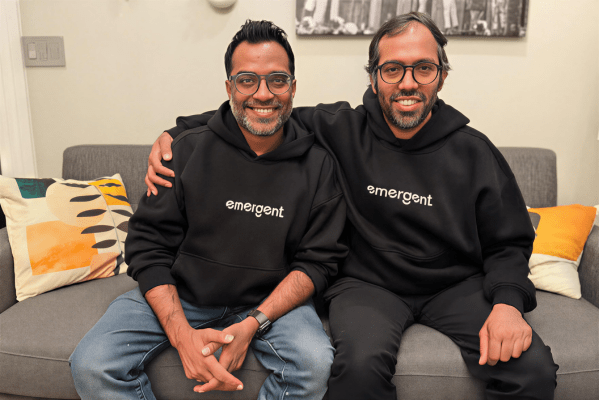
L-R: Eeti Sharma, Mandeep Singh Bhatia, Neeraj Biyani, co-founders, Asaya

Asaya, a science-led skincare startup focused on hyperpigmentation solutions, announced that it has raised ₹28 crore in a pre-Series A funding round led by consumer-focused venture capital firm RPSG Capital.

The round also saw participation from strategic investors Suyash Saraf and Anisha Agarwal Saraf, co-founders of Dot & Key, along with existing investors OTP Ventures and Huddle Ventures.

The company reported 400% year-over-year growth, attributing its success to tackling hyperpigmentation — a skin concern it says has largely been neglected in mainstream product development.

Asaya also highlighted its patented molecule, MelaMe, which it claims delivers visible, clinically proven results within 14 days and consistently outperforms leading global brands when tested on Indian skin types.

“We’re not just another beauty brand entering this crowded market,” said Neeraj Biyani, co-founder of Asaya. “We’re addressing one of India’s most prevalent unsolved skincare concerns through breakthrough research and formulations created specifically for Indian skin. It is our patented MelaMe complex and clinical results that set us apart.”

“Asaya’s 5x revenue growth in the last 12 months proves Indian consumers are ready for science-backed solutions tailored to their specific needs rather than one-size-fits-all solutions,” added Abhishek Goenka, Lead Investor, RPSG Capital. “Asaya’s targeted approach and proven efficacy make them ideally positioned to capture this shift toward specialized skincare.”

Asaya intends to deploy the fresh capital to set up a cutting-edge innovation center, speed up product development, and roll out six new solutions over the next year. The upcoming launches will also include a product line built around another patented molecule designed to address a significant skin concern prevalent in India.

“Asaya’s dedicated research and Indian skin-specific formulations represent exactly the innovation our beauty industry needs,” said Suyash Saraf, co-founder of Dot & Key and HyperScale Ventures. “Their remarkable traction with growth rates significantly higher than the industry average, adding thousands of consumers daily, proves that.”

ajvc raises ₹165-Cr in maiden fund, secures 2X its original target

0
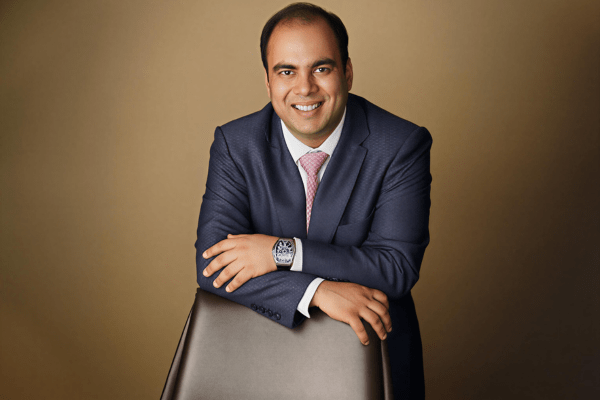
Aviral Bhatnagar, Founder and Managing Partner, ajvc

Aviral Bhatnagar’s ajvc on Wednesday announced the close of its maiden fund at ₹165 crore, which will focus on making pre-seed investments in Indian startups. The firm had initially aimed to raise ₹100 crore for its debut fund, which it completed in March this year.

However, strong investor interest pushed total commitments to around ₹200 crore from global limited partners and family offices, though ajvc ultimately capped the fund size at ₹165 crore.

In March, Founder Bhatnagar hinted that investors had oversubscribed the sector-agnostic fund beyond its target and that the team was considering exercising the green shoe option.

Commenting on the close, he said, “We are deeply grateful to our LPs for their trust. The fund was significantly oversubscribed, but we chose to remain disciplined, closing at nearly Rs 165 crore. India is witnessing an unprecedented wave of first-time entrepreneurs. Meeting their ambition requires venture capital to operate at an entirely new velocity.”

ajvc, which launched its fund in September last year, has secured investments within just nine months. The firm said it has received more than 11,000 applications from founding teams and has already invested in 25 startups across artificial intelligence and consumer technology. Looking ahead, the VC plans to support an additional 60–70 startups over the next few years.

According to the firm’s website, its portfolio includes Bengaluru-based TruFides, which is developing AI agents for compliance operations; Guwahati-based Chop Finance, a generative AI platform tailored for finance and accounting professionals; and Ranchi-based Mithila Foods, an internet-first FMCG brand bringing the authentic taste of Bihar to modern households.

Founder Aviral Bhatnagar noted, “At ajvc, we are building a new-age investment firm, where technology powers deeper diligence, smoother fundraising, and scalable support. Our vision is simple: to back hundreds of founders while staying uncompromisingly founder-first.”

Beyond capital, ajvc offers its portfolio companies access to a strong network, structured resources worth ₹4 crore, and community-led programs designed to unlock customers and foster peer support. According to the firm, some startups in its portfolio have already grown from inception to generating ₹2–3 crore in annualized revenue within just a few months of funding.

Indigrid Technology raises ₹35-Cr from Cactus Partners at ₹600-Cr valuation

0

Indigrid Technology, an electronics systems design and manufacturing (ESDM) startup, has raised $4 million (₹35.2 crore) in a follow-on round from existing backer Cactus Partners, taking its post-money valuation to around ₹600 crore. This comes over a year after Cactus had led Indigrid’s $5 million Series A round in June 2024.

Founded by Sameer Narang and Rishab Puri, the Gurugram-based company has primarily catered to the automotive sector but has recently diversified into consumer electronics and large appliances.

The fresh funds will be used to establish a new facility in Goa, expand manufacturing capacity, and accelerate R&D in power electronics and related products. Indigrid Technology also plans to enhance automation, scale up hiring, and strengthen its footprint in India and global markets.

Since its launch in 2016, Indigrid has evolved from producing EV components such as motor controllers and vehicle control units to developing complete powertrain systems for two-wheelers. Its clientele includes leading Tier I suppliers like Motherson, Hella, and JP Minda, as well as OEMs such as JCB and Kinetic. In the consumer space, it works with IFB, Rosenberger, Sensetek, Sandhar, and Revolt.

Looking ahead, the startup expects to generate ₹350–380 crore in revenue by FY26, with EBITDA margins improving from high single digits to double digits.

PwC India launches GenAI-powered navigate tax hub to boost tax efficiency

0
Sanjeev Krishan, Chairperson, PwC in India

PwC India announced on September 9 the launch of Navigate Tax Hub, a generative AI-powered platform now available to clients.

The company said it built the platform under its Vision 2030 strategy.

Designed to enhance efficiency and accuracy, the tool combines advanced AI capabilities with PwC’s tax expertise and secure document integration, enabling tax teams to deliver greater value.

“As a tech-native business, we see technology not just as an enabler but as a catalyst for reinvention. Navigate Tax Hub exemplifies this shift,” said Sanjeev Krishan, Chairperson, PwC in India. He added that the platform reflects PwC’s commitment to deploying generative AI responsibly to support “kal ka Bharat” and help Indian enterprises navigate complex tax and regulatory challenges with confidence while shaping a globally competitive future.

Calling it a “paradigm shift,” Siddharth Mehta, Partner and Tax Technology Leader at PwC India, said the platform marks the beginning of seamless AI-human collaboration, setting the new normal for the next generation of tax functions.

“With Navigate Tax Hub, we are redefining trust in tax technology. The platform is purpose-built to reference an organisation’s own documents, which are kept entirely secure,” said Kunj Vaidya, Partner and Tax and Regulatory Markets Leader at PwC India.

Furthermore, PwC India described the launch as a significant move toward embedding next-generation technology into the heart of business tax operations.

The company said the platform brings together cutting-edge GenAI capabilities, PwC India’s deep domain expertise, and comprehensive tax data from leading sources such as Taxsutra.

Airbnb strengthens India’s economy by ₹113 Bn in 2024

0
Amanpreet Bajaj, Country Head – Airbnb India and Southeast Asia

A new study by Oxford Economics, commissioned by Airbnb, highlights the platform’s expanding contribution to India’s tourism and hospitality industry. The research found that Airbnb generated ₹113 billion for the Indian economy in 2024, supported 111,000 jobs, and created ₹24 billion in wage income.

The report emphasizes the strong domestic demand powering Airbnb’s growth. In 2024, Indian travelers made up about 91% of Airbnb’s guest base in the country, a sharp rise from 79% in 2019. This trend points to the rapid growth of domestic tourism, with younger travelers increasingly favoring Airbnb stays.

On the international front, the United States, United Kingdom, Canada, and Australia emerged as the top source markets for guests visiting India via Airbnb.

“Travel today is transformative, and we’re delighted to see Airbnb contributing meaningfully to India’s economy through our vibrant network of hosts and guests,” said Amanpreet Bajaj, Country Head – Airbnb India and Southeast Asia. “This report shows how domestic travel continues to be the primary engine of tourism in India, fueling micro-entrepreneurship, boosting allied sectors, and supporting small businesses across both emerging and lesser-known destinations. This momentum signals a broader shift toward more inclusive, locally driven tourism, and we are committed to supporting long-term, sustainable growth in partnership with governments and communities.”

In 2024, Airbnb guests in India spent a total of ₹112 billion, covering both accommodation and non-accommodation expenses. The average stay lasted two nights, with non-accommodation spending averaging ₹11,000 per guest per day. Spending patterns showed that for every ₹10,000 spent at a destination, ₹3,800 went to restaurants, ₹2,400 to transport, ₹2,100 to shopping, ₹900 to arts and entertainment, and ₹800 to groceries.

Host earnings emerged as another economic driver, helping cover property upkeep, domestic services, and personal expenses, which in turn supported local trades and small businesses.

The report estimated that the platform contributed 0.5% of India’s travel and tourism GDP in 2024 and created 0.2% of sector employment, equal to one in every 417 tourism-related jobs. Moreover, beyond the tourism sector, the platform’s impact also extended across the wider economy. Specifically, it generated ₹31 billion in transport and storage, ₹15 billion in agriculture, ₹13 billion in real estate, and ₹12 billion in manufacturing.

Employment supported by Airbnb spanned multiple industries: 38,000 jobs in transport and storage, 19,600 in food and beverage services, 16,800 in wholesale and retail trade, and 10,700 in manufacturing. These roles translated into direct wages, including ₹8.1 billion in transport and storage, ₹2.9 billion in manufacturing, and ₹2.6 billion in real estate.

The study also highlighted a shift in travel preferences, with non-urban destinations accounting for 16% of Airbnb’s gross booking value (GBV) in 2024. While still a smaller share, this marks a threefold increase compared to 2019, underscoring growing traveler interest in rural and lesser-known destinations outside India’s major cities.

Overall, the findings reflect Airbnb’s significant economic footprint in India, showing how the platform is reshaping tourism flows by boosting both urban and non-urban demand. With domestic travel on the rise, Airbnb will remain a key contributor to the country’s hospitality and tourism economy.

“Airbnb is playing an important role in India’s tourism market by broadening access to travel and dispersing its benefits more widely across the country. By connecting travelers with unique stays in lesser-known destinations, the platform is helping drive tourism demand across local communities in India. This leads to an expansion in economic opportunities, supporting livelihoods and sustaining small enterprises far beyond the major cities,” said James Lambert, Director of Economic Consulting Asia for Oxford Economics.

ElevenLabs employees to sell shares at $6.6 Bn valuation

0
Mati Staniszewski & Piotr Dabkowski, co-founders, ElevenLabs

ElevenLabs, the AI-powered voice cloning startup, is allowing employees to sell shares at a valuation of $6.6 billion—twice its previous worth.

The company had last raised $180 million in January at a $3.3 billion valuation. As AI startups compete fiercely for top talent, more of them are enabling staff to cash out through stock sales as a retention and recruitment strategy.

According to reports, ElevenLabs’ tender offer will allow employees who have been with the company for at least a year to sell up to $100 million worth of shares. The move will also enable more investors to increase their stakes in the firm.

The deal is being led by Sequoia Capital and Iconiq Growth, with participation from Andreessen Horowitz and other investors, sources said.

Separately, OpenAI is also in early talks for a similar stock sale that could let employees cash out and value the company at around $500 billion, it was reported.

Citing ElevenLabs CEO Mati Staniszewski, the report noted that the company’s headcount has surged to 331 employees, up from just 77 a year ago. He added that annualized recurring revenue doubled from $100 million in October 2024 to $200 million within 10 months, and the company aims to touch $300 million by year-end.

Founded by Piotr Dabkowski (formerly at Google) and Mati Staniszewski (ex-Palantir), ElevenLabs has rapidly grown into one of the most prominent players in the AI voice technology space.

Porter eyes $300 Mn in extended fundraise to strengthen logistics growth

0
L-R: Vikas Choudhary, Pranav Goel and Uttam Digga, co-founders, Porter

Bengaluru-based on-demand logistics startup Porter is in the final stages of raising $100–110 million (around ₹900 crore) from both existing and new investors. With this, the total capital raised in its ongoing extended funding round will reach $300–310 million (₹2,700 crore), making it one of the largest fundraises by a venture-backed company in India this year, according to people familiar with the matter.

Sources said that current investor Vitruvian Partners, venture capital fund Elev8 Partners, and a group of prominent Mumbai-based stock market investors will participate in this round.

Back in May, Porter had secured $200 million (₹1,700 crore) in a round led by private equity players Kedaara and Wellington Management, which valued the company at $1.2 billion (₹10,500 crore). One of the sources added that the ongoing extension is being raised at a similar valuation.

“Including the extended portion, the overall round size will be around $300-310 million… Of this, around $250-260 will be through secondary transactions, while approximately $50 million (around Rs 450 crore) will be raised by Porter as primary capital,” the person added.

As part of the current round, PixelSky Capital—a secondaries-focused firm set up by investment bank IndigoEdge—has acquired a small stake in Porter, according to earlier reports. In such secondary transactions, new investors purchase shares from existing shareholders, and the proceeds do not flow into the company.

In this round, early investors including Lightrock and Kae Capital are selling portions of their holdings. Navin Honagudi, a former partner at Kae Capital until 2022, founder of Elev8 Partners, which is now investing in Porter.

“Porter has turned profitable and is aiming to go public over the next 12-15 months… Several prominent pre-IPO (initial public offering) and public market investors have joined the company’s cap table in this round,” said a second person.

In the earlier tranche of the round, Peak XV Partners, one of Porter’s early backers, made a complete exit, reaping a return of over 10x on its initial investment of ₹110–120 crore.

Founded in 2014 by Uttam Digga, Pranav Goel, and Vikas Choudhary, Porter provides intra-city logistics services through mini-trucks and two-wheeler deliveries, with a strong focus on micro, small, and medium enterprises (MSMEs).

The company now operates across 22+ cities in India and has diversified into the peer-to-peer parcel delivery segment—an area once dominated by Dunzo but now increasingly contested by players like Rapido and Uber.

Porter achieved profitability in FY 2024–25, with revenue surging more than 50% year-on-year to cross ₹4,000 crore, one of the sources noted. While the firm has not yet filed its latest financials with the Registrar of Companies, the revenue growth has fueled its valuation, which has more than doubled since 2021, when Tiger Global led a round valuing it at $500 million.

For FY 2023–24, Porter posted operating revenue of ₹2,766 crore, while its net loss narrowed to ₹96 crore from ₹175 crore in the prior year. The company also saw a leadership transition in August 2023, with Uttam Digga stepping in as CEO, while Pranav Goel assumed the role of vice chairman.

ECKO Hotels & Resorts strengthens India presence with 12 properties

0
Perkin Rocha, Founder & CEO of ECKO Hotels & Resorts

ECKO Hotels & Resorts, a fast-growing new-age player in the Indian hospitality sector, has announced the launch of several new properties. Having debuted in April 2025 with hotels in Rishikesh, Tapovan, and Haridwar, the brand has rapidly expanded within just four months, adding over 1,000 keys across destinations such as Pandukeshwar, Badrinath, Amritsar, Dehradun, Puri, Goa, Alibaug, Lansdowne, and Udaipur, bringing its nationwide portfolio to 12 hotels.

While spiritual destinations remain a core focus as one of India’s fastest-growing hospitality segments, the brand is also eyeing opportunities in the MICE, weddings, and leisure travel markets, both within the country and internationally.

This expansion forms a key part of ECKO’s long-term strategy to cater to evolving traveller preferences for upscale stays that combine modern amenities with authentic local experiences. By broadening its footprint across diverse destinations, ECKO aims to tap into rising demand from domestic and international tourists, as well as niche segments such as pilgrimage tourism, weekend escapes, heritage travel, and coastal retreats.

“This expansion represents a significant milestone for ECKO Hotels & Resorts as we broaden our footprint in destinations that resonate with spiritual seekers, leisure travelers, and cultural explorers,” stated Perkin Rocha, Founder & CEO of ECKO Hotels & Resorts. “We are not just improving our inventory with Pandukeshwar, Badrinath, Amritsar, Dehradun, Rishikesh, Haridwar, Puri, Goa, Alibaug, Lansdowne, and Udaipur but also establishing avenues for some great stay experiences and lasting values in the world of Indian hospitality, all proudly within such a short span of time.

Each new property will showcase ECKO’s signature blend of comfort, attentive service, and authentic local experiences. Guests can look forward to immersive stays that highlight India’s cultural and natural richness — from the tranquil Himalayan escapes of Uttarakhand and the spiritual vibrancy of Puri and Amritsar, to the coastal allure of Goa and Alibaug, the regal heritage of Udaipur, and the scenic landscapes of Dehradun and Lansdowne.

With this expansion, ECKO Hotels & Resorts further strengthens its reputation as a trusted hospitality brand dedicated to delivering unique and memorable experiences across India’s most sought-after destinations.

Global audio brand QCY forays into India with Haryana manufacturing plant

0

Global audio brand QCY on Monday announced its entry into the Indian market, with plans to establish a wearable technology manufacturing unit in Manesar, Haryana.

While the company has not revealed the size of the investment, it stated that it aims to capture a market value share of USD 75–100 million by 2026. QCY will drive the expansion with significant investments in manufacturing, R&D, and distribution under the Make in India initiative, strengthening the country’s growing wearable tech ecosystem.

The global audio brand cited estimates indicating that India’s wearable technology market will expand from USD 1.3 billion in 2024 to USD 1.5 billion by 2026.

Ahead of the upcoming festive season in India, QCY plans to launch six flagship products across its TWS, headphone, and speaker categories.

With these introductions, QCY reaffirmed its commitment to enhancing the listening experience for audio enthusiasts worldwide, the company said in a statement.

Chen Shukang, Global President & CEO of QCY, said, “India’s dynamic audio landscape is the ideal platform for QCY’s growth, and through our exclusive partnership with WooDoo Ventures Private Limited, our official marketing and distribution partner in India, we are excited to deliver flagship sound, patented innovations, and award-winning designs at honest prices. Powered by strategic collaborations like Qualcomm, we are set to transform everyday listening for millions across the country.”

QCY’s infrastructure spans 73,000 sq. m. of facilities with more than 140 production lines, a monthly capacity of over 3 million units, and an annual output surpassing 22 million units. The company also operates with 1,000+ advanced testing systems to ensure premium quality and maintains a presence in over 30 countries.

Positioning India as a strategic growth market and one of the fastest-expanding hubs for audio and wearable technology, QCY is further investing in a strong offline retail network to strengthen its footprint in the country.

These efforts will significantly enhance accessibility and expand the brand’s reach in the country, the company said.

CYSEC GLOBAL returns with its 17th Global Edition of CYSEC UAE to strengthen the Nation’s Cyber Resilience

0

September 5, 2025: The stage is set for the 17th Global Edition of CYSEC UAE, the region’s most influential cybersecurity summit, taking place on 18th September 2025 atthe Rosewood Abu Dhabi.

CYSEC UAE is a flagship global cybersecurity platform, bringing together government officials, enterprise leaders, academia, and innovators to discuss and shape the future of cybersecurity. The 17th Global Edition continues its legacy of fostering actionable dialogue, building trust, and empowering the digital economy of tomorrow.

As the UAE’s digital economy accelerates, cybersecurity has become the backbone of its growth. With the national cybersecurity market projected to surge from USD 0.59 billion in 2025 to USD 1.07 billion by 2029, CYSEC UAE emerges as the premier platform dedicated to strengthening the nation’s cyber resilience and building a resilient and secure digital UAE.

This power-packed one-day summit will spotlight cutting-edge strategies and technologies across Cloud Security, AI-powered Threat Defense, Operational Technology Protection, and SMB Security Frameworks, all aligned with the UAE’s vision of a secure, innovation-driven economy.

CYSEC UAE 2025 is endorsed and supported by leading organizations includingthe Regional Cybersecurity Center (RCC), Zendata, Department of Municipalities & Transport, Dubai Electronic Security Center, Dubai Cyber Innovation Park, CREST, WiCSME, Decoding Data Science, Technology Trends and Aman.

Get ready for a powerful roster of visionary leaders, policy-makers, and innovators, including experts from Abu Dhabi Media, Organisation Executive Office of AML & CTF (UAE Government), Al Etihad Payments, NYU Abu Dhabi, Mubadala Capital, ADNOC Distribution, Ministry of Energy & Infrastructure, Mashreq Bank, Federal Tax Authority,and more.

Alongside an impressive lineup of speakers, CYSEC UAE is powered by leading solution providers and sponsors showcasing the latest innovations in cybersecurity. This year’s sponsors include Silverfort, Netskope, Skill Quotient, Kron Technologies, Infoblox, HWG, Amiviz, Tenable, Intercede, Phishrod, Google Cloud Security, Varonis, Segura, Rubrik, ThreatLocker, Akamai, A10, ThreatCop, Checkmarx, Paratus, SecPod, Qualys, Recorded Future, Sophos, Pentera, Imperum/CPX, and ManageEngine, bringing world-class technologies and expertise to the summit.

CYSEC UAE 2025 brings a power-packed day of insights, innovation, and networking that will shape the future of cybersecurity.

  • Unmatched Expertise → Insights from global cybersecurity leaders, strategists, and innovators.
  • Actionable Knowledge → 8 hours of panels, discussions, and keynotes with future-ready strategies.
  • The Thrill of CTF → The ultimate cybersecurity competition showcasing brilliance and resilience.
  • Technology Showcase → Cutting-edge solutions and innovation from top providers.
  • Elite Networking → Connect with 250+ industry leaders, decision-makers, and cyber guardians.
  • CYSEC Awards → Celebrating excellence and breakthrough achievements in cybersecurity.
  • SHELEADS Honorary Awards → Honoring women trailblazing in technology and inspiring future leaders.

The Agenda at CYSEC UAE spans the most pressing challenges and breakthrough solutions in cybersecurity:

  • Cyber Governance → Building a National Cybersecurity Workforce: Strategies for Government Agencies
  • Cloud Security → The Cloud Security Revolution: Safeguarding Data in a Digital-First World
  • Quantum in Cyber → Quantum Threats to Data and Policies for Quantum-Safe Cybersecurity
  • GenAI in Cybersecurity → AI-Powered Cybersecurity: Enhancing Threat Detection and Response with Machine Learning

Bringing together top government officials, industry leaders, global innovators, and world-class solution providers, CYSEC UAE 2025 stands as the region’s definitive platform for shaping the cybersecurity agenda. With powerful discussions, cutting-edge showcases, high-stakes competitions, and prestigious awards, the summit will not only strengthen the nation’s cyber resilience but also accelerate its vision of building a resilient and secure digital UAE.

https://uae.cysecglobal.com