




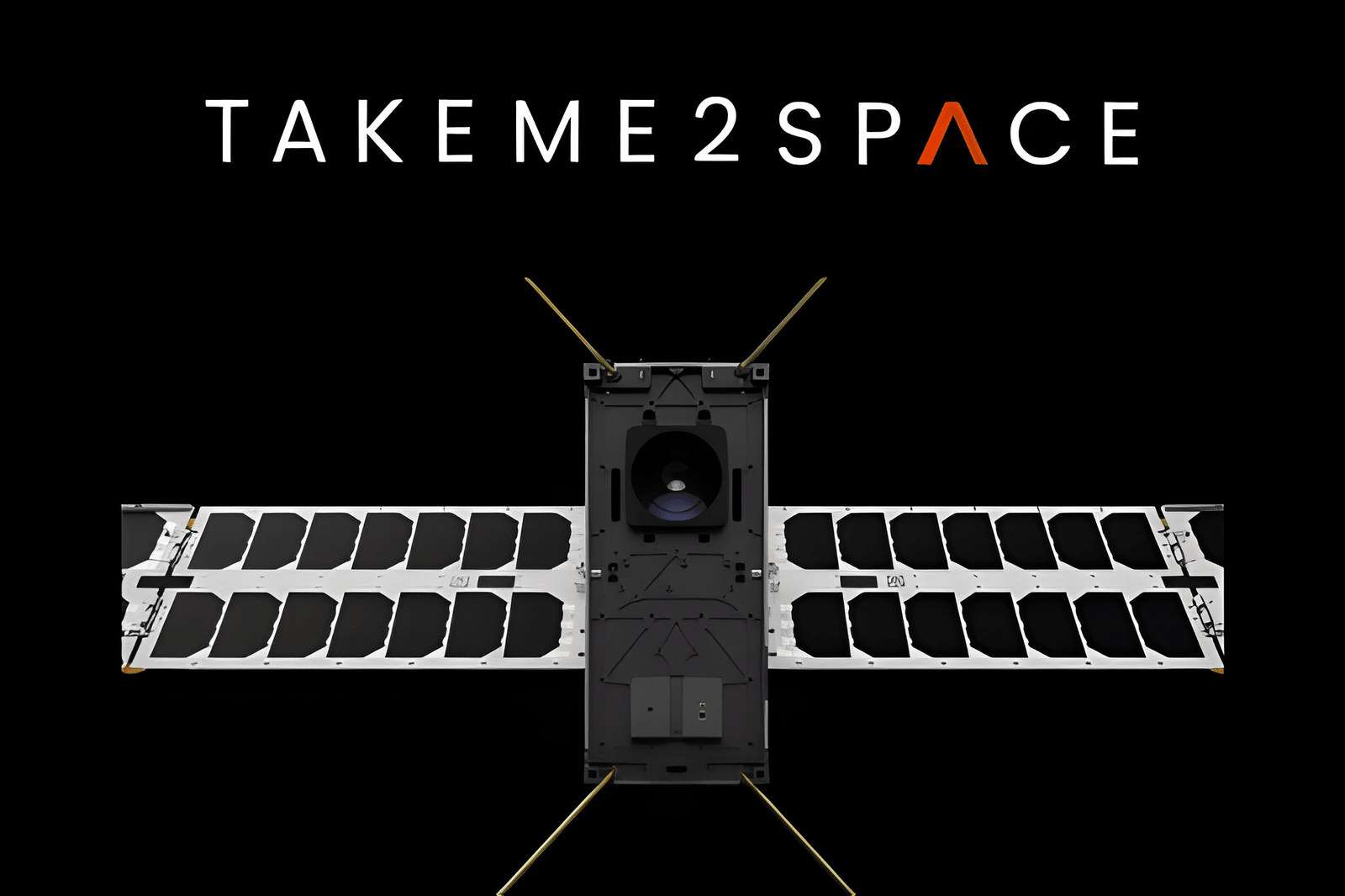
Indian space startup TakeMe2Space plans to launch what it describes as India’s first orbital computing satellite on October 1 aboard a SpaceX rocket. The startup aims to process data directly in orbit instead of transmitting large volumes of raw information back to Earth.
The company’s MOI-1A spacecraft weighs less than 50 kg and carries Nvidia Orin NX edge-computing processors. The satellite will launch as part of SpaceX’s Transporter-18 rideshare mission.
Meanwhile, TakeMe2Space said on Monday that it has secured 23 customers for the mission. These customers include geographic information system companies and educational institutions, while commercial users come from sectors such as agriculture, mining, supply-chain management, and insurance.
Founder and CEO Ronak Samantray said US-based space data analytics company Little Place Labs is among the customers using the service.
Under the model, customers can upload containerized AI models to the satellite. The spacecraft can then process data while passing over a designated area and send the resulting analysis back to Earth instead of transmitting the complete underlying dataset, Samantray said.
“The customer who sees value in our first-generation satellites is the one paying to download a lot of raw data and then do the compute,” Samantray said. “The reduction in the cost of not downloading it offsets the premium they pay for compute in orbit.”
However, MOI-1A functions as an onboard edge-computing satellite rather than a conventional data centre. Samantray said the spacecraft operates with around 150 watts of power. By comparison, companies such as SpaceX and Starcloud plan to deploy more advanced Nvidia processors designed for terrestrial data centres.
Furthermore, TakeMe2Space plans to expand beyond its initial spacecraft by developing larger satellites that can operate as a network and support multiple customers simultaneously.
The startup previously tested its technology through a demonstration mission in late 2024. That mission validated its ability to upload applications, conduct AI inference in orbit, and download processed results. However, the company later lost another spacecraft, MOI-1, following a failure involving the launch vehicle’s third stage.
In addition, TakeMe2Space plans to develop an orbital cold-storage service for critical data. The startup intends to target financial-services and defence customers that want an additional backup location beyond conventional terrestrial cloud infrastructure.
TakeMe2Space said it designs and manufactures most of its satellite subsystems in India, while it sources components such as chips, solar cells, and propulsion systems from external suppliers. Going forward, the startup plans to introduce larger satellites from 2027, which it expects will increase computing capacity while lowering costs.