

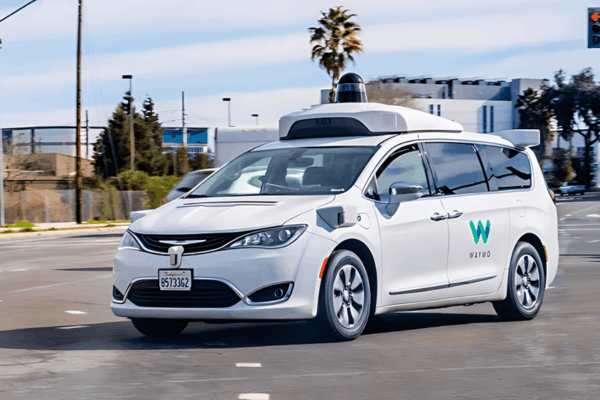
Alphabet unit Waymo has raised $16 billion in its latest funding round, a move that values the self-driving car startup at $126 billion and nearly triples its valuation in less than two years. As a result, the company has further strengthened its position in one of the most sought-after applications of artificial intelligence.
At the same time, leading autonomous vehicle companies are pouring capital into commercializing their technologies, placing strong emphasis on safety standards and regulatory collaboration to accelerate market adoption and gain competitive share.
In this round, Dragoneer Investment Group, DST Global, and Sequoia Capital led the investment, while Mubadala Capital, Andreessen Horowitz, and T. Rowe Price also participated. Previously, during its last external fundraising in 2024, Waymo commanded a valuation of $45 billion, according to data from Tracxn.
Historically, Alphabet spun Waymo out of Google’s self-driving car project in 2016. Today, Waymo stands as the only operator in the U.S. that offers paid robotaxi services without safety drivers or in-vehicle attendants.
Operationally, the company reported that it tripled its ride volume to 15 million rides in 2025 and now delivers nearly 400,000 rides every week across six major U.S. metropolitan areas. This growth highlights rising consumer acceptance and improving scalability of autonomous ride-hailing.
Meanwhile, competition in the autonomous mobility space continues to intensify. Elon Musk’s Tesla has made robotaxis a central strategic priority, pivoting its focus away from electric vehicles as it seeks to challenge Waymo’s dominance.
Waymo’s latest fundraising marks a significant milestone for the autonomous driving industry. With strong investor backing, expanding commercial operations, and a clear regulatory-first approach, the company has positioned itself as the frontrunner in U.S. robotaxi services. However, as rivals accelerate their own autonomous ambitions, Waymo’s ability to maintain technological leadership and scale safely will define the next phase of competition in self-driving mobility.