

Sunday, August 2, 2026
Home Blog Page 79

Fintech startup Incard bags £10M in funding to expand and strengthen its financial platform

0

London-based Incard, a financial platform built for high-growth digital companies, has raised £10 million in Series A funding led by Smartfin, with participation from Founders Capital, MountFund, and a group of angel investors.

Founded to solve key gaps in traditional business banking, Incard addresses the challenges founders face when managing cash flow, invoicing, and spending across multiple disconnected tools. Entrepreneurs Theo Cesarini, Soraya Tribouillois, Liam Seskis, and Matteo Martino created the company and launched the platform in 2024 to bring these critical financial functions together in a single system designed to scale alongside fast-growing digital businesses.

At the product level, Incard’s financial operating system integrates banking, payments, and essential financial tools into one unified platform. As a result, the system centralises financial operations, delivers real-time cash flow visibility and spending insights, and supports industry-specific workflows through modular add-ons.

Commenting on the company’s progress, Theo Cesarini, CEO of Incard, said the team has built a control layer for the financial stack of high-growth digital businesses and is now focused on expanding platform access so more companies can effectively manage, automate, and optimise their finances.

In practice, the platform offers business banking, corporate cards, and connected bank accounts through a single interface. Additionally, companies can extend the platform using tools from the Incard App Store, selecting features that match their industry and growth stage, including invoicing, spend management, treasury, working capital, and other financial capabilities.

Meanwhile, Incard has seen strong adoption among high-growth digital businesses across the UK and Europe, particularly companies with heavy advertising spend, foreign exchange exposure, and complex multi-entity structures.

Looking ahead, the company plans to use the new funding to expand into additional markets, including Europe and the US. Furthermore, Incard will enhance its product suite and invest more deeply in automation, AI-driven financial workflows, and team expansion across engineering, compliance, and product development.
Eco-focused hospitality brand The Fern Hotels & Resorts enters Thekkady with Fern Residency

0
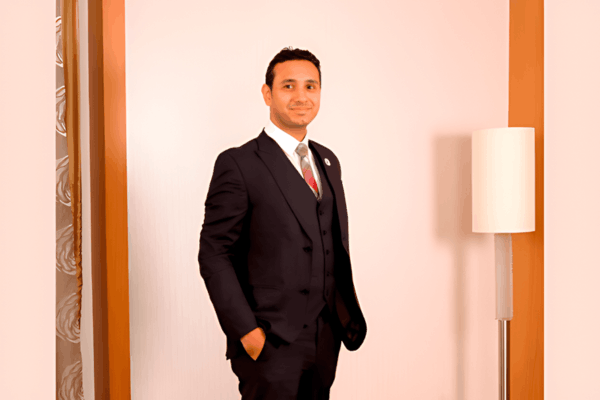
Suhail Kannampilly, Managing Director, The Fern Hotels & Resorts

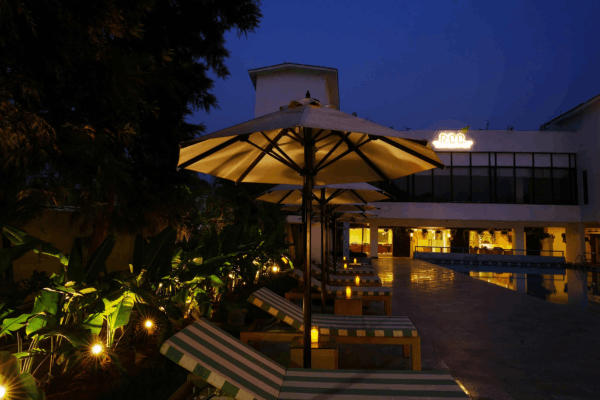
The Fern Hotels & Resorts has announced the signing of The Fern Residency Thekkady, Series by Marriott, in Thekkady, located in Kerala’s Idukki district. With this signing, the group has increased its total count of operational and upcoming properties in South India to 14.

Looking ahead, the upcoming hotel will feature 50 rooms and suites and will cater to both leisure and business travellers. Additionally, the property will offer an all-day dining restaurant along with meeting and event infrastructure, including one conference room and two banquet halls, thereby catering to corporate meetings as well as social gatherings.

Sharing his perspective on the development, Suhail Kannampilly, Managing Director, The Fern Hotels & Resorts, said, “Leisure destinations with strong ecological and experiential appeal are increasingly shaping the next phase of hospitality growth in India. Thekkady stands out as a destination that attracts discerning travellers seeking immersive experiences rooted in nature and culture. The Fern Residency Thekkady, Series by Marriott, will further strengthen our presence in South India while reinforcing our commitment to responsible and experience-led hospitality.”

Meanwhile, commenting on the partnership, Jose Mathew, Managing Director, Maria Shopping Complex Pvt. Ltd., said, “We are pleased to partner with The Fern Hotels & Resorts for this project in Thekkady. We believe this collaboration will deliver a compelling hospitality offering for both domestic and international travellers.”

As per the current timeline, the hotel will open in the second half of 2026.

IHG Hotels & Resorts expands India portfolio with voco Lucknow signing

0

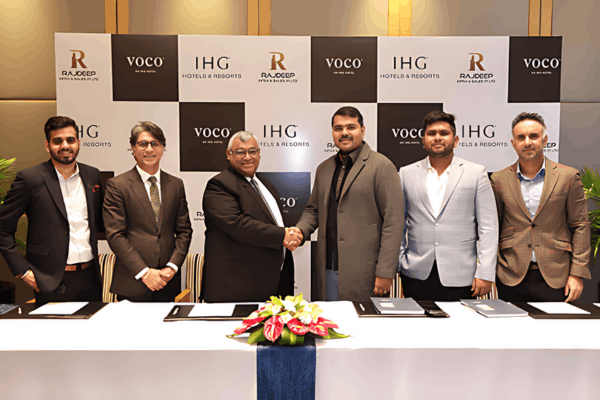
IHG Hotels & Resorts, one of the world’s leading hotel companies, has signed a management agreement with Rajdeep Infra & Sales Pvt Ltd to develop voco Lucknow. Scheduled to open in Q3 2029, the upcoming property will introduce IHG’s fastest-growing premium brand to the Uttar Pradesh capital, thereby strengthening the group’s strategic expansion across high-potential urban centres in India.

Strategically located, the hotel will come up in Ashiyana, one of Lucknow’s most sought-after residential and commercial areas. The location offers strong connectivity to key parts of the city and lies a short drive from Chaudhary Charan Singh International Airport. Moreover, as the capital of India’s most populous state, Lucknow continues to emerge as a major hub for business, government, education, and cultural tourism, consistently attracting both domestic and international travellers.

As a premium brand, voco delivers a distinctive hospitality experience by seamlessly blending the warmth and individuality of a standalone hotel with the reliability and quality of a globally recognised brand. At its core, the brand anchors itself in its defining hallmarks—‘Come on in’, ‘Me time’, and ‘voco life’. As a result, voco hotels deliver bold design language and thoughtful, guest-centric touches that create a relaxed yet premium stay experience worldwide.

Commenting on the signing, Sudeep Jain, Managing Director, South West Asia, IHG Hotels & Resorts, said, “We are delighted to partner with Rajdeep Infra & Sales Pvt Ltd to introduce the vibrant voco brand to Lucknow. This signing is a strategic step in expanding our premium portfolio in India’s integral state capitals. Lucknow’s dynamic growth as an administrative, educational, and business destination makes it an ideal market for voco’s contemporary and distinctive hospitality. We are confident this hotel will resonate strongly with travellers seeking a premium, relaxed, and characterful stay.”

Echoing this sentiment, Aman Singh Chauhan, Director, Rajdeep Infra & Sales Pvt Ltd, said, “Partnering with IHG Hotels & Resorts to bring the voco charm to Lucknow aligns with our vision of creating high-quality assets in prime locations. We believe the unique personality and premium positioning of the voco brand, supported by IHG’s global systems and expertise, will fill a notable gap in the Lucknow hospitality landscape and become a preferred choice for modern travellers.”

Currently under construction, the 135-key hotel will mark IHG’s third property in Lucknow, joining the operational Holiday Inn and Crowne Plaza hotels. Consequently, the project underlines IHG’s commitment to deepening its brand presence in key Indian cities.

At a national level, IHG® currently operates 51 hotels across six brands in India, including Six Senses, InterContinental Hotels and Resorts®, Crowne Plaza®, voco™ Hotels, Holiday Inn Resort®, and Holiday Inn Express®. Additionally, with a robust pipeline of 80 hotels under development, the company continues to advance its strategy to more than triple its Indian portfolio, targeting over 400 open and in-development hotels within the next five years.

Union Budget likely to shift real estate demand beyond metros, boost tier 2 and 3 cities

0
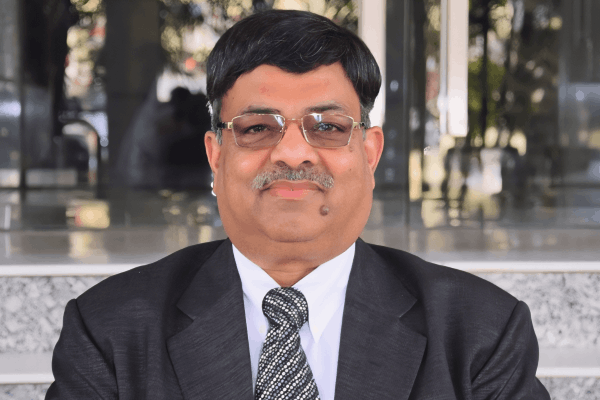
Niranjan Hiranandani, Chairman at Naredco

The budget aims to reshape real estate demand patterns over the medium term by accelerating India’s urbanisation drive, widening the economic influence of cities, and creating new property markets beyond the major metros.

By highlighting the economic strength of urban agglomerations, the budget positions cities as primary growth engines, with real estate poised to gain from better connectivity, job clustering, and sustained infrastructure development rather than direct fiscal incentives. As a result, experts believe this approach will gradually redirect housing and commercial demand toward a broader set of urban centres.

At the policy level, the budget marks a clear shift away from metro-centric development. “Breaking away from the traditional focus on metros, the budget propels a transformational shift towards regional economic development through the creation of City Economic Regions (CERs),” said Niranjan Hiranandani, chairman at industry body Naredco. “Each CER will integrate multiple urban centres, spanning Tier-2 and 3 cities, and temple towns and their surrounding hinterlands into unified economic ecosystems.”

Furthermore, the strategy places strong emphasis on Tier 2 and Tier 3 cities, including temple towns, supported by a ₹5,000 crore allocation for urban infrastructure development. Enhanced civic amenities, transportation networks, and public services in smaller cities will stimulate residential demand, boost retail activity, and encourage hospitality-led real estate growth in these locations.

In addition, investments in regional connectivity are set to play a critical role. “Investments in regional connectivity through high-speed rail corridors, freight networks, and improved waterways are expected to improve access to emerging cities, support local employment, and gradually deepen housing demand in these markets,” said real estate platform Magicbricks. “The parallel focus on tourism-led infrastructure, spanning heritage, eco, and adventure circuits, is also likely to create sustained demand for hospitality and lifestyle-linked real estate in several non-metro locations.”

Notably, the budget announced ‘Growth Connectors’ comprising seven high-speed passenger rail corridors linking major city clusters such as Mumbai, Pune, Hyderabad, Bengaluru, Chennai, Delhi, Varanasi, and Siliguri.

At the structural level, the government also plans to recycle public sector land and completed assets through special purpose REITs. This initiative aims to unlock value from underutilised assets while drawing long-term institutional capital into the market. “By positioning REITs as a key mechanism for asset monetisation, the budget reinforces their growing role in India’s infrastructure financing ecosystem,” the Indian REITs Association said in a statement.

Moreover, the association highlighted the broader benefits of this move. “Dedicated CPSE REITs can accelerate capital recycling, improve balance-sheet efficiency for public enterprises, and expand access to high-quality, income-generating assets for a wider investor base through transparent and regulated instruments,” it said.

Union Budget 2026–27 to drive Viksit Bharat 2047 vision with major boost to cooperative dairy sector: Chairman, NDDB

0
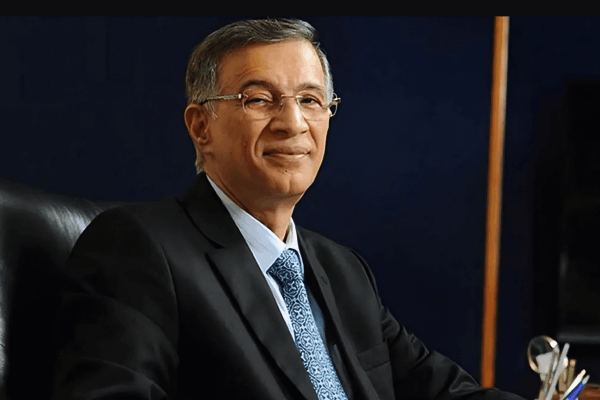
Dr. Meenesh Shah, Chairman, National Dairy Development Board (NDDB)

02 February 2026, Anand: Dr. Meenesh Shah, Chairman, National Dairy Development Board (NDDB), hailed the Union Budget 2026-27 as truly transformative, noting its initiatives to enhance farmers’ incomes, promote entrepreneurship in animal husbandry and dairying, and strengthen cooperatives—key steps toward realising the vision of Viksit Bharat 2047 and fostering inclusive economic growth.

Recognized as the growth engine of agriculture and allied activities providing livelihoods to rural households, the animal husbandry sector has received a significant boost in the Union Budget 2026–27, with an allocation of Rs 6,153.46 crore—up 16% from last year. The Budget also announced a Rs 500 crore Integrated Scheme for Entrepreneurship Development to expand employment through credit-linked subsidies, modernise livestock enterprises, build integrated dairy and poultry value chains, and promote Livestock Farmer Producer Organisations, thereby fostering entrepreneurship and rural development.

The Budget will add 20,000 veterinary professionals and, through a loan-linked subsidy scheme, support new veterinary and paravet colleges, hospitals, labs, and breeding facilities. Targeting India’s 53 crore livestock, including 30 crore dairy animals, the initiative also encourages global collaborations to drive innovation. Dr. Meenesh Shah hailed it as a milestone for the sector.

In addition to the existing provision allowing full deduction of profits and gains for primary cooperative societies engaged in supplying milk, oilseeds, fruits, or vegetables raised by their members, this benefit has now been extended to cattle feed. With primary cooperatives selling about 102 lakh metric tonnes of cattle feed annually, this move will significantly reduce their tax burden, ensuring better returns for farmer members. India’s dairy cooperatives already return over 75% of the consumer rupee to producers, and this initiative will further enhance payouts, putting more money directly into farmers’ hands.

Chairman, NDDB welcomed the Budget move allowing inter-cooperative society dividend income as a deduction under the new tax regime to the extent it is further distributed to its members, fostering investments in multistate cooperatives under Sahkar se Samriddhi. A three-year exemption on dividend income for notified national cooperative federations on their investments made in companies up to 31.01.2026, if further distributed to its members cooperatives, will further strengthen profitability and enable higher payouts to member institutions.

The Centralized Bio-CNG Model turns dairy waste into clean transport fuel and organic fertilizer, advancing circular economy goals. As announced in the Union Budget, the entire value of biogas while calculating the Central Excise duty payable on biogas-blended CNG is to be excluded, which will be a major boost for scaling large Bio-CNG models nationwide, strengthening sustainability, and promoting natural farming through organic fertilizer by-products.

In a nutshell, Chairman, NDDB described the Union Budget 2026–27 as one that ticks all the right boxes—providing impetus to agriculture, dairy, and allied sectors; improving capital efficiency; reducing tax distortions across cooperatives; and thereby boosting farmers’ incomes and employment opportunities.

Union Budget 2026 Reinforces Growth Momentum for India’s Travel and Hospitality Sector

0
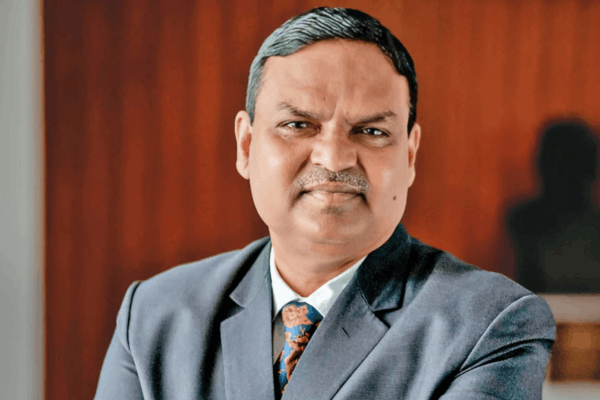
Pushpendra Bansal, COO, Lords Hotels & Resorts

Pushpendra Bansal, COO, Lords Hotels & Resorts, said, “The Union Budget 2026 reflects a steady and encouraging commitment towards strengthening India’s tourism and hospitality ecosystem. The continued focus on infrastructure development, regional connectivity, and destination-led growth will directly support travel demand, particularly across emerging leisure and pilgrimage destinations. Improved roadways, rail networks, airport expansion, and last-mile connectivity will significantly enhance accessibility to Tier II and Tier III markets.”

Highlighting the broader economic and sectoral impact, he added, “The emphasis on economic stability, employment generation, MSME support, and tourism skilling creates a stronger operating environment for the hospitality sector. Initiatives such as tourism skilling, training 10,000 tourist guides, and establishing a National Institute of Hospitality will help build a skilled, service-ready workforce for the industry. When consumer confidence improves and employment opportunities expand, travel becomes a priority rather than a discretionary spend. Support for MSMEs also strengthens the tourism value chain, from local vendors and transport providers to small businesses operating in emerging destinations.”

He further noted that focused investments in destination development, sustainable tourism, heritage circuits, and improved inter-city connectivity will enhance the overall traveller experience. “These initiatives will drive steady demand across leisure, business, religious tourism, weddings, and medical tourism segments, while allowing hospitality brands to respond better to evolving traveller expectations.”

At the same time, Mr. Bansal pointed out that there remains scope to ease operational challenges for the industry. “The budget did not restore the Input Tax Credit for hotels with room tariffs below ₹7,500, which continues to impact the profitability of budget and mid-scale hotels. Also, there was no reduction in the 18% GST slab for high-end room tariffs, which remains one of the highest globally.”

Looking ahead, he added that measures such as simplified visa procedures and formal industry and infrastructure status for the hospitality sector would help improve access to long-term financing and accelerate investment. “Overall, Budget 2026 reflects positive intent and provides momentum for sustained, tourism-led economic growth, with continued collaboration between the government and the private sector being key.”

Oracle targets $45–50 Billion capital raise in 2026

0
Larry Ellison, Executive Chairman of the Board and Chief Technology Officer, Oracle

Oracle expects to raise $45 billion to $50 billion in 2026 to expand capacity for its cloud infrastructure, the software major said. To support this expansion, the company, chaired by billionaire Larry Ellison, stated that it will pursue its funding goals through a strategic mix of debt and equity financing.

According to the company, Oracle is raising capital to strengthen its infrastructure and meet rising demand from its largest Oracle Cloud Infrastructure customers. “Oracle is raising money in ‌order to build additional capacity to meet the contracted demand from our largest Oracle Cloud Infrastructure customers, including AMD, Meta, NVIDIA, OpenAI, TikTok, xAI, and others,” the company said in a statement.

As part of its funding strategy, the company plans to raise nearly half of the required capital through a blend of equity-linked instruments and common equity issuances. These will include mandatory convertible preferred securities as well as a new at-the-market equity programme of up to $20 billion.

Meanwhile, the company intends to secure the remaining portion of the funding by issuing senior unsecured bonds early in 2026.

In recent weeks, investors have closely examined Oracle’s aggressive AI infrastructure expansion, particularly as the company’s debt levels rise and its business outlook becomes increasingly linked to OpenAI. The scrutiny has intensified because OpenAI is not profitable and has not disclosed how it plans to finance its own large-scale infrastructure requirements.

Adding to investor concerns, the company faced a lawsuit earlier this month from bondholders who claim they incurred losses after the company allegedly failed to disclose its need to raise substantial additional debt to fund its artificial intelligence infrastructure build-out. As a result, the cost of insuring Oracle’s debt against default climbed sharply in December last year, reaching its highest level in at least five years.

Sterling Holiday Resorts launches Arka Suites in Puri, expanding coastal hospitality portfolio

0

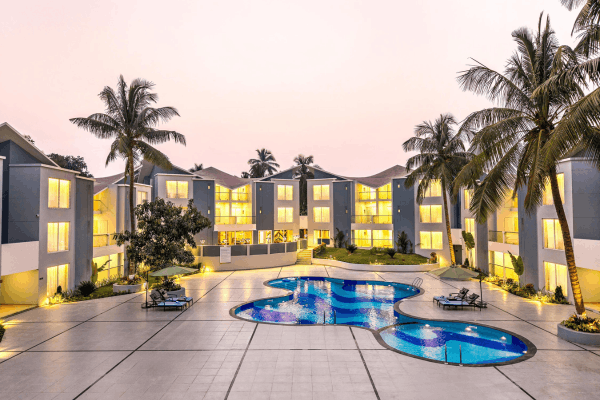
Sterling Holiday Resorts has announced the launch of Sterling Arka Suites, Puri’s first all-suite upscale boutique hotel, thereby opening a refined new chapter in the brand’s coastal journey in Odisha.

Although the property sits within the same precinct as the existing Sterling Puri resort, Sterling has conceived this elevated block as a distinct boutique sanctuary. Consequently, the hotel offers enhanced space, greater privacy, and a more indulgent stay experience, while still remaining seamlessly connected to the larger destination resort.

With the addition of Sterling Arka Suites Puri, Sterling now presents the most expansive portfolio of stays in the sacred seaside town. Notably, every suite features a pool-facing private balcony, along with thoughtfully planned, spacious interiors. Moreover, the hotel showcases walls adorned with contemporary interpretations of Odisha’s Pattachitra art, complemented by plush living and bath areas. Together, these elements create an experience tailored for discerning travellers who value space, privacy, and unhurried luxury, while encouraging a more intimate way to unwind in Puri.

Commenting on the launch, Vikram Lalvani, Managing Director and CEO of Sterling, said, “Sterling had an early and committed presence in Puri, and over the years we’ve seen the destination evolve into a more layered leisure and cultural hub. Sterling Arka Suites Puri marks the next phase of that journey—introducing Puri’s first all-suite, upscale boutique experience within a destination we’ve helped shape over time. This all-suite addition allows us to offer a more intimate, elevated stay while remaining seamlessly connected to the larger Sterling Puri ecosystem, giving travellers greater choice, space, and depth in how they experience the city—whether for leisure, culture, or longer, immersive stays.”

In addition, dining at the property features Solara, which serves global cuisine infused with local influences. At the same time, guests can also access Amo Odisha, the Odiya speciality restaurant located at Sterling Puri. Together, the integrated destination delivers curated cultural experiences, expansive event spaces for large gatherings, and engaging activities for families.

Furthermore, Arka Suites enhances Sterling’s capability to host celebrations and social events in Puri. The property offers versatile venues that can accommodate over 700 guests, while still catering to cultural-learning corners and activity zones designed to engage younger travellers.

Strategically, the property enjoys convenient driving access to both the Jagannath Temple and Puri’s beachfront. As a result, Sterling further strengthens its destination-led hospitality portfolio in the region, reinforcing Puri’s position as a holistic leisure, cultural, and spiritual destination.

WorldHotels expands India portfolio with Resort Country Club Manesar

0

Resort Country Club Manesar has announced its association with WorldHotels™ Distinctive Collection, thereby becoming the first hotel in India to join the global brand of independent lifestyle hotels. As a result, the property now becomes part of an international portfolio recognised for its individual character, strong local relevance, and experience-driven hospitality.

Located in Panchgaon, Manesar, the 115-key resort positions itself as a lifestyle destination for leisure travellers, business guests, and large-scale social events. Moreover, the property offers a combination of indoor and outdoor venues and enjoys convenient driving access from Delhi NCR. Recently, the resort completed a series of refurbishments, including upgraded rooms and suites, some of which feature private courtyards and plunge pools. In addition, the resort has redesigned its swimming pool and poolside food and beverage areas, while also enhancing multiple banquet and event spaces set amid landscaped surroundings.

At the same time, sustainability remains central to the resort’s operations. The property has implemented a 170 kW rooftop solar installation, along with rainwater harvesting systems and water management practices that support landscaping and groundwater recharge. Furthermore, the resort has planned its lighting design to minimize light pollution and has incorporated locally sourced materials throughout the property.

Looking ahead, the resort plans to introduce new dining concepts and a wellness facility that will offer spa therapies and fitness services, further strengthening its lifestyle positioning.

Commenting on the association, Usha Goel, Owner, Resort Country Club Manesar, said, “Joining the WorldHotels™ Distinctive Collection is a natural next step for us. Our focus has always been on creating places that feel grounded, personal, and thoughtfully designed. This partnership recognises that approach where luxury is defined by experience and genuine connection to place.”

Sharing similar views, Atul Jain, COO of BWH India & South Asia, said, “Resort Country Club Manesar perfectly embodies the ethos of WorldHotels™ Distinctive. Its induction marks a significant moment for India, highlighting our commitment to showcasing exceptional independent hotels on a global stage. What truly sets the resort apart is its strong focus on ESG-led practices, sustainability, and organic farming, creating a lifestyle destination rooted in responsible luxury. Together, we are building an experience that celebrates individuality, craftsmanship, and responsible, conscious living.”

Spacetech startup Digantara raises $50 Mn to scale global satellite capabilities

0
(From left) Rahul Rawat, Anirudh Sharma & Tanveer Ahmed, co-founders, Digantara

Reliance Industries has led a USD 50 million funding round in Bengaluru-based spacetech startup Digantara, according to a filing with the Registrar of Companies. As a result of this investment, the company now commands an approximate valuation of USD 200 million, marking a major milestone for India’s fast-evolving private space sector.

In addition, the Series B round attracted participation from 360 One Asset, Tokyo-based asset manager SBI Holdings, upGrad founder Ronnie Screwvala, and existing investors Peak XV Partners and Kalaari Capital. With this capital, Digantara plans to accelerate its global expansion, particularly in the United States, while also scaling its satellite manufacturing and production capabilities.

Meanwhile, Digantara, which originated as an incubatee at the Indian Institute of Science (IISc), focuses on developing advanced space situational awareness (SSA) technologies. Specifically, the company tracks satellites and space debris using proprietary systems such as its Space Camera for Object Tracking (SCOT), which delivers high-resolution tracking capabilities that exceed prevailing industry standards.

Currently, the startup operates multiple satellites in orbit. Going forward, Digantara intends to deploy the fresh funding to expand its surveillance offerings and deepen its engagement with defence, government, and commercial customers across India and international markets.

Founder Anirudh Sharma has outlined plans to extend the company’s geographical presence into Europe by mid-2026. At the same time, Digantara aims to integrate its technologies into multi-layered defence programmes, including initiatives such as India’s Golden Dome. Furthermore, the funding will help the company accelerate satellite manufacturing capacity and support broader deployment of its space-based sensing infrastructure.

More broadly, investor interest in India’s spacetech ecosystem continues to rise. In recent months, several startups, including Agnikul Cosmos and Ethereal Exploration Guild, have also secured substantial funding, underscoring growing confidence in India’s private space ambitions.