
Sunday, August 2, 2026
Home Blog Page 73

Royal Orchid Hotels strengthens Amritsar presence with Regenta Ranjit Avenue opening

0

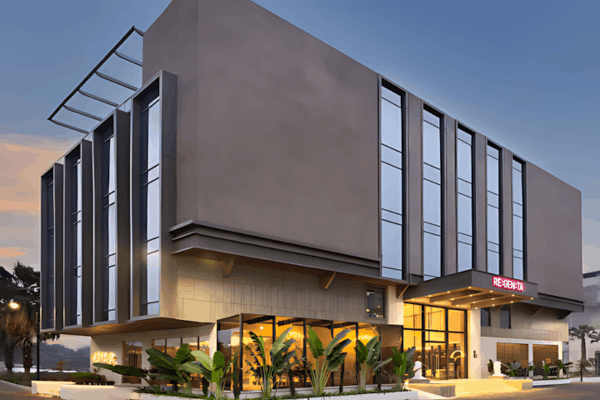
Royal Orchid Hotels Ltd. (ROHL) has announced the successful launch of its newest property, Regenta Ranjit Avenue, in Amritsar, thereby achieving a significant milestone as the group’s fifth hotel in the city. With this addition, the company continues to strengthen its strategic presence in high-growth urban centres and religious tourism destinations while reinforcing its long-term expansion vision.

Moreover, the hotel enjoys a prime location in Amritsar’s most distinguished neighbourhood at Ranjit Avenue, which ensures seamless connectivity to major landmarks. It stands just 7 km, or about 10 minutes, from the Golden Temple and Jallianwala Bagh, while also offering convenient access for international and domestic travellers. In addition, guests can reach the hotel within 15 km from Shri Guru Ram Dass Ji International Airport and within 5.5 km from the Amritsar Railway Station, thereby enhancing overall travel efficiency.

Furthermore, the property features 37 thoughtfully designed rooms that seamlessly blend contemporary comfort with regal elegance to create a calm and refined stay experience. The hotel offers Deluxe Rooms spanning 225 sq. ft. that provide a cozy city-centre retreat with modern amenities, while Superior Rooms of 270 sq. ft. offer spacious layouts with stylish workspaces suitable for business travellers and longer stays. At the same time, Executive Rooms measuring 310 sq. ft. deliver enhanced space with refined décor, and the expansive 432 sq. ft. Suite Rooms elevate luxury through bespoke furnishings and generous living areas.

In addition to premium accommodations, the hotel introduces distinctive culinary and social spaces that enrich the city’s hospitality landscape. Pinxx Kitchen & Lounge serves as the signature all-day dining destination where global cuisines blend effortlessly with authentic Amritsar flavours. Meanwhile, Mix Bar offers a chic setting with expertly crafted beverages, and Kitty Lounge provides an intimate venue for private gatherings and exclusive social events.

Equally important, the property positions itself as a premier destination for corporate and social events through its expansive and elegantly designed banquet spaces. The Celebration Party Hall spans 4,500 sq. ft. with a soaring 16-foot ceiling and accommodates up to 300 guests, making it ideal for grand celebrations. Additionally, Orchid and The Meetings on the fourth floor offer refined banquet facilities complemented by an open terrace, while Discussion, a sophisticated boardroom at the lobby level, caters to high-level meetings of up to 25 guests.

Notably, the hotel enhances guest experiences with modern amenities and leisure offerings. A rare rooftop swimming pool provides tranquil skyline views, thereby adding a distinctive character to the property. Guests also benefit from 24-hour in-room dining, high-speed Wi-Fi connectivity, and a dedicated concierge desk that ensures seamless service throughout their stay.

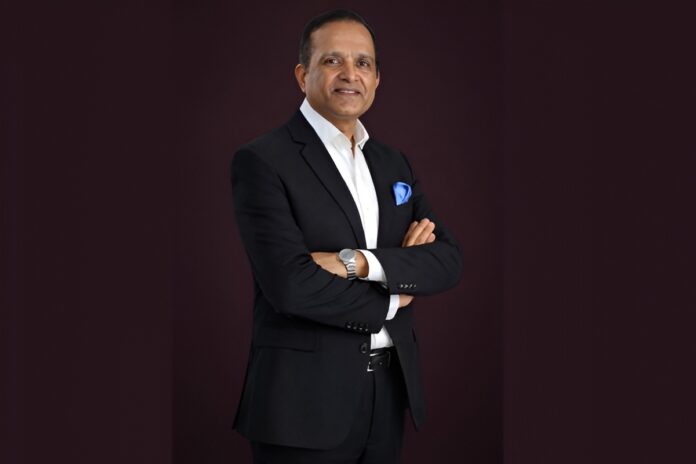
Commenting on the launch, Mr. Chander K. Baljee, Chairman & Managing Director, Royal Orchid Hotels Ltd., said, “The opening of Regenta Ranjit Avenue marks a significant milestone in our strategy to strengthen our presence in India’s most iconic cultural and spiritual hubs. As our fifth property in Amritsar, this launch reinforces our commitment to the region and our ‘Vision 2030’ expansion roadmap. We aim to provide a sanctuary of ‘Regal Hospitality and Eternal Serenity’ that reflects the city’s rich heritage while offering the modern, high-quality service our guests expect.”

The launch of Regenta Ranjit Avenue underscores Royal Orchid Hotels Ltd.’s focused growth strategy, as the group continues to invest in culturally significant markets with strong tourism potential. By combining strategic location, refined hospitality, and modern amenities, the property is well positioned to meet the evolving expectations of both leisure and business travellers in Amritsar.
Union Cabinet clears ₹10,000-Cr fund to back innovation-led and manufacturing startups

0
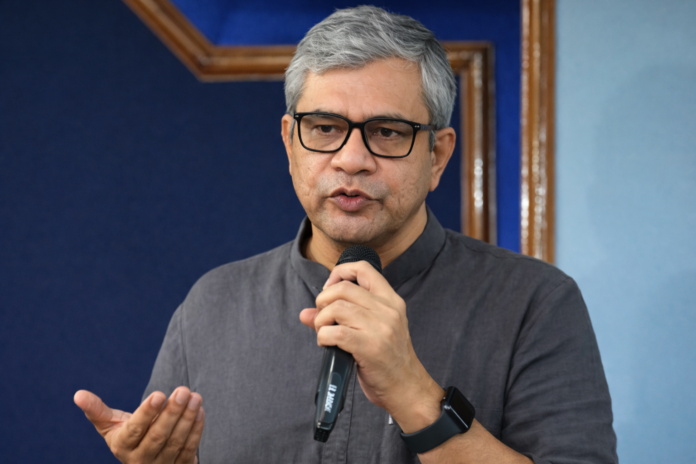
Ashwini Vaishnaw Minister for Railways, Information & Broadcasting and Electronics & Information Technology, Government of India

The Government on Saturday (February 14, 2026) announced that it has approved a ₹10,000 crore Fund of Funds aimed at mobilising venture capital and supporting deep tech, technology-driven innovative manufacturing startups, and early-growth-stage enterprises. Notably, this approval marks the second phase of the Fund of Funds (FoF) scheme under the Startup India Initiative, following the first tranche that the government established in 2016.

At the same time, the government designed FoF 2.0 to sustain investment momentum in the startup ecosystem while significantly expanding the scope beyond FoF 1.0. “The Union Cabinet, chaired by Prime Minister Narendra Modi, has approved the establishment of the Startup India Fund of Funds 2.0 with a total corpus of ₹10,000 crore for the purpose of mobilising venture capital for the startup ecosystem of the country,” a government statement said. The Cabinet approved the second tranche of the Startup India Fund of Funds Scheme on Friday (February 13, 2026).

Furthermore, the government stated that the scheme aims to accelerate the next phase of India’s startup journey by mobilising long-term domestic capital, strengthening the venture capital ecosystem, and supporting innovation-led entrepreneurship across the country. Earlier, in 2016, the government constituted a ₹10,000 crore Fund of Funds to provide seed capital and enable startups to take calculated risks while scaling their businesses.

Following the effective utilisation of the first tranche, the government sanctioned a second phase of ₹10,000 crore in the Union Budget for 2025–26. Meanwhile, India currently hosts around 100 unicorns, a term used to describe startups valued at USD 1 billion or more. Since the launch of Startup India in 2016, the number of government-recognised startups has grown sharply from approximately 500 to more than two lakh. Significantly, the government recognised over 49,400 startups in 2025 alone, marking the highest number recorded in a single year.

“The Startup India Fund of Funds 2.0 follows the strong performance of the Fund of Funds for Startups (FFS 1.0), which was launched in 2016 to address funding gaps and catalyse the domestic venture capital market for startups,” the statement said.

Under the earlier phase of the scheme, the government committed the entire ₹10,000 crore corpus to 145 Alternative Investment Funds (AIFs). Subsequently, these supported AIFs invested more than ₹25,500 crore across over 1,370 startups nationwide, spanning sectors such as agriculture, artificial intelligence, robotics, automotive, clean technology, consumer goods and services, e-commerce, education, fintech, food and beverages, healthcare, manufacturing, space technology, and biotechnology.

As a result, the first fund played a crucial role in nurturing first-time founders, crowding in private capital, and laying a strong foundation for India’s domestic venture capital ecosystem. While the initial phase focused on ecosystem building, the second phase now aims to elevate Indian innovation to the next level.

Accordingly, the new fund will adopt a targeted and segmented funding approach to support deep tech and technology-driven innovative manufacturing ventures. It will prioritise breakthroughs in high-technology domains that require patient, long-term capital. In addition, the fund will empower early-growth-stage founders by providing a safety net for emerging ideas and reducing early-stage failures caused by funding constraints.

Moreover, the scheme will encourage investments beyond major metropolitan regions to ensure that innovation flourishes across all parts of the country. The government stated that the fund has been structured to address high-risk capital gaps and strengthen India’s domestic venture capital base, particularly by supporting smaller funds to further enhance the investment landscape.

Startup India FoF 2.0 will also operate under the guidance of an Empowered Committee, which will provide strategic direction and oversight. Separately, the government has recently expanded the eligibility criteria for recognising startups by doubling the turnover threshold to ₹200 crore, thereby widening access to policy support and funding opportunities.

With the approval of the Startup India Fund of Funds 2.0, the government reinforces its long-term commitment to building a resilient, innovation-driven startup ecosystem. By mobilising domestic capital, strengthening venture funds, and supporting high-impact technologies beyond metro cities, the initiative positions India to accelerate its next phase of entrepreneurial and technological leadership.

Poulomi Estates marks Bengaluru entry with debut project ‘Poulomi Florique’

0
Prashanth Rao, Managing Director of Poulomi Estates

Poulomi Estates, a Hyderabad-headquartered real estate and infrastructure development company with a legacy spanning more than two decades, has formally entered the Bengaluru residential real estate market with the launch of Poulomi Florique, a premium high-rise residential project located in Thanisandra, North Bengaluru.

Notably, the company announced this expansion during a recent press meet held in Hyderabad, thereby marking a major milestone in Poulomi Estates’ growth journey as it moves beyond Telangana to establish a long-term presence in one of India’s most dynamic and opportunity-rich urban markets.

Meanwhile, Bengaluru continues to rank among India’s most resilient and forward-looking residential real estate destinations, supported by a strong technology ecosystem, steady employment generation, and sustained infrastructure investment. In addition, the city has witnessed a clear evolution in homebuyer preferences in recent years, as buyers increasingly prioritise larger, well-planned homes that emphasise liveability, sustainability, and long-term value rather than short-term pricing advantages.

At the same time, North Bengaluru—and particularly the Thanisandra corridor—has rapidly emerged as a high-growth residential micro-market. Its proximity to established employment hubs such as Bhartiya Centre of Information Technology and Manyata Tech Park has driven this growth, while improving arterial road connectivity, upcoming metro infrastructure, and a rapidly developing social ecosystem comprising schools, healthcare facilities, and retail destinations have further strengthened the area’s appeal.

Commenting on the expansion, Prashanth Rao, Managing Director of Poulomi Estates, said, “Our entry into Bengaluru is the result of years of evaluation and planning. We see this market not as a short-term opportunity, but as a city where Poulomi can create enduring residential landmarks. Florique reflects our belief that real estate development must be rooted in integrity, thoughtful planning, and a clear understanding of how people want to live today and in the future.”

Furthermore, Poulomi Estates has envisioned Poulomi Florique as a nature-integrated premium high-rise residential community spread across approximately 8.66 acres, designed to deliver a calm and balanced living environment within an urban context. The project will feature exclusively planned 3 BHK residences that cater to modern professionals and families seeking larger, more functional homes.

Additionally, the development team has designed the layouts to maximise natural light, enhance cross ventilation, and optimise spatial efficiency. As a result, the homes aim to deliver greater comfort, privacy, and flexibility while supporting evolving lifestyle needs over the long term.

With the launch of Poulomi Florique, Poulomi Estates signals a strategic and carefully considered expansion into Bengaluru, reinforcing its commitment to building thoughtfully planned residential communities that align with changing urban lifestyles. As the company establishes its footprint in North Bengaluru, it aims to create enduring residential landmarks that combine quality, sustainability, and long-term value in one of India’s most promising real estate markets.

Mental health startup Infiheal launches DuoChat, the world’s first AI relationship coach

0
Srishti Srivastava, Founder and CEO of Infiheal

Infiheal, an IIT Bombay–born mental health startup, has launched DuoChat, which the company describes as the world’s first AI-powered relationship coach designed to help two people communicate together in real time and build healthier, stronger relationships.

Notably, the startup unveiled the product during the official pre-summit hosted by Infiheal and IGAP ahead of the India AI Summit 2026 in New Delhi. During the gathering, senior leaders from global technology companies, public policy bodies, healthcare systems, international organizations, academic research institutions, and regulatory authorities came together to shape the future of responsible artificial intelligence.

Importantly, Infiheal timed the launch just before Valentine’s Day, a period when discussions around love, compatibility, emotional intimacy, and relationship health naturally intensify. While the season celebrates connection, mental health professionals emphasize that it also exposes communication gaps, unresolved conflicts, and emotional distance, making early intervention tools increasingly relevant.

Over the past decade, digital mental health platforms have largely focused on individuals by offering solutions for anxiety management, emotional regulation, and personal resilience. However, emerging research consistently shows that emotional well-being remains deeply relational rather than purely individual.

For instance, a 2023 survey by the American Psychological Association revealed that nearly 60 percent of adults experienced significant stress linked to friendships, family relationships, or workplace communication. As a result, these interpersonal stressors directly influenced overall mental health and relationship quality.

Despite growing awareness, relationship support continues to remain reactive. Couples often seek therapy only during moments of crisis, while high costs, social stigma, and long waiting periods delay timely intervention. Meanwhile, many individuals attempt to resolve conflicts independently, often without a shared structure for productive dialogue.

Previously, Infiheal introduced Healo, an AI mental health companion that provides guided emotional support and therapist-matching services. Within just over a year, Healo crossed one million users, and notably, 91 percent of users reported improved emotional well-being after engaging with the platform.

During this rapid growth phase, the Infiheal team identified a consistent pattern. Most user interactions revolved around relationships, including romantic partnerships, family dynamics, and social conflicts. Users frequently uploaded screenshots of difficult conversations and asked the AI to decode tone, intention, and emotional subtext. While these insights helped individuals gain clarity, they failed to address the shared relational dynamic.

Consequently, the team developed DuoChat to close this gap.

DuoChat creates a secure, private chat environment where two participants engage simultaneously. Rather than replacing communication, the AI acts as a neutral facilitator. It introduces structured prompts, reflective cues, and perspective-building interventions that reduce defensiveness, prevent escalation, and clarify misunderstandings. Drawing from established relationship science and evidence-based therapeutic frameworks, the system intervenes selectively, particularly when conversations become emotionally charged or when guided reflection can restore empathy.

Globally, demand for mental health counseling continues to exceed available supply, which leaves couples and families waiting weeks or even months for professional care. During these delays, unresolved tension often deepens emotional distance.

Against this backdrop, DuoChat positions itself as an early-stage, preventative support tool rather than a replacement for therapy. The platform encourages healthier communication patterns before emotional disconnection becomes entrenched.

“We’ve built AI platforms to optimize productivity, entertainment, and even shopping. But we haven’t focused enough on leveraging AI to help people understand each other,” said Srishti Srivastava, Founder and CEO of Infiheal. “DuoChat is our attempt to shift AI toward strengthening human relationships, not replacing them.”

Founded by Srishti Srivastava and Utkarsh Srivastava, Infiheal develops clinically validated AI models for mental healthcare within responsible AI frameworks that prioritize safety, transparency, and trust. The company has earned recognition from Narendra Modi through Mann Ki Baat and has showcased its innovations on global platforms such as the World Economic Forum in Davos.

With DuoChat launching around Valentine’s Day, Infiheal expands its mission to make mental health support accessible, affordable, and stigma-free. More importantly, the startup reframes artificial intelligence not as a tool for individual optimization alone, but as a meaningful bridge that strengthens human connection, empathy, and understanding in an increasingly digital world.

EV tech startup Six Sense Mobility raises $4.8 Mn to strengthen supply chain capabilities

0

Six Sense Mobility, an electronics and mobility equipment manufacturer, has raised USD 4.8 million in a funding round led by noted investor Ashish Kacholia, with participation from existing backer Piper Serica Angel Fund.

Previously, the company raised Rs 6 crore in a seed funding round in 2024, which Piper Serica led. According to the company, Six Sense Mobility will deploy the fresh capital to establish a new manufacturing facility, scale up production capacity, reinforce supply chain capabilities, and accelerate early-stage product development.

Founded by Sumit Roy, Kapil Rao and Narendra Verma, Six Sense Mobility operates in the electronics and smart mobility equipment manufacturing segment. The company actively supplies components and assemblies to automotive OEMs and technology firms while delivering end-to-end hardware, firmware, and software design supported by in-house manufacturing infrastructure.

Moreover, Six Sense Mobility collaborates closely with automotive OEMs and fleet operators to develop advanced smart mobility solutions. These include telematics control units, body control units, and intelligent implement control systems designed for next-generation vehicles and mobility platforms.

Notably, the company’s client portfolio includes leading industry players such as Volvo Eicher Commercial Vehicles and Sonalika Tractors, underscoring its growing relevance in the automotive electronics ecosystem.

Meanwhile, the funding round comes at a time when investor interest in India’s automotive electronics and embedded systems segment continues to rise. Recently, Indigrid Technology, an embedded electronics systems manufacturer serving the automotive industry, raised Rs 40 crore, taking its extended Series A round to Rs 75 crore, led by Cactus Partners.

Six Sense Mobility’s latest funding round highlights increasing investor confidence in India’s automotive electronics and smart mobility landscape. With plans to expand manufacturing, strengthen supply chains, and advance product innovation, the company is well positioned to play a critical role in supporting OEMs and fleet operators as the sector transitions toward connected and intelligent mobility solutions.

Agnikul and NeevCloud to launch India’s first orbital AI data centre platform

0
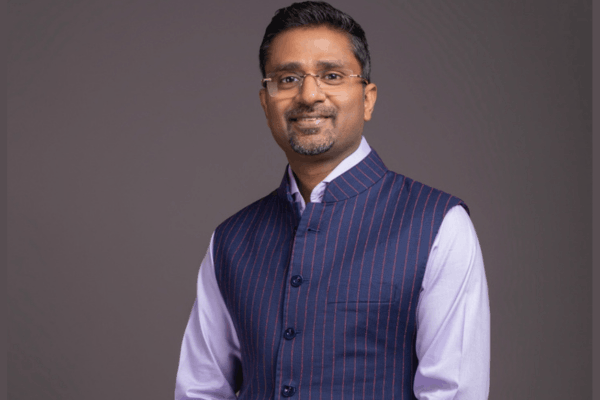
Narendra Sen, Founder and CEO of NeevCloud

Agnikul Cosmos, a Chennai-based space technology startup, and NeevCloud have announced plans to build India’s first orbital AI data centre platform, with a pilot launch targeted by the end of 2026 and full commercial operations expected to begin in 2027.

Under this collaboration, Agnikul will deliver orbital deployment and hosting capabilities by repurposing the extendable upper stage of its launch vehicle into a fully functional, space-based computing platform. At the same time, NeevCloud will deploy its AI SuperCloud stack to enable high-performance AI inference and processing directly in low-Earth orbit, thereby opening the door to low-latency and secure AI compute for applications ranging from autonomous systems to industrial automation.

Highlighting the significance of the partnership, Narendra Sen, Founder and CEO of NeevCloud, said, “The collaboration takes our AI SuperCloud to the ultimate edge—space,” as both companies work toward building scalable orbital infrastructure that could fundamentally transform how AI computing is delivered globally.

According to the companies, Agnikul’s patented upper-stage technology converts rocket components that are typically discarded after launch into valuable orbital assets capable of hosting compute hardware. As a result, the approach significantly reduces reliance on terrestrial infrastructure while improving efficiency and resilience.

Looking ahead, the partners plan to scale the platform to more than 600 orbital edge data centres by 2030, creating a continuous, real-time AI inferencing network operating in space.

Collectively, this initiative places India at the forefront of the emerging orbital data centre and space-compute economy while leveraging indigenous technology to address the surging global demand for next-generation AI data centre infrastructure.

Ananta Hotels & Resorts expands Rajasthan footprint with 64-room Ananta Elite in Ajmer

0

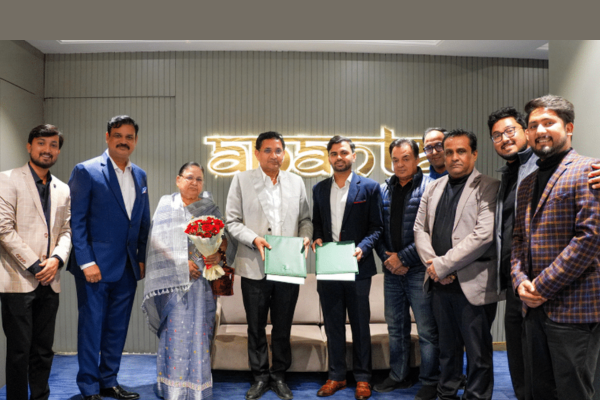
Ananta Hotels & Resorts has announced the signing of a new hotel in Ajmer, strategically located on the scenic Foysagar Road and slated to open in September 2026.

Notably, the upcoming property will operate under the Ananta Elite brand, thereby reinforcing the group’s footprint in Rajasthan’s key spiritual and business destinations. This expansion follows the brand’s well-regarded operations in Pushkar and Ajabgarh, further strengthening Ananta’s regional presence.

The hotel will feature 64 thoughtfully designed rooms along with a restaurant offering private dining options, a rooftop lounge, expansive landscaped lawns, and two banquet venues tailored for both social gatherings and corporate events.

Commenting on the development, Rupam Das, Chief Operating Officer, Ananta Hotels & Resorts, said, “This launch in Ajmer aligns with our vision to expand Ananta’s presence in culturally rooted destinations across India. With our growing Ananta Elite portfolio, we are creating sanctuaries that blend heartfelt hospitality with comfort and character.”

In addition, the hotel’s layout actively supports both large-scale events and leisure stays. Specifically, the property will offer banquet facilities capable of hosting up to 700 guests, complemented by more than 38,000 square feet of landscaped lawns, making it well suited for events that require a scenic yet centrally located venue.

The signing of Ananta Elite Ajmer marks another strategic milestone in Ananta Hotels & Resorts’ expansion journey. By combining event-ready infrastructure with refined hospitality in a culturally significant destination, the group continues to strengthen its position in Rajasthan’s growing tourism and business travel ecosystem.

Accor, InterGlobe weigh IPO for joint hospitality venture targeting 300 hotels by 2030

0
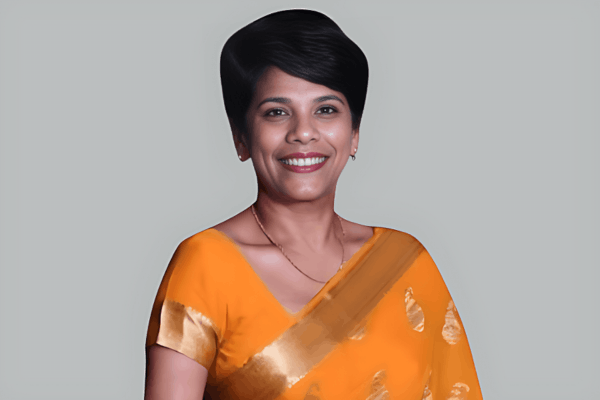
Ranju Alex, Chief Executive Officer, Accor South Asia

Europe’s largest hospitality group, Accor, and Indian aviation-to-hospitality major InterGlobe are exploring the possibility of tapping public markets for their joint hotel enterprise, under which the partners plan to develop 300 hotels by 2030, according to Ranju Alex, CEO of South Asia, Accor.

Notably, in April last year, Accor and InterGlobe announced that they were “strengthening” their partnership to establish a new hospitality platform aimed at creating a network of 300 Accor-branded hotels across India by the end of the decade.

Explaining the shift, Alex said, “We are considering taking the public route in the near future. There has been a lot of market curiosity around this development, because, suddenly, from a management operator setup, we will now be owning assets. We will be investing in assets, and we will continue running our assets as well.”

Furthermore, she highlighted how the strategy marks a fundamental transformation for the group in India. “The dynamics have completely changed. It is very exciting because India is a very robust market globally today. There is a lot of interest to see how the growth will pan out. We have said we are aiming for 300 hotels by 2030, but the idea is to surpass that goal,” Alex added.

Reflecting on performance, Alex said 2025 proved to be a record year for Accor in India, as the company signed close to 4,000 rooms, the highest number in its history. “The India-Pakistan skirmish had a little bit of effect for a couple of months, but India showed resilience, and we were very quickly back in the game. Our revenue per available room grew by about 12% over 2024,” she said.

At the same time, Accor strengthened its luxury portfolio by adding landmark properties. “We added some hallmark hotels into our portfolio. We opened Fairmont Udaipur and Fairmont Mumbai, which have established themselves very well in the market. Our aim is to reach the five-digit mark in signings this year,” Alex stated.

In addition, Accor expanded its footprint in key metro markets such as Delhi and Chennai. Alex noted that while earlier growth focused on premium and mid-scale hotels, luxury signings have now accelerated sharply. The group has signed an ultra-luxury property under Sofitel Legend in Jaipur, along with a Sofitel hotel in Rishikesh and three additional Sofitel properties in Mumbai.

Looking ahead, Alex said, “We are looking forward to launching the Raffles hotel in Ranthambore and the Fairmont Agra. The cherry on the cake has been the opening of the Roswyn, A Morgans Originals hotel in Mumbai.”

Elaborating further, she added, “It is a hotel that India has never seen, and it is targeting only the creme de la creme customer base. It’s our first Ennismore hotel in India. The next one, called The Hoxton, a popular brand in Europe, is coming to Bengaluru and should open by the end of the year.”

For context, Ennismore is a joint venture formed in 2021 between Accor and the original Ennismore hospitality platform, with Accor as the controlling shareholder. “We are excited about the debut of Ennismore in India. Ennismore has been a highly successful business model in the US, parts of Europe, and the Middle East. I am glad it is coming to India,” Alex said.

Meanwhile, Accor is also doubling down on food and beverage innovation. “We are extremely robust in our food and beverage offerings. Ennismore and our food and beverage offerings are going to give India that edge. We have a team of 300-plus people only working on F&B brands. We are also exploring opportunities in the standalone restaurant space,” she added.

Summing up the broader market, Alex said India’s strong economic momentum is benefiting the entire hospitality sector. “But, our path is very different. We will invest and build and run hotels, and we have far more offerings than others. We are all going for growth, but our growth is about sustainable, value-led growth and not just about signing rooms,” she concluded.

Accor and InterGlobe’s evolving strategy signals a major shift in India’s hospitality landscape. By combining asset ownership, luxury expansion, lifestyle brands, and a potential public listing, the partnership aims to build a scalable, value-driven hospitality platform that goes beyond traditional hotel management—positioning India as a central pillar in Accor’s global growth story.

Modern Ayurveda Brand Sarvagun Scales Rapidly, Targets ₹10–12 Crore ARR in Next 12 Months

0
Rahul Agarwal, Founder, RASA Group

Backed by RASA Group, Sarvagun blends classical Ayurveda with structured, outcome-led care for lifestyle and chronic conditions

New Delhi, 12 February 2026: Sarvagun, a modern Ayurveda and holistic healthcare brand backed by RASA Group, is witnessing rapid growth as demand rises for personalized, preventive healthcare solutions in India. The brand has served over 2,000 patients across its centres to date and is recording a month-on-month growth of 35%, positioning it to achieve an annual recurring revenue (ARR) of ₹10–12 crore over the next 12 months.

As consumer preferences shift toward preventive and holistic healthcare, Sarvagun is working to professionalize and scale Ayurveda by introducing measurable outcomes, consistent care pathways, and data-informed personalization bridging the gap between traditional medicine and contemporary healthcare delivery.

Commenting on the brand’s growth, Rahul Agarwal, Founder, RASA Group, said, “Sarvagun was created to make Ayurveda more relevant and accountable for today’s consumers. By focusing on outcomes, personalization, and root-cause treatment, the brand is building a scalable healthcare model that goes beyond symptomatic relief. The strong patient traction and steady growth reinforce our belief in this approach.”

Built on the philosophy of combining classical Ayurvedic science with modern, standardized treatment protocols, Sarvagun focuses on structured, outcome-driven, and root-cause-based healing. Its offerings include personalized treatment plans, Panchakarma detox therapies, nutritional guidance, and integrated wellness practices such as yoga and meditation, aimed at managing lifestyle and chronic health conditions through long-term care.

Looking ahead, RASA Group plans to scale Sarvagun pan-India over the next three to five years, with ambitions to build a nationally recognized healthcare platform. The Group is also evaluating a potential listing of RASA Group or one of its sub-brands within the next two to three years, as it continues to deepen its footprint in India’s rapidly evolving healthcare and wellness ecosystem.

About Sarvagun

Sarvagun is a modern Ayurveda and holistic healthcare brand focused on delivering structured, outcome-driven, and personalized care for lifestyle and chronic conditions. By combining classical Ayurvedic science with standardized treatment protocols and data-informed personalization, Sarvagun aims to make Ayurveda more measurable, consistent, and relevant for today’s consumers. The brand offers integrated treatment plans, including Panchakarma therapies, nutrition guidance, yoga, meditation, and long-term preventive healthcare support through its centres and specialised telemedicine services.

About RASA Group

RASA Group is a new-age diversified conglomerate founded by Rahul Agarwal, the former founder of Organic Harvest. Built on the pillars of Innovation at Heart, Quality as a Signature, and Sustainability as a Standard, RASA Group creates and scales high-impact ventures across multiple high-growth sectors. The Group currently operates six strategic verticals: JeeBharKe (culinary experiences and packaged foods), NexGen (a multi-brand ecosystem of premium laundry and dry-cleaning services including IronOut, FabSpin, Starex, and Dr. Shoe), Avani Infratech (sustainable real estate and commercial developments), Sarvagun (holistic healthcare and modern Ayurveda centres), AdventX (thrill-based adventure experiences), and Friday Night Cars (curated luxury automobiles). With a vision to build category-defining brands that combine innovation, operational excellence, and sustainability, RASA Group aims to establish a strong pan-India presence over the next 3–5 years and is targeting a group or sub-brand listing within the next 2–3 years. https://rasagroup.in/

Press Contact: Huda 7703976382

Mahima Misra | mahimamisraconsultancy@gmail.com

Artificial intelligence startup Simile raises $100 Mn to help businesses predict human behavior

0

Artificial intelligence startup Simile has secured $100 million in a fresh funding round to help businesses predict human behavior, ranging from identifying products customers are likely to buy to forecasting questions analysts may raise during earnings calls.

Notably, the round, scheduled to be announced on Thursday, was led by Index Ventures, with participation from Bain Capital Ventures, A*, and Hanabi Capital. In addition, prominent AI leaders such as Fei-Fei Li and Andrej Karpathy also invested in the round. However, Simile chose not to disclose its valuation.

Meanwhile, Simile emerged from stealth this week after spending the past seven months building an AI model trained on interviews with hundreds of real people about their lives. At the same time, the company enriched its system with historical transaction data and text drawn from scientific journals focused on behavioral experiments.

According to the startup, Simile aims to leverage this technology to anticipate decisions individuals might make in specific situations. To achieve this, the company constructs simulations populated by AI agents that mirror the preferences and tendencies of real people.

Importantly, this novel approach offers companies an alternative to traditional focus groups. For example, CVS Health Corp. has already been testing Simile’s platform to guide decisions on which products to stock and how to display them in stores.

Beyond retail, Simile believes its technology can also help organizations prepare for analyst questions on earnings calls or predict reactions to corporate announcements by analyzing historical earnings calls and research reports.

At the leadership level, Simile is led by co-founders Joon Park, Michael Bernstein, Percy Liang, and Lainie Yallen, all of whom have academic ties to Stanford University. Notably, Bernstein is a co-author of the influential ImageNet project, which established a foundational benchmark for modern computer vision systems.

Simile’s $100 million funding round underscores growing investor confidence in AI-driven behavioral prediction. By combining real human insights with large-scale simulations, the startup positions itself to reshape how companies understand consumers, anticipate market reactions, and make strategic decisions—potentially redefining the future of enterprise intelligence.