


Monday, August 10, 2026
Home Blog Page 181

From Back-of-House to Breakthrough: Siddharth Kochhar’s The BOH Labs is Reimagining Indian Hotels

0
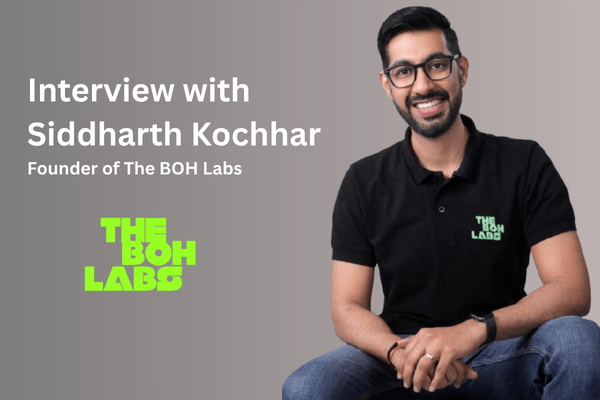
Siddharth Kochhar, Founder of The BOH Labs

With over a decade of experience spanning some of the most disruptive names in Indian and international hospitality, including FabHotels, Bloomrooms, OYO, and Wyndham Hotels & Resorts—Siddharth Kochhar has seen the inner workings of the industry from the ground up. As the former Development Manager for Wyndham in the Eurasia region, he led the expansion of a portfolio that included over 70 operational hotels and nearly 50 in the pipeline, bringing global brands like Ramada and Wyndham Garden to new markets across India, Nepal, Bhutan, and Sri Lanka. As the Founder of The BOH Labs, a design-led hospitality startup, Siddharth is focused on transforming overlooked hotel assets into modern, community-centric spaces powered by technology and driven by purpose.

In this exclusive conversation with Business Review Live, Siddharth Kochhar shares what inspired The BOH Labs, how his past shaped the present, and what the future looks like for India’s new wave of hospitality—where every square foot is thoughtfully designed, every process optimized, and every guest experience deeply local yet universally modern.

1. What inspired the launch of The BOH Labs in 2024, and what does the name stand for?

The idea for The BOH Labs emerged from a clear market gap in India’s mid-scale hospitality segment. While the luxury boutique hotel market is booming—with projected revenues of USD 1.28 billion by 2030—mid-tier hotels remain underserved. Globally, hotels have evolved into social hubs, blending design, function, and community. I wanted to bring that experience-first, design-led approach to Indian hotels that often lack identity and connection.

We saw an opportunity to transform underperforming, unbranded hotels into vibrant spaces that foster creativity, community, and seamless guest experiences. The name “The BOH LABS” reflects this vision: “BOH” stands for back of house—the operational core of a hotel, which we believe holds untapped potential. “Labs” highlights our data-driven, solution-oriented approach to rethinking hospitality from the inside out. Our mission is to democratize great design and elevate guest experiences across India’s growing hospitality landscape.

2. What are the core pillars of The BOH Labs hospitality model?

The BOH LABS stands on three key pillars—design-forward, tech-driven, and culture-immersive—each shaping how we reimagine hospitality for today’s traveler.

  • Design-forward means crafting purposeful spaces that are both aesthetically striking and operationally smart, blending modern sensibilities with local flavor.
  • Tech-driven hospitality enables seamless experiences through digital concierge services, contactless check-ins, and energy-efficient systems that improve both guest satisfaction and back-end efficiency.
  • Culture-immersive design ensures every property feels rooted in its location—through collaborations with local artists, community events, and regionally inspired materials—offering guests a deeper, more authentic connection to the place.

3. What approach does The BOH Labs take to reimagine and reposition existing hotels as modern lifestyle properties?

At The BOH Labs, we revitalize underperforming hotel assets by turning them into design-forward, tech-enabled lifestyle hotels. The transformation starts with optimizing often-overlooked back-of-house areas to improve operational flow. Public spaces like lobbies and lounges are reimagined to be multifunctional, guest-centric hubs. We collaborate with architects, designers, and planners to ensure each space blends aesthetics with efficiency. Our brand team ensures every property reflects a strong identity, while smart technology—like digital concierge services—is seamlessly integrated to enhance both guest experience and operations. The result is a modern, community-driven hotel that resonates with today’s traveler.

4. Can you walk us through the business and revenue model that drives The BOH Labs?

The BOH Labs operates on a flexible, multi-channel revenue model designed for scalability and long-term growth. At its core, the business focuses on building strong lifestyle hotel brands that resonate with modern travelers. Depending on the partner’s needs, we offer a tailored mix of franchise agreements, management contracts, and revenue-sharing models. This hybrid approach allows both large hospitality players and independent hotel owners to benefit from our proven framework while maintaining operational flexibility. By combining strategic partnerships with design-led transformation, The BOH Labs drives sustainable profitability and brand-led growth across India’s evolving hospitality sector.

5. How is The BOH Labs integrating technology to redefine the modern hotel stay?

At The BOH Labs, technology is central to creating a seamless, personalized, and contactless guest experience. We integrate advanced Property Management Systems (PMS) to streamline operations, enabling smooth check-ins, real-time service requests, and efficient resource management.

Our digital concierge services, available via mobile apps or in-room devices, allow guests to request services, access information, and book experiences directly from their smartphones. Features like keyless entry and automated messaging further enhance convenience and personalization while reducing the need for physical interaction.

We also leverage smart tech to optimize underutilized spaces such as lobbies and lounges, turning them into revenue-generating social hubs. This tech-driven approach not only elevates guest satisfaction but also improves operational efficiency—positioning The BOH Labs as a leader in modern, future-ready hospitality.

6. What design philosophy drives The BOH Labs’ approach to shaping its properties?

At The BOH Labs, design goes beyond aesthetics—it’s functional, emotional, and deeply contextual. Every project begins by asking: How do people move, feel, and work in this space? That insight drives our highly personalized, ground-up design approach.

We immerse ourselves in each property—observing workflows, speaking with staff, and studying the environment. Our team conducts micro-level research on everything from lighting and ventilation to storage ergonomics, ensuring that every design choice supports both guest comfort and staff efficiency.

We also collaborate with local artisans and designers, blending regional materials with our tech-forward hospitality systems to create spaces that feel natural, not forced. For us, great back-of-house design should be invisible—supporting seamless operations without calling attention to itself. This thoughtful, human-centric approach ensures that each The BOH Labs hotel delivers a design-led experience that’s both intuitive and unforgettable.

7. How does The BOH Labs balance showcasing local culture in each property while maintaining a consistent brand identity?

At The BOH Labs, we ensure every property reflects its local culture while staying true to our design-forward, community-driven brand identity. We do this through a thoughtful mix of local sourcing and strategic design integration.

Each hotel incorporates locally sourced materials, regional art, and handcrafted furnishings that celebrate the area’s heritage. This not only supports local artisans but also creates a sense of authenticity and place for guests.

To maintain brand consistency, we align every element—color palettes, lighting, textures, and layouts—with The BOH Labs’ signature aesthetic: modern, functional, and culturally immersive. The result is a unique yet cohesive experience, where each property feels rooted in its location while unmistakably part of the BOH Labs family.

8. What types of communal and interactive spaces does The BOH Labs incorporate into its hotels, and what purpose do these spaces serve?

At The BOH Labs, communal spaces are a core part of our hospitality concept. We design each hotel to foster connection, creativity, and productivity, offering more than just a place to stay.

Our properties feature multi-purpose lobbies, co-working lounges, rentable podcast studios, content creator zones, and hybrid event venues. These spaces are thoughtfully designed with comfortable seating, high-speed internet, communal tables, and charging points—perfect for working, networking, or relaxing.

By integrating these interactive, shared environments, we cater to digital nomads, business travelers, and modern explorers who value community and flexibility. It’s all part of our mission to create hotels that feel more like dynamic social hubs than just accommodations.

9. What are the key challenges facing independent hoteliers today, and how does The BOH Labs address these issues?

Independent and small hoteliers often struggle with operational inefficiencies, limited access to hospitality technology, lack of brand identity, and the challenge of competing with large hotel chains. Tight budgets make it difficult to upgrade properties or deliver consistent, high-quality guest experiences.

At The BOH Labs, we solve these challenges through a holistic hospitality solution that combines design-led transformation, tech-enabled operations, and strategic brand building. We revamp both back-of-house and guest-facing areas to improve efficiency and appeal, working with local designers and consultants to create spaces that are operationally smart and visually compelling.

Our tech stack includes PMS integration, keyless entry, digital concierge services, and dynamic pricing, helping small hotels modernize without heavy upfront investment. We also help partners craft a distinct lifestyle hotel brand that blends local culture, community engagement, and modern design—enabling them to stand out, scale effectively, and drive sustainable profitability.

10. What strategies does The BOH LABS use to involve local artists and community members?

At The BOH Labs, community integration is core to our brand. We actively collaborate with local artists, performers, and businesses to make each property a vibrant reflection of its surroundings.

  • Local Art Curation: We showcase original works by regional artists across our spaces—each piece adds cultural depth and gives local creatives a platform.
  • Cultural Programming: Our hotels host live performances, pop-ups, and creative workshops, connecting guests with the local scene.
  • Support for Local Business: From sourcing produce for our kitchens to stocking local goods in retail corners, we amplify neighborhood entrepreneurs.
  • Artist Pop-Up Stores: We create rotating micro-retail spaces where designers and makers can sell directly to guests—no barriers, just visibility.
  • Local Hiring: We prioritize hiring from the community to keep guest experiences authentic and rooted in local energy.

11. What roadmap has The BOH Labs outlined for its expansion and growth?

The BOH Labs is actively expanding across India’s Tier 1 cities—including Mumbai, Delhi NCR, Bengaluru, and Hyderabad—to refine our model in high-demand, operationally complex markets. These cities allow us to build scalable systems, showcase strong case studies, and partner with both legacy and emerging hospitality players.

Looking ahead, we plan to enter Tier 2 and Tier 3 cities like Jaipur, Indore, Kochi, Varanasi, and Bhubaneswar, where the hospitality sector is booming but still underserved by efficient infrastructure. These culturally rich markets offer incredible opportunities for design-forward, tech-enabled hotel transformations.

Our 24-month target is to onboard at least 10 new properties, primarily in Tier 1 markets, with each hotel acting as a flagship example of The BOH Labs in action—delivering enhanced guest satisfaction and operational efficiency.

While international expansion—particularly in Southeast Asia and the Middle East—is on our long-term roadmap, our current focus remains on scaling responsibly across India, city by city.

Visit the Official Websitewww.thebohlabs.com

Connect on LinkedInSiddharth Kochhar

Salesforce acquires Informatica for $8 Billion to bolster AI data tools

0
Marc Benioff, CEO, Salesforce

Salesforce announced its plans to acquire Informatica for approximately $8 billion, aiming to strengthen its position in the rapidly growing AI data sector through enhanced data management capabilities.

This marks the cloud software leader’s return to major acquisitions after a period of restraint, prompted by pressure from activist investors demanding improved profitability.

Negotiations gained momentum in early April when several potential buyers — including private equity firms and other companies — approached Informatica around the same time, according to a source familiar with the sale discussions. Two sources confirmed that five parties expressed interest, including Thoma Bravo and Cloud Software Group. Thoma Bravo declined to comment, while Cloud Software Group did not respond immediately.

Acquiring Informatica would mark Salesforce’s largest deal since its $27.7 billion purchase of Slack in 2021. The move positions Salesforce to strengthen its data management capabilities as it sharpens its focus on AI-driven solutions. The acquisition also enables Salesforce to take greater control over how it handles and leverages enterprise data—a crucial step as it accelerates the integration of generative AI data across its product suite.

“Salesforce and Informatica will create the most complete, agent-ready data platform in the industry,” said Salesforce CEO Marc Benioff, adding the deal will strengthen its position in the $150 billion-plus data enterprise market.

The company has already secured over 1,000 paid contracts for Agentforce, its platform for building AI-powered virtual representatives.

As part of the Informatica acquisition, Salesforce is offering $25 per share, representing a 30% premium over Informatica’s closing stock price on May 22, just before reports of renewed negotiations surfaced. Following the announcement, Informatica shares rose 5.8% to $23.86, while Salesforce shares were up 1.78% in afternoon trading.

Salesforce actively deploys AI data agents—automated programs that handle routine tasks without human intervention—for business functions like recruitment and customer service. The company plans to close the deal early next fiscal year, starting in February, and will finance it through a combination of cash and new debt. Salesforce anticipates the acquisition will start to enhance its operating margin from the second year onward.

Scotiabank analysts stated that the acquisition could help Salesforce close the gap with software competitors, as “data management software is now most often sold as part of mega-vendor tool kits.”

Salesforce has a history of major acquisitions, having acquired data visualization firm Tableau Software for $15.7 billion in stock in 2019, followed by its largest-ever deal in 2021—the $27.7 billion purchase of Slack.

However, these high-profile deals came under increased scrutiny in 2023, when activist investors such as ValueAct Capital and Elliott Management began pushing for strategic changes aimed at boosting profitability.

MergerWare and VCCedge (Mosaic Media Ventures Limited) Announce Strategic Partnership to Empower Businesses with Smarter M&A Opportunities

0

VCCedge, a reputed financial research platform from Mosaic Media Ventures Limited (MMVL), and MergerWare, a global provider of digital M&A execution platforms, have announced a strategic collaboration aimed at helping businesses discover and execute the right acquisition opportunities with greater precision, speed, and strategic alignment.

This collaboration brings together VCCedge’s market intelligence and proprietary research capabilities with MergerWare’s comprehensive digital M&A lifecycle management platform. Together, they offer an integrated solution to streamline the full M&A process—from deal discovery and due diligence to integration and value realization—for corporates, private equity firms, and investment banks.

“At VCCedge, we’re committed to making business insights actionable. Our collaboration with MergerWare aims to enable dealmakers to not only identify the right targets but also move through the deal process efficiently,” said Anitesh Dharam [Business Head], VCCedge (MMVL).

“M&A is no longer just about finding a deal — it’s about executing it precisely and quickly. By integrating VCCedge’s vast company data with MergerWare’s digital execution platform, allows customers to quickly streamline and build their deal pipeline and shortlist the right M&A targets with MergerWare prospecting, engine,” said Dharmendra Singh, Chief Executive Officer, MergerWare.

Key Benefits of the Partnership:

  • Access to curated acquisition targets powered by VCCedge’s comprehensive private market intelligence.
  • Seamless integration of target evaluation with MergerWare’s secure M&A execution workflows.
  • Improved collaboration across all stakeholders involved in the M&A lifecycle.
  • Faster, data-driven decision-making supported by real-time analytics and automation.

The joint offering is set to launch soon, targeting mid-market companies and large enterprises seeking growth through strategic acquisitions across sectors.

About VCCedge (MMVL)

VCCedge is a premier research platform for private markets, offering deep insights on deals, companies, investors, and industry trends. It is a flagship product of Mosaic Media Ventures Limited (MMVL), the parent company of VCCircle and TechCircle.

About MergerWare

MergerWare is a US-based SaaS platform that enables secure, end-to-end management of M&A deals. It streamlines deal discovery, due diligence, and post-merger integration within a single platform, helping companies execute high-quality, repeatable M&A processes while reducing risk and improving efficiency.

Media Contact:

MergerWare :

Shruti Singh
Email: shruti.singh@mergerware.com

VCCedge:

Abhishek Tiwari

abhishek.tiwari1@hindustantimes.com
www.VCCEdge.com

Frinks AI secures $5.4M in funding round led by Prime Venture Partners

0
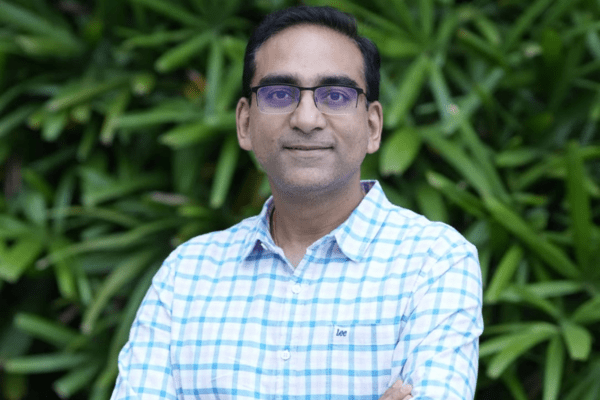
Brij Bhushan, partner at Prime Venture Partners.

Frinks AI has secured $5.4 million in a new funding round led by Prime Venture Partners. The round also included contributions from returning investor Chiratae Ventures, Navam Capital, and Ashok Atluri, the founder of Zen Technologies.

This round takes the total funding raised by Frinks AI to $6.25 million.

IIT Hyderabad alumni Aditya Agrawal, Dharmgya Sharma, and Subhra S Bhattacherjee founded the deep-tech startup Frinks AI. The company develops advanced vision-based artificial intelligence (AI) systems designed for industrial automation and quality control.

Frinks AI’s advisory board includes notable industry leaders such as former Tata Consultancy Services MD and CEO S Ramadorai, former Tata Motors executive director V Sumantran, Professor Tarun Ramadorai from Imperial College London, and former Tata Sons Group CTO Gopichand Katragadda.

Frinks AI plans to utilize the funds to expand its platform globally, boost investment in research and development, and strengthen its foothold in the crucial US market. To drive faster growth, the company is also actively seeking partnerships with automation firms and original equipment manufacturers (OEMs) for collaborative go-to-market efforts.

“Visual inspection in manufacturing has been around for 50 years, but owing to a rule-based approach, its applicability has been limited to less than 15% scenarios typical on the assembly line. Frinks has leveraged advancements in image processing, AI compute to develop manufacturing-specific machine vision models. By combining foundational models with in-house fine-tuning using a small set of images, Frinks is able to guarantee 99.99% accuracy to its customers. It is our pleasure to partner with Aditya, Dharmagya and Subhra in expanding this 10x product to India as well as taking it global,” said Brij Bhushan, partner at Prime Venture Partners.

Frinks AI’s successful funding round marks a significant milestone in its journey to revolutionize industrial automation through advanced AI technologies.

Flipkart to hire 5,000 in 2025 focused on quick commerce, AI & fintech

0
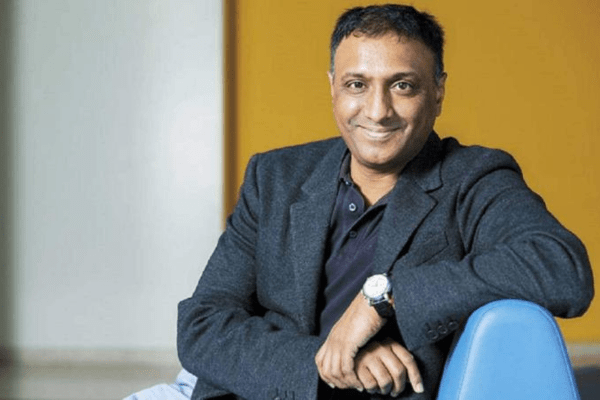
Kalyan Krishnamurthy, CEO, Flipkart

Flipkart is preparing for a major scale-up across key business segments and plans to hire 5,000 new employees in 2025. The Walmart-owned e-commerce giant unveiled its hiring plans during Flipster Connect, an internal town hall held on May 26, as it intensifies efforts in hyperlocal delivery, fintech, and artificial intelligence (AI).

A significant portion of these new roles will support Flipkart Minutes, the company’s quick commerce initiative, and Super.money, its fintech venture.

This recruitment drive aligns with the company’s broader growth strategy, which includes a potential IPO and the relocation of its legal headquarters from Singapore to India. Senior leaders such as Seema Nair (SVP and CHRO), Hemant Badri (SVP and Head of Supply Chain), and Ramesh Gururaja (SVP, Consumer Shopping Experience) also participated in the town hall. Nair emphasized the company’s evolving talent approach, highlighting investments in upskilling, AI integration, and preparing teams to align with Flipkart’s long-term goals.

At the event, Group CEO Kalyan Krishnamurthy revealed that customers and orders on Flipkart are growing at a rate of 20–25%, and the company aims to reach 30% growth by June. He credited a significant portion of this growth to the fashion category on Flipkart and Myntra, which now drives nearly 40% of the platform’s new customer acquisitions.

“Minutes is doing very well, and we’re targeting 800 dark stores by the end of the year,” Krishnamurthy said, positioning the service as central to Flipkart’s ambitions in India’s booming quick commerce space. With two dark stores being added each day, the company is racing to compete with Blinkit, Zepto, and Swiggy Instamart in the high-demand segment of groceries and essentials.

Krishnamurthy noted that Flipkart’s grocery division has undergone operational enhancements to better align with the fast-paced demands of quick commerce. Additionally, he highlighted travel as a rising high-growth category, driven by increased interest in hotels, international travel, and holiday packages—especially among India’s nearly 400 million Gen Z consumers.

The company is also making an aggressive play in technology, with AI investments increasing sixfold this year. “We remain committed to being future-ready,” Krishnamurthy said, framing AI as a critical pillar of Flipkart’s next phase of growth.

Another key update from the town hall was Flipkart’s decision to relocate its legal headquarters to India—a move that CEO Kalyan Krishnamurthy called “a statement of intent” and a strategic effort to better align with India’s economic and regulatory landscape.

Krishnamurthy also highlighted the strong momentum of Flipkart’s fintech platform, Super.money, along with successful product rollouts and the onboarding of seasoned leaders across tech, categories, and Adtech—all aimed at driving the company’s next phase of growth. However, Flipkart is pursuing this ambitious expansion while enforcing tightened financial controls.

According to a report, Flipkart’s board has directed Krishnamurthy to reduce the company’s monthly cash burn from $40 million (₹340 crore) to $20 million (₹170 crore), with an annual cap of $250 million. This cost discipline comes as Flipkart doubles down on high-growth verticals.

Meanwhile, the company has seen several senior leadership exits in recent months, including Ankit Jain (SVP, grocery and supply chain), Prajakta Kanaglekar (VP, HR), Anurag Singhvi (VP, analytics), and Ganesh Ramaswamy (CPTO, Cleartrip).

Flipkart’s aggressive push into quick commerce, AI, and fintech—coupled with a major hiring spree and strategic initiatives like shifting its legal base to India—signals its intent to solidify market leadership ahead of a potential IPO.

Sumadhura Group enters managed offices, plans 1M sq. ft. lease

0
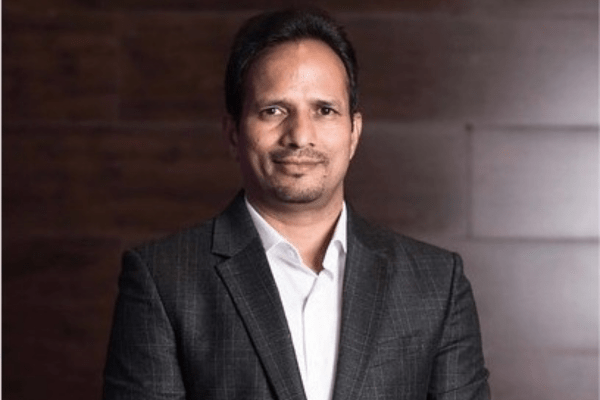
Madhusudhan G, Chairman & Managing Director of Sumadhura Group

Sumadhura Group, a leading real estate developer, has entered the managed office space (MOS) sector by launching its premium workspace brand, Workship, in Bengaluru.

Located strategically within Capitol Towers, Sumadhura’s flagship commercial property in Whitefield, Bengaluru, Workship spans over 122,000 square feet and, moreover, provides more than 3,000 workstations.

With rising demand for flexible workspaces across industries like IT & ITeS, Global Capability Centers (GCCs), pharmaceuticals, agri-tech, BFSI, and manufacturing, Sumadhura plans to grow substantially. The company aims to lease more than 1 million square feet of managed office space and add over 10,000 seats within the next three years, establishing itself as a major player in India’s dynamic workspace market.

Tenants completely leased the initial phase of Workship, which features over 50,000 square feet and 1,500 seats, within just three months of its launch. Furthermore, early tenants included companies from the IT, pharmaceutical, and agri-tech sectors, clearly highlighting strong demand in the market.

Encouraged by this success, Sumadhura has announced plans to add another 1,500 seats within the Capitol Towers complex, with completion expected by August 2025. This swift expansion underscores both market confidence and Workship’s rising status as a premium managed workspace provider.

Madhusudhan G, Chairman & Managing Director, Sumadhura Group, said, “India is witnessing a significant shift in how workspaces are perceived and utilized, with a growing demand for high-quality, flexible, and premium managed office spaces. Bengaluru and Hyderabad are leading this transformation.”

He added that the strong demand from sectors like IT/ITeS, agri-tech, and pharmaceuticals reinforces their conviction that premium managed office spaces—supported by robust real estate expertise and comprehensive operational management—are the future of work in India. “Our goal of reaching one million square feet of managed office space over the next three years reflects our confidence in this growth trajectory. Looking ahead, we plan to expand Workship in Hyderabad by 2027, recognizing its growing prominence as a key GCC hub and a high-potential premium office space market.”

Sumadhura Group aims to redefine the managed office space experience through Workship by blending its expertise in real estate development with a hospitality-driven approach to workspace management.

Having completed over 54 projects totaling more than 13 million square feet, the group currently has an additional 40 million square feet underway. Beyond residential projects, Sumadhura has expanded its portfolio to include commercial properties, warehousing, co-living spaces, and various other real estate segments.

IHCL announces signing of Gateway hotel in Nathdwara, Rajasthan

0

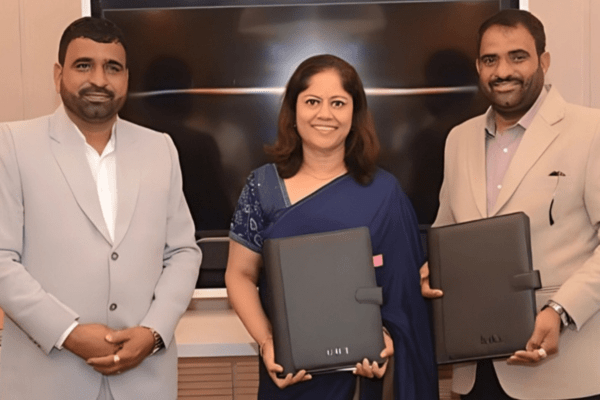
Indian Hotels Company (IHCL) has signed a new Gateway hotel in Nathdwara, further strengthening its presence in Rajasthan’s culturally vibrant landscape. With this addition, IHCL now has 31 properties in the state, including eight currently under development.

Set across more than six acres, the upcoming 101-room Gateway hotel Nathdwara will provide a serene escape amid the picturesque Aravalli Hills. Designed to combine contemporary amenities with traditional aesthetics, the hotel will cater to both spiritual pilgrims and leisure travelers.

Suma Venkatesh, Executive Vice President – Real Estate & Development, IHCL, said, “Nathdwara offers a unique blend of spirituality, culture, and scenic beauty, making it an ideal destination for pilgrims and tourists. This signing is in line with IHCL’s strategy to expand in key spiritual hubs. We are delighted to partner with Madan Singh Chauhan for this project.”

Guests at the upcoming Gateway Nathdwara will enjoy diverse culinary offerings, including an all-day dining restaurant and a specialty venue showcasing regional flavors. The hotel will also boast expansive event spaces, featuring over 8,000 sq. ft. of indoor facilities and a 10,000 sq. ft. outdoor lawn—ideal for weddings, celebrations, and corporate events. Additional amenities will include a swimming pool and a fully equipped fitness center.

Renowned for its spiritual significance and the iconic Shrinathji Temple, Nathdwara also draws visitors with its rich art, handicrafts, and signature Rajasthani hospitality. With this new signing, IHCL aims to elevate the travel experience in this prominent pilgrimage hub by offering a harmonious blend of peace and cultural richness.

This addition underscores IHCL’s strategic focus on expanding its footprint in India’s key tourism and pilgrimage destinations.

Fashion startup Slikk raises $10M to boost 60-Minute fashion delivery

0
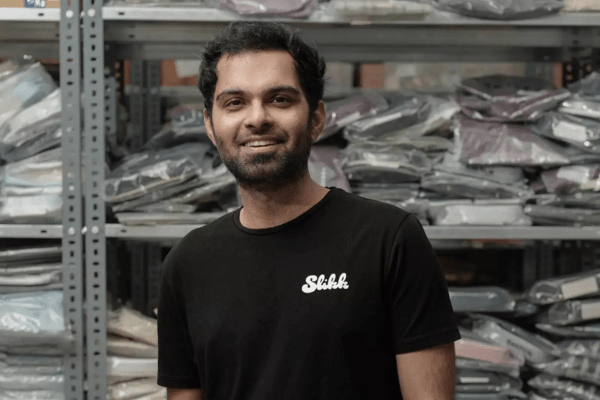
Akshay Gulati, co-founder & CEO, Slikk

Slikk, a quick commerce fashion startup based in Bengaluru, has secured $10 million in Series A funding. The all-equity round was led by Nexus Venture Partners, with continued support from existing investor Lightspeed.

Slikk will use the fresh capital to broaden its product offerings and expand into new markets, reinforcing its commitment to 60-minute fashion delivery.

The new funding will enable the fashion startup to expand into related lifestyle segments like beauty and personal care (BPC), footwear, accessories, and wearables — categories the company sees as prime for quick-commerce transformation.

Slikk will introduce instant returns to minimize online shopping friction and build stronger customer trust. The investment will further support the fashion startup’s logistics growth in major urban areas, along with upgrades to its warehouse and dark store infrastructure, and technological advancements to boost personalization, product discovery, and delivery speed.

According to co-founder and CEO Akshay Gulati, the funding round will allow Slikk to offer a “wider range of products and experiences” while helping partner brands connect with hyperlocal consumers.

Slikk’s approach combines curated fashion with a Try & Buy option and instant refunds — consequently, offering a service tailored for digitally native Gen Z and young millennial shoppers who, similarly, expect the same rapid delivery experience in fashion as they do in food and groceries.

Slikk is currently active in Bangalore, where it delivers fashion and accessories within 60 minutes. Its core user base includes college students, young professionals, and socially engaged urban shoppers influenced by digital trends.

The latest funding round reflects rising investor interest in category-specific quick commerce, as attention shifts from essentials and food & beverage to higher-margin segments like fashion and beauty.

In March 2025, Slikk raised $3.2 million in seed funding, led by Lightspeed. That round also included backing from Multiply Ventures, existing investors, and notable angel investors such as Abhishek Goyal (Tracxn), Abhinav Pathak (Perpule), Madhav Tandan, Nikhil (Panthera), and Saurabh Gupta (DST Global). Earlier, in September 2024, the company had secured $300,000 in a pre-seed round led by Better Capital.

“Having watched quick commerce reshape India’s consumer behavior, we believe fashion is the next frontier,” said Pratik Poddar, Partner at Nexus Venture Partners. “The Slikk team’s strategic execution and deep category understanding are well-suited to lead this shift.”

Lightspeed, which had invested in Slikk at the seed stage, has doubled down in this round. “The team built a product that resonates with its customers, reflected in strong retention and engagement,” said Rahul Taneja, Partner at Lightspeed.

Slikk’s move into beauty and accessories places it in direct competition with both established fashion e-commerce platforms and newer quick-delivery startups. The brand is strategically positioning itself to meet the intersection of convenience and trend-led demand, bringing together fashion, speed, and user experience.

Industry forecasts project that India’s apparel market will reach $109 billion in 2025, while the beauty and personal care (BPC) segment will exceed $34 billion. Within these rapidly growing sectors, Slikk aims to establish a distinct presence by tapping into the rising demand for hyperlocal fulfillment and instant consumption.

Akshay Gulati (formerly with Delhivery and Nearbuy), Om Prakash Swami (CTO), and Bipin Singh (CPO) founded the startup, bringing deep experience in building consumer technology and logistics-driven platforms.

Nazara Technologies reports surge in Q4 revenue, net profit at ₹4-Cr

0
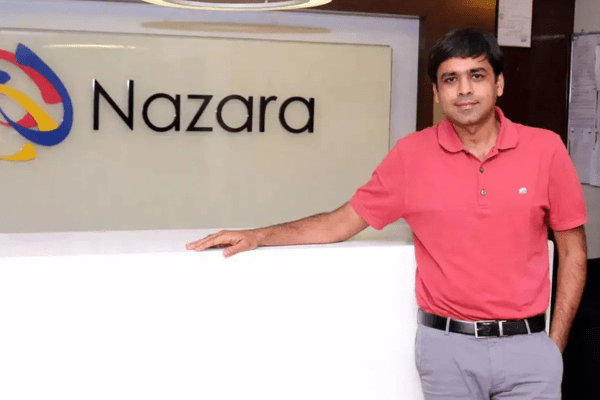
Nitish Mittersain, CEO, Nazara Technologies

Nazara Technologies, the online gaming company based in Mumbai, reported a 95% year-on-year increase in operating revenue, reaching ₹520.2 crore in Q4 FY25, despite a rise in total expenses driven by higher marketing and employee-related costs.

The company posted a net profit of ₹4 crore for the quarter ended March 31, a significant jump from ₹0.18 crore recorded in the same quarter last year.

Nazara Technologies’ total expenses surged 85% year-on-year to ₹527.7 crore in Q4 FY25, primarily driven by a more than threefold jump in advertising and promotional costs, which rose to ₹151.03 crore. Additionally, employee benefit expenses increased sharply by 80.7%, reaching ₹79.9 crore.

The company’s esports segment continued to lead in revenue contribution, recording a 47% YoY growth during the quarter. Meanwhile, the gaming division posted a strong 72% revenue increase to ₹156.4 crore, and the adtech segment also reported positive growth.

Nazara Technologies is actively raising capital to support both organic growth and strategic acquisitions. As reported on April 18, the company has allocated ₹800–1,000 crore this year for inorganic expansion, specifically targeting global gaming studios with established intellectual properties and annual revenues of approximately ₹100 crore.

In line with this strategy, Nazara completed its largest international acquisition to date on May 20 by acquiring UK-based PC and console game publisher Curve Games for ₹247 crore, reinforcing its global expansion ambitions.

Nazara Technologies is demonstrating strong momentum through robust revenue growth, strategic investments, and international acquisitions. With a sharp focus on expanding its global footprint and strengthening its portfolio of gaming IPs, the company is well-positioned to capitalize on the rapidly evolving gaming landscape, both in India and abroad.

Nestle SA acquires minority stake in pet food company Drools

0

Swiss food conglomerate Nestlé SA, the parent company of Nestlé India, has acquired a minority stake in Drools Pet Food Private Limited, an Indian pet food brand. The company, known for global brands like Kit Kat and Milo, confirmed that Drools will continue to operate independently post-investment.

This move comes after Drools raised $60 million in 2023 from L Catterton, a private equity firm backed by LVMH. At that time, L Catterton’s investment represented 10% of Drools’ valuation, making it one of the most significant deals in India’s pet care sector.

Founded in 2010 by Fahim Sultan, Drools specializes in high-protein and prescription pet diets. The brand has established a strong presence, with its products available in over 40,000 retail outlets across India and exported to 22 international markets.

Drools operates six manufacturing facilities and maintains a widespread warehousing network. It holds a strong position in India’s cat food segment and ranks among the top sellers on major e-commerce platforms such as Amazon.

Nestlé has a significant presence in the global pet food market. In fact, in 2024, its pet care division generated sales of 18.9 billion Swiss francs, thereby contributing 20.7% to the company’s total annual revenue.

According to Nestlé’s 2024 annual report, the company sells dog and cat food under well-known brands like Purina and Felix. Notably, Purina Petcare entered the Indian market in 2017 as a separate entity. Subsequently, in 2022, Nestlé India acquired Purina Petcare India for approximately ₹125.3 crore, aiming to manage and further expand the brand’s footprint across the country.

Pet ownership in India saw a significant rise during the pandemic, as more people turned to animal companionship while confined to their homes. Today, households in India own approximately 30 million of the country’s estimated 100 million pets.

India’s pet food market, currently valued at $551 million, is on a strong growth trajectory and is expected to reach $1.8 billion within the next seven to eight years.

Anjana Sasidharan, partner and head of India at L Catterton, said, “Drools has achieved significant growth since we invested in the company two years ago, through high-quality in-market agility and execution, and a range of operational initiatives we have been working on with its management team to create value. We are thrilled that Nestle, which has such a renowned position in the global pet care and consumer brands space, joins as a minority partner.”

Fahim Sultan, founder of Drools Pet Food, said, “This is a testament to the love and trust of millions of pet parents and to our unwavering commitment to quality… Backed by a strong focus on science-based nutrition, Drools continues to drive innovation and build meaningful engagement with the evolving demographic of Indian pet parents, positioning itself at the forefront of the country’s pet care industry.”

Nestlé’s strategic investments and acquisitions in India’s pet food market clearly demonstrate its commitment to capitalizing on the sector’s rapid growth. Moreover, by partnering with established brands like Drools and expanding its Purina presence, the company aims to meet increasing consumer demand. Furthermore, with pet ownership rising significantly in India, Nestlé’s continued focus on innovation and market expansion will likely drive sustained success in this evolving industry.